Gujarat Explorer

Adivasi Culture

Home Narmada Festivals Adivasi Culture

TRIBAL · ADIVASI · NARMADA

Adivasi Culture

The forested hills of Narmada are Adivasi country — home to tribal communities whose dance, music, dress and craft form one of Gujarat’s richest living cultures.
AT A GLANCE Festival Facts
🪘 CULTURE Adivasi
🌲 IN Forest hills
📍 REGION Narmada
💃 KNOWN FOR Dance & music
👗 ALSO Dress & craft
🎪 SEEN AT Fairs
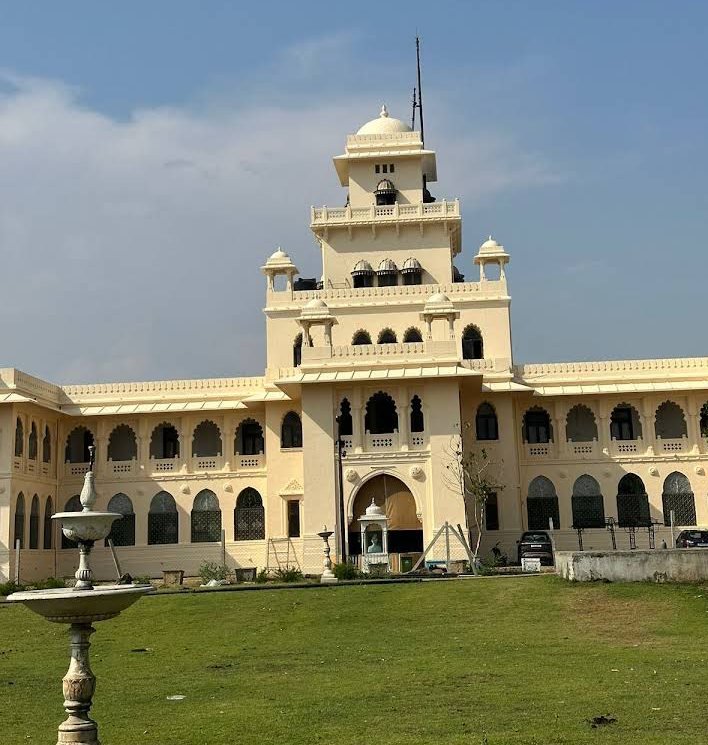
🏛️ VISIT Tribal museum
💡 IDEAL FOR Culture lovers
ABOUT

The living culture of the hills

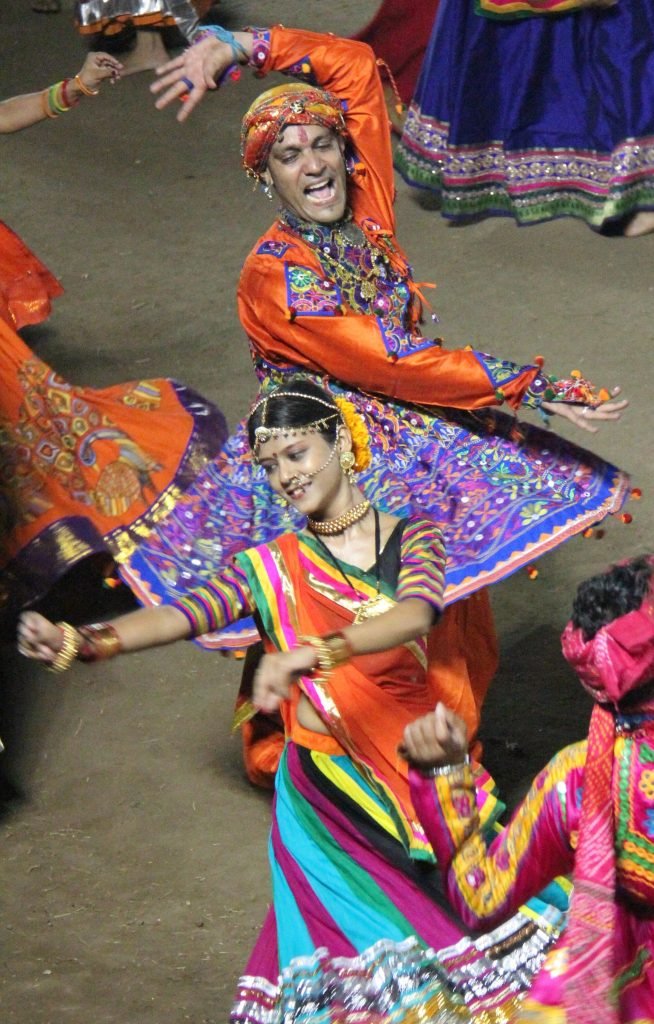
Narmada district, around Rajpipla and the forested Satpura foothills, is home to vibrant Adivasi (tribal) communities. Their culture is strikingly alive — rhythmic group dances driven by the dhol, distinctive silver ornaments and colourful dress, and a calendar of fairs that bind villages together. A tribal museum and cultural centres in the region help share this heritage, which remains an everyday reality rather than a museum piece.

Adivasi culture of Narmada.
HISTORY & SIGNIFICANCE

A heritage of the forest people

Tribal life around Rajpipla.
The hills

The forested hills where the Satpura range meets the Narmada valley have been Adivasi country for as long as there are records of the region.

Dance

The Vasava and Tadvi communities are the largest here, and their gatherings are built around the dhol — the drum sets the pace and the dance follows it.

Craft

Dress and silver ornament carry real meaning: patterns and pieces mark community, status and occasion rather than simply decorating.

Today

This is a living culture rather than a preserved one. The dances, songs and fairs happen because the communities hold them, not for visitors.

WHY EXPERIENCE IT

Why come

🪘

Tribal dance

The dhol drives everything — group dances build over hours, and the drummer rather than the dancers sets the tempo.

👗

Bright dress

Heavy silver ornament and bright woven cloth are worn at gatherings, and both are markers of identity as much as of wealth.

🎪

Village fairs

Adivasi life here is communal: fairs, harvests and festivals are village-scale events rather than family ones.

🏛️

Tribal museum

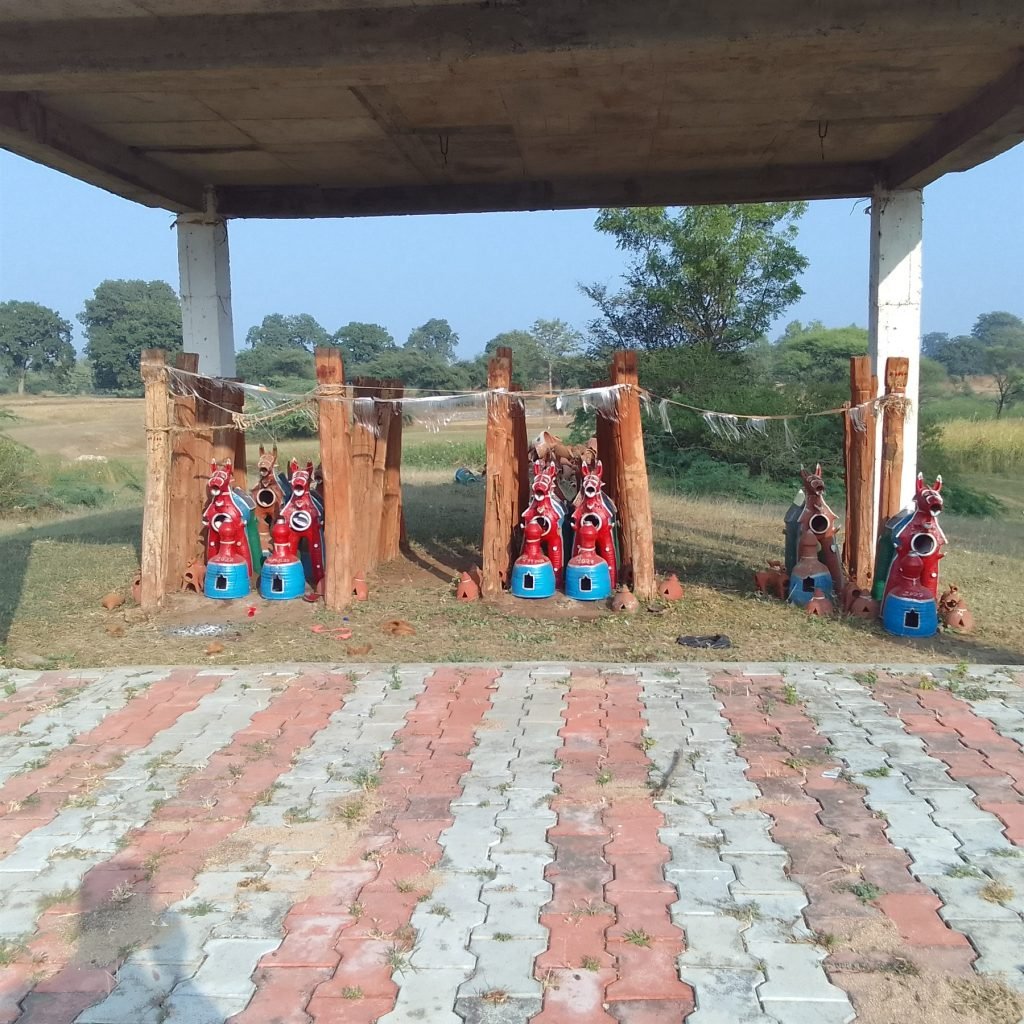
Craft traditions in bamboo, wood and bead work are still practised, and buying directly supports the makers.

🌲

Forest setting

The Satpura foothills and the Narmada valley shape the calendar — forest, river and monsoon between them set the year.

🎶

Folk song

These roots run deeper than the princely history of the region, and they are what the district's identity is actually built on.

HIGHLIGHTS

What to see

Adivasi cultureTHE CULTURE

Adivasi culture

Dance, music, dress and craft, most visible at the district's seasonal fairs and gatherings.

Narmada districtTHE REGION

Narmada district

Forested hills where the Satpura range runs down to the Narmada valley.
THE CELEBRATION

How to experience it

01

Visit the museum

Learn who the communities of the district actually are — Vasava, Tadvi and their neighbours — before you travel the hill country.

02

Time a fair

Time a visit to a fair, when whole villages gather and the culture is at its most visible.

03

Watch the dance

Listen to the dhol and watch how the dance follows it; the drum is the centre of every gathering here.

04

See the craft

Look closely at dress and silver ornament, which vary between communities and carry meaning rather than being ornamental.

05

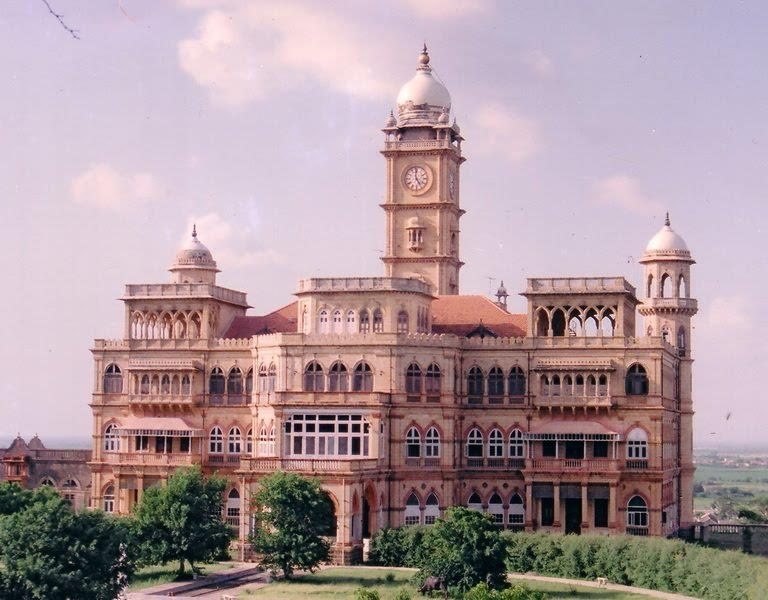
Explore Rajpipla

Use Rajpipla, the old princely town, as a base for the district's hill country and the Narmada valley.

06

Respect the culture

Buy craft directly from the makers where you can — bamboo, bead and wood work are still living traditions here.

Rajpipla, in Adivasi Narmada.
CULTURE & TRADITIONS

Community, rhythm and colour

Adivasi life in Narmada revolves around community and the seasons — sowing and harvest, weddings and festivals, all marked with music and dance. The forms are participatory: whole villages join hands in circling dances to the beat of the dhol. Their material culture, from woven baskets to silver jewellery, reflects a deep bond with the forest that has shaped these communities for centuries.

Vibrant Adivasi (tribal) communities of Narmada
Dhol-driven group dances and folk song
Distinctive dress, silver ornament and craft
Best seen at the district’s tribal fairs
WHEN IT HAPPENS

Timing

FAIRSFestival days★★★★★

The fairs and festival season is when Adivasi culture is most on display, and the only time you will see the big communal dances.

WINTERNov – Feb★★★★★

November to February is the comfortable travelling season across the district, with cool mornings in the hills.

MONSOONJul – Sep★★★★★

The monsoon turns the Satpura foothills genuinely lush, though the forest roads become slow and difficult going.

⏰ Adivasi culture is a year-round reality; it is most visible at the district’s fairs and festival gatherings.

HOW TO REACH

Getting there

✈️

By Air

Vadodara (~90 km).

🚆

By Rail

Kevadia / Vadodara.

🚗

By Road

Rajpipla / Kevadia.

NEARBY DISTANCES
Rajpipla • Kevadia — 30 km • Vadodara — 100 km • Bharuch — 60 km
FESTIVE FOOD

What to eat

Tribal FareTRIBAL

Tribal Fare

Forest flavours.

Makai RotloROTLO

Makai Rotlo

A hill staple.

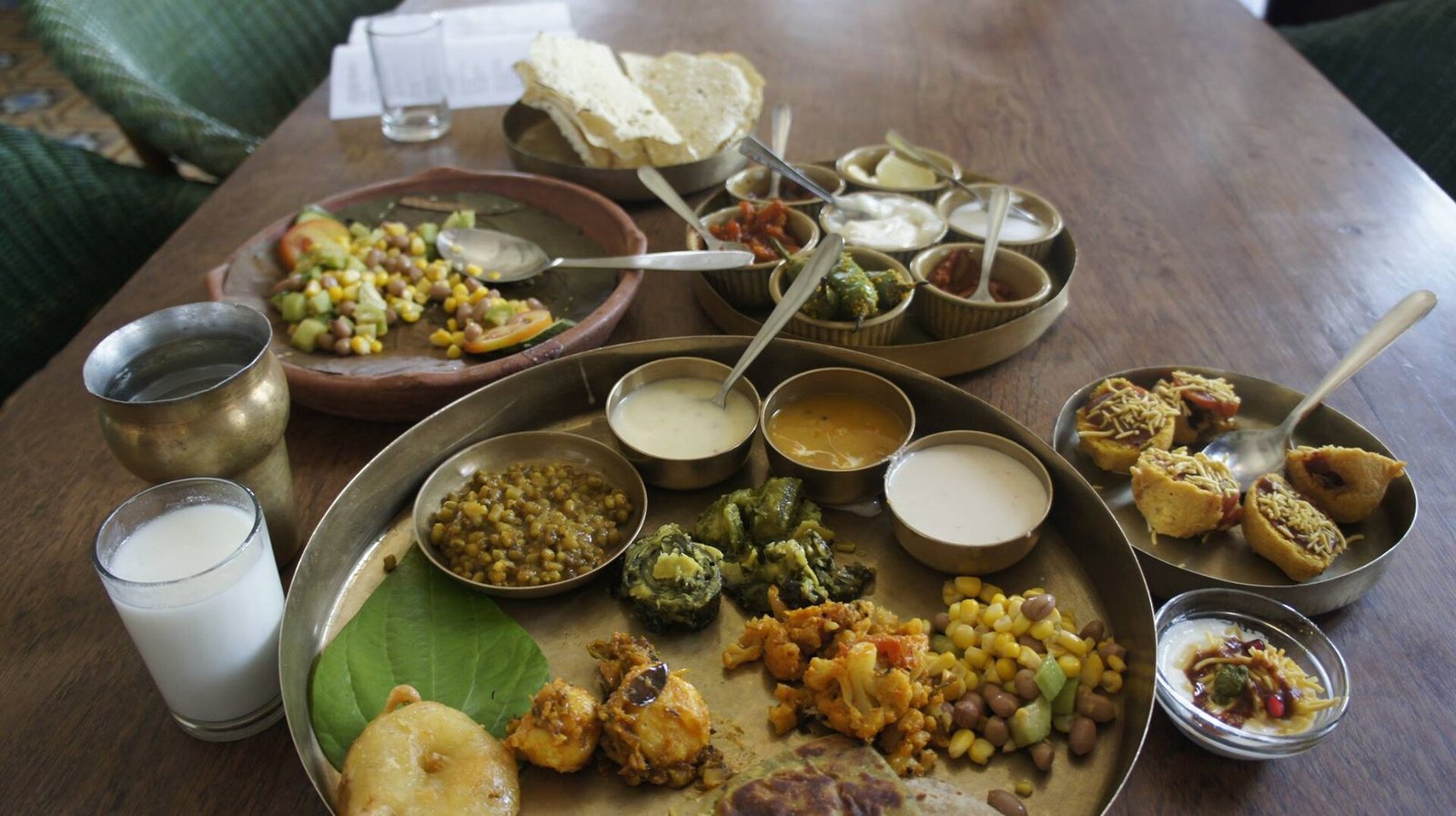
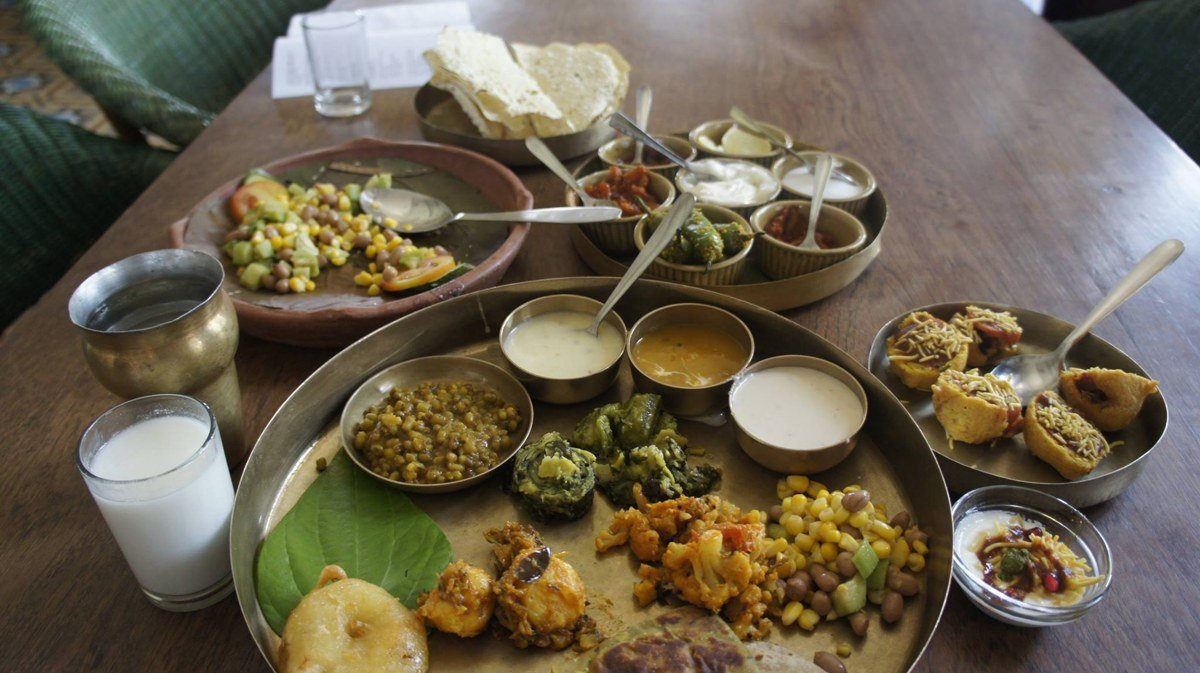
Gujarati ThaliTHALI

Gujarati Thali

A hearty spread.

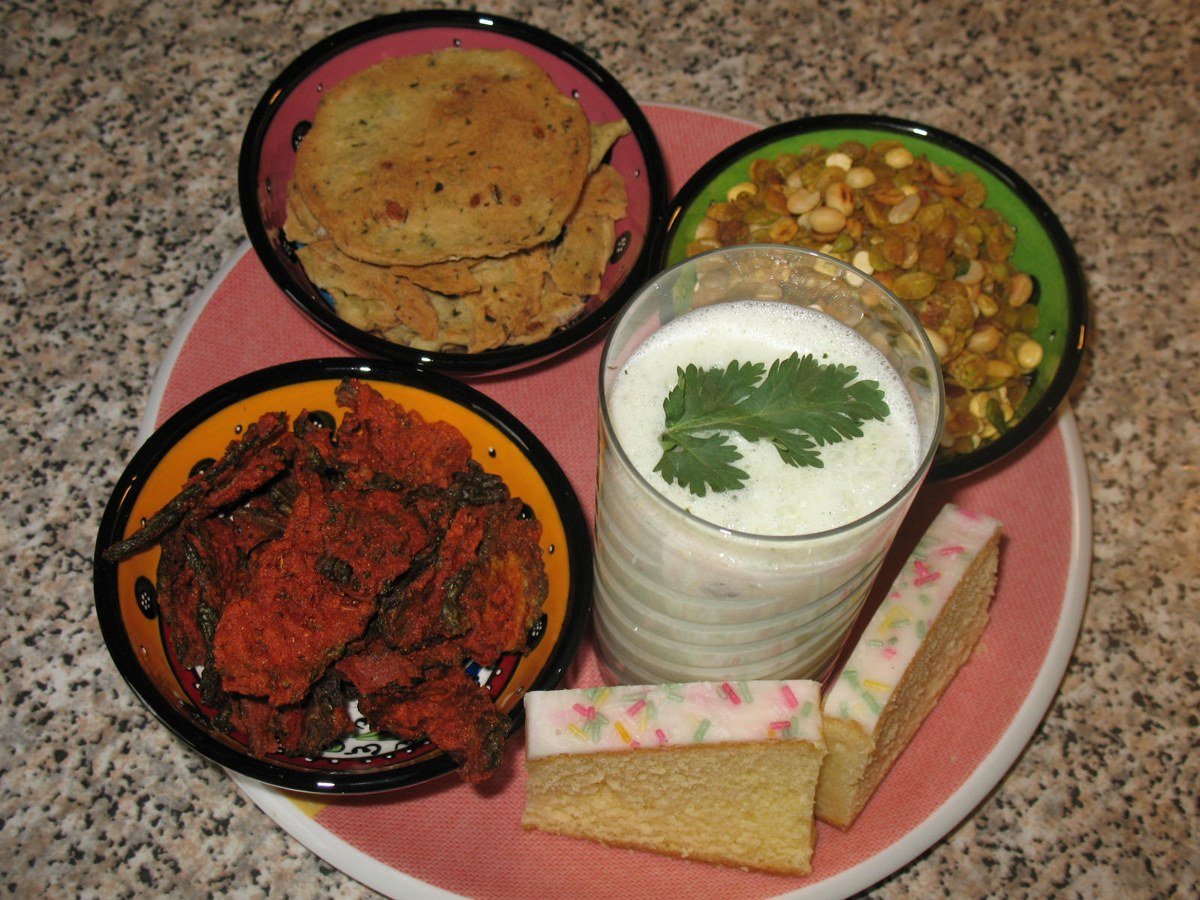
ChaasCHAAS

Chaas

Spiced buttermilk.

FREQUENTLY ASKED

Adivasi Culture FAQ

Who are the Adivasis of Narmada?

The Adivasi communities of the district's forested hills — principally Vasava and Tadvi — with long-standing traditions of dance, music, dress and craft that remain part of everyday life rather than heritage display.

What is their culture like?

Participatory and dhol-driven. Group dances form in lines and circles, build over hours, and take in anyone who joins. Folk song, distinctive woven dress and heavy silver ornament are all part of the same tradition.

Where can I experience it?

At the district's fairs and festival gatherings, which is where whole villages come together, and at the tribal museums and cultural centres in the wider region.

When is the best time?

Around the fairs and festival days, when the communal dances take place. Outside those times the culture is present but far less visible to a passing visitor.

What is Rajpipla?

Rajpipla is the former princely capital of the district and the practical gateway to its tribal hill country and the Narmada valley beyond.

How should I visit?

Respectfully. Ask before photographing people, follow local cues at gatherings, and buy craft directly from the makers. These are communities going about their lives, not an exhibit.

WHERE TO STAY

Find your stay in Gujarat

Compare live prices across the big booking sites and reserve in a few taps. Booking happens securely on the partner's site — we may earn a small commission at no extra cost to you.

📍 DestinationAnywhere in Gujarat 📅 Check-inAdd date 📅 Check-outAdd date 👥 Guests2 adults Search Hotels

Book directly on our partner sites — tap a provider to see live Gujarat hotels & prices:

Affiliate links: prices and availability are shown by our partners. You pay the same price; we may earn a commission that helps keep Gujarat Explorer free.

SHOP THE REGION

Bring home Gujarat — & travel essentials

Hand-picked crafts and trip gear, available on Amazon.

🧵
Patola Silk Scarf
View on Amazon
🪡
Kutch Embroidery
View on Amazon
🎒
Travel Backpack 40L
View on Amazon
🔔
Brass Handicraft
View on Amazon
As an Amazon Associate, Gujarat Explorer earns from qualifying purchases. Product prices and availability are accurate as of the date/time shown on Amazon and are subject to change.
🚕
Book a cab anywhere in Gujarat
Airport transfers, day trips & intercity rides — reserve a comfortable cab, or just ask us on WhatsApp.
Enquiries are passed to independent, licensed local operators. Gujarat Explorer is a facilitator, not the transport provider.
WhatsApp Enquiry

Published 24 June 2026 · Updated 3 July 2026

GE
The Gujarat Explorer Team

We’re an independent group of writers and travellers documenting every corner of Gujarat — one place, plate and festival at a time.