Jamnagar does not present itself well. Arriving from the highway you pass refineries, industrial estates and unremarkable modern sprawl, and the first impression is of a functional Gujarati working city with nothing much to detain a visitor. Then you reach the middle of it and find a lake with an island fort-palace in the centre, ringed by a walkable promenade, with an old bazaar quarter behind it that has been making brass and tying bandhani for generations.
The city was founded in the sixteenth century as Nawanagar, seat of the Jadeja rulers, and it has been variously a princely capital, a brass manufacturing centre, a bandhani town, a place of enough temples to be nicknamed the little Kashi, the home of a cricketer whose name is on India's premier domestic tournament, and now a refinery city. It is also the base for two of the best wildlife sites in Gujarat. Give it two days.
Brass, and what the city makes
Jamnagar is one of India's major brass centres, and the scale of it surprises people who arrive expecting a craft town. This is an industrial cluster rather than an artisan quarter: thousands of small and medium units producing brass parts, components, fittings, valves, electrical hardware and finished goods, supplying the domestic market and exporting substantially. Whole industrial estates on the city's edge do nothing else.
Alongside that sits the older bazaar trade in brass and metal household goods, and the two are connected — the cluster grew from a traditional base of metalworking skill, in the same way Morbi's ceramic industry grew out of local pottery. Walking the old-city bazaars gives you the retail end of it: shops stacked with vessels, lamps, temple items and hardware, with the sound of metalwork somewhere behind.
The city's other traditional craft is bandhani — tie-dye, in which cloth is pinched and bound into thousands of tiny points before dyeing, producing the dotted patterns that are among the most recognisable textiles in Gujarat and Rajasthan. Jamnagar and Kutch are the two great centres, and the work is graded by the fineness and density of the ties. The bazaars sell it at every level from cheap machine-printed imitation to genuinely fine hand-tied pieces, and knowing the difference is worth ten minutes of asking before you buy.
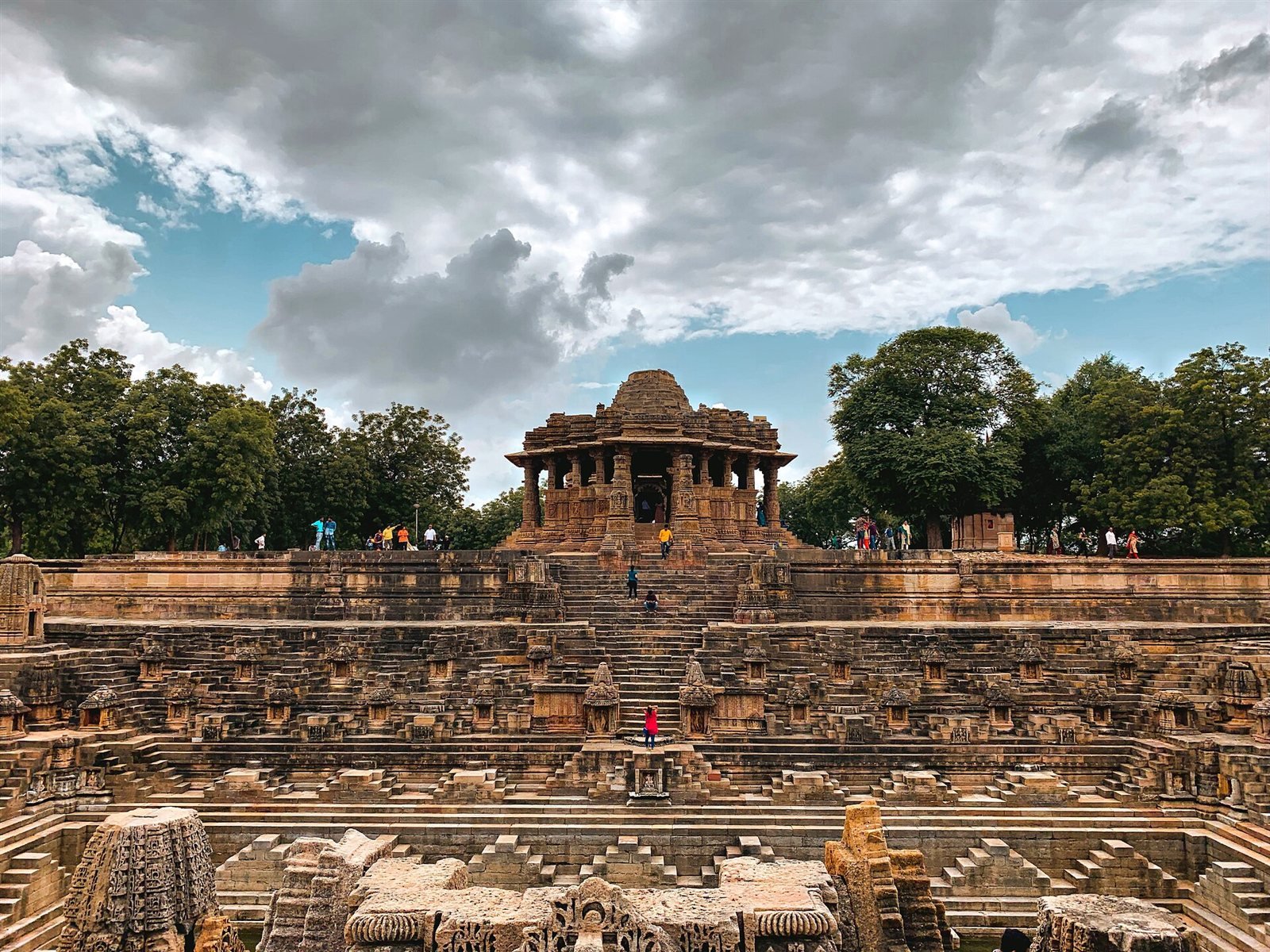
A lake with a fort-palace on an island, in the middle of a working brass town.
The lake, the chant and the cricketer
Lakhota Lake sits in the middle of the city, with the Lakhota fort-palace on an island in it, reached by a causeway and housing a museum with sculpture, coins, pottery and material from the region. The walk around the lake is the pleasantest half-hour in Jamnagar and the standard evening activity for the city's residents. Ranmal Lake adjoins it.
A chant of the Ram dhun that has been running continuously since 1964, in the same room, without a break
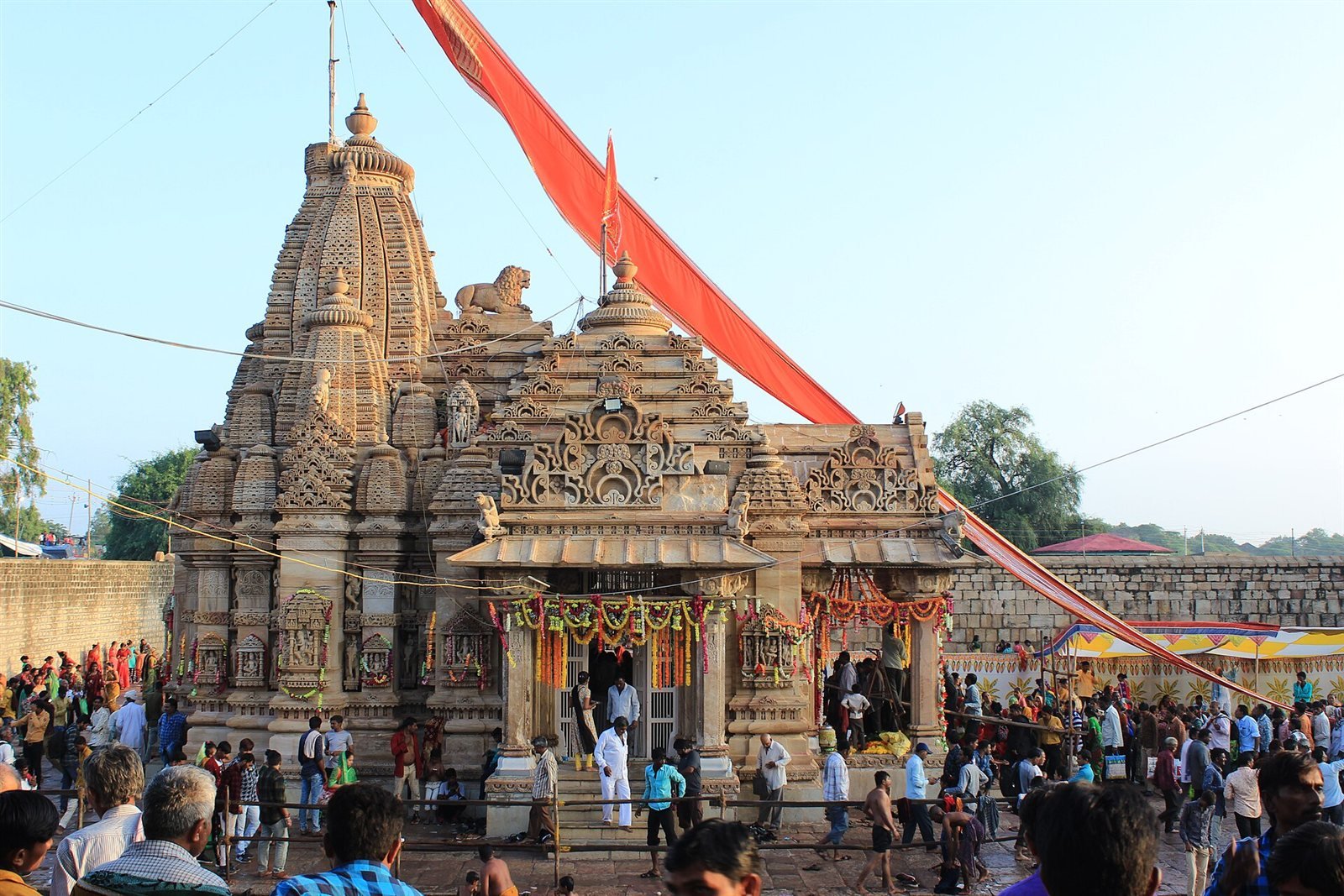
Beside Ranmal Lake is the Bala Hanuman temple, which holds a genuinely unusual distinction: a continuous chanting of the Ram dhun — Shri Ram Jai Ram Jai Jai Ram — that has been maintained without interruption since 1964, relay-fashion, day and night, and is recorded as such in record books. Standing in the doorway for five minutes listening to something that has not stopped in six decades is a strange and rather moving experience, and it costs nothing.
The third thing worth knowing is a cricketing footnote of real significance. Kumar Shri Ranjitsinhji, ruler of Nawanagar from 1907, was one of the great batsmen of the late Victorian and Edwardian era, playing for Sussex and England and transforming batting technique — the leg glance is generally credited to him. India's premier domestic first-class competition, the Ranji Trophy, is named after him, and his nephew Duleepsinhji has the Duleep Trophy. Jamnagar was their seat, and the city's cricketing associations are a live part of its identity.
Temples, and the Ayurveda connection
Jamnagar's nickname of Chhoti Kashi — little Varanasi — comes from the density of its temples, and the old city holds a considerable number, of which the Bala Hanuman temple and the Swaminarayan temple are the best known. It is not a pilgrimage destination on the scale of Dwarka or Somnath, both of which are within reach, but the temple culture is a real part of the city's texture.
The other institutional distinction is medical. Jamnagar is a significant centre for Ayurveda education and research in India, with a long-established teaching and research institution that has been central to the formal training of Ayurvedic practitioners. For anyone with an interest in traditional medicine, this is one of the places where it is taught systematically rather than practised informally, and the city's pharmacies and dispensaries reflect that.
Why to actually base here
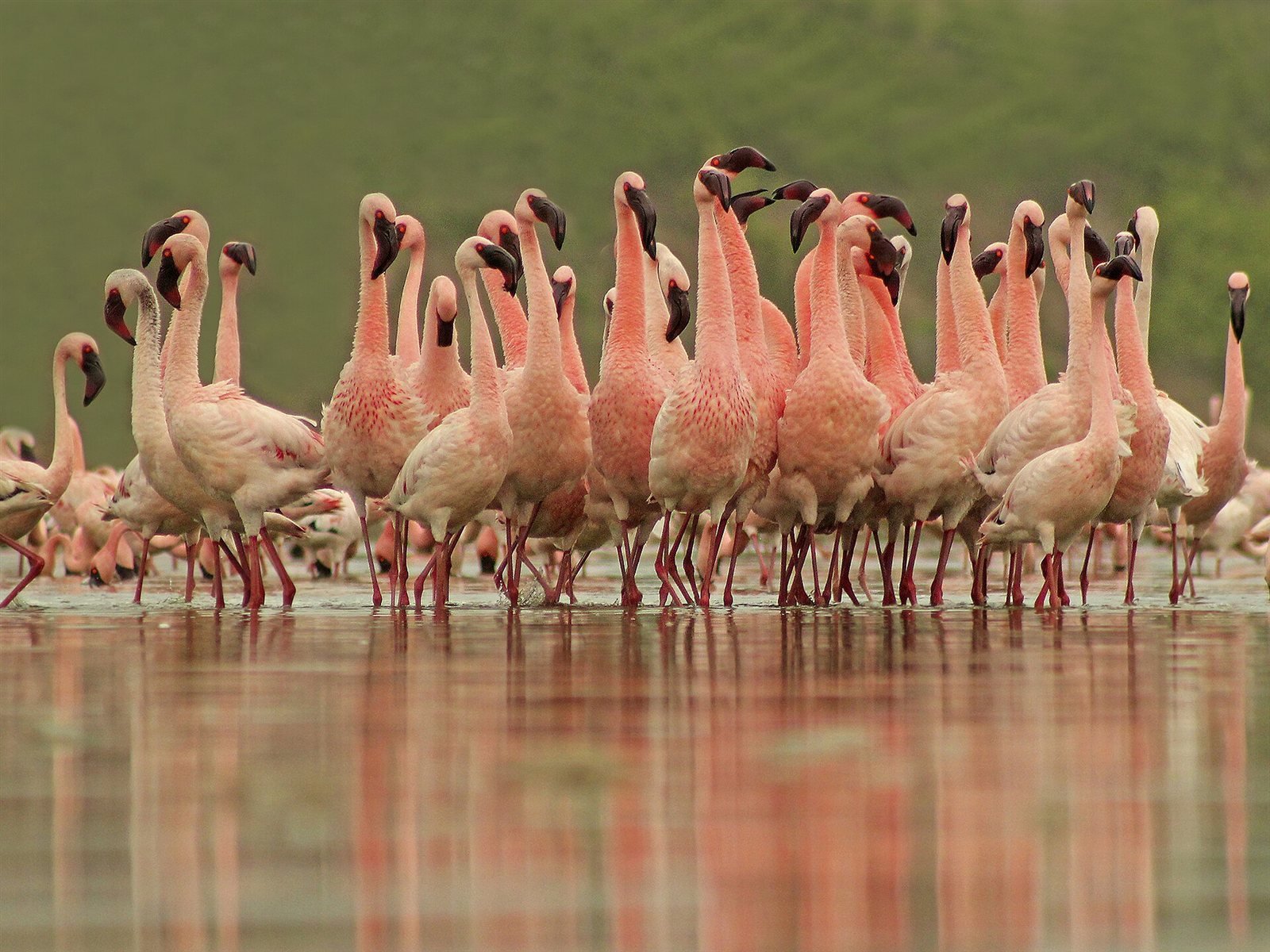
The strongest practical argument for Jamnagar is what is outside it. Khijadiya Bird Sanctuary, twelve kilometres away, is a Ramsar wetland where flood-control bunds accidentally created freshwater marsh alongside tidal creeks, producing two entirely different bird communities within a few hundred metres — Dalmatian pelican, Indian skimmer, black-necked stork and both flamingos among three hundred-odd species. It is walkable, cheap and best at first light.
Sixty kilometres west at Narara is Marine National Park, India's first, where the Gulf of Kachchh's enormous tidal range lets you walk out onto an exposed coral reef and find octopus, anemones, brittle stars and living coral on foot. It is entirely tide-dependent, which means the trip must be planned around the tables and confirmed with the forest office. Two or three nights in Jamnagar, with an airport and a main-line station on your doorstep, gets you both of those plus the city.
The refineries, and the other Jamnagar
It would be incomplete to write about Jamnagar without the industry that now dominates its economy. The coast west of the city holds two of the largest oil refining complexes in the world, built from the 1990s onwards, along with associated petrochemical and port infrastructure. They transformed the district: employment, migration, housing, air connections and the general prosperity of the city are all downstream of them.
That sits in obvious tension with the two things a visitor comes for. Marine National Park and Khijadiya are on the same stretch of coast, protecting coral reefs, mangroves and wetlands within sight of enormous industrial installations, and the arguments about pollution, dredging, mangrove loss and coastal development are continuous. Nothing here is straightforward. Part of what makes the reef walk at Narara so striking is precisely the knowledge of what surrounds it, and that context is worth carrying with you rather than editing out of the photographs.
If you go
- Walk around Lakhota Lake in the evening and do the island museum; it is the pleasantest half-hour in the city.
- Stand in the doorway at Bala Hanuman for a few minutes — the chant has run continuously since 1964.
- Learn to tell hand-tied bandhani from printed imitation before buying in the bazaars; ask, and compare.
- Book two or three nights and plan a first-light morning at Khijadiya and a tide-dependent reef walk at Narara.
- Come November to February, when the weather is comfortable and the winter birdlife is in.
Jamnagar is the most under-appreciated city in Gujarat. A lake with an island palace in the middle of it, a chant that has not stopped since 1964, brass workshops and bandhani bazaars, and the seat of the man the Ranji Trophy is named after — and then, within an hour, a Ramsar wetland at first light and a coral reef you can walk out onto at low tide. Give it two or three nights and plan the reef around the tide table.