Home › Chhota Udaipur Festivals › Pithora Painting
RATHWA ART · RITUAL · TRIBALSacred horses on the wall — Pithora is the ritual wall-painting of the Rathwa tribe of Chhota Udaipur, a vivid, holy art of galloping horses and gods made as a vow and a blessing for the home.
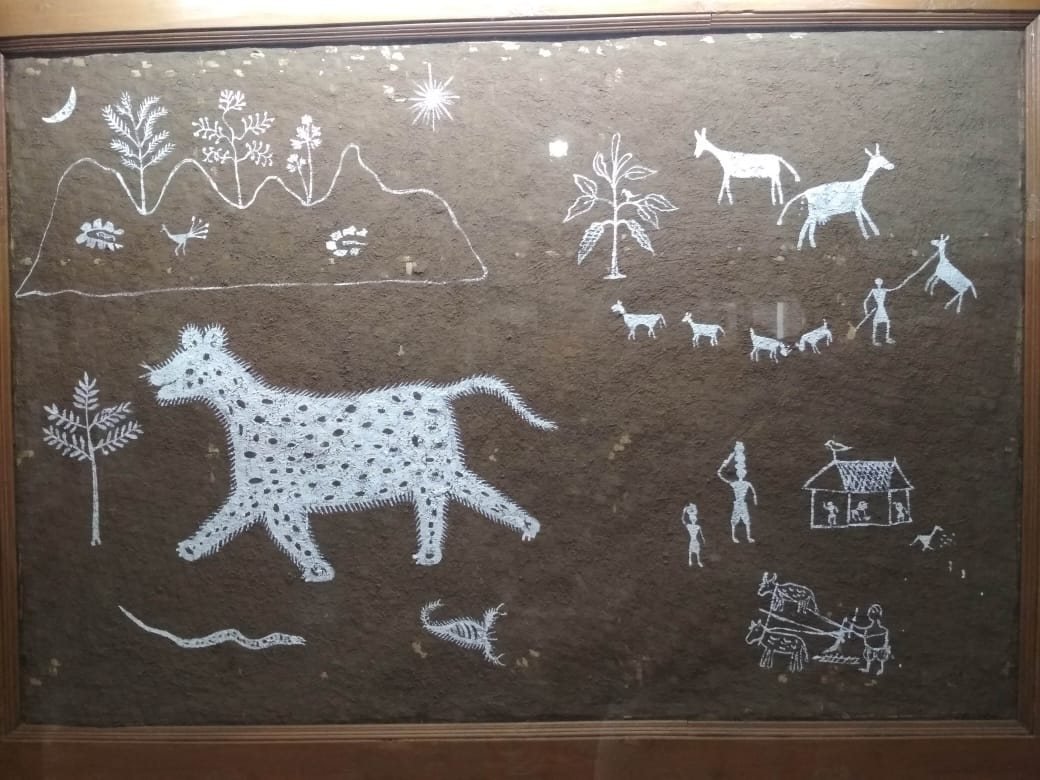
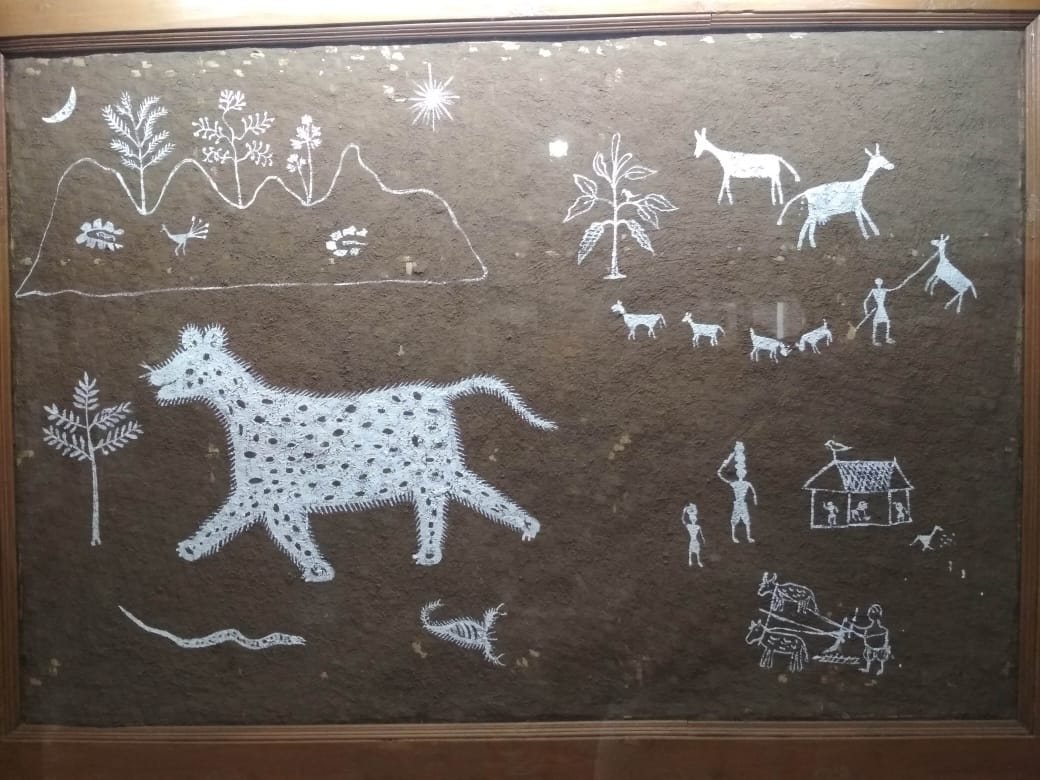
Pithora is one of India’s most striking tribal art forms — the ritual wall-painting of the Rathwa (and Bhil) communities of Chhota Udaipur, made not as decoration but as a sacred act of devotion and thanksgiving. When a family makes a vow or seeks a blessing — for a good harvest, a cure, the fulfilment of a wish — they commission a Pithora on the front wall of their home. A ritual specialist (the badva or priest) and skilled painters (lakharas) create, over a day and night of ritual, a vivid mural dense with galloping horses, the deity Babo Pithoro (Pithora Dev), the sun and moon, and scenes of tribal life — all in bright natural and now poster colours. The completed Pithora is consecrated with offerings, making the home blessed. The art is at once deeply religious and gloriously expressive, and it has gained recognition far beyond the tribal heartland, even as it remains a living ritual practice in the villages of Chhota Udaipur. The nearby Adivasi Academy at Tejgadh has helped document and celebrate it. For the visitor, Pithora offers a window into the sacred art and worldview of the Rathwa — best experienced respectfully in the villages or at cultural centres. (The ritual wall-art of the Rathwa tribe; a living sacred practice; experience respectfully in villages and centres.)
The painting is commissioned rather than bought: a household in need makes a vow, the badva priest names the terms, and the lakhara painters come to fill the front wall with horses, sun, moon and the gods of the Rathwa world over days of ritual. Visitors meet the art in the villages around Tejgadh and Kawant, where the Adivasi Academy helps arrange respectful visits.
Pithora painting, Chhota Udaipur. Source: Wikimedia Commons.
Pithora. Wikimedia Commons.
The painters of Pithora.
The presiding deity.
Painted for blessing.
A celebrated living art.
Galloping & sacred.
The deity honoured.
Dense, bright murals.
A blessed wall.
The painters.
Devotion in art.
THE ARTSacred horses.
THE PEOPLETribal culture.
Sacred wall art.
A painted vow.
The painters.
The Adivasi Academy.
A holy art.
Living tradition.
Pithora. Wikimedia Commons.
Pithora is the ritual wall-painting of the Rathwa tribe of Chhota Udaipur — made as a sacred vow, not decoration. A priest (badva) and painters (lakharas) create, over a day and night of ritual, a vivid mural of galloping horses, the deity Babo Pithoro, sun and moon, and tribal life, then consecrate it to bless the home. A living sacred art now celebrated far beyond the tribal heartland. (The ritual wall-art of the Rathwa tribe; a living sacred practice; experience respectfully in villages and centres.)
Planning more of the area? Our Chhota Udaipur guide covers the whole district.
Ritual wall-painting of the Rathwa tribe
Sacred horses and the deity Babo Pithoro
Made as a vow and blessing for the home
A living tribal art of Chhota Udaipur
Cool and clear — ideal.
Fairs & haats.
Hot; go early.
⏰ A living village art year-round; the Adivasi Academy at Tejgadh helps document it.
Vadodara (~105 km).
Chhota Udaipur station.
From Vadodara via NH.
FAIR
Kawant Holi
The most spectacular tribal Holi — at Kawant, the days after Holi explode into a riot of colour, costume and the swirling Gher dance, as Rathwa and Bhil villagers gather for one of Gujarat’s great tribal fairs. Explore →
DANCE
Tribal Dances
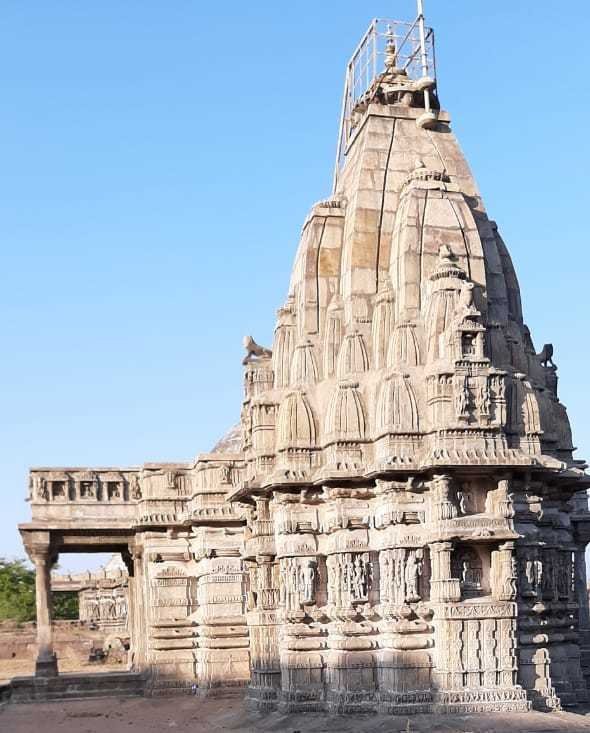
The rhythm of the Adivasi heartland — the tribal dances of Chhota Udaipur, performed to drums and folk pipes at fairs and festivals, are the joyous, communal heartbeat of Rathwa and Bhil culture. Explore →
MARKET
Weekly Haats
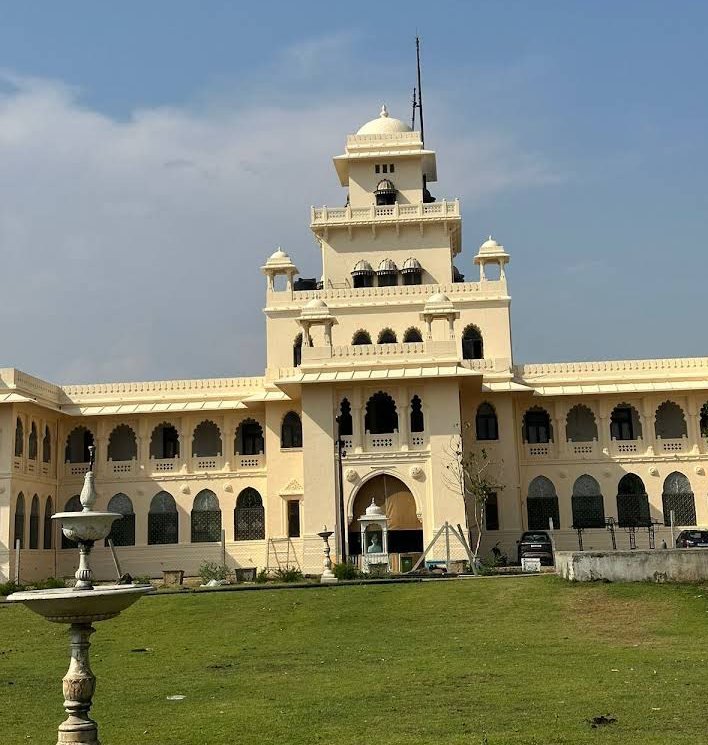
Where the tribal week turns — the weekly haats of Chhota Udaipur gather Adivasi villagers to trade, meet and celebrate, vibrant rural markets that are the social hub of tribal life. Explore →
HERITAGE
Adivasi Museum
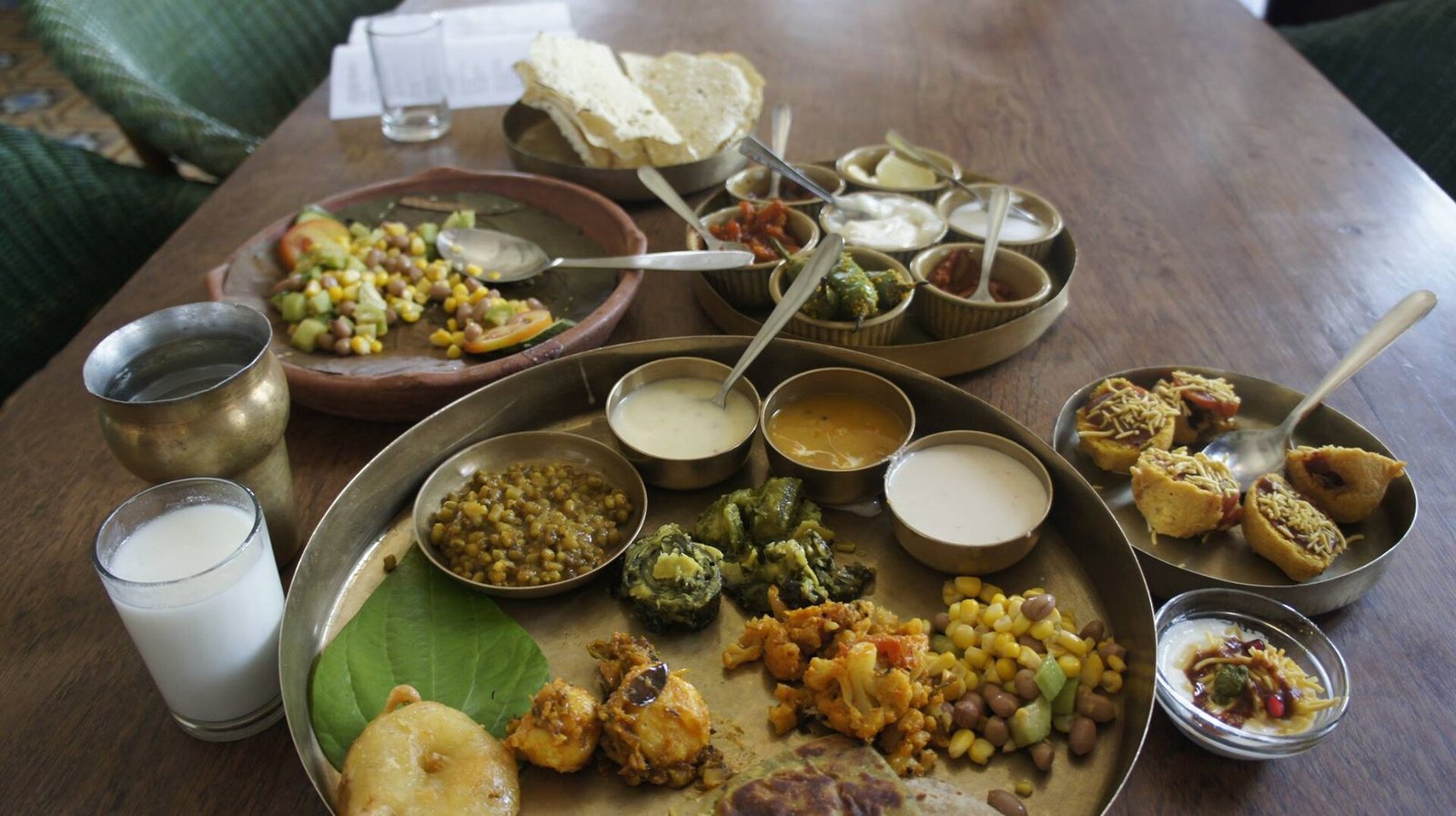
The story of a people, kept — the Adivasi museum and academy near Chhota Udaipur preserve and celebrate the art, language and life of Gujarat’s tribal communities, a centre of living heritage. Explore →
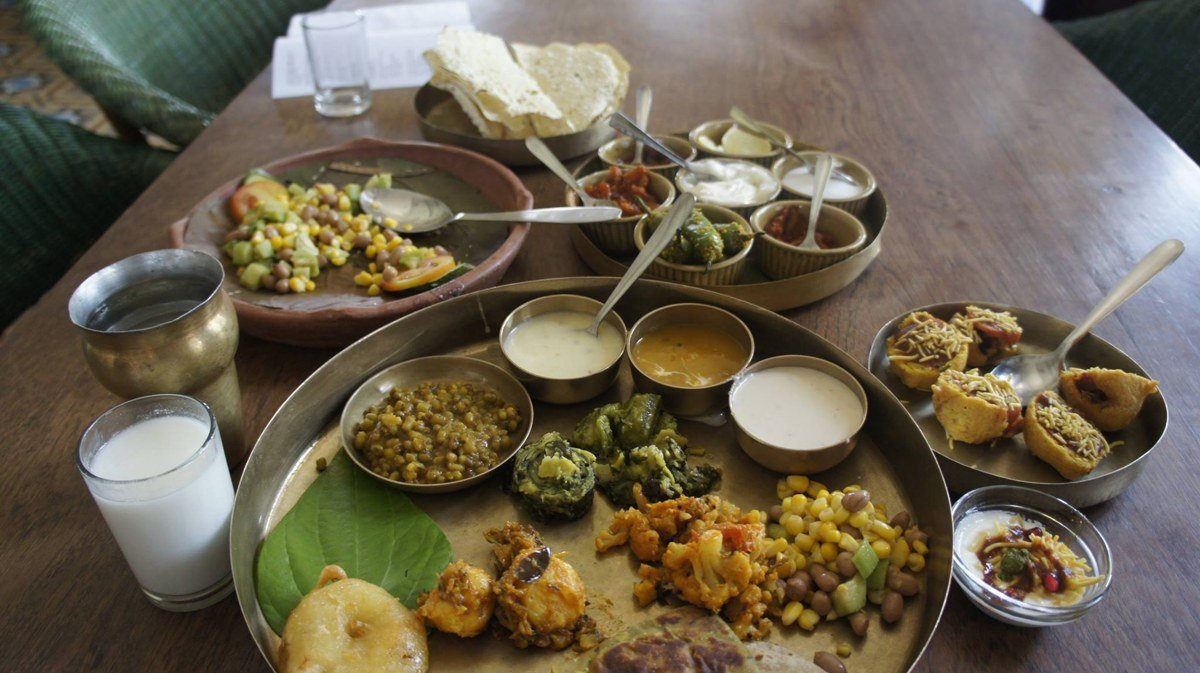
TRIBALMaize, rice & forest produce.
MAIZEMaize flatbread.
THALIComfort cooking.
FORESTA forest-flower delicacy.
The ritual wall-painting of the Rathwa tribe of Chhota Udaipur.
No — it is a sacred painting made as a vow and blessing.
Galloping horses, the deity Babo Pithoro, sun, moon and tribal life.
A priest (badva) and skilled painters (lakharas).
In Rathwa villages and at the Adivasi Academy, Tejgadh.
Respectfully — it is a holy art.
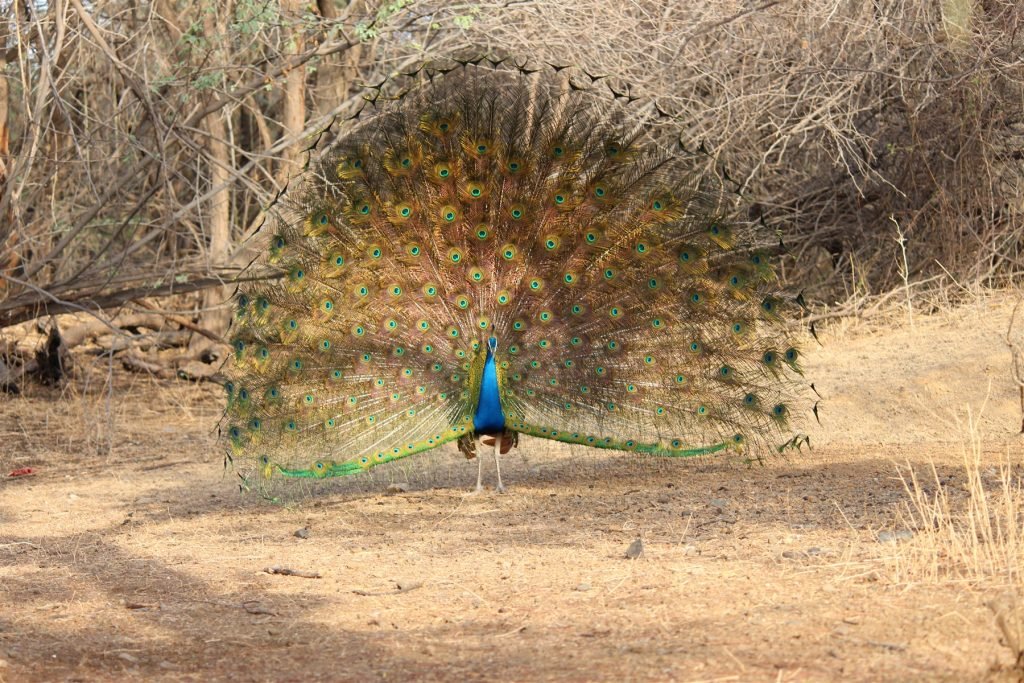
WETLANDBirdlife along the river and city lakes
◐ Morning · birdlife

A vivid sampraday shrine on Tithal beach
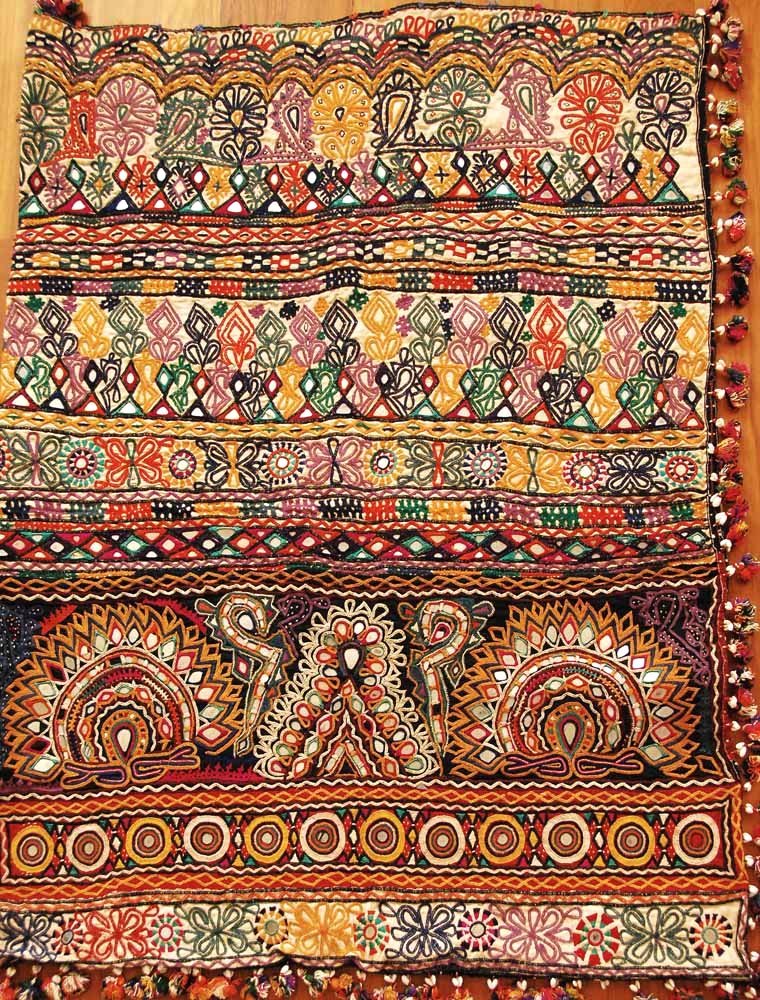
5Watch tiles and clay-ware take shape by hand
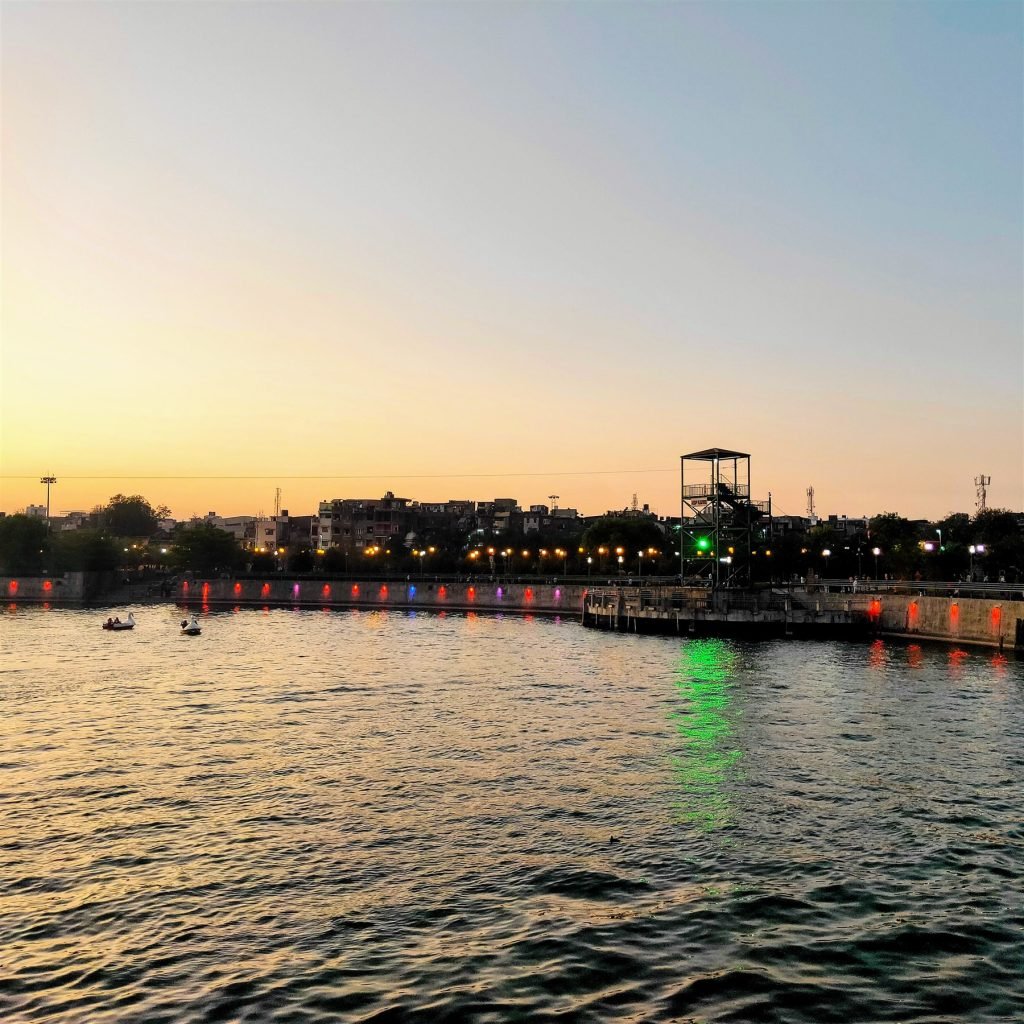
LAKEA restored medieval lake & lakefront plaza

The Champaner ruins mark the site of a once-thriving medieval city that served as a regional…
WHERE TO STAY
Compare live prices across the big booking sites and reserve in a few taps. Booking happens securely on the partner's site — we may earn a small commission at no extra cost to you.
Book directly on our partner sites — tap a provider to see live Gujarat hotels & prices:
SHOP THE REGION
Hand-picked crafts and trip gear, available on Amazon.
Published 24 June 2026 · Updated 3 July 2026
We’re an independent group of writers and travellers documenting every corner of Gujarat — one place, plate and festival at a time.
Search Gujarat Explorer
Find places, food, festivals and travel guides across Gujarat
Press Enter to search — or Esc to close
Plan Your Trip
Gujarat Explorer is an independent travel guide. We’re happy to help you shape an itinerary and point you to the right places, stays and experiences across Gujarat.
Book a Cab