Home › Kheda › Charotar Villages
HERITAGE VILLAGES · DIASPORA · CRAFTThe prosperous heartland of central Gujarat — the villages of the Charotar, with their carved havelis, diaspora-funded civic buildings and deep agricultural roots, offer a window into one of India's most distinctive and successful rural societies.
The Charotar — the fertile, prosperous region spanning Kheda and neighbouring Anand districts — is one of the most distinctive rural societies in India, and its villages are a rewarding window into a remarkable story of agricultural wealth, global emigration and cultural rootedness. The name Charotar refers to the rich agricultural tract whose fertile soil and enterprising people — predominantly the Patidar (Patel) community — built great prosperity through farming, dairy (this is the heartland of the Amul cooperative movement), and trade.
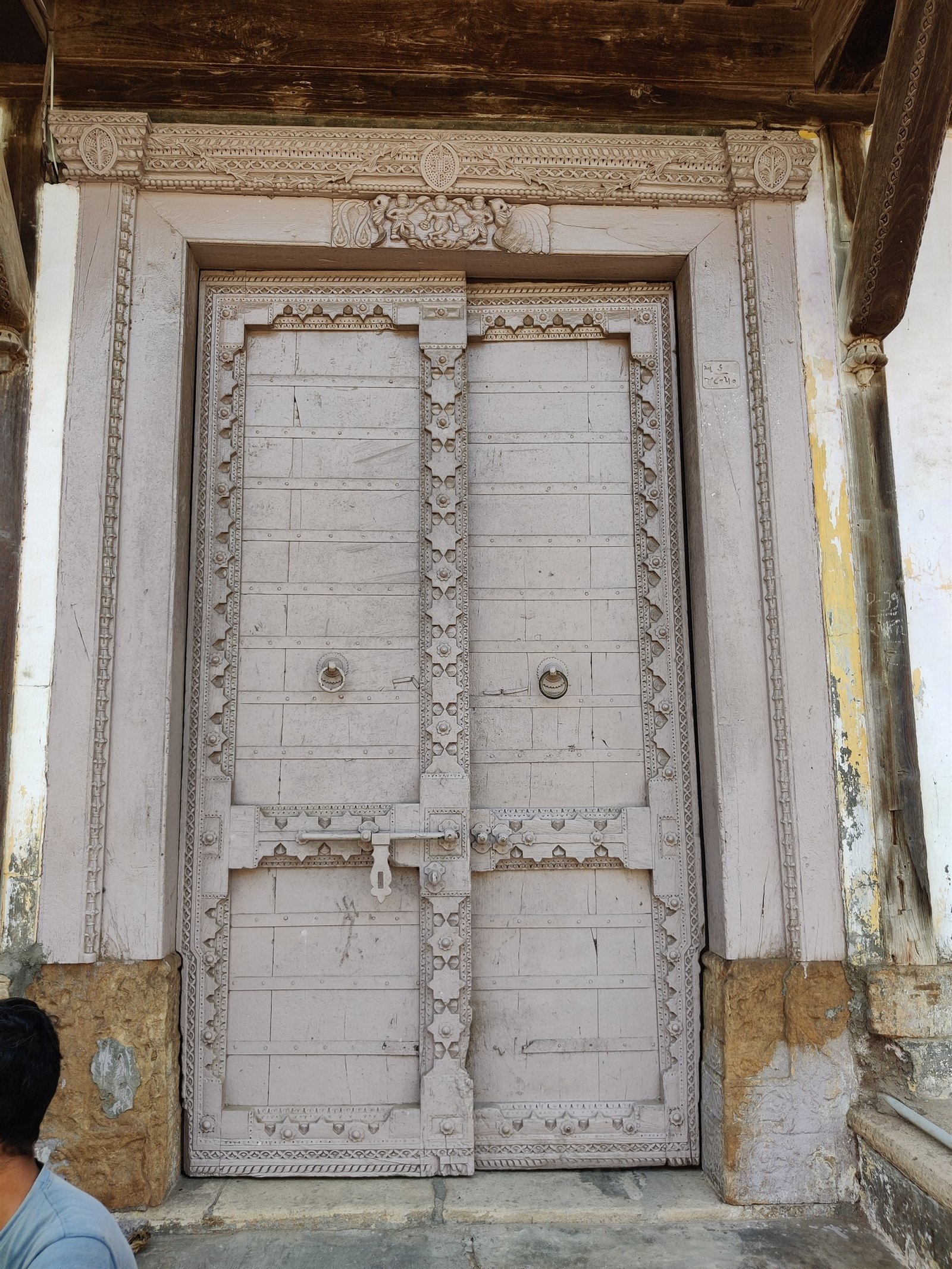
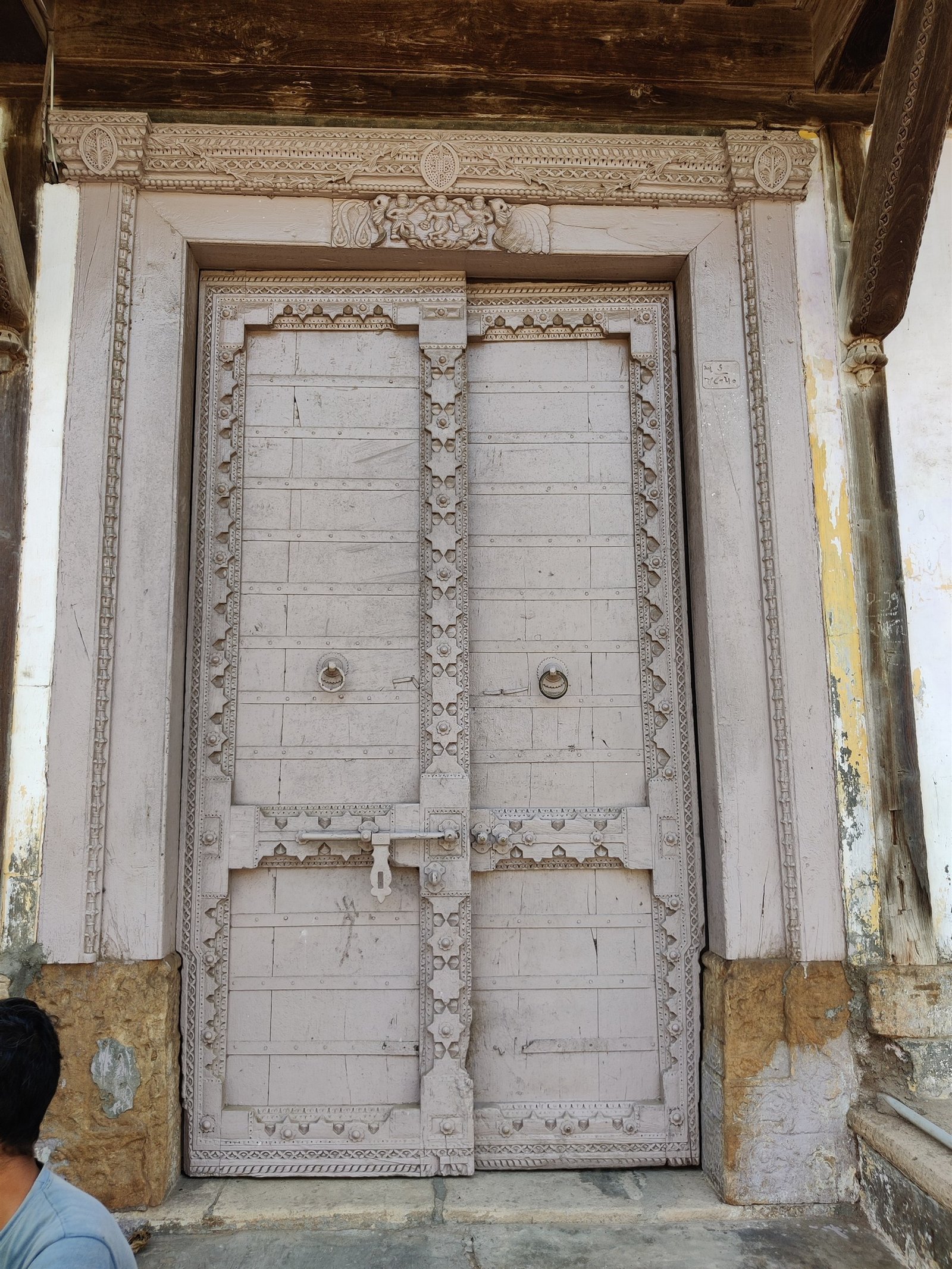
From the late 19th century, large numbers of Charotar families emigrated — to East Africa, then the United Kingdom, the United States and beyond — and achieved extraordinary success while maintaining deep ties to their ancestral villages. This history is written in the villages themselves: grand carved havelis built by prosperous families, civic buildings, schools, hospitals and temples funded by the diaspora, and the general air of well-being and investment that distinguishes the Charotar villages from much of rural India.
Villages like Dharmaj, Vaso, Karamsad and Sojitra are celebrated examples. For the visitor, a journey through the Charotar villages — their havelis, their civic life, their dairy economy and their diaspora story — is one of the most distinctive cultural experiences in Gujarat. (Prosperous heritage villages; view havelis respectfully; best explored unhurried in the cooler months.)
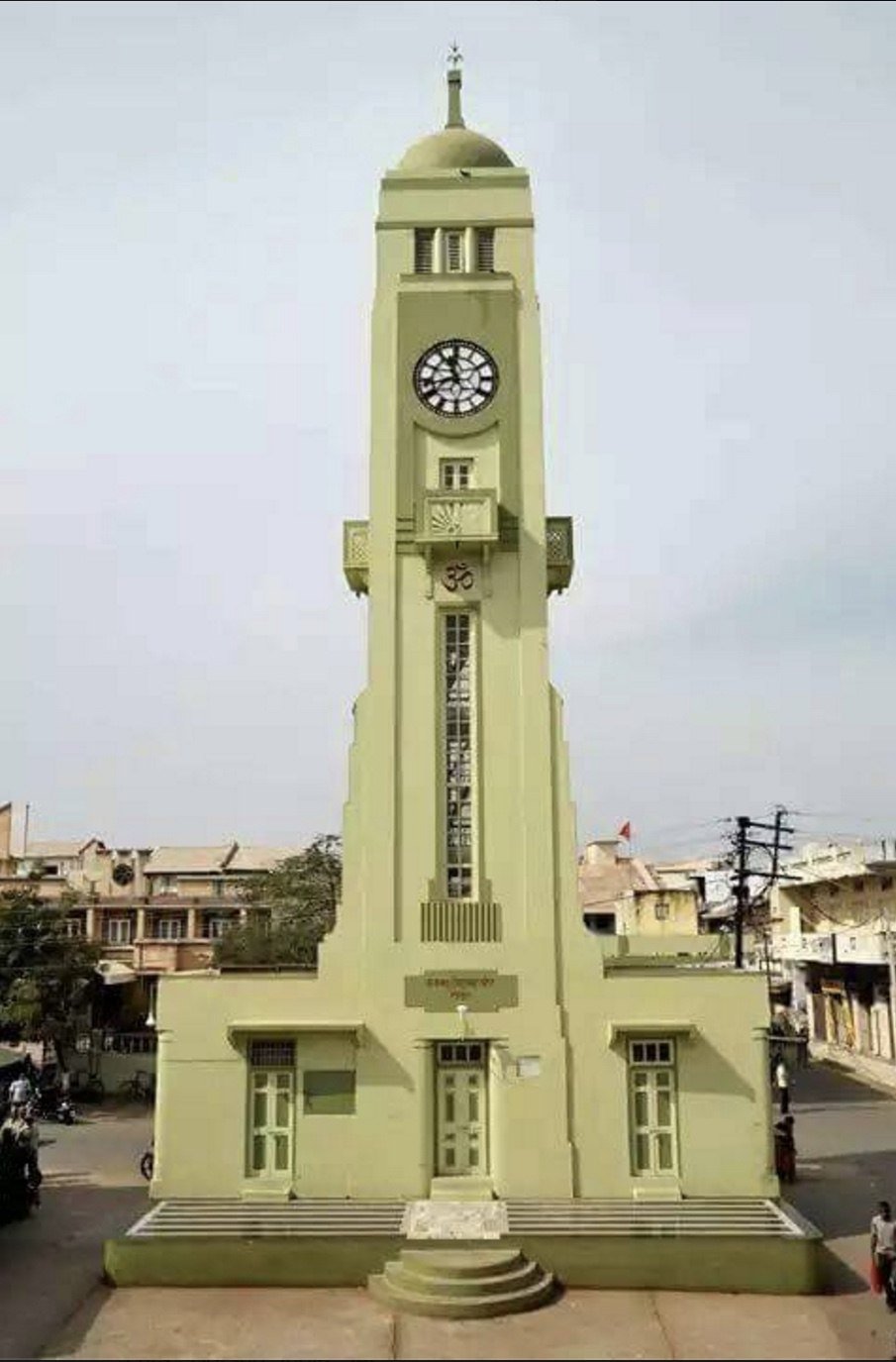
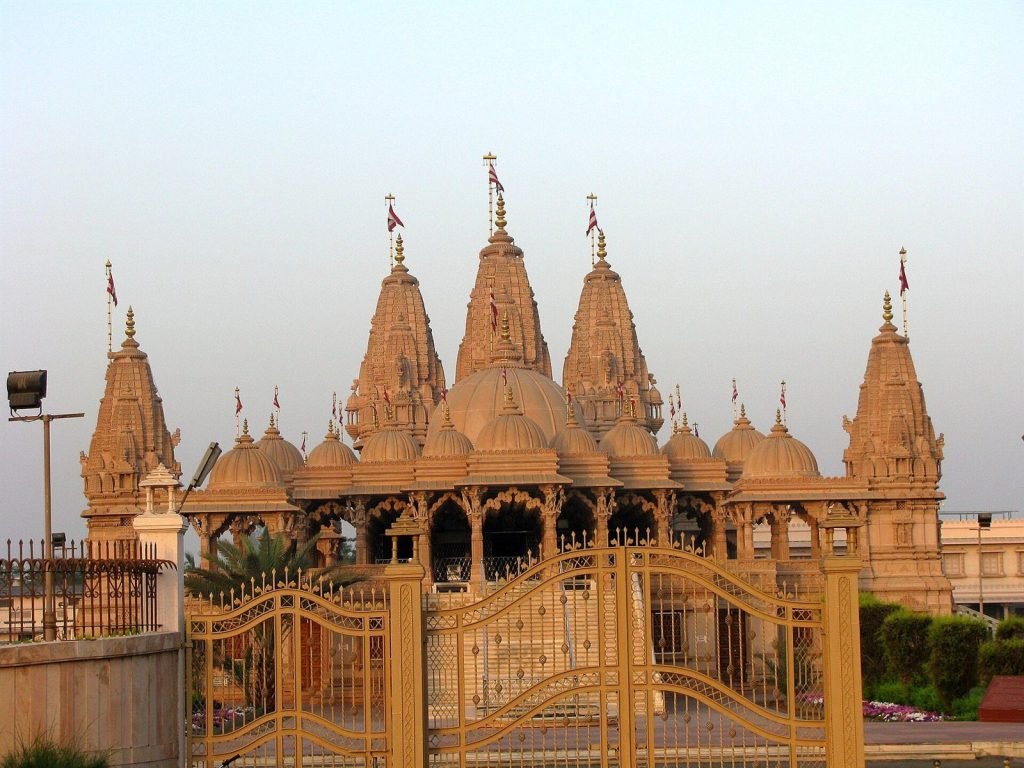
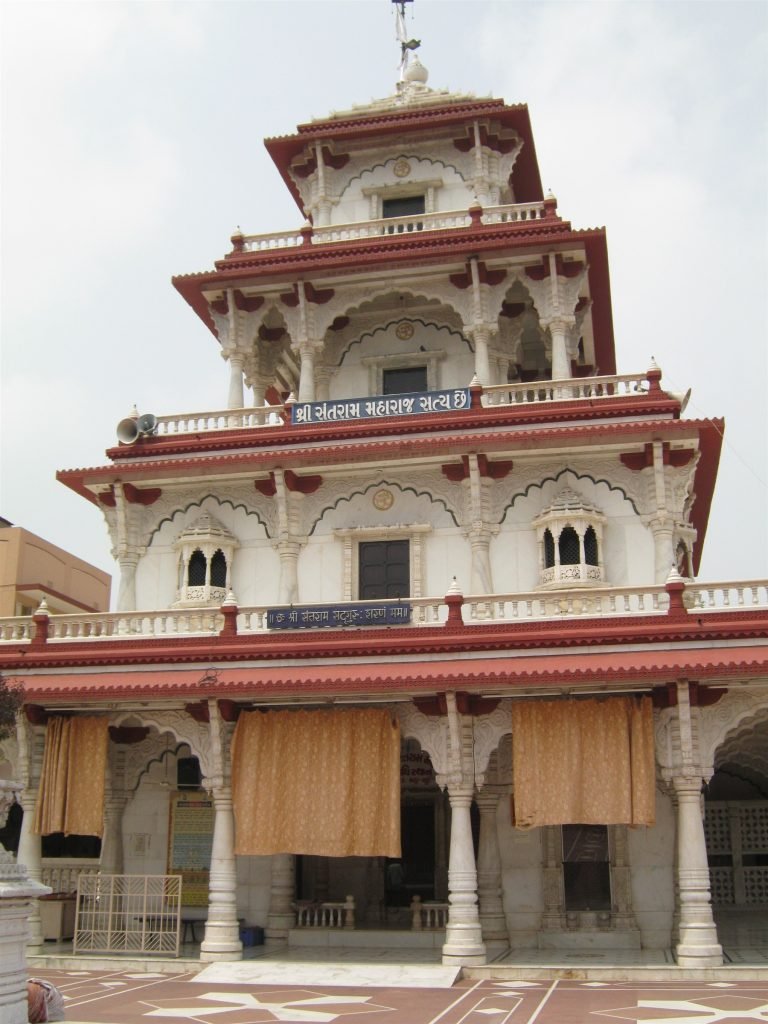
Charotar haveli village. Source: Wikimedia Commons.
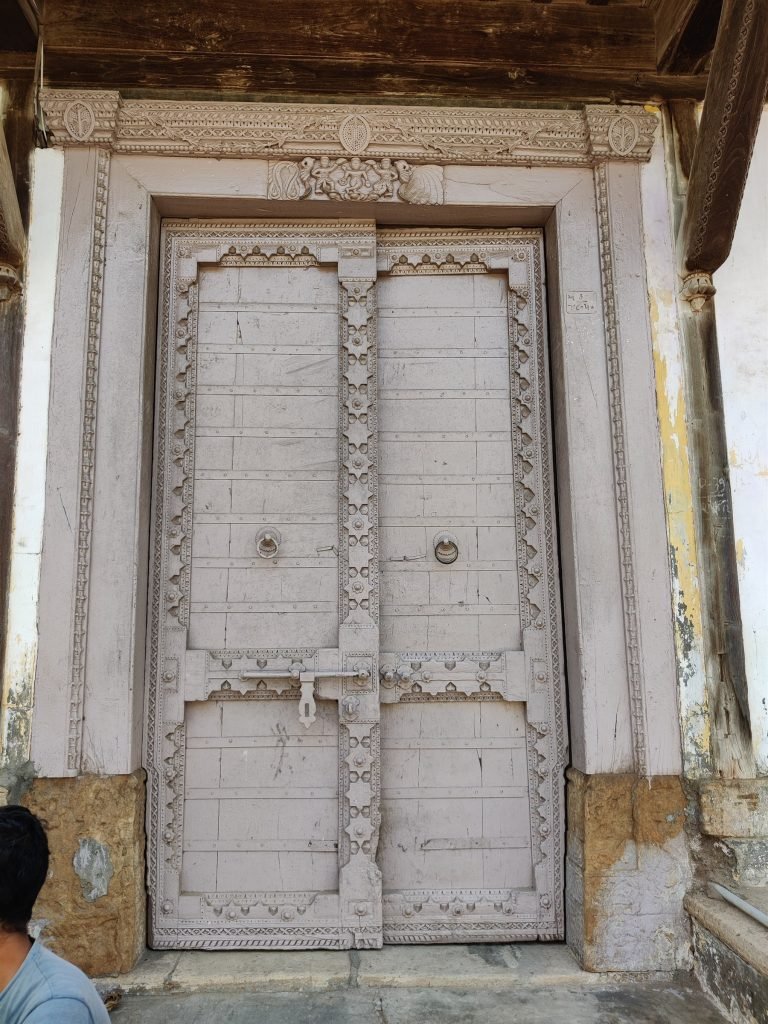
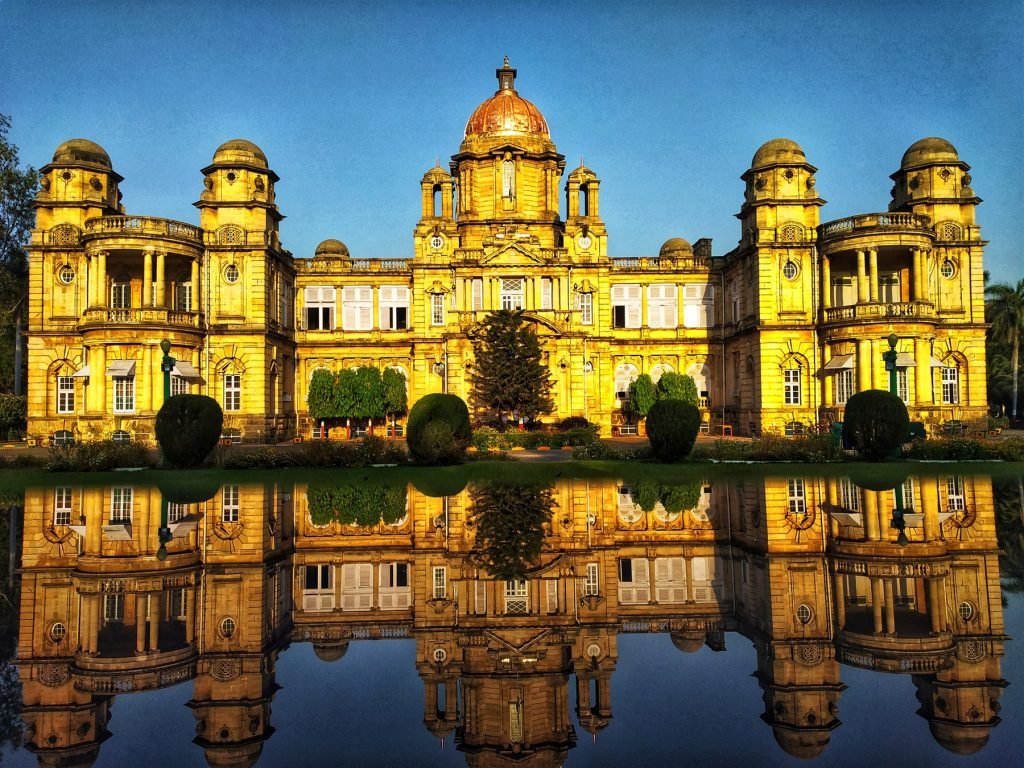
Charotar village haveli. Wikimedia Commons.
The rich Charotar soil.
Farming, dairy, trade.
Emigration and success.
Prosperous heritage villages.
Global success.
Carved village mansions.
Amul heartland.
Diaspora investment.
Fertile prosperity.
A unique society.
Village mansions.
Diaspora prosperity.
The cooperative movement's home.
Rich soil, deep roots.
Success carried home.
Celebrated examples.
Dharmaj, Vaso and more.
Diaspora-funded.
The Amul heartland.
Global Charotar.
A distinctive society.
Village by village.
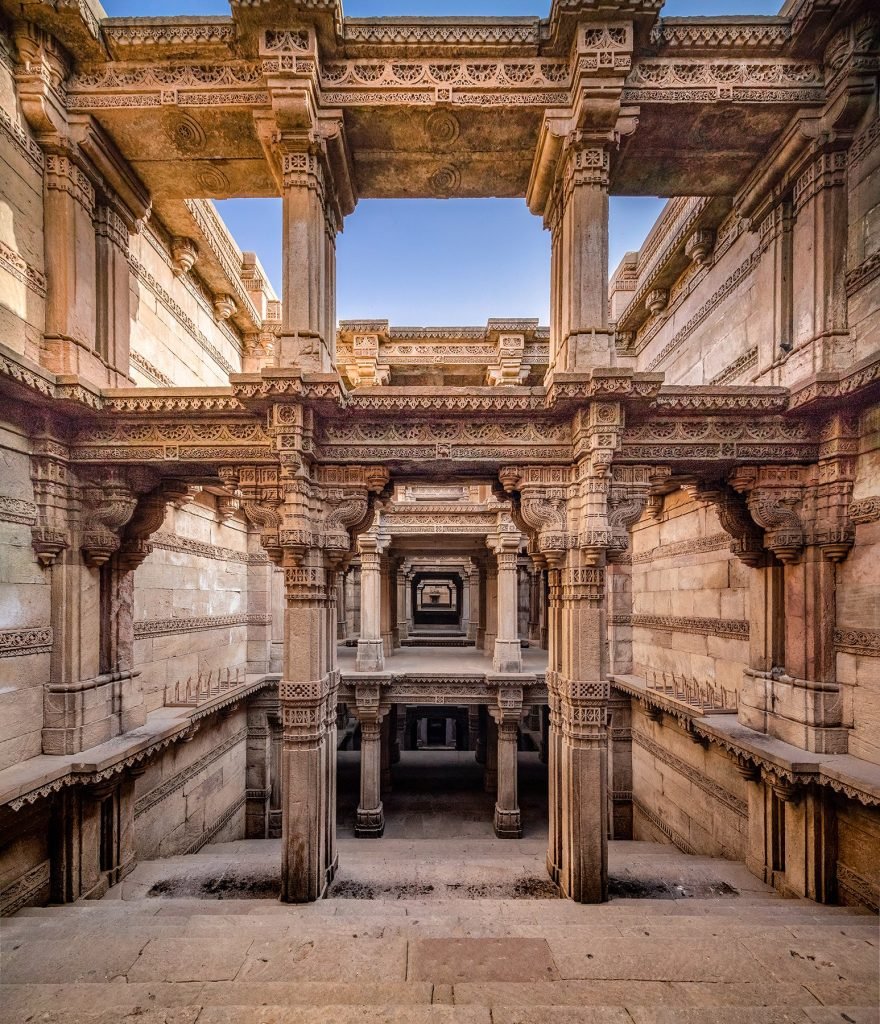
Charotar village haveli. Wikimedia Commons.
The Charotar villages reflect a remarkable history — agricultural and dairy prosperity (this is the Amul heartland), the global emigration and success of the Patidar diaspora, and the investment of that success back into the ancestral villages.
The result is written in carved havelis, civic buildings, schools, hospitals and temples, and the general air of well-being that distinguishes villages like Dharmaj, Vaso, Karamsad and Sojitra. (Prosperous heritage villages; view havelis respectfully; best explored unhurried in the cooler months.)
The fertile, prosperous Charotar heartland
Carved havelis and diaspora-funded civic buildings
The heartland of the Amul dairy cooperative movement
A globally connected, deeply rooted Patidar society
Cool and pleasant — ideal.
Green countryside.
Hot; early morning best.
⏰ Winter is the most comfortable season across Kheda district.
Ahmedabad airport (~55 km).
Nadiad / Anand junction.
NH-48 Ahmedabad–Vadodara.
HERITAGE-RICH
Come in the cooler morning hours when the village lanes are quiet and the light is soft on carved facades.
The carved havelis, diaspora-funded civic buildings, temples and the well-kept prosperity of the streets.
These are living villages — ask before photographing people or private homes, and keep a low profile.
A standard lens suits the haveli facades; go wider for the broad civic buildings and village squares.
Exquisitely carved wooden mansions
Ancient ornamental gateways of a faded town
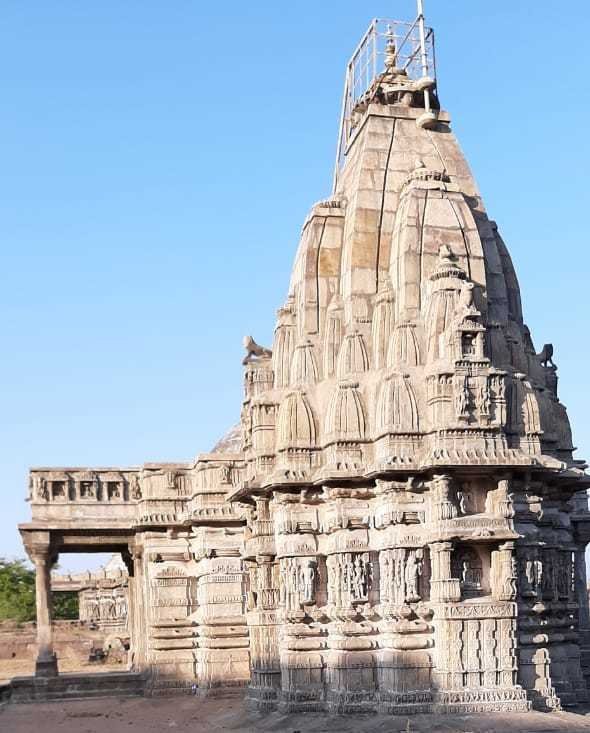
Old temples by the helical step-well
Old tombs near Mahemdavad
Site of Gandhi's 1918 farmer revolt
Charotar comfort food.
Festive milk sweet.
Soft and savoury.
The Charotar is dairy country — expect superb milk, doodhpak and rich Gujarati sweets.
The fertile, prosperous region of Kheda and Anand districts.
Its agricultural wealth, dairy economy and global diaspora.
Carved havelis, civic buildings and prosperous heritage villages.
Dharmaj, Vaso, Karamsad, Sojitra and others.
It is the heartland of the Amul cooperative movement.
The cooler months, exploring unhurried.
12th-century shrine to Krishna's queen
Akshardham & the capital
Carved Digambar shrines along the climb
Climb to the old fort for sweeping valley views
Dense moist jungle sheltering deer & leopard
◐ Ancient ruins
WHERE TO STAY
Compare live prices across the big booking sites and reserve in a few taps. Booking happens securely on the partner's site — we may earn a small commission at no extra cost to you.
SHOP THE REGION
Hand-picked crafts and trip gear, available on Amazon.