Home › Kheda › Vadtal Swaminarayan Temple
SWAMINARAYAN · LOTUS PLAN · PILGRIMAGEOne of the great Swaminarayan temples — the Vadtal mandir, built in the lifetime of Bhagwan Swaminarayan and laid out on a lotus plan, is among the most important and historic centres of the Swaminarayan tradition in Gujarat.
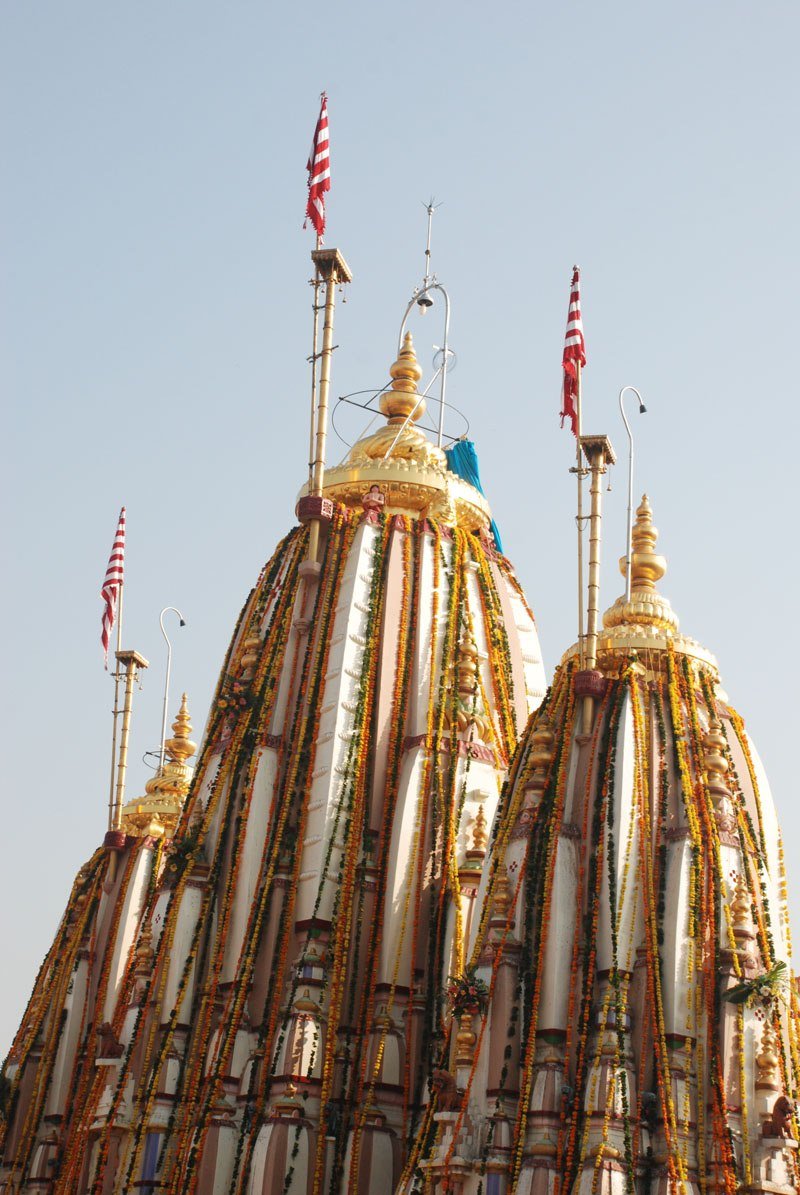
The Swaminarayan temple at Vadtal is one of the most important and historic centres of the Swaminarayan tradition — a great temple built in the early 19th century during the lifetime of Bhagwan Swaminarayan himself, and one of the two principal seats (gadis) into which he organised the movement.
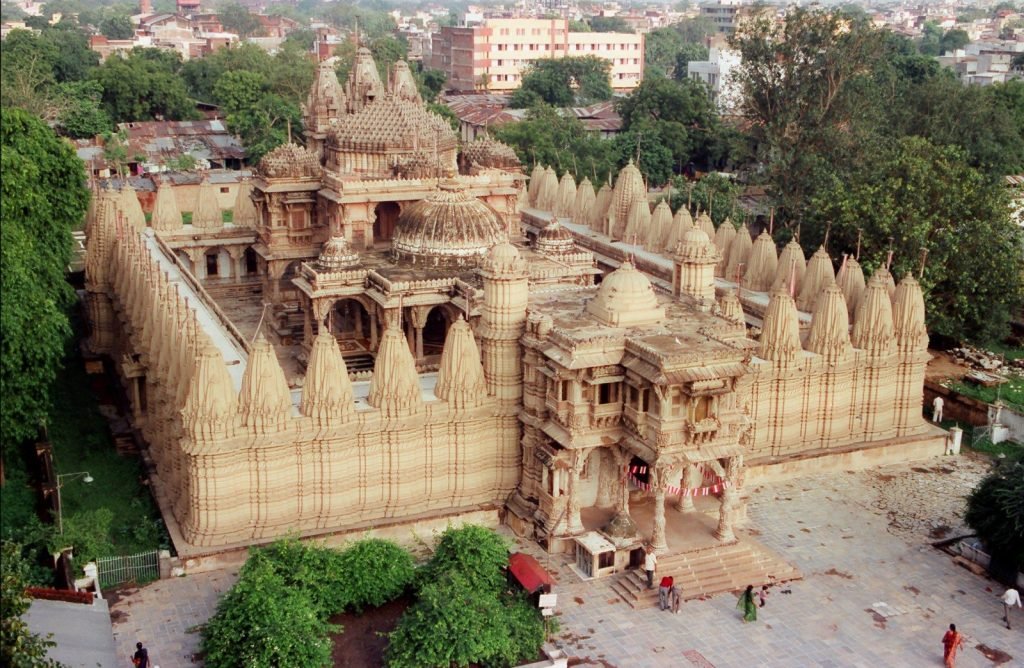
The temple is notable for its distinctive plan: it is laid out in the form of a lotus, with the shrines arranged around a central axis, an unusual and symbolically rich design among Gujarati temples. The richly decorated shrines house the sacred images installed by the tradition, and the temple is a centre of worship, festival and the religious life of the Swaminarayan community.
Vadtal holds a special place in Swaminarayan history: it was here that Bhagwan Swaminarayan delivered important teachings and organised the administration of the movement, and the temple remains the headquarters of one of the tradition’s two great dioceses. For the visitor, Vadtal offers an insight into one of Gujarat’s most significant modern religious movements, in a temple of historic importance and distinctive design. (An active temple and major Swaminarayan centre; modest dress; busiest during festivals.)
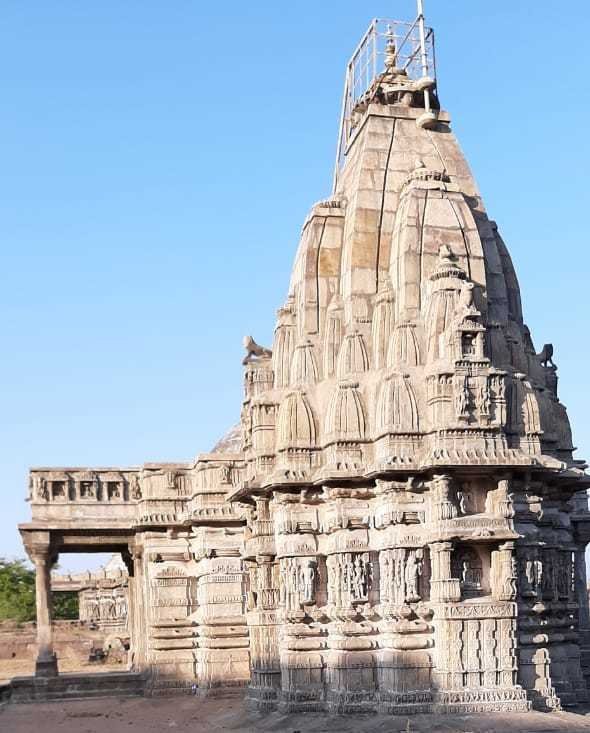
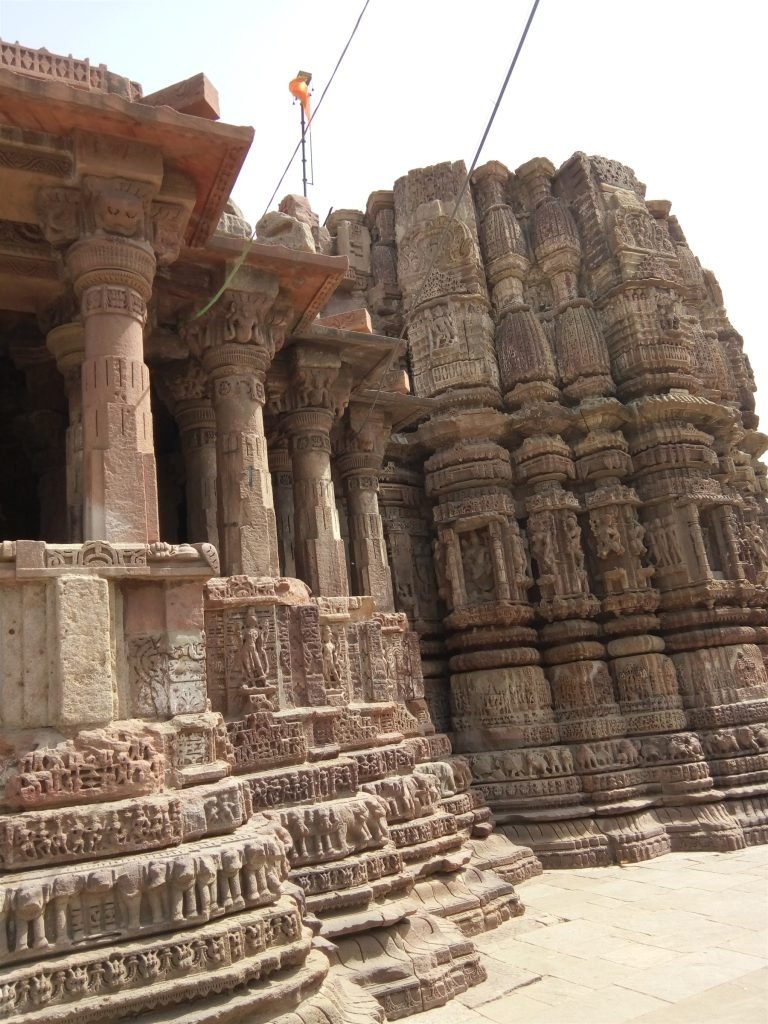
Vadtal Swaminarayan temple. Source: Wikimedia Commons.
Vadtal Swaminarayan temple. Wikimedia Commons.
The great temple was built in the early 19th century during the lifetime of Bhagwan Swaminarayan himself.
Vadtal became one of the two principal seats (gadis) into which Bhagwan Swaminarayan organised the movement.
The temple was laid out in the form of a lotus — a symbolically rich design unusual among Gujarati temples.
Vadtal remains the headquarters of one of the tradition's two great dioceses and a major pilgrimage centre.
A great temple of the Swaminarayan tradition, built in the saint's own lifetime.
A distinctive lotus-form design, with shrines arranged around a central axis.
Built in the time of Bhagwan Swaminarayan, who taught and organised the movement here.
A principal seat — one of the two great dioceses of the Swaminarayan faith.
Great gatherings draw devotees in large numbers during the major Swaminarayan festivals.
A living faith — Vadtal is a centre of worship and religious life to this day.
VADTAL MANDIRA historic temple — one of the great seats of the Swaminarayan tradition.
Shrines arranged on a lotus — a distinctive and symbolic temple plan.
SHRINESRichly decorated shrines house the images installed by the tradition.
One of the two great dioceses, with the movement's administration centred here.
FESTIVALSThe temple comes alive when devotees gather for the major festivals.
An active centre of Swaminarayan worship and religious life today.
Trace the temple's distinctive layout — the shrines arranged around a central axis in the form of a lotus.
Stand before the sacred images installed by the tradition in the richly decorated shrines.
Understand how the temple was built in the saint's own time and organised as a principal seat.
Come during the major Swaminarayan festivals, when great gatherings fill the complex.
Discover the Swaminarayan faith — one of Gujarat's most significant modern religious movements.
Explore the shrines and courtyards of one of the tradition's two great dioceses.
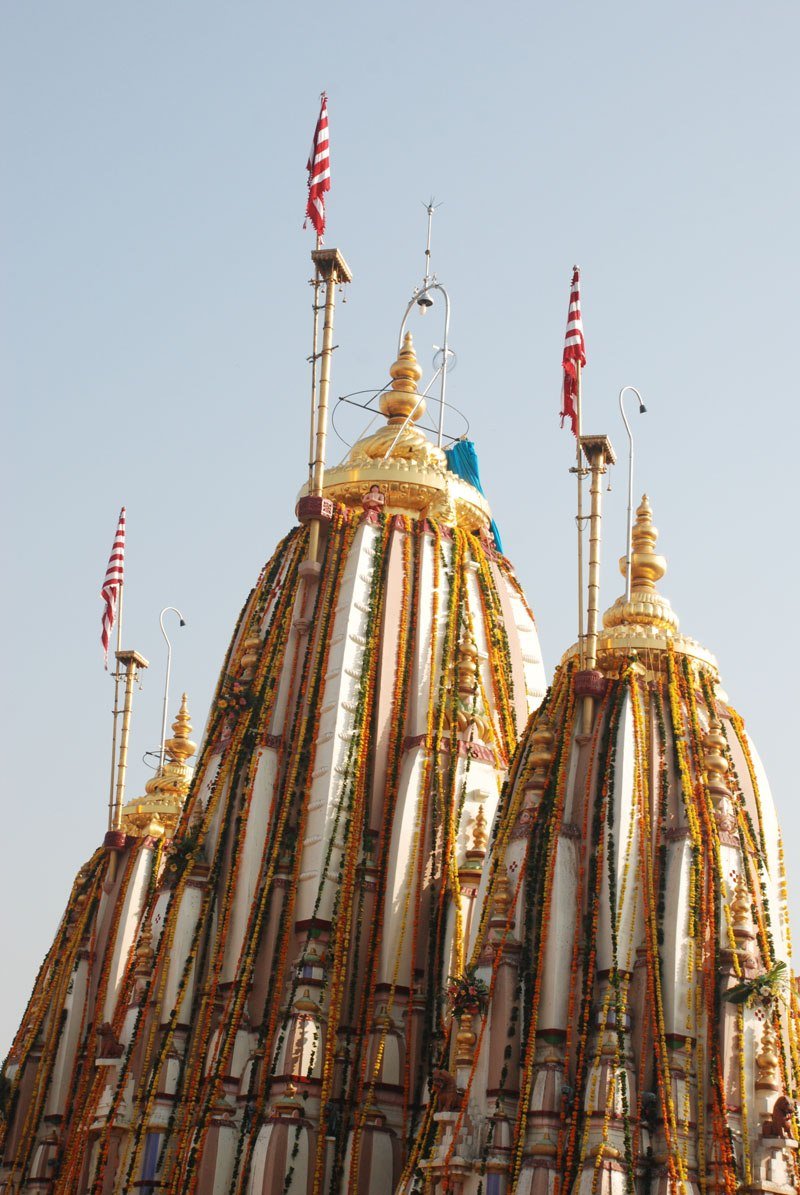
Vadtal Swaminarayan temple. Wikimedia Commons.
The Vadtal temple is distinguished by its lotus-form plan — the shrines arranged around a central axis in a symbolically rich design unusual among Gujarati temples. Built in the early 19th century during the lifetime of Bhagwan Swaminarayan, it is one of the two principal seats (gadis) of the tradition.
It remains a major centre of worship, festival and administration. (An active temple and major Swaminarayan centre; modest dress; busiest during festivals.)
Planning more of the area? Our Kheda guide covers the whole district.
Built in the lifetime of Bhagwan Swaminarayan
One of the two principal seats (gadis) of the tradition
A distinctive lotus-form temple plan
A major centre of Swaminarayan worship and festival
Cool and pleasant — the ideal window. Comfortable all day for an unhurried visit.
Temple festival days bring great gatherings and the fullest devotional atmosphere.
Hot; early morning is best. Still doable if you arrive right at opening.
⏰ Festival days bring the temples of Kheda alive; winter is most comfortable.
Ahmedabad airport is about 55 km away — roughly a 75–90 minute drive, with flights from across India and the Gulf.
Nadiad and Anand junctions are the nearest railheads, both on the main Ahmedabad–Vadodara line, with onward road links to Vadtal.
Vadtal lies off the NH-48 Ahmedabad–Vadodara highway. Buses, autos and taxis reach it easily from Nadiad and Anand.
DEVOTIONAL SETTING
Come early in the morning for soft light and a calmer, less crowded complex.
The lotus-form plan, the decorated shrine façades and the courtyards between them.
Photography may be restricted inside the shrines — always check and ask before shooting.
A wide lens captures the courtyards and lotus layout; keep it modest and unobtrusive.
Old tombs near Mahemdavad

Old temples by the helical step-well
Site of Gandhi’s 1918 farmer revolt
ANCIENTA 12th-century riverside Shiva shrine
HERITAGEExquisitely carved wooden mansions
Lamp-lit evening worship by the Dakor lake
Charotar comfort food — an unlimited spread of rotli, shaak, dal and rice.
A festive milk sweet, thickened and fragrant, served warm on special days.
Soft, savoury and steamed — the Charotar region's much-loved snack.
This is Amul country — expect superb milk, doodhpak and dairy sweets across Kheda.
A historic and major Swaminarayan temple in Kheda district, built in the early 19th century.
It was built in Swaminarayan's lifetime and is one of the two principal seats of the tradition.
It is laid out in the form of a lotus, with the shrines arranged around a central axis.
During the major Swaminarayan festivals, when devotees gather in large numbers.
A principal seat or diocese of the Swaminarayan tradition — Vadtal is one of two.
Yes — modest dress and respectful behaviour are expected at this active temple.
No, entry to the temple is free for all visitors.
Around 30–45 minutes is enough for an unhurried visit to the shrines and courtyards.
October to March is the most comfortable season; festival days are the most atmospheric.
By road off the NH-48 highway; the nearest railheads are Nadiad and Anand.
Photography may be restricted inside the shrines — always check before shooting.
Charotar comfort food — Gujarati thali, doodhpak, khaman and excellent dairy sweets.

◐ Colour & artisans
CONFLUENCERitual bathing where rivers meet the sea
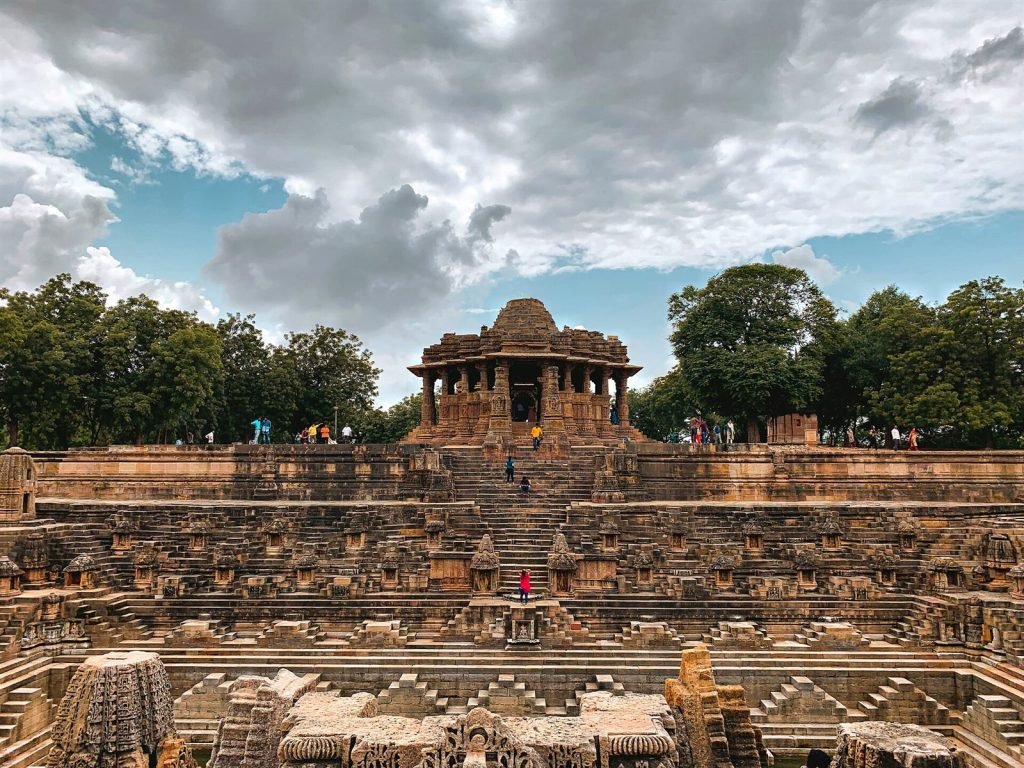
An old lakeside Shiva temple
SPIRITUALExquisite 1848 white-marble Jain temple
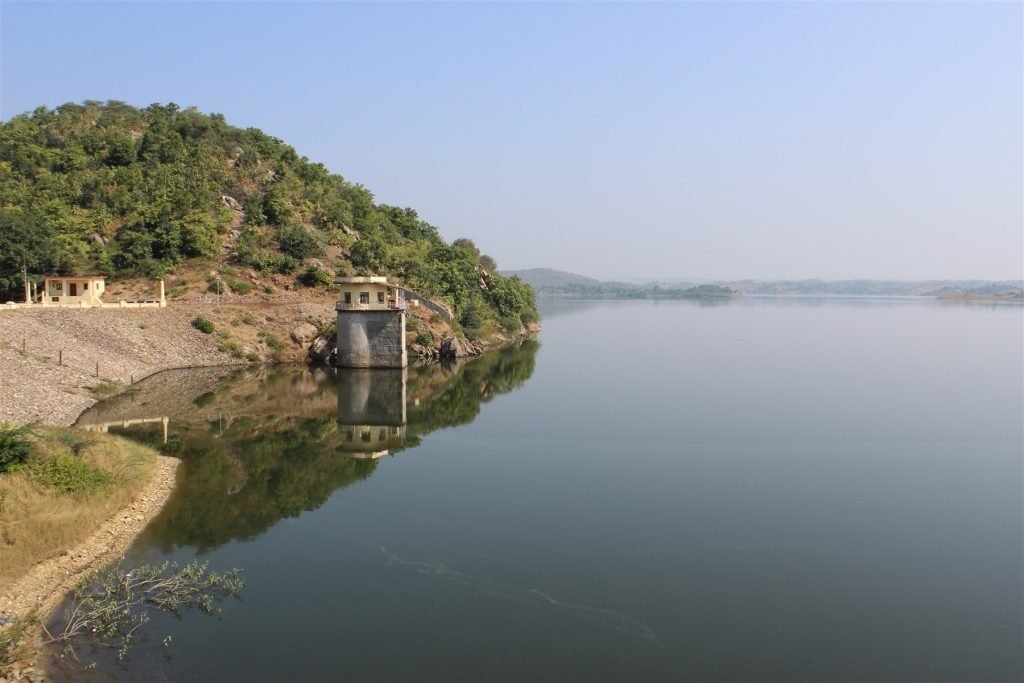
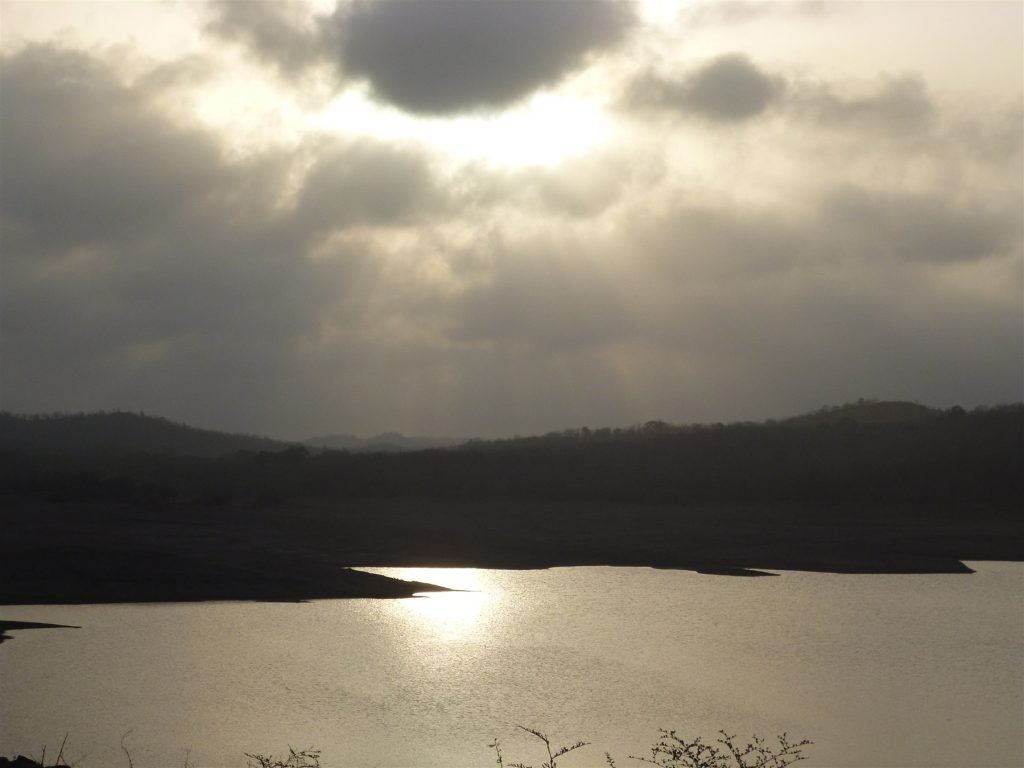
Dawn on a Gujarat reservoir — Meshvo at first light, when the Aravalli hills reflect gold…
A planetarium by the Porbandar shore
WHERE TO STAY
Compare live prices across the big booking sites and reserve in a few taps. Booking happens securely on the partner's site — we may earn a small commission at no extra cost to you.
Book directly on our partner sites — tap a provider to see live Gujarat hotels & prices:
SHOP THE REGION
Hand-picked crafts and trip gear, available on Amazon.
Published 24 June 2026 · Updated 24 August 2026
We’re an independent group of writers and travellers documenting every corner of Gujarat — one place, plate and festival at a time.
Search Gujarat Explorer
Find places, food, festivals and travel guides across Gujarat
Press Enter to search — or Esc to close
Plan Your Trip
Gujarat Explorer is an independent travel guide. We’re happy to help you shape an itinerary and point you to the right places, stays and experiences across Gujarat.
Book a Cab