Home › Panchmahal › Kadia Dungar
HERITAGE · CAVES · BUDDHISTAncient rock-cut caves — Kadia Dungar, a hill in Panchmahal with rock-cut Buddhist caves and a monolithic lion pillar, a little-known relic of the region's ancient past.
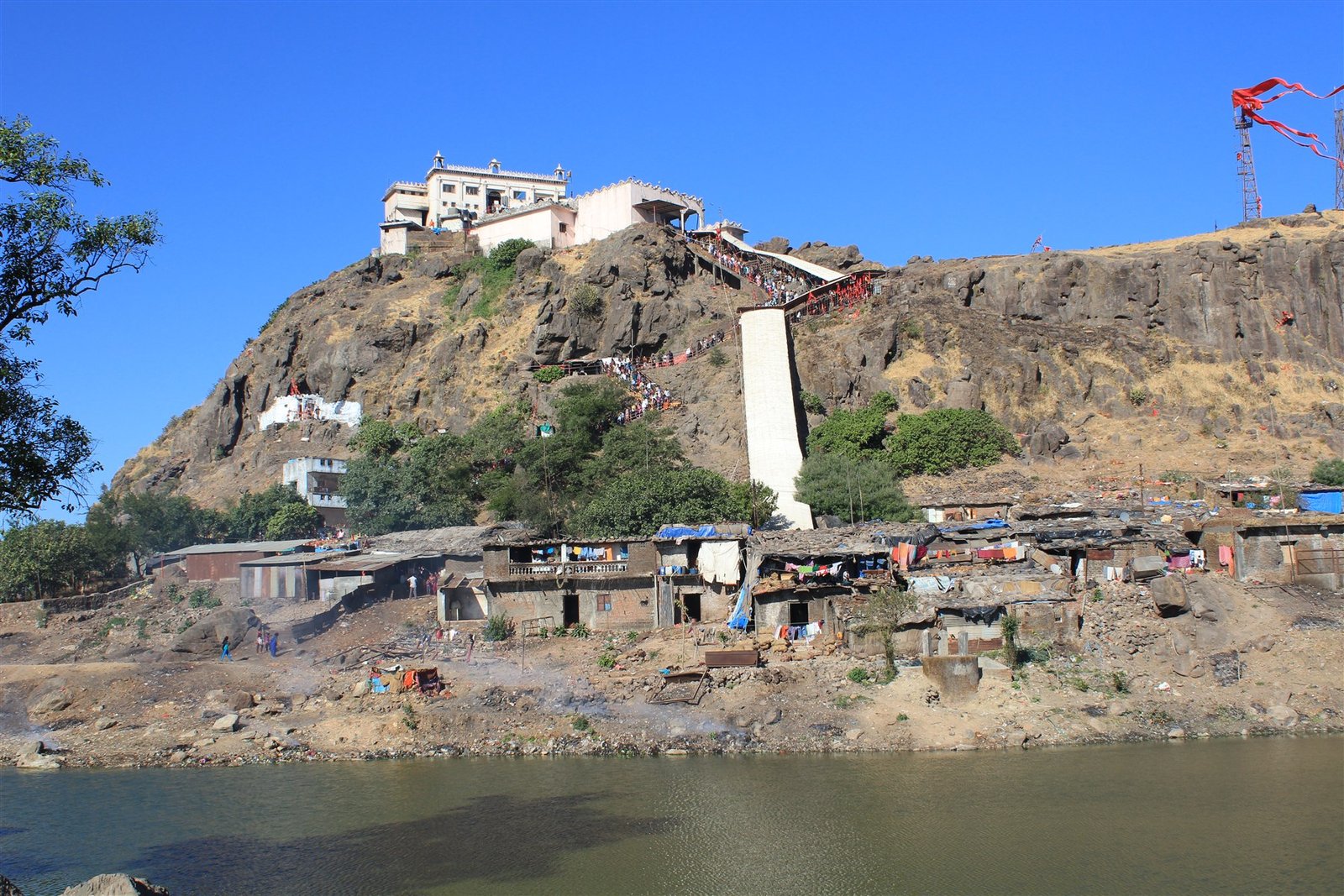
Kadia Dungar, a hill in the Panchmahal region, is home to a fascinating and little-visited group of ancient rock-cut Buddhist caves, believed to date to around the early centuries CE. Carved into the hillside, the seven caves — once a Buddhist monastic site — are accompanied by a remarkable monolithic stone pillar topped by a carved lion, echoing the famous Ashokan pillars.
Set amid quiet, rugged countryside, the caves are a reminder of the deep antiquity of this region and the spread of Buddhism through ancient Gujarat, and reward the traveller willing to seek out this off-beat heritage site.
A window into ancient Gujarat. (An archaeological site; rugged access; carry water.)
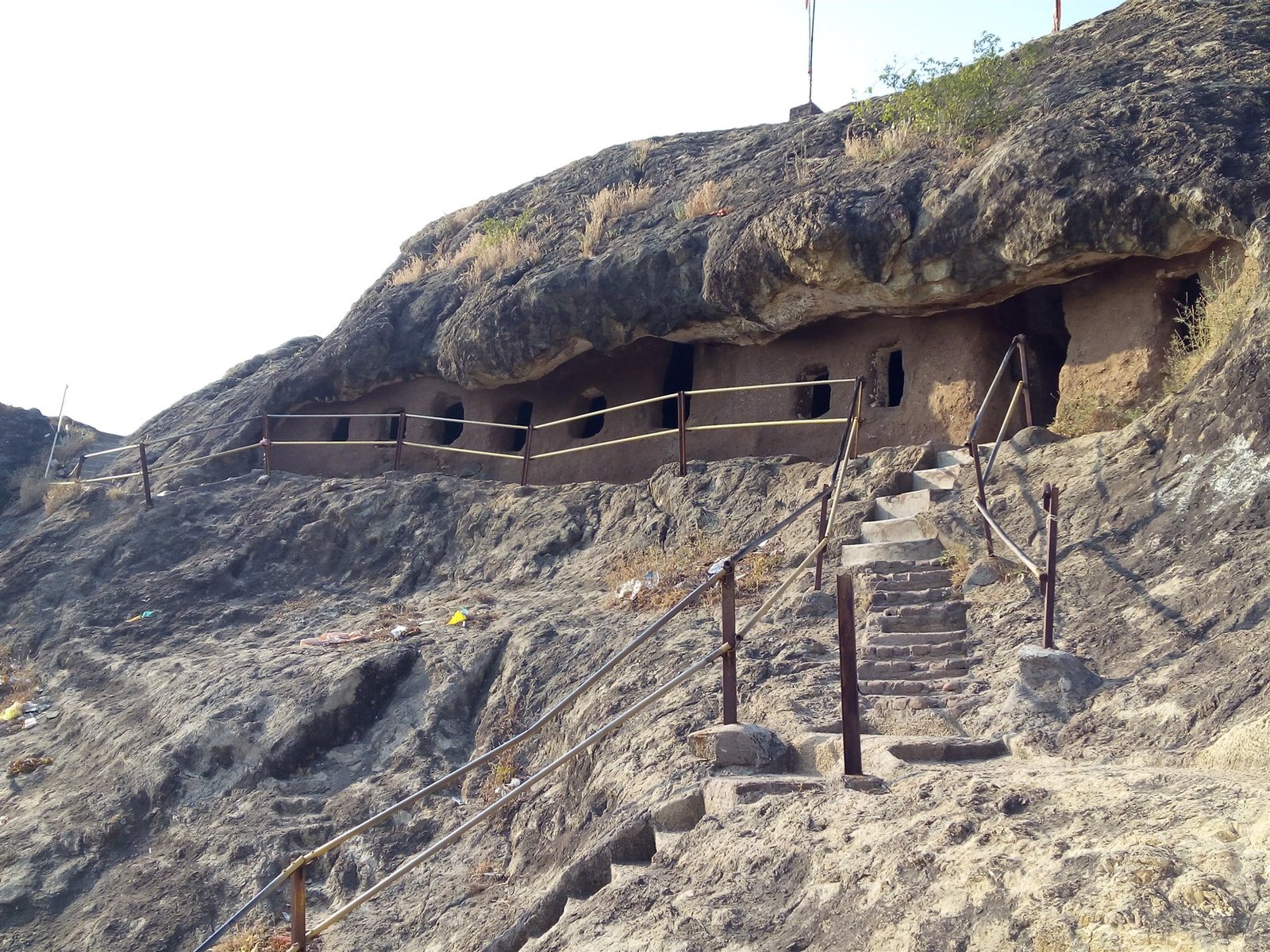
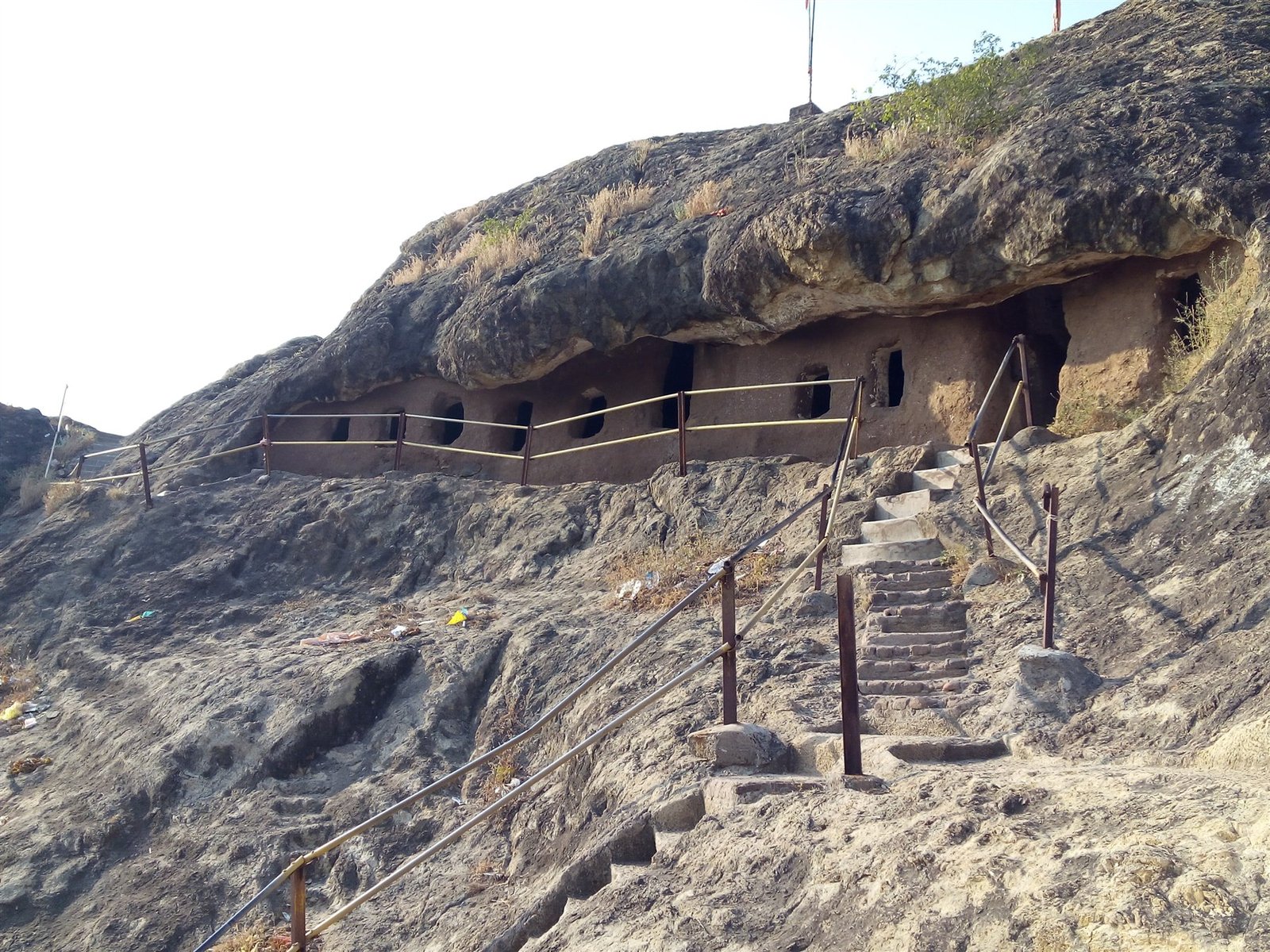
Kadia Dungar caves.
Caves in the hillside.
Seven chambers are cut into the sandstone of the hill in the early centuries CE, at a time when Buddhism was spreading along the trade routes that crossed Gujarat between the western ports and the interior.
The caves served as a vihara — a residence for monks — with plain cells, rock-cut benches and a communal space, rather than the elaborately sculpted chaitya halls found at the great Deccan sites.
A monolithic pillar stands nearby, topped by a carved lion capital that deliberately echoes the Ashokan columns of two or three centuries earlier — an unusual survival this far west.
The site was never built over or converted, and it receives few visitors even now, which is why the excavations survive largely as they were cut.
Seven chambers cut directly into the living rock of the hillside, reached by a rough path up from the village below.
This was a working monastery: monks lived in the cells through the monsoon retreat, supported by the settlements and trade routes on the plain.
The lion-capital pillar is the site's most striking single object, and one of very few Ashokan-style columns anywhere in Gujarat.
Gujarat's Buddhist past is largely forgotten, but sites like this, Junagadh's caves and Devni Mori show how established it once was.
You will very likely be the only visitor, which is rare for an archaeological site of this age anywhere in India.
The hill stands in open farmland with long views from the top — worth the climb independent of the caves.
THE CAVESPlain rock-cut cells and a pillared chamber, cut for use rather than display, with the tool marks still legible on the walls.
THE PILLARThe free-standing lion pillar below the caves, carved from a single block in conscious imitation of the Mauryan columns.
Climb to the cave group and go into the chambers — the cells, the benches and the tool marks on the rock are the whole record of who lived here.
Find the monolithic pillar and its lion capital, and look at how the carver has handled a Mauryan form several centuries after the fact.
Read the layout as a monastery: cells around a shared space, sited above the fields but within reach of the settlements that fed it.
Allow for a rough scramble up the hill. There is no made path, no railing and no shade, so wear proper shoes and carry water.
Pair the visit with Devni Mori and Junagadh's rock-cut caves if you want to follow Gujarat's Buddhist sites properly.
Go early. The climb is unpleasant once the sun is up, and the morning light reaches into the cave mouths.
Kadia Dungar.
Kadia Dungar holds seven ancient rock-cut Buddhist caves carved into a Panchmahal hill, dating to the early centuries CE, with a remarkable monolithic lion-topped pillar echoing the Ashokan columns — a little-visited relic of the spread of Buddhism through ancient Gujarat.
For everything else the district holds, see our Panchmahal travel guide.
This belongs to a wider story: the hill country of Gujarat.
A window into deep antiquity. (Rugged access; carry water.)
Seven rock-cut Buddhist caves
An ancient monastic site
A monolithic lion pillar
A little-known relic
Cool and pleasant — the ideal season.
Green and atmospheric.
Hot and dry — start early.
⏰ Visit in the cooler months; give the Champaner-Pavagadh park a full day, taking the ropeway up Pavagadh.
Vadodara airport (~50 km).
Champaner Road / Godhra.
Halol / Champaner.
ROCK & ANTIQUITY
Shoot into the cave mouths from just outside, where the contrast between the dark interior and the bright hillside is manageable.
The lion capital is the signature image — get low and shoot up against open sky to separate it from the hill.
From the top, the hill gives a long view over farmland that sets the site in its landscape.
Early morning, before the light hardens and while the cave interiors still catch some of it.

Carved Digambar shrines along the climb
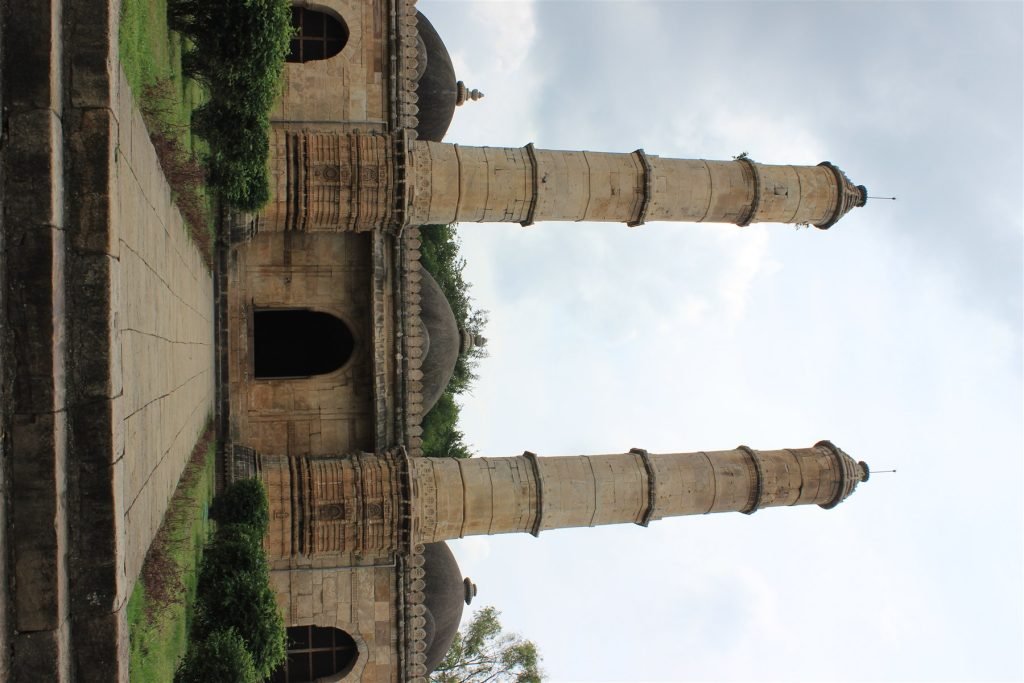
MONUMENTThe royal mosque of the old citadel
TOWNThe district’s bustling headquarters
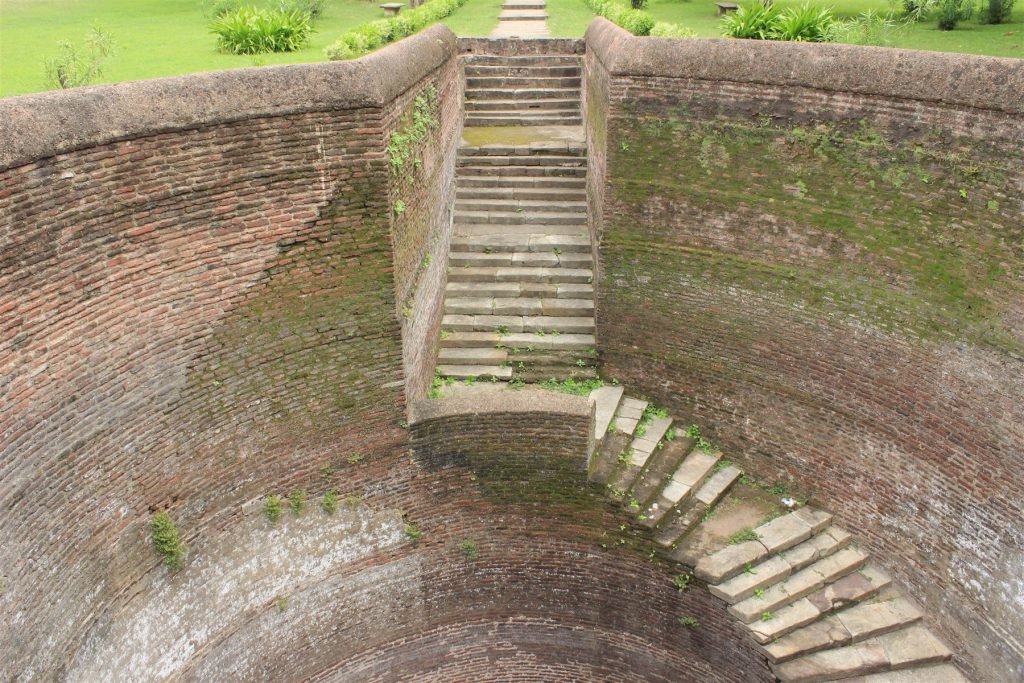
STEPWELLA rare spiralling water structure

A rare 10th-century Shaivite shrine on the hill

Ancient shrines within the heritage city
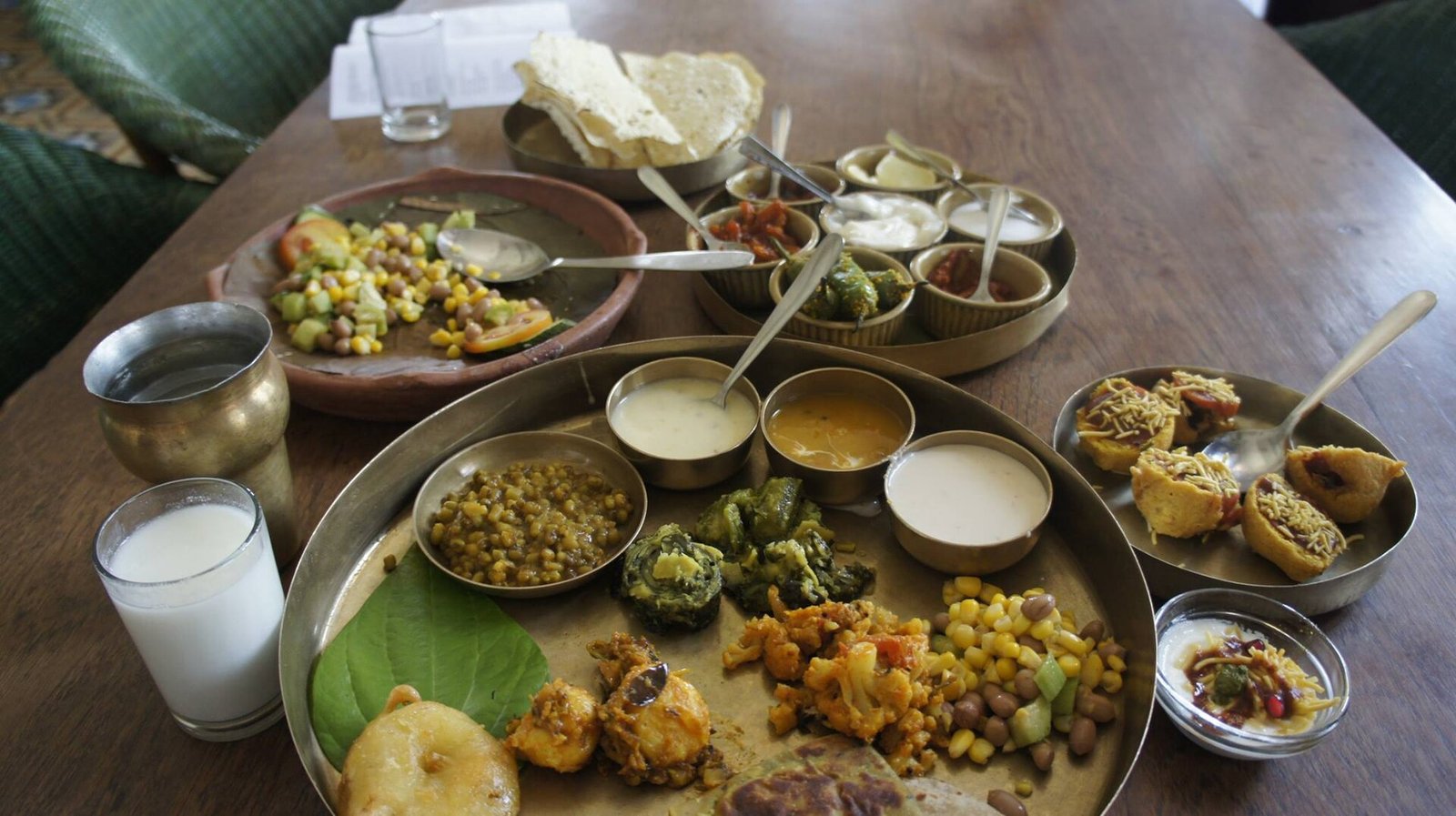
THALIHearty regional meals.
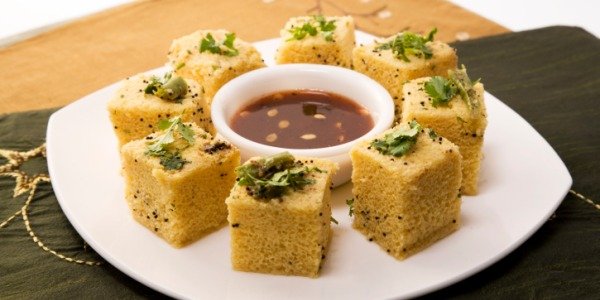
FARSANSteamed snacks.
STREETSnacks for pilgrims.
Simple Gujarati & tribal food near the sites.
Kadia Dungar, a hill in the Panchmahal region, is home to a fascinating and little-visited group of ancient rock-cut Buddhist caves, believed to date to around the early centuries CE. Carved into the hillside, the seven caves — once a Buddhist monastic site — are accompanied by a remarkable monolithic stone pillar topped by a carved lion, echoing the famous Ashokan pillars.
Panchmahal.
Free.
October to March, in the cooler season.
Pavagadh, the Champaner mosques and stepwells.
Half a day.

A serene ‘three-in-one’ temple where Jain, Shaiva and Vaishnav deities share one sanctum — a modern…
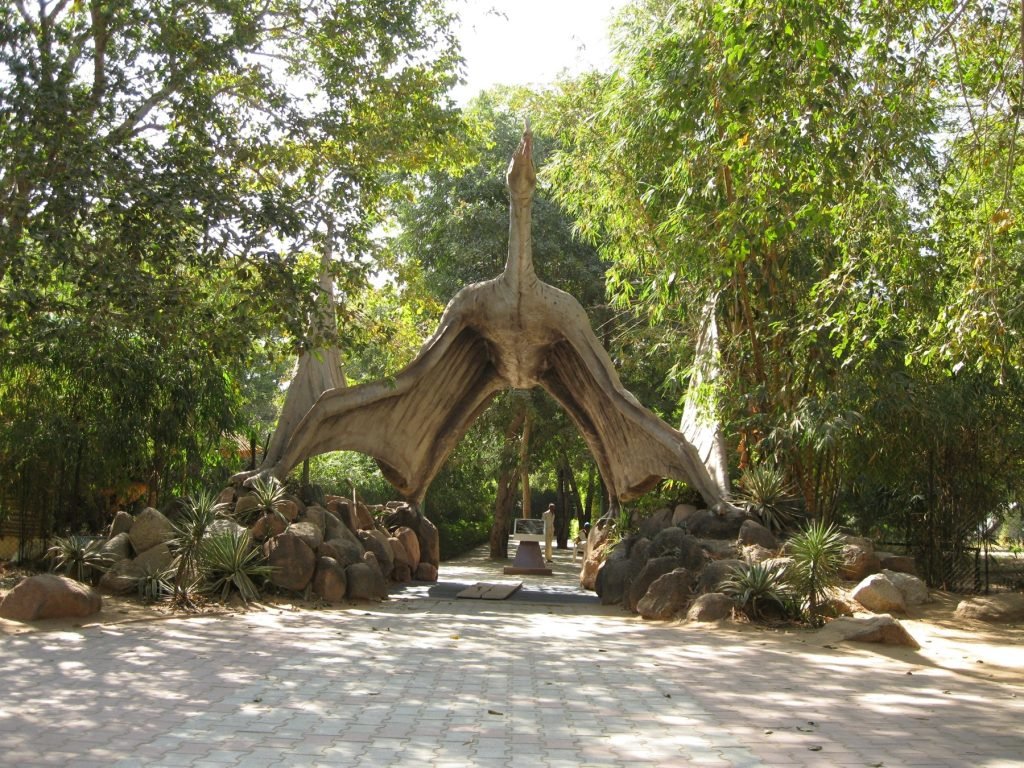
NATUREA ‘Jurassic Park’ of fossils, trails & a zoo
LANDMARKThe modern span over the Narmada
TEMPLE12th-century shrine to Krishna’s queen

◐ Morning · backlit

Exquisite 1848 marble Jain temple
WHERE TO STAY
Compare live prices across the big booking sites and reserve in a few taps. Booking happens securely on the partner's site — we may earn a small commission at no extra cost to you.
Book directly on our partner sites — tap a provider to see live Gujarat hotels & prices:
SHOP THE REGION
Hand-picked crafts and trip gear, available on Amazon.
Published 24 June 2026 · Updated 24 August 2026
We’re an independent group of writers and travellers documenting every corner of Gujarat — one place, plate and festival at a time.
Search Gujarat Explorer
Find places, food, festivals and travel guides across Gujarat
Press Enter to search — or Esc to close
Plan Your Trip
Gujarat Explorer is an independent travel guide. We’re happy to help you shape an itinerary and point you to the right places, stays and experiences across Gujarat.
Book a Cab