More than any single monument, the deepest ‘hidden gem’ of Vadodara is the legacy of Maharaja Sayajirao Gaekwad III (r. 1875–1939) — one of India’s most progressive princely rulers, whose vision quietly shaped the city you see today.
Tracing the legacy makes a coherent day in Vadodara: Laxmi Vilas Palace for the ambition, the Baroda Museum and Sayaji Baug for the civic vision, the Maharaja Sayajirao University for the educational one, and Kirti Mandir for the dynasty’s memorials. Read together they explain why this city still feels planned rather than grown.
A reformer far ahead of his time, he introduced free and compulsory primary education, a pioneering public library system, banking and social reforms against untouchability and child marriage, while patronising art, scholarship — the young Dr B. R. Ambedkar was among those he supported — and industry.
His building works — the Laxmi Vilas Palace, the Baroda Museum, Sayaji Baug, Kirti Mandir, and the college that became MS University — are the visible threads of a wider legacy of enlightened governance that won Baroda renown as a model state. To ‘see’ Sayaji’s legacy is to read the whole city as one connected story.
Laxmi Vilas — part of the legacy.
The Gaekwad institutions.
He ascends the throne of Baroda State and begins a long, transformative reign.
He introduces free and compulsory education, a pioneering public library system and banking reforms.
He patronises art, scholarship and industry — supporting figures like the young Dr B. R. Ambedkar.
His enlightened governance wins Baroda lasting renown as a model princely state.
Sayajirao governed decades ahead of his time — compulsory education arrived in Baroda before most of Europe managed it.
His library movement built reading rooms across the state, with the Central Library its crown.
Palace, museum and university — the city's great institutions are all his foundations.
His patronage gathered art and scholarship from across India and Europe alike.
He stood against caste injustice, funding Ambedkar's studies when few would.
The whole city connects through him; Vadodara is his biography in buildings.
THE VISIONA reformer-king.
THE WORKSAcross the city.
Start at Laxmi Vilas Palace, his grand residence and the dynasty's statement.
See the Baroda Museum's encyclopaedic collections, his educational vision in objects.
Walk Sayaji Baug, the public garden he gave the city.
Visit Kirti Mandir, the dynasty's memorial temple.
Pass the MSU campus, grown from the college he endowed.
Read the whole city as one connected story of reform.
The Gaekwad city.
Sayajirao Gaekwad III shaped modern Baroda through reform — free education, libraries, banking and social change — and through building: the Laxmi Vilas Palace, Baroda Museum, Sayaji Baug, Kirti Mandir and MS University.
This is one of many places worth seeing here — the full guide to Vadodara has the rest.
To trace his legacy is to read the whole city as one connected story.
A progressive reformer-king
Free education & libraries
Palace, museum, university
Baroda as a model state
October to March is the pleasant season for walking the legacy across the city.
The monsoon greens Sayaji Baug and the campus, atmospheric between showers.
April to June is hot; do the outdoor stretches early and the museums at midday.
⏰ Visit in the cooler months and combine it with Vadodara's palaces and gardens nearby.
Vadodara airport (~9 km).
Vadodara Junction.
In/around Vadodara.
VISION & CITY
His monuments, spread across the city.
The schools and libraries of his reforms.
The art his patronage gathered.
Laxmi Vilas at golden hour.
GARDENWestern India’s largest park, with a zoo & museum
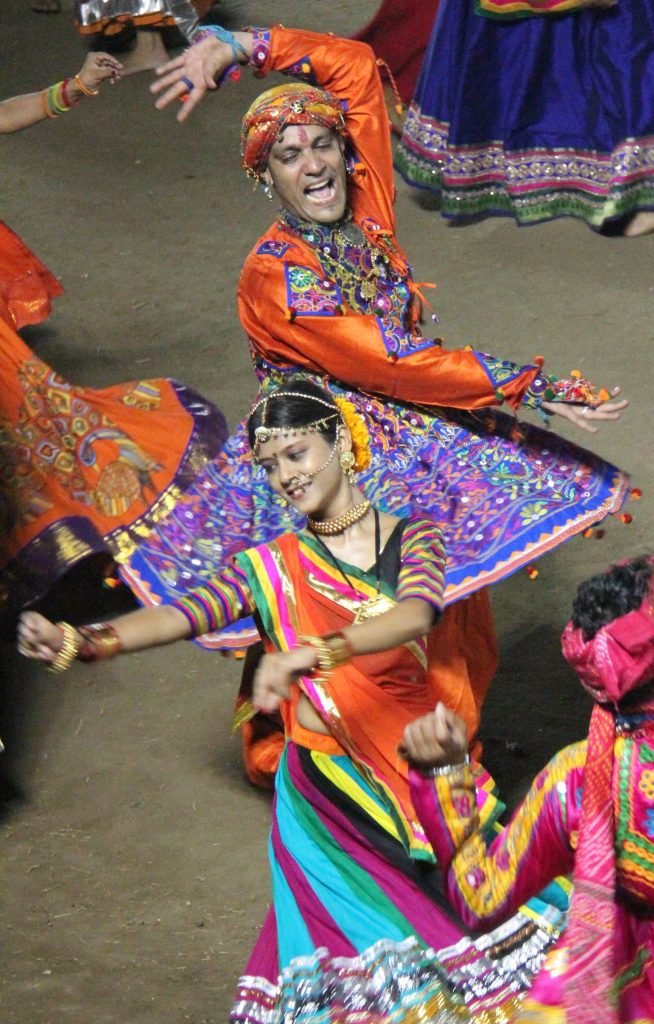
Nine autumn nights when Vadodara becomes the largest participatory dance floor in the world, from the…
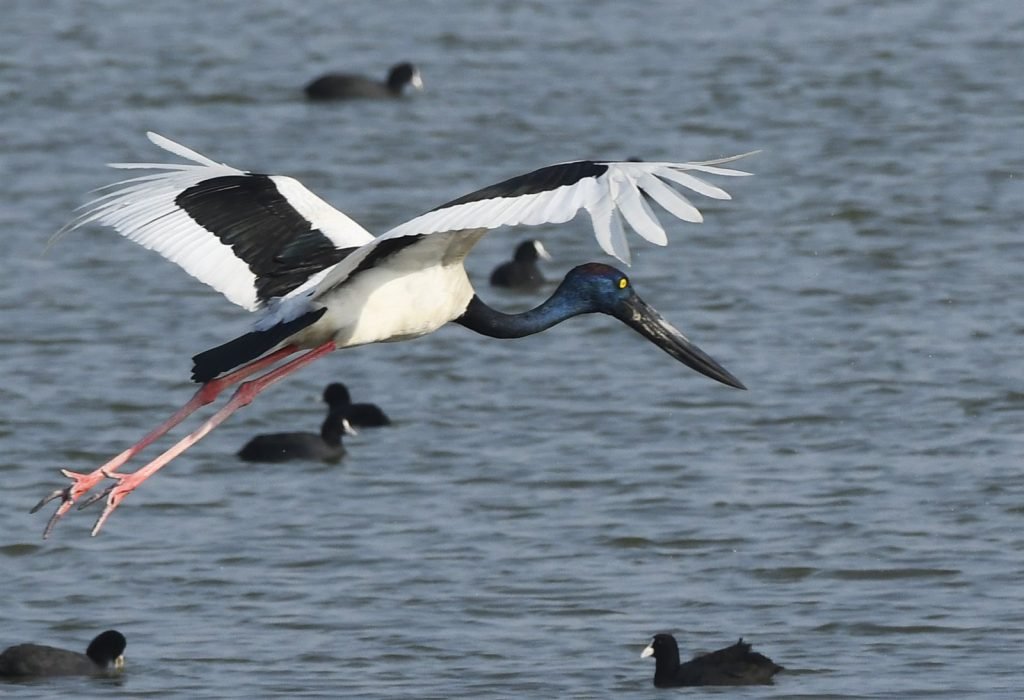
NATUREMusical fountains & lakeside greenery
Manicured grounds within the palace estate
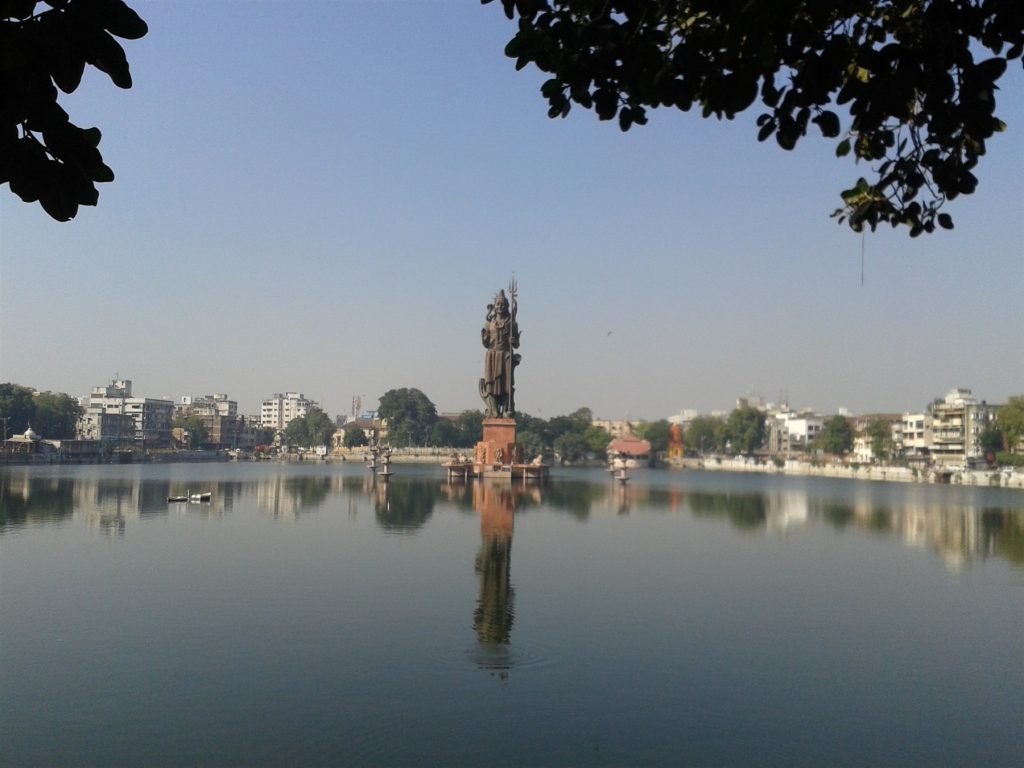
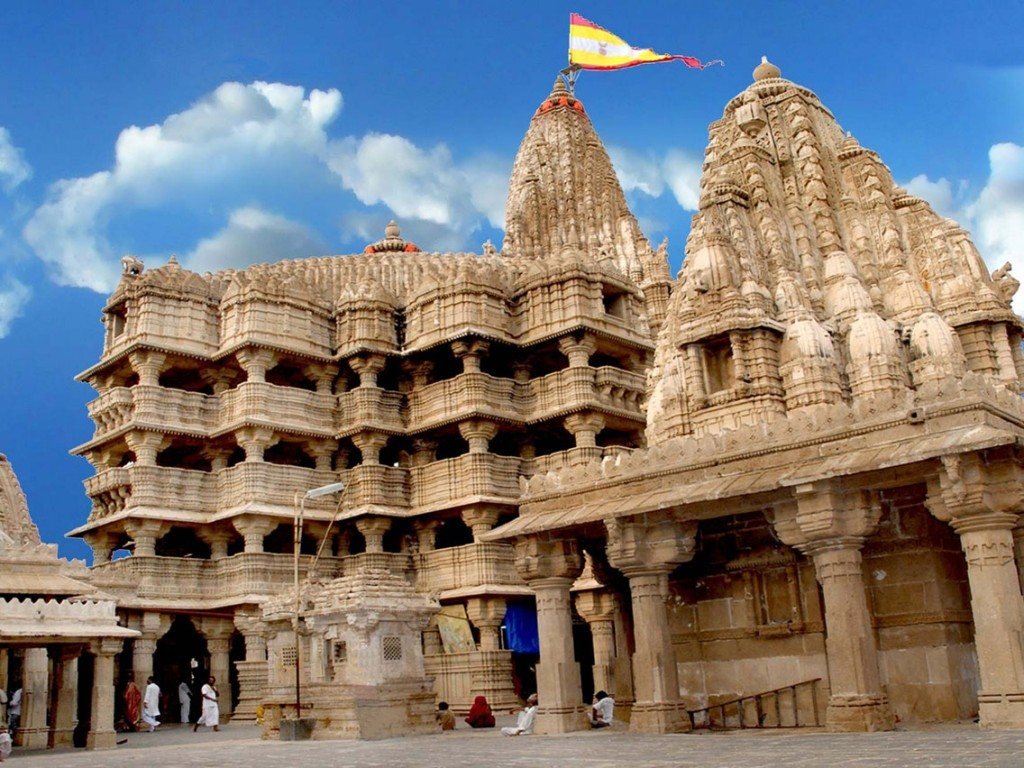
LAKEA city lake crowned by a towering Shiva statue
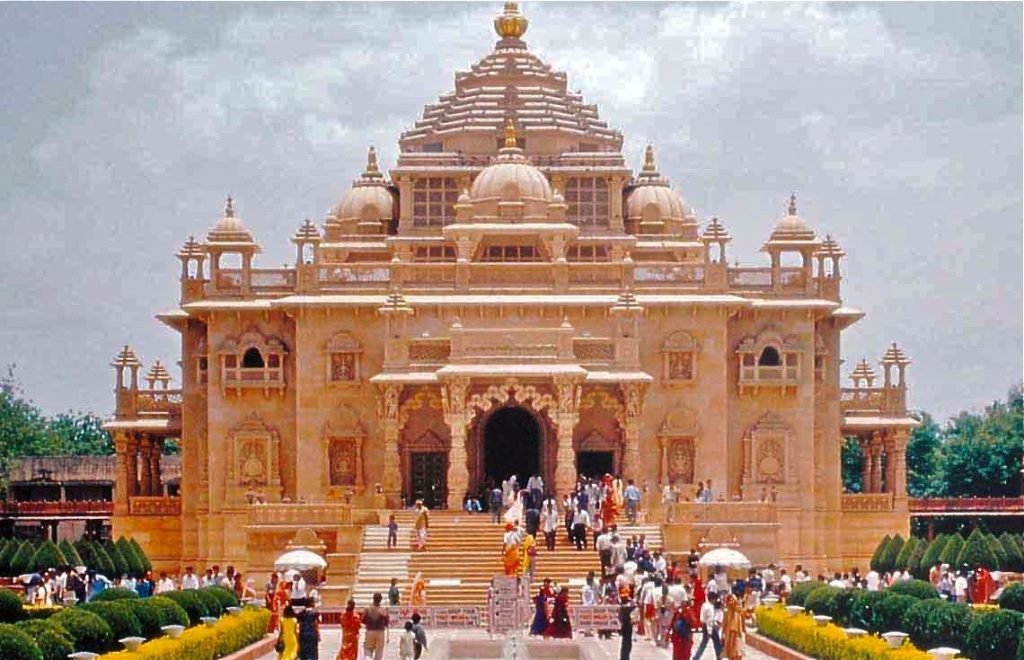
A serene Krishna temple & cultural hub
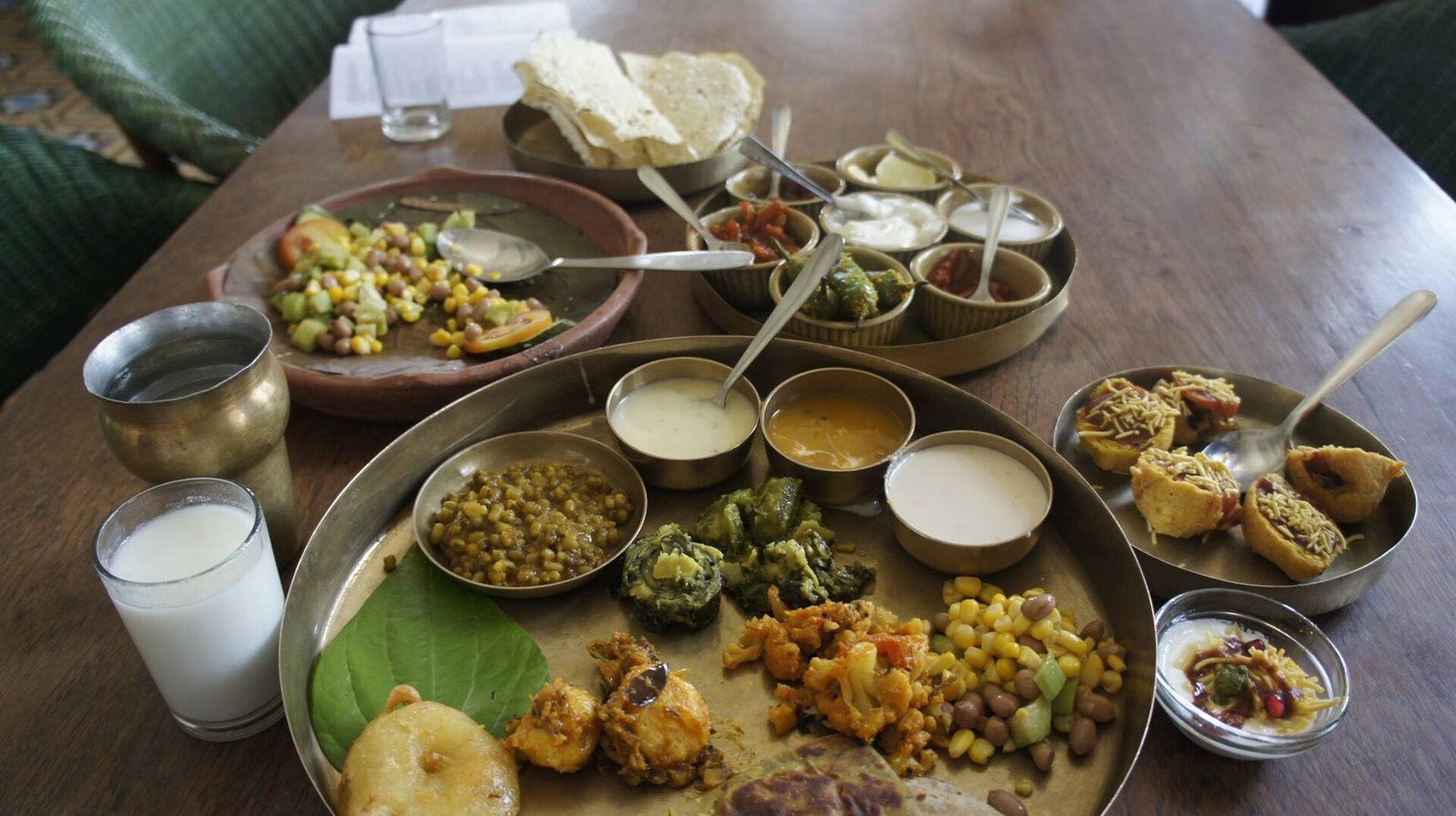
THALISweet-savoury full meals.
FARSANBaroda's spicy snack.
STREETFamous Baroda street food.
Famous for sev usal, lilo chevdo & farsan.
More than any single monument, Vadodara's deepest treasure is the legacy of Maharaja Sayajirao Gaekwad III — the reformer who gave the city free compulsory education, public libraries, the university, the museum and the garden, and whose patronage supported the young Dr B. R. Ambedkar's education abroad.
Across Vadodara — traced through Laxmi Vilas Palace, the Baroda Museum, Sayaji Baug, Kirti Mandir and the Maharaja Sayajirao University he founded.
It varies by site — the palace and museums are ticketed, while the garden and campus are free to walk.
October to March, in the cooler season.
Vadodara's palaces, gardens and Champaner.
A full day.
COLONIALStately British-era civic architecture

A revered Shakti Peeth of the goddess
TOWNThe bustling district headquarters

A beloved Krishna shrine
WILDLIFEIndia’s third-oldest zoo, home to Asiatic lions

Quiet tribal temples in the woods
WHERE TO STAY
Compare live prices across the big booking sites and reserve in a few taps. Booking happens securely on the partner's site — we may earn a small commission at no extra cost to you.
Book directly on our partner sites — tap a provider to see live Gujarat hotels & prices:
SHOP THE REGION
Hand-picked crafts and trip gear, available on Amazon.
Published 24 June 2026 · Updated 24 August 2026
We’re an independent group of writers and travellers documenting every corner of Gujarat — one place, plate and festival at a time.
Search Gujarat Explorer
Find places, food, festivals and travel guides across Gujarat
Press Enter to search — or Esc to close
Plan Your Trip
Gujarat Explorer is an independent travel guide. We’re happy to help you shape an itinerary and point you to the right places, stays and experiences across Gujarat.
Book a Cab