
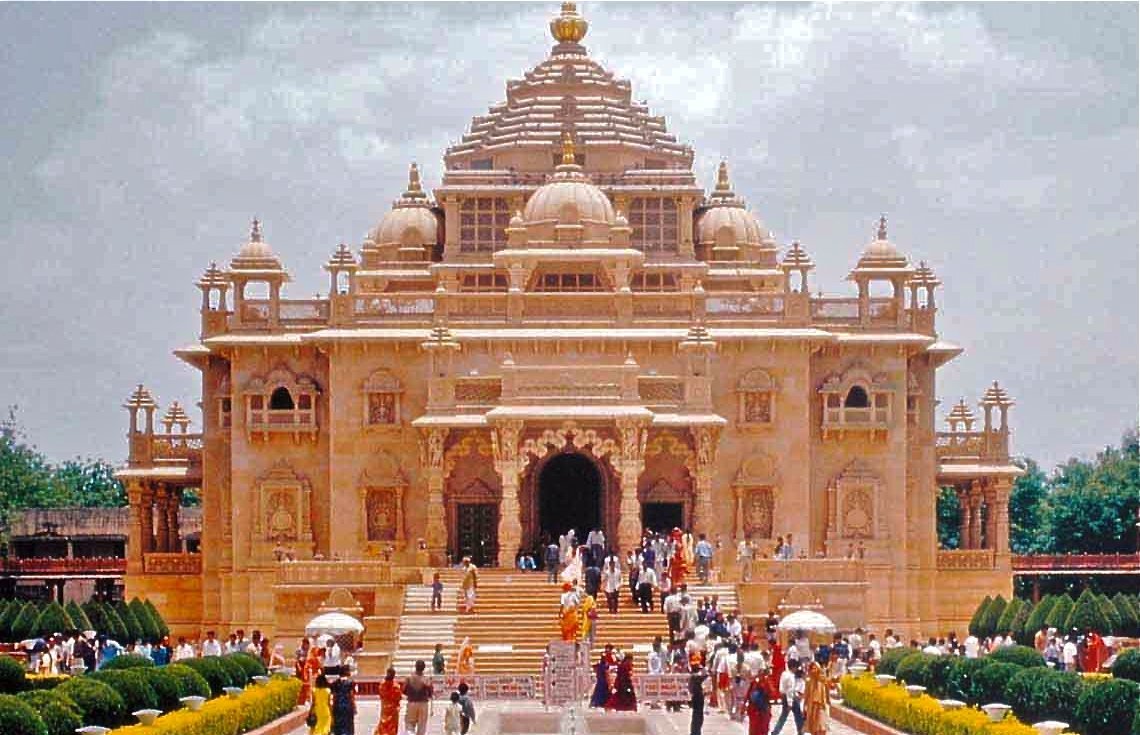
The saint of Shirdi
Among Surat’s many places of worship is a much-visited Sai Baba temple, dedicated to Shirdi Sai Baba — the beloved saint revered across India for his message of faith, patience and the unity of all religions.
Devotees throng the shrine especially on Thursdays, the day associated with Sai Baba, for aarti, bhajan (devotional songs) and to offer prayers before his idol, often garlanded and dressed in fresh robes. The atmosphere is one of quiet devotion and community, and the temple usually distributes prasad to those who come.
A simple, heartfelt shrine reflecting the saint’s wide following in the city. This is a working temple — dress modestly and remove your footwear before entering.
Shirdi's saint, and the Thursday crowd
Sai Baba shrine.
Sai Baba of Shirdi, who died in 1918, is venerated across India by Hindus and Muslims alike, and temples in his name spread far beyond Maharashtra through the twentieth century.
His teaching was simple and much repeated — Shraddha and Saburi, faith and patience — and it is what the shrines are built around.
Thursday is Sai Baba's day, and it is when Surat's temple is fullest, with extra aarti and long queues for darshan.
The daily rhythm is fixed: four aartis, continuous bhajan around them, and prasad given freely to everyone who comes.
Reasons to make the time
Sai devotion
Sai Baba draws devotion across communities, and the congregation here reflects that breadth.
Thursday aarti
Thursdays are the temple's principal day, with the largest gathering of the week.
Bhajan & prayer
Bhajan runs around the aarti times and anyone is welcome to sit in or join.
Faith & unity
The message is deliberately plain — faith and patience, and the essential unity of religions.
Prasad
Prasad is distributed to all comers without distinction, as at every Sai Baba shrine.
Community shrine
It is an unfussy, welcoming temple in a busy commercial city, which is much of its local appeal.
What to look for inside
Sai Baba
The seated image of Sai Baba, dressed and garlanded afresh through the day.
Bhajan
Thursday bhajan and aarti, when the temple is at its fullest.
How to spend an hour or two
Attend the aarti
Time your visit to an aarti — the temple is a different place during worship than between services.
Come on a Thursday
Come on a Thursday for the fullest version, if the crowds do not put you off.
Hear the bhajan
Sit for the bhajan, which runs around the aarti and is open to anyone.
Seek darshan
Take darshan at the main shrine, where Sai Baba is enthroned in the familiar seated form.
Take prasad
Accept the prasad; it is given freely and taking it is part of the visit.
Sense the devotion
Dress modestly and remove footwear at the entrance, as at any working temple.
A heartfelt shrine
This much-visited Sai Baba temple in Surat is dedicated to Shirdi Sai Baba, revered for faith and the unity of religions — busiest on Thursdays for aarti and bhajan before his garlanded idol, with prasad shared among devotees. A simple, heartfelt community shrine.
The rest of the district is covered in our Surat travel guide.
Our overview of temples across Gujarat puts it in context.
Dedicated to Shirdi Sai Baba
Busiest on Thursdays
Aarti, bhajan & prasad
A heartfelt community shrine
When to go
November to February is the comfortable season in Surat, which is humid for much of the year.
The monsoon is heavy here between June and September, though the temple's routine is unaffected.
April to June is hot and humid; stick to the morning or evening aarti.
⏰ Visit at aarti time in the cooler months; combine it with Surat's other sights.
Timings & entry
- Open at worship hours
- Morning & evening aarti
- Best in the cool season
- An easy Surat stop
- Free entry
- Modest dress; remove footwear
- Respect worshippers
- Photography may vary
Getting there
By Air
Surat airport (~15 km).
By Rail
Surat railway station.
By Road
In/around Surat.
At Sai Baba Temple
FAITH & DEVOTION
A shrine of the saint
What to shoot
The shrine.
Moment
Aarti & bhajan.
Respect
Be considerate.
Best light
Morning prayer.
Know before you go
More to see close by
 RIVERFRONT
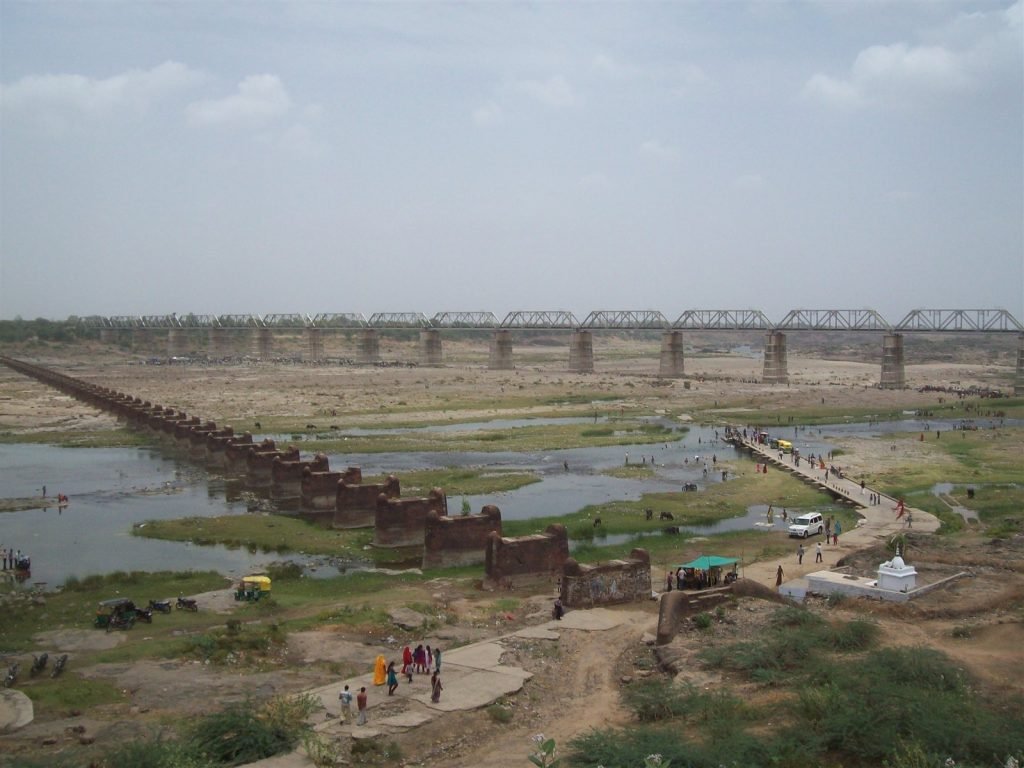
Tapi Riverfront
Promenades & gardens along the river
 COLONIAL
Dutch Garden
Atmospheric Dutch-era cemetery & gardens
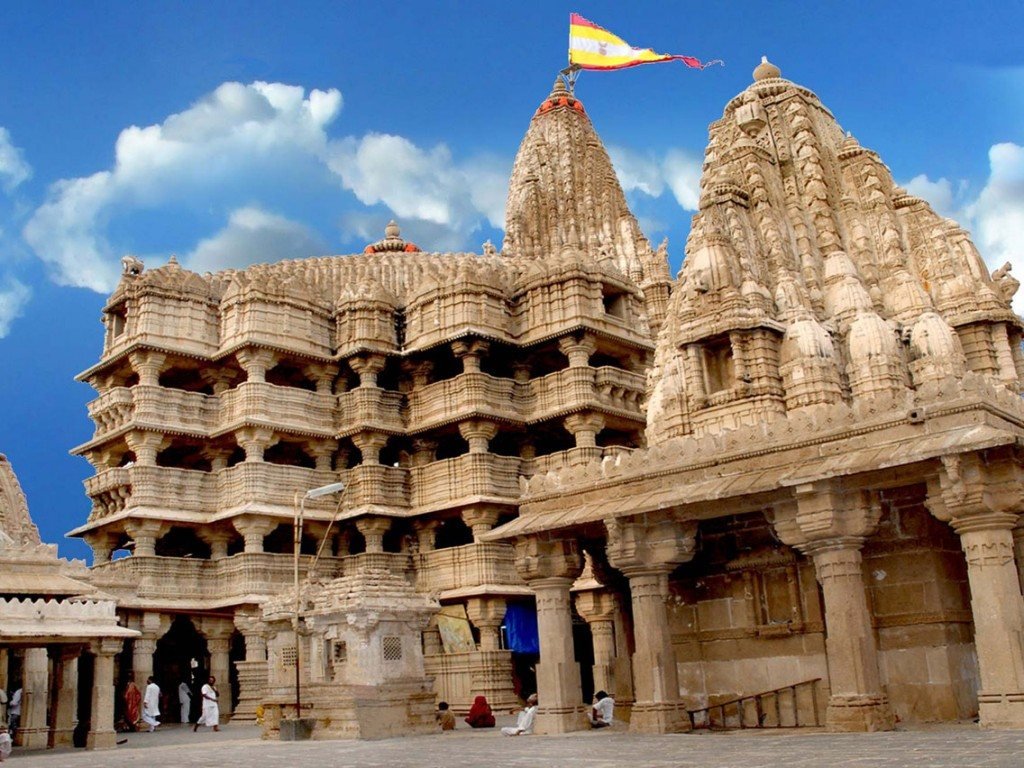
Chintamani Jain Temple
Centuries-old temple with fine wood carving
Dutch & Armenian Churches
Relics of Surat’s trading-port era
 OLD CITY
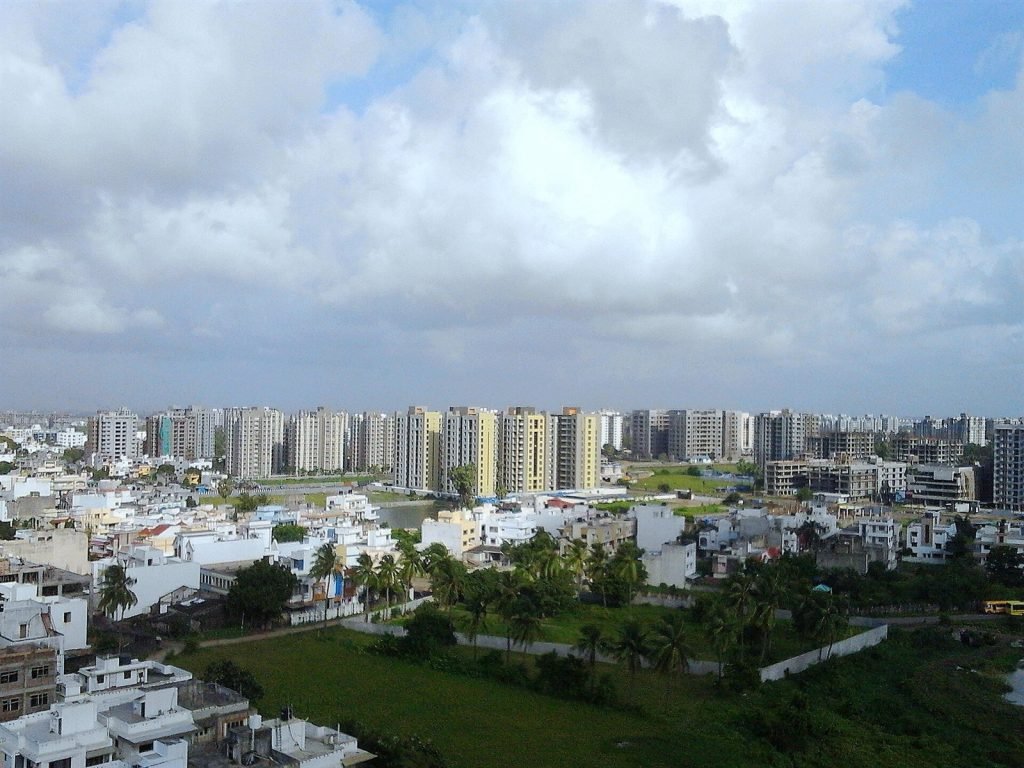
Surat Old City
Bazaars, havelis & the textile quarters
 SEAFOOD
Dumas Food Street
Famous bhajiya, locho and sea breeze
Where to eat near Sai Baba Temple
Surti meals
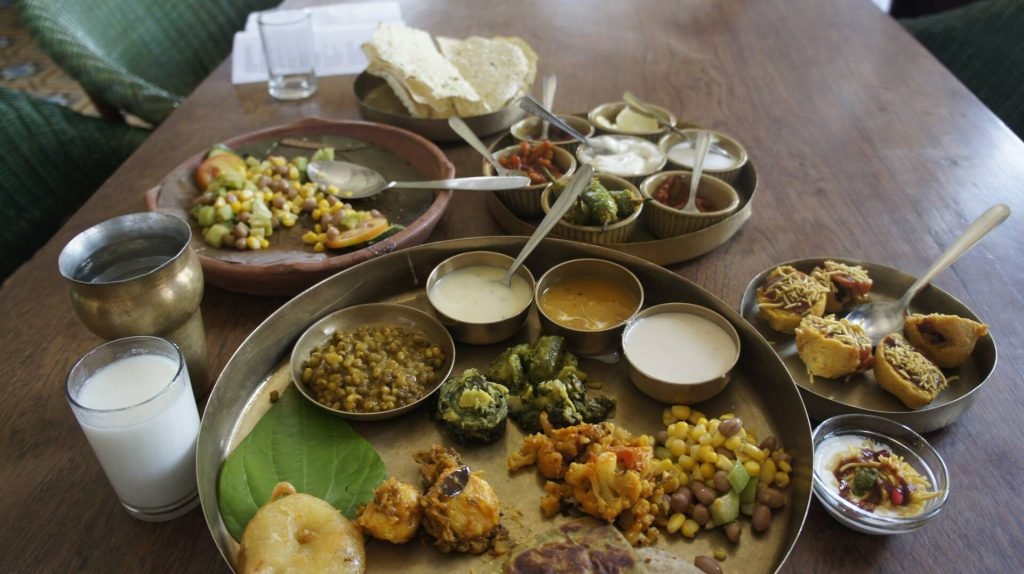
Sweet-savoury thalis.
Locho & khaman
Surat's soft farsan.
Surti street food
Ghari, undhiyu & more.
Foodie city
Famous for locho, undhiyu, ghari & ponk.
Sai Baba Temple FAQ
What is Sai Baba Temple?
Among Surat's many places of worship is a much-visited Sai Baba temple, dedicated to Shirdi Sai Baba — the beloved saint revered across India for his message of faith, patience and the unity of all religions. Devotees throng the shrine especially on Thursdays, the day associated with Sai Baba, for aarti, bhajan (devotional songs) and to offer prayers before his idol, often garlanded and dressed in fresh robes.
Where is it?
Surat.
Is there an entry fee?
Free.
When should I visit?
October to March; at aarti time.
What's nearby?
Surat's fort, beaches, lake and food streets.
How long does it take?
About 30 minutes.
Related places across Gujarat
 HERITAGE
Kirti Mandir
The memorial beside Gandhi’s birth-house
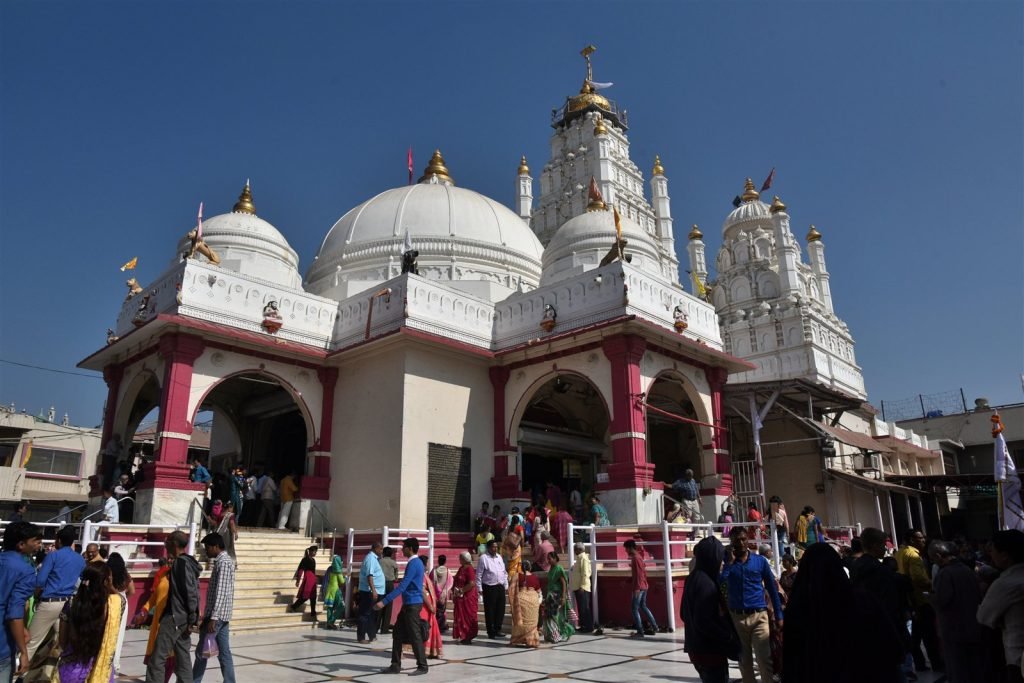
Gadhada Gopinath
Swaminarayan’s sandstone temple at Gadhpur
 SOLAR TEMPLE
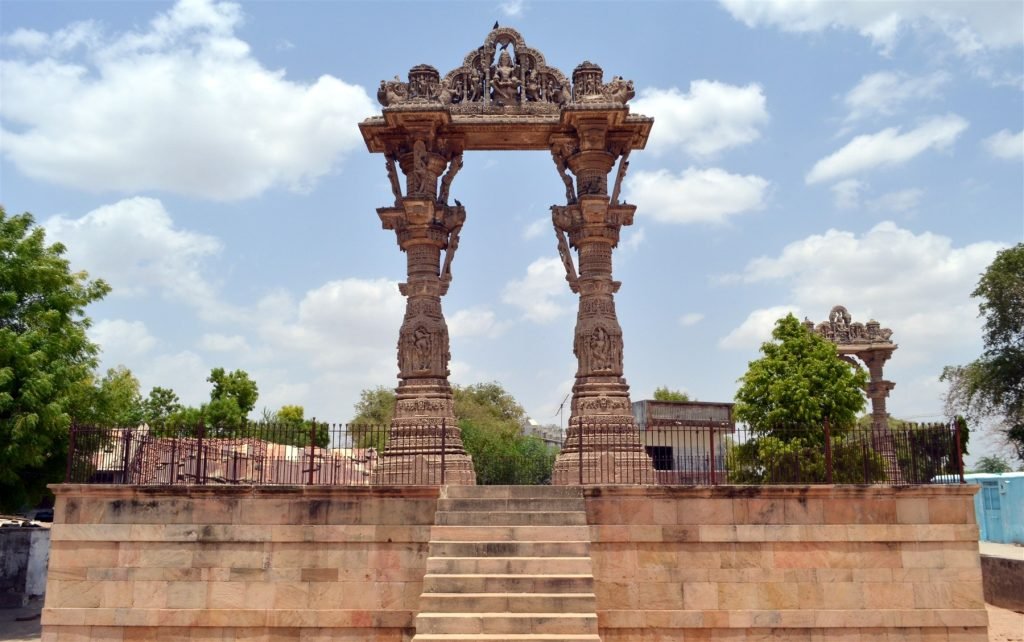
Vadnagar
An 11th-century masterpiece with a stepped tank
 PILGRIM
Shuklatirth
Shukleshwar Mahadev on the riverbank
 6
6Purna Riverbank
A peaceful riverine forest at the Dangs’ doorstep

Narmada Ghats
A revered Dattatreya temple on the Narmada
WHERE TO STAY
Find your stay in Gujarat
Compare live prices across the big booking sites and reserve in a few taps. Booking happens securely on the partner's site — we may earn a small commission at no extra cost to you.
Book directly on our partner sites — tap a provider to see live Gujarat hotels & prices:
SHOP THE REGION
Bring home Gujarat — & travel essentials
Hand-picked crafts and trip gear, available on Amazon.
Published 24 June 2026 · Updated 24 August 2026
We’re an independent group of writers and travellers documenting every corner of Gujarat — one place, plate and festival at a time.