
A treasury of manuscripts
Named after the great 12th-century Jain polymath Acharya Hemachandra — scholar, grammarian and adviser to the Solanki kings of Anhilwad — the Hemchandracharya Jain Gyan Mandir in Patan is one of India’s most important repositories of ancient knowledge.
The library preserves thousands of rare manuscripts, including exquisite illustrated palm-leaf and paper texts on Jain philosophy, grammar, science and literature, some many centuries old — continuing Patan’s long tradition as a centre of learning. An attached museum displays Jain art, metalwork, sculptures and antiquities.
For scholars the gyan bhandar (knowledge-treasury) is a priceless resource; for the general visitor the museum offers a fascinating glimpse into the intellectual and artistic heritage of medieval Gujarat. (A scholarly institution; the museum is open to visitors, with manuscript access by permission.)
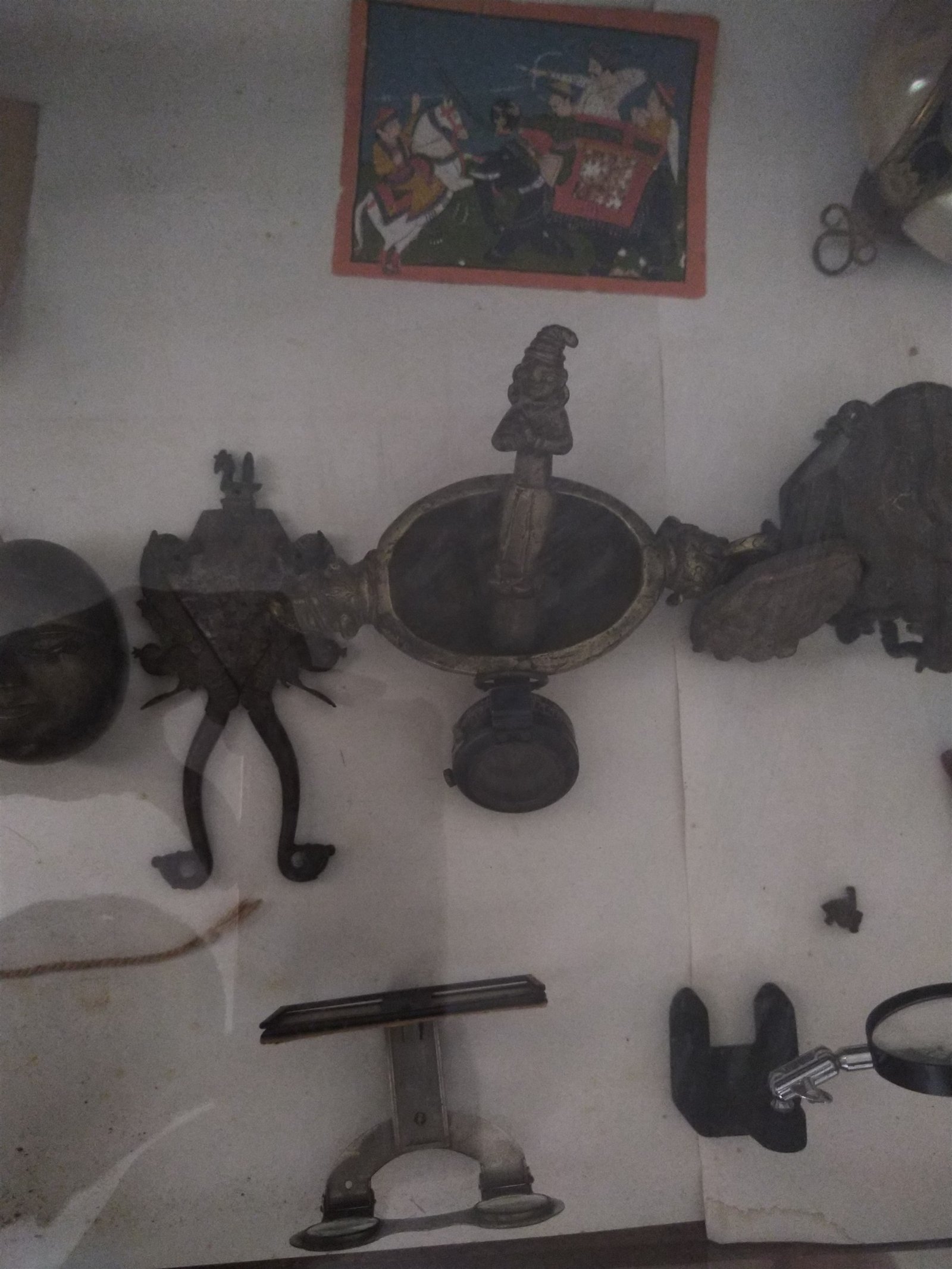
Jain art in the museum.
Acharya Hemachandra, and the manuscripts Patan kept
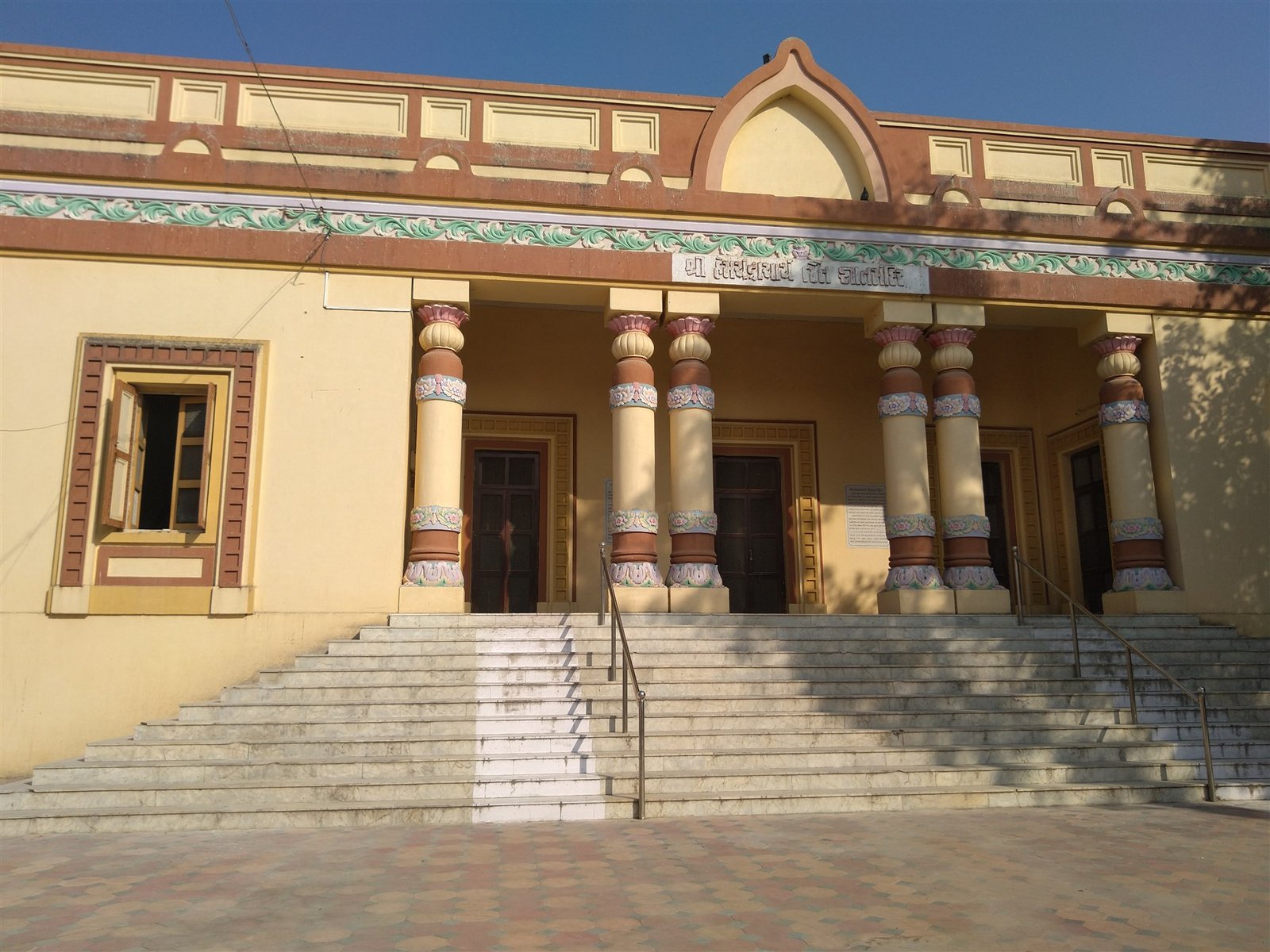
The Jnan Mandir, Patan.
Acharya Hemachandra, the great Jain polymath of the twelfth century, served as adviser to the Solanki kings Siddharaja Jayasimha and Kumarapala.
Under them Patan — then Anhilwad, the Solanki capital — became one of the foremost centres of scholarship in western India.
The Jain community built manuscript bhandars here, and thousands of palm-leaf and paper texts were copied, collected and preserved.
That tradition survives in the Gyan Mandir, which is both a working manuscript library and a museum of Jain art.
Reasons to make the time
Rare manuscripts
The collection runs to thousands of manuscripts, some of them centuries old and among the oldest surviving Jain texts anywhere.
Palm-leaf texts
Many are illustrated, with painted miniatures and illuminated margins worked in gold and mineral pigment.
Hemachandra's legacy
Hemachandra wrote across grammar, poetics, logic, lexicography and history — a range that has few parallels in Indian scholarship.
Jain art museum
The museum holds Jain sculpture, bronzes and ritual metalwork alongside the manuscript collection.
Centre of learning
Patan's tradition of learning is the real subject here, and the building exists to continue it rather than to display it.
Medieval heritage
For the history of Gujarat's intellectual life, this is among the most important institutions in the state.
What to look for inside
 THE MUSEUM
Jain art
Sculpture, bronzes and ritual metalwork in the museum galleries.
 THE LIBRARY
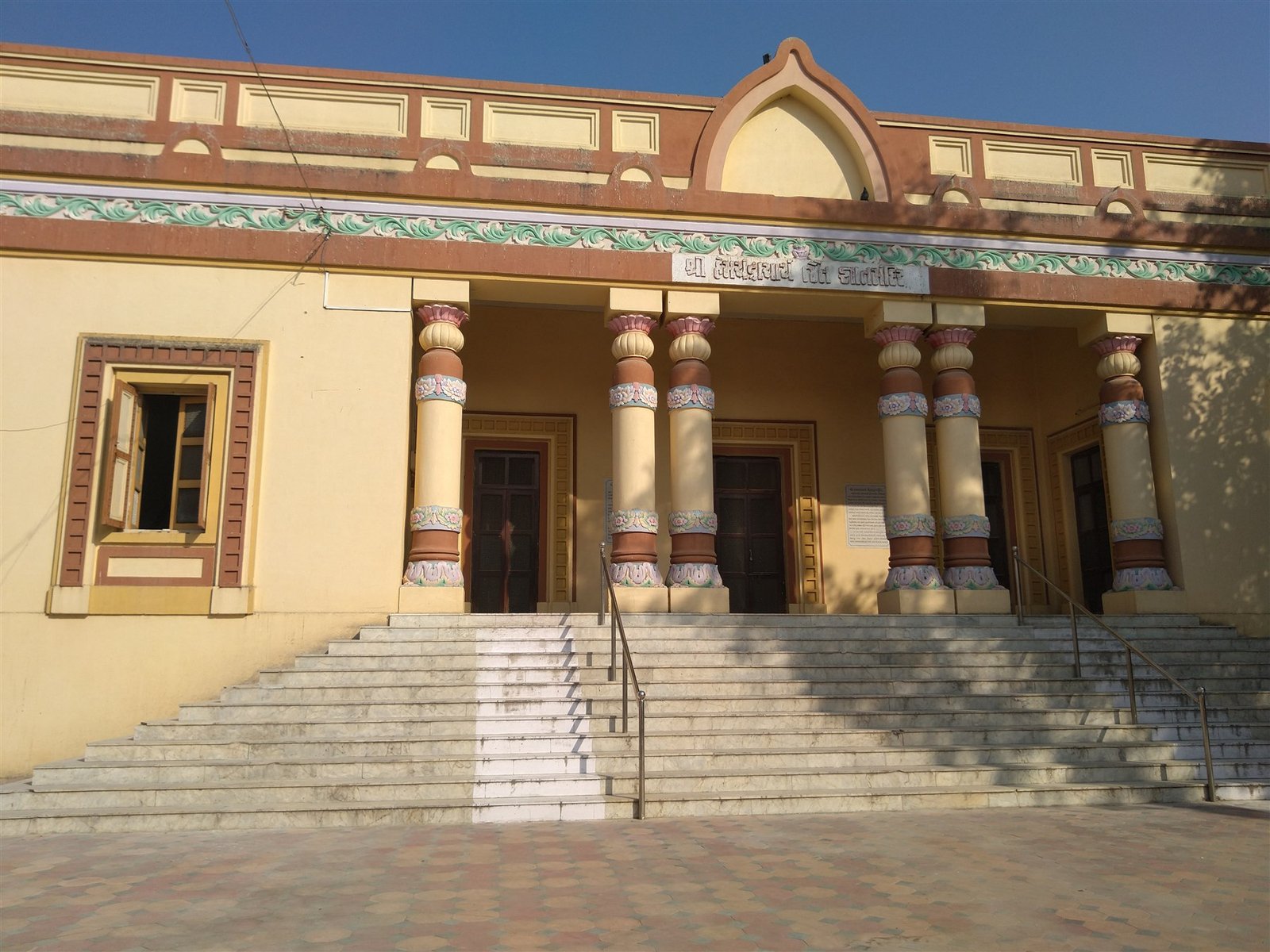
The Jnan Mandir
The manuscript treasury, still a working library rather than an exhibit.
How to spend an hour or two
See the museum
Go through the Jain art collection, whose bronzes and metalwork are the strongest part of the display.
Learn of Hemachandra
Learn who Hemachandra was; the institution makes far more sense once you know what he did.
View Jain art
Look closely at the sculpture and metalwork, much of it recovered from the Solanki period.
Understand the bhandar
Understand the manuscript treasury even if you cannot enter it — that collection is why this place matters.
Sense the scholarship
Take in Patan's history as a seat of learning, which is easy to miss behind Rani ki Vav.
Pair with the temples
Walk to the Panchasara Parshwanath temple nearby, the town's principal Jain shrine.
Objects in the museum.
Manuscripts and museum
The Hemchandracharya Jain Gyan Mandir houses a celebrated gyan bhandar (knowledge-treasury) of thousands of rare palm-leaf and paper manuscripts, alongside a museum of Jain art, metalwork, sculpture and antiquities.
Named for the 12th-century polymath Acharya Hemachandra, it continues Patan’s role as a great centre of learning. (The museum is open to visitors; manuscript access is by permission.)
This is one of many places worth seeing here — the full guide to Patan has the rest.
If this is what you travel for, browse temples across Gujarat.
Thousands of manuscripts
Illustrated palm-leaf texts
Jain art & metalwork museum
Hemachandra’s scholarly legacy
When to go
October to March is the comfortable season in Patan and the right time to combine this with Rani ki Vav and the patola workshops.
The monsoon is green and pleasant here, and everything on this visit is indoors in any case.
April to June is hot and dry in north Gujarat; start early and see the outdoor sites first.
⏰ The museum is the main draw for visitors; manuscript study needs prior permission. Pair it with Panchasara temple.
Timings & entry
- Museum open daytime
- Check the weekly off-day
- Manuscripts by permission
- Allow about an hour
- Museum entry by ticket
- Manuscript access by permission
- Photography may be limited
- A scholarly institution
Getting there
By Air
Ahmedabad airport (~125 km).
By Rail
Patan station.
By Road
In Patan town.
At the Jnan Mandir
KNOWLEDGE & ART
A treasury of manuscripts
What to shoot
The museum building and its exterior.
Inside
Exhibits, where photography is permitted.
Detail
Jain bronzes and ritual metalwork.
Best light
The building in late afternoon light.
Know before you go
More to see close by
 ANCIENT TANK
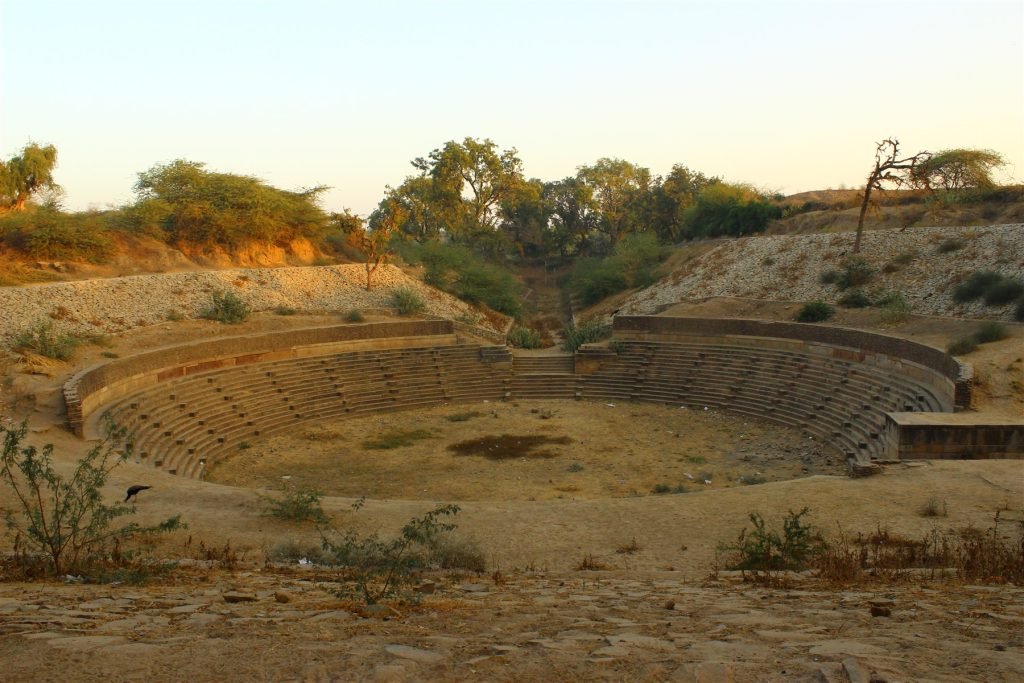
Sahastralinga Talav
A vast Solanki-era reservoir of a thousand shrines
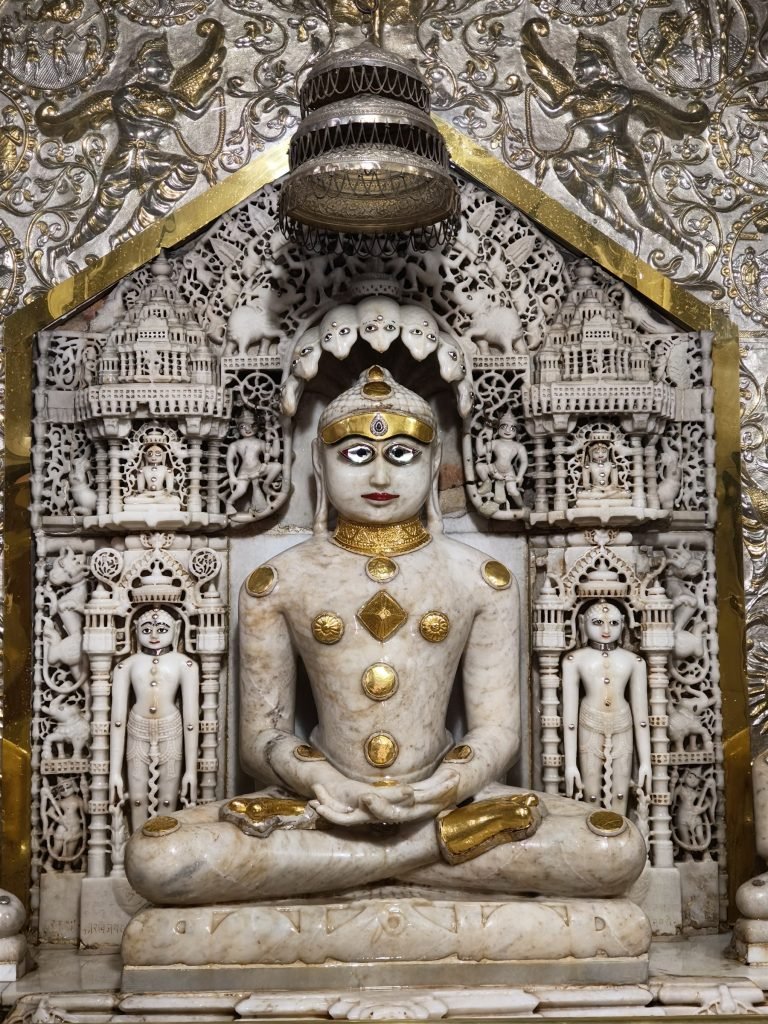
Panchasara Parshwanath
An exquisite white-marble Jain temple
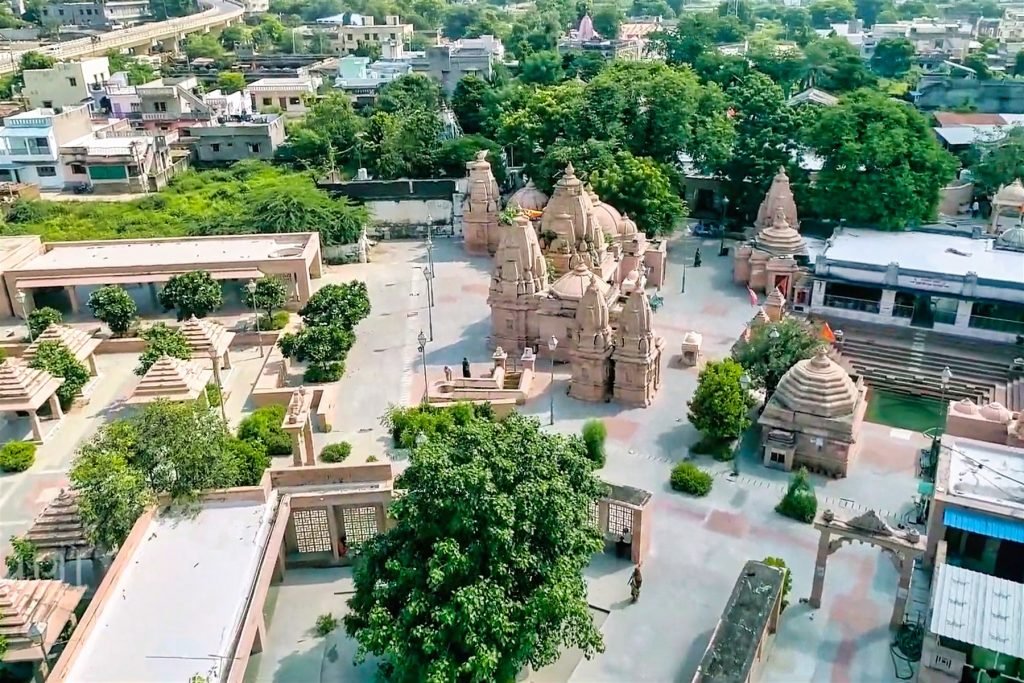 SACRED
Bindu Sarovar
A holy tank at Sidhpur (Matru Gaya)
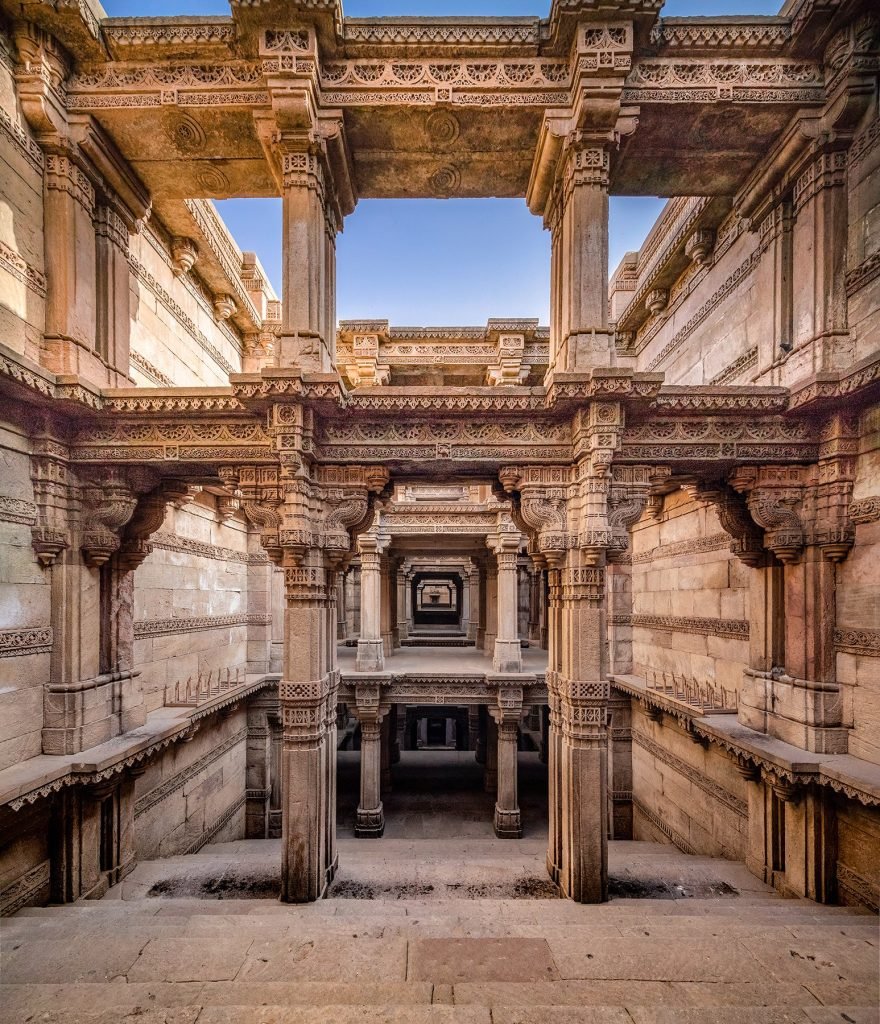 STEPWELL
Regional Vavs
Carved stepwells scattered across the district
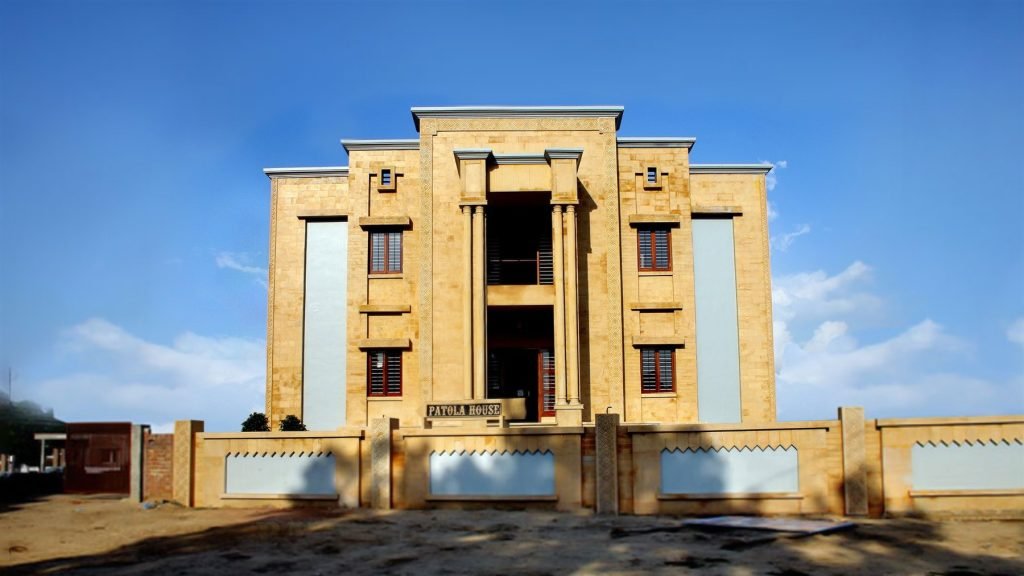 CRAFT
CRAFTPatola Heritage House
Watch double-ikat silk woven by master families
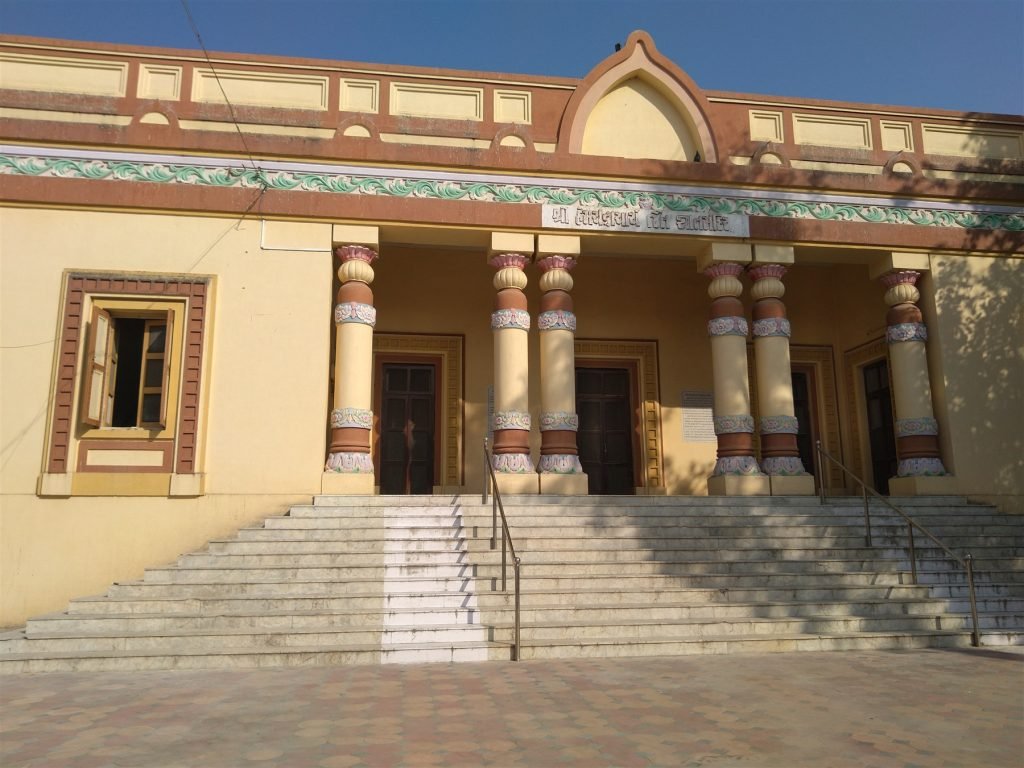 HISTORY
Patan City Anhilwad
Traces of the great Solanki capital
Where to eat near Hemchandracharya Library
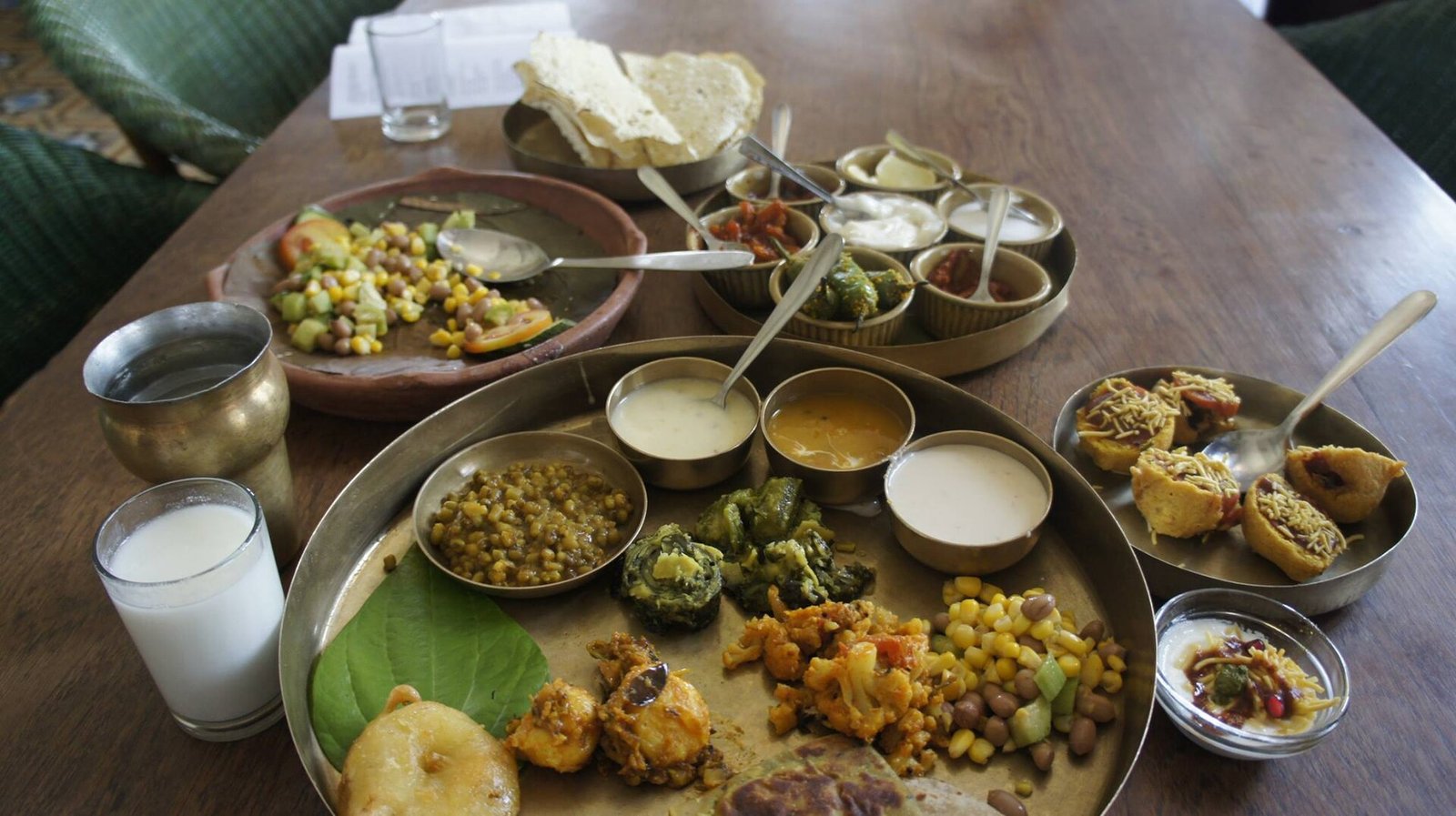 THALI
THALIGujarati Thali
Sweet-savoury full meals.
 FARSAN
Dhokla & fafda
Steamed and fried snacks.
 STREET
Chaat & snacks
Simple market-town fare.
Pure-veg town
Classic North Gujarat veg; Mehsana's milk sweets near.
Hemchandracharya Library FAQ
What is the Hemchandracharya Jnan Mandir?
A renowned Jain library and museum in Patan, preserving thousands of rare palm-leaf and paper manuscripts alongside a collection of Jain sculpture, bronzes and ritual metalwork.
Who was Hemachandra?
A twelfth-century Jain polymath who advised the Solanki kings Siddharaja Jayasimha and Kumarapala. He wrote across grammar, poetics, logic, lexicography and history, and he is central to the intellectual history of Gujarat.
What does it hold?
Rare palm-leaf and paper manuscripts, many of them illustrated, together with a museum of Jain art, sculpture and metalwork.
Can I see the manuscripts?
Manuscript access is by prior permission and intended for scholars. The museum itself is open to visitors during normal hours.
Is there an entry fee?
Yes, museum entry is by ticket. It is nominal.
Where is it?
In Patan town, near the Panchasara Parshwanath temple, and a short drive from Rani ki Vav.
How long does it take?
About an hour for the museum. Longer if you have arranged scholarly access to the manuscript collection.
When should I visit?
October to March, when north Gujarat is comfortable and Patan's outdoor sites can be combined with this one.
Related places across Gujarat
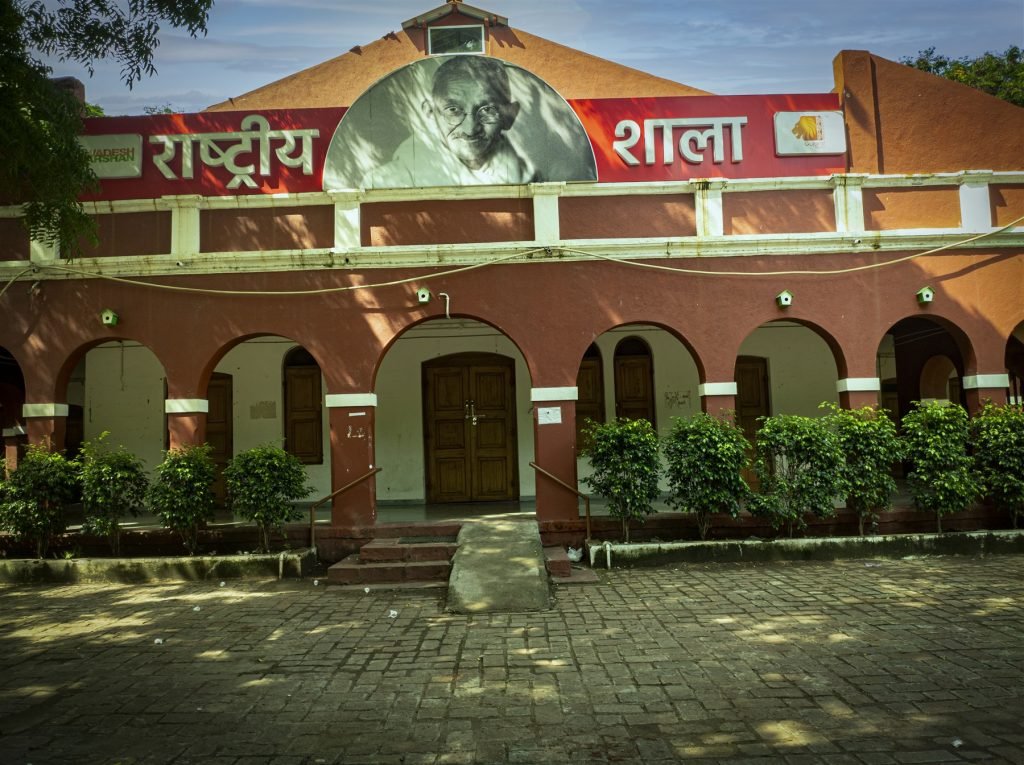 INSTITUTION
Rashtriya Shala
Gandhi’s centre for crafts & education
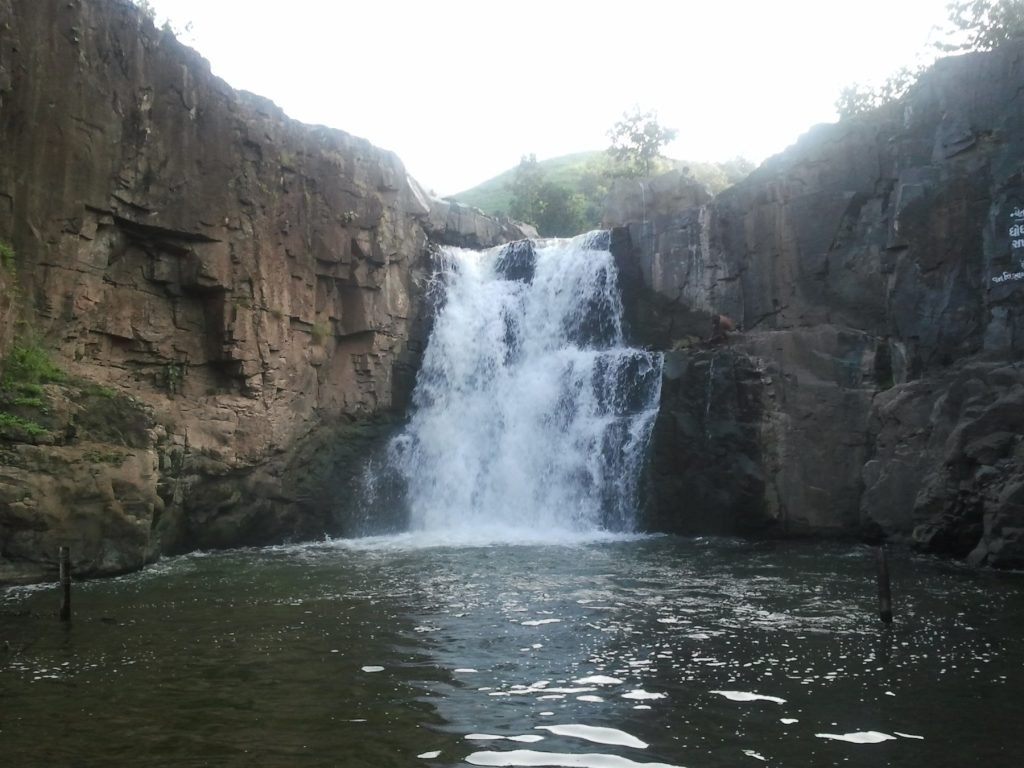 WATERFALL
Zarwani Falls
A monsoon cascade inside the sanctuary
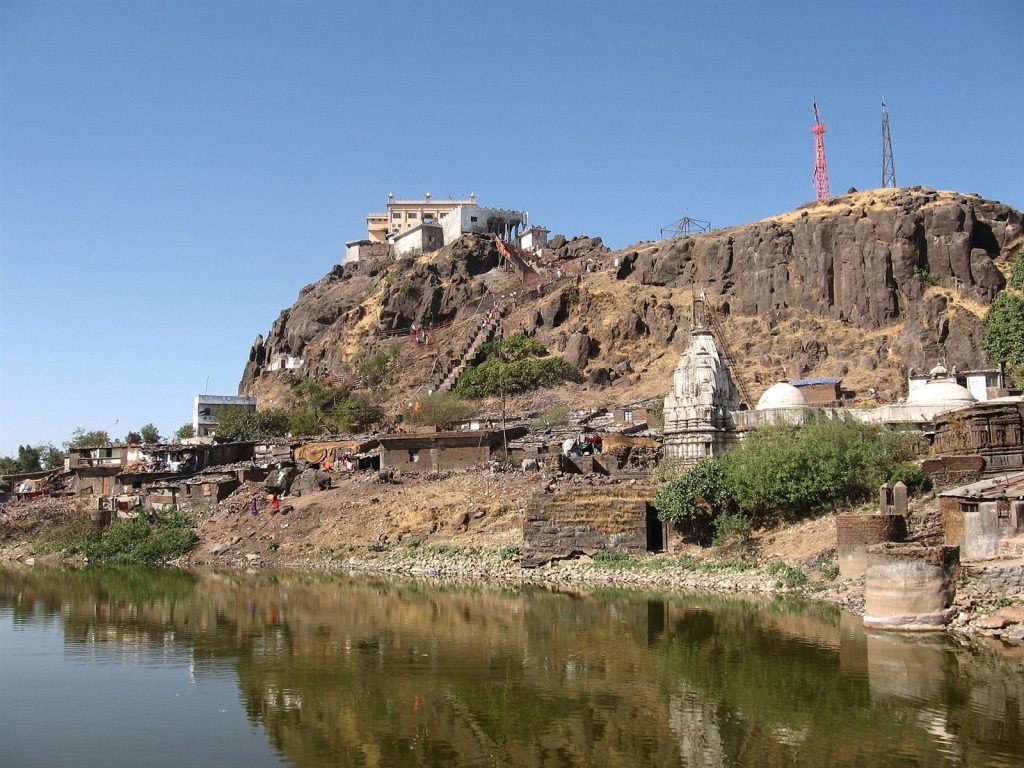
Pavagadh Summit
The Pavagadh summit is topped by a much-revered temple that draws a steady stream of pilgrims,…
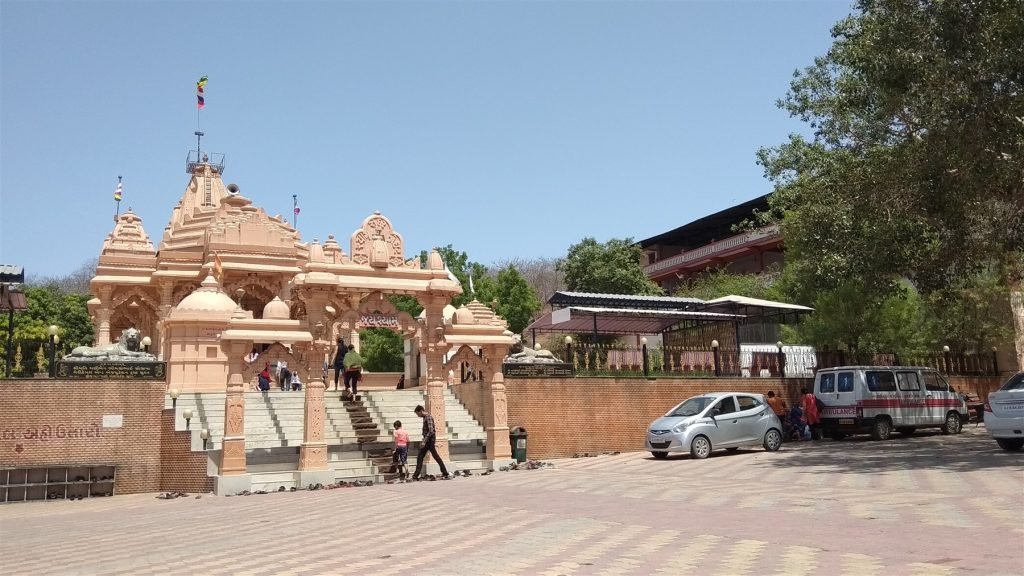
Tulsishyam
The first Jyotirlinga, rebuilt at the ocean’s edge
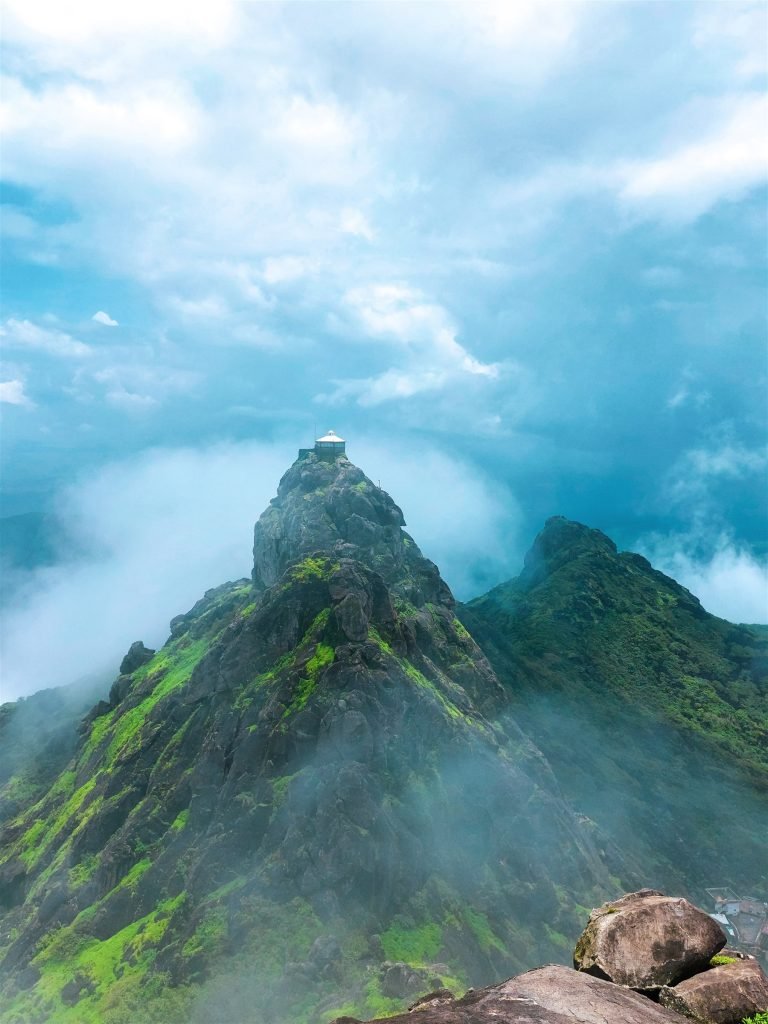 PILGRIMAGE
Girnar
~9,999 steps to cliff-top Jain & Hindu temples

Jagat Mandir
A central landmark temple of Rajkot
WHERE TO STAY
Find your stay in Gujarat
Compare live prices across the big booking sites and reserve in a few taps. Booking happens securely on the partner's site — we may earn a small commission at no extra cost to you.
Book directly on our partner sites — tap a provider to see live Gujarat hotels & prices:
SHOP THE REGION
Bring home Gujarat — & travel essentials
Hand-picked crafts and trip gear, available on Amazon.
Published 24 June 2026 · Updated 24 August 2026
We’re an independent group of writers and travellers documenting every corner of Gujarat — one place, plate and festival at a time.