
The thousand-linga tank
Near Rani ki Vav at Patan lie the evocative remains of Sahastralinga Talav, the ‘Tank of a Thousand Lingas’ — a vast artificial reservoir built in the 11th–12th centuries under the great Solanki king Siddhraj Jaysinh. In its prime it was a masterpiece of medieval hydraulic engineering: a huge tank fed by a sophisticated network of canals, sluices and channels drawing water from the Saraswati river, its banks lined — as the name suggests — with around a thousand small Shiva shrines (lingas) and ghats.
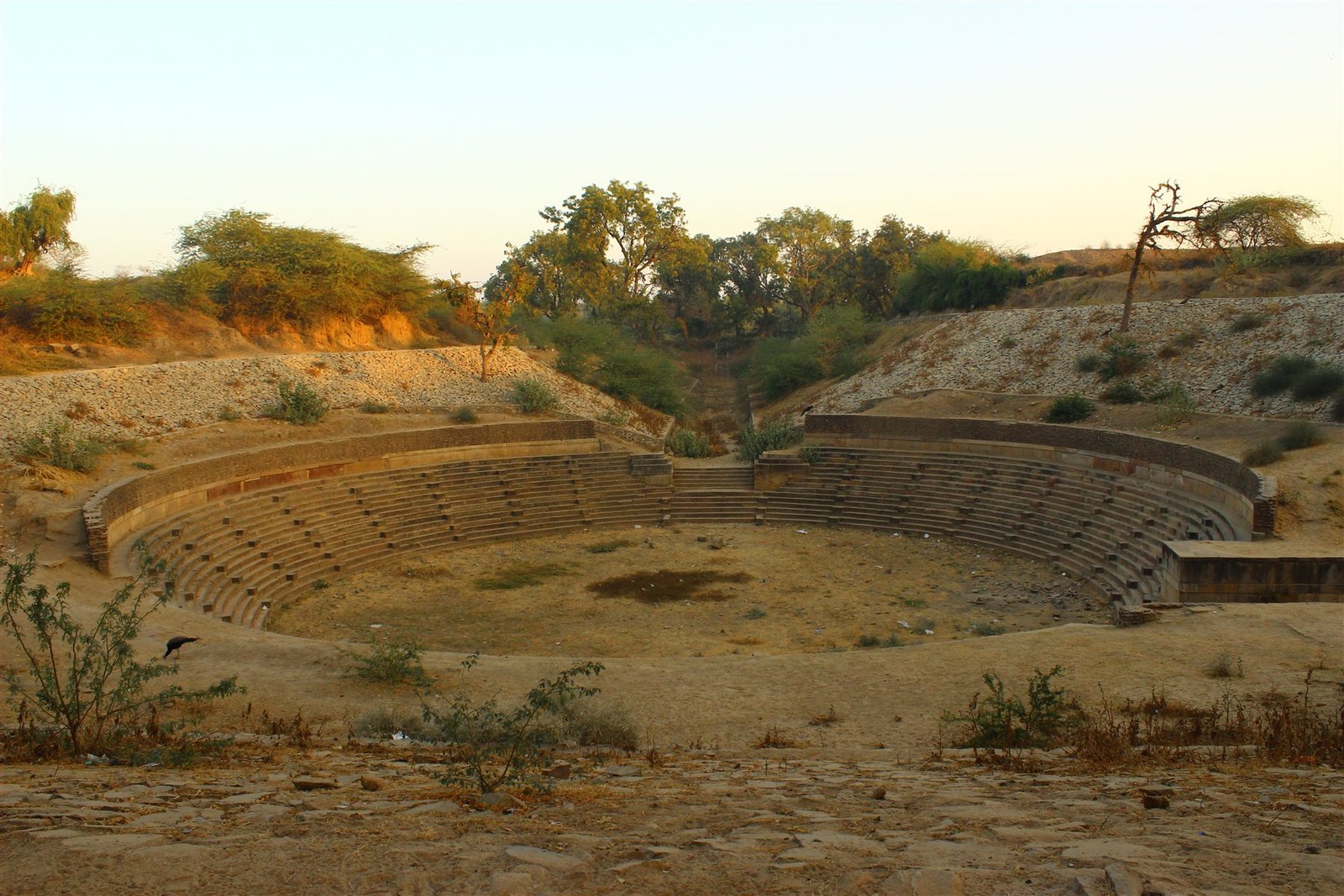
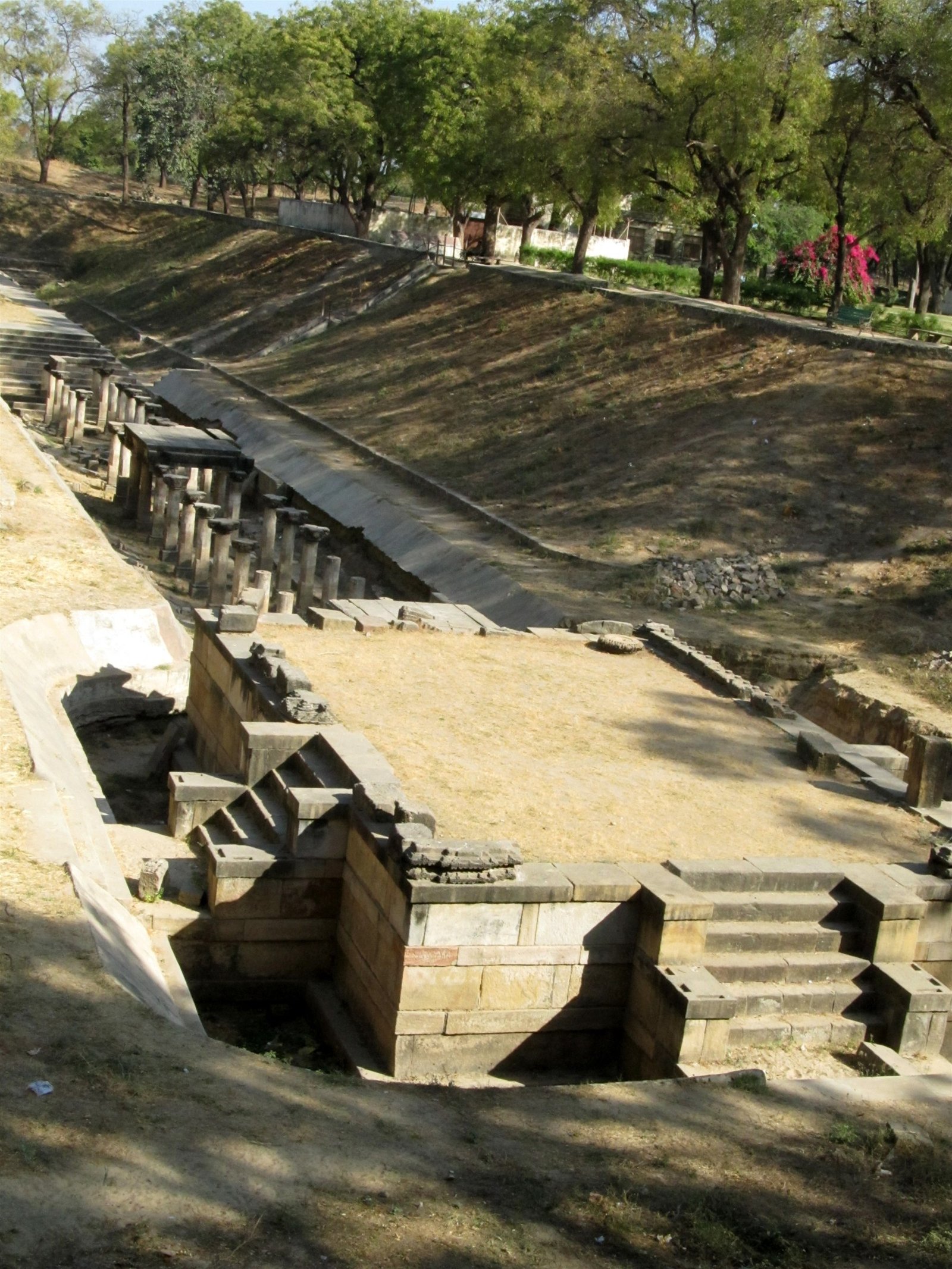
What survives is the skeleton of a hydraulic system rather than a picturesque ruin: sluices, channels and the stepped embankments that once fed the tank from the Saraswati, with the plinths of the small shrines that ringed the water. Read alongside Rani ki Vav a few minutes away, the two show the Solanki capital managing its water with equal parts engineering and devotion.
Sahastralinga rewards imagination as much as looking: what survives — the carved sluice gates, the feeder canal’s masonry, the platforms and scattered linga shrines — must be reassembled mentally into a lake nearly a kilometre across, ringed by a thousand Shiva shrines, at the heart of western India’s greatest city. The legend attached to it, of Siddhraj and the curse of Jasma Odan that left the tank dry, is Patan’s own explanation for the silting that history blames on the Saraswati’s shifting course.
Come in the soft morning light, walk the excavated stonework slowly, and finish at Rani ki Vav — the same dynasty’s water genius turned from public works to memorial art. Together the two sites say more about Solanki Gujarat than any museum could.
The tank served both as a water-supply system for the capital and as a sacred bathing complex, blending utility with devotion in characteristic Solanki style. Though now largely in ruins — silted and damaged over the centuries — the surviving canals, platforms and stonework still convey the scale and ingenuity of the original, making it a fascinating, atmospheric site for those drawn to Gujarat’s golden age.
(An ASI-protected archaeological site; freely accessible.)
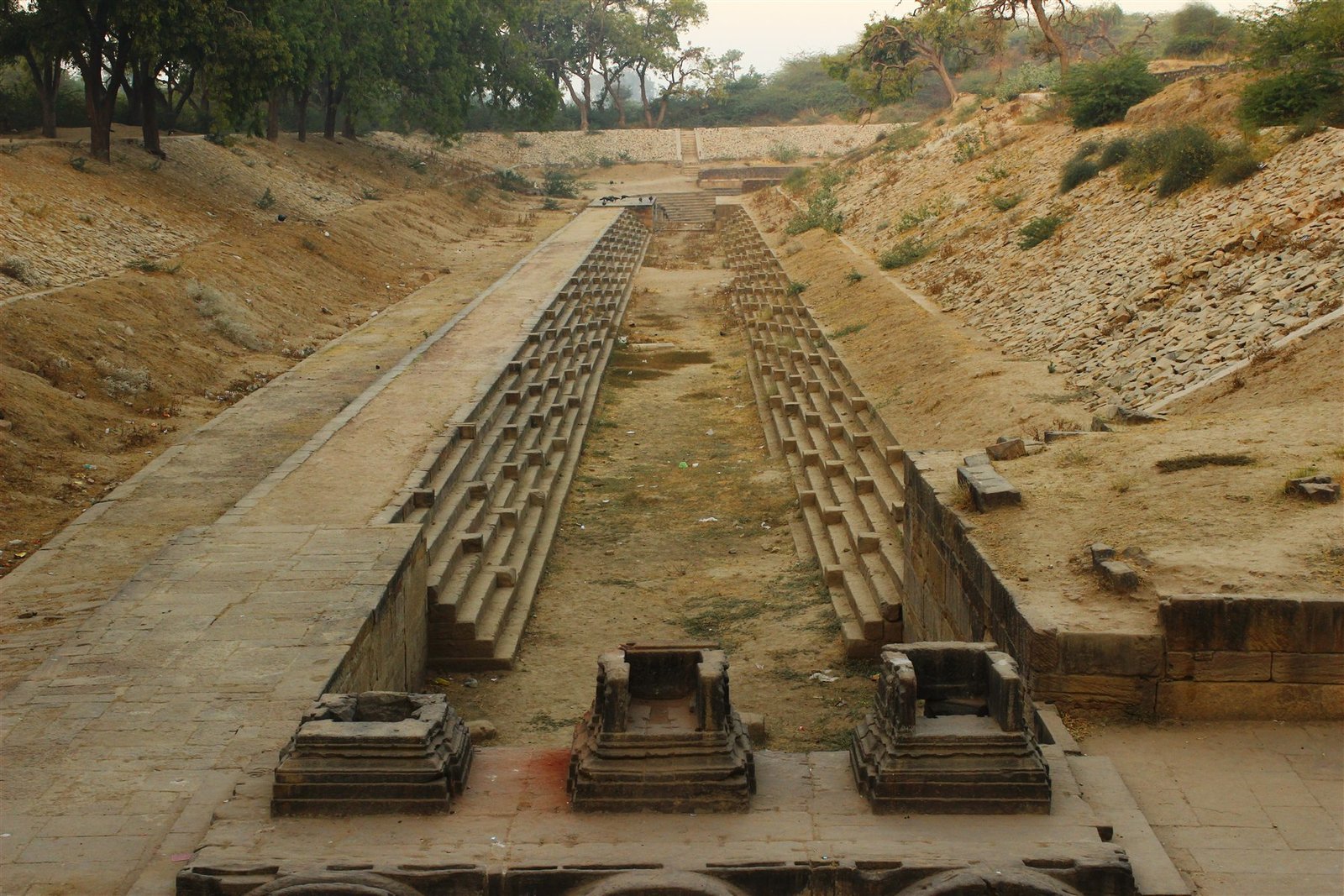
A canal of Sahastralinga Talav.
Siddhraj's tank, ringed with a thousand shrines
The Sahastralinga Talav ruins.
Under the great Solanki king Siddhraj Jaysinh, the vast artificial reservoir is created at the capital of Patan.
A sophisticated network of canals and sluices channels water from the Saraswati to fill the tank.
Around a thousand small Shiva shrines (lingas) and bathing ghats line the banks of the great tank.
Silted and damaged over the centuries, the surviving canals, platforms and stonework still convey the original scale.
Reasons to make the time
Solanki water marvel
Medieval engineering.
Thousand lingas
Shiva shrines around it.
Canal system
Sluices and channels.
Sacred tank
For bathing and ritual.
Atmospheric ruins
Quiet and evocative.
Near Rani ki Vav
An easy pairing.
What to look for inside
 THE TANK
Platforms & ghats
Stone water terraces.
 THE SYSTEM
Canals
The feeder channels.
How to spend an hour or two
Trace the canals
Trace the feeder channels that brought the Saraswati's water in.
Picture the tank
Picture the tank in its full glory — a lake ringed by a thousand shrines.
See the sluices
Study the sluice stonework, the water controls of a medieval capital.
Sense the scale
Walk the immense bowl the reservoir once filled.
Learn Siddhraj's reign
Read it as the Solanki golden age in civil engineering.
Pair with Rani ki Vav
Pair it with Rani ki Vav, minutes away across Patan.
Stonework of the old tank.
Canals, sluices and shrines
Sahastralinga Talav was a vast artificial reservoir fed by an engineered network of canals and sluices from the Saraswati, its banks once lined with a thousand small Shiva shrines and bathing ghats. A fusion of waterworks and worship typical of the Solanki age, it survives today as atmospheric ruins — canals, platforms and stonework that still hint at its original scale and ingenuity. (An ASI archaeological site; freely accessible.)
Planning more of the area? Our Patan guide covers the whole district.
Vast artificial reservoir
Canal & sluice network
~1,000 Shiva shrines
Sacred bathing ghats
When to go
Cool and pleasant — the ideal season.
Green and atmospheric after rain.
Hot and dry — start early.
⏰ Combine Sahastralinga with Rani ki Vav nearby; the ruins are most atmospheric in soft morning light.
Timings & entry
- A freely accessible open site
- Best explored in the morning
- Wear sturdy shoes for ruins
- Allow about 45 minutes
- No entry fee
- An ASI-protected ruin
- Don't climb fragile stonework
- Carry water in warm months
Getting there
By Air
Ahmedabad airport (~125 km).
By Rail
Patan station.
By Road
Near Rani ki Vav, Patan.
At the tank
RUINS & WATER
A medieval engineering marvel
What to shoot
The canals and sluices.
Detail
Carved stonework.
Setting
The ruined tank field.
Best light
Soft morning light.
Know before you go
More to see close by
 STEPWELL
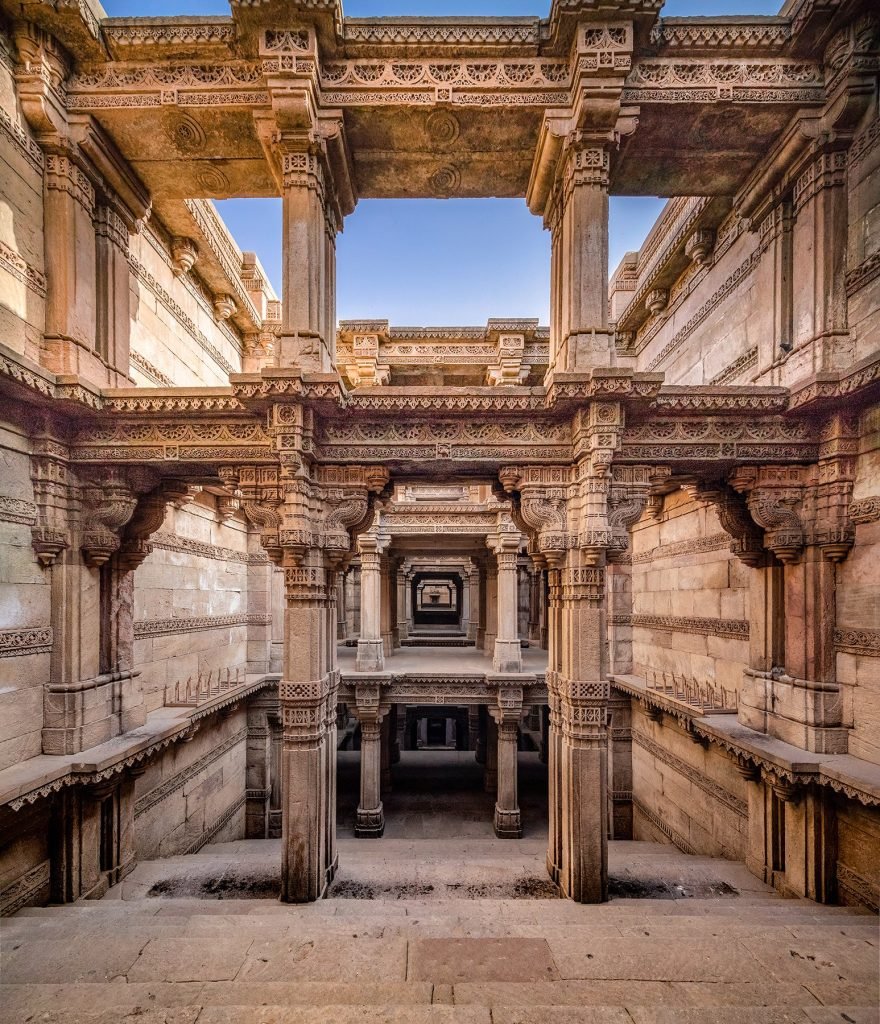
Regional Vavs
Carved stepwells scattered across the district
 UNESCO
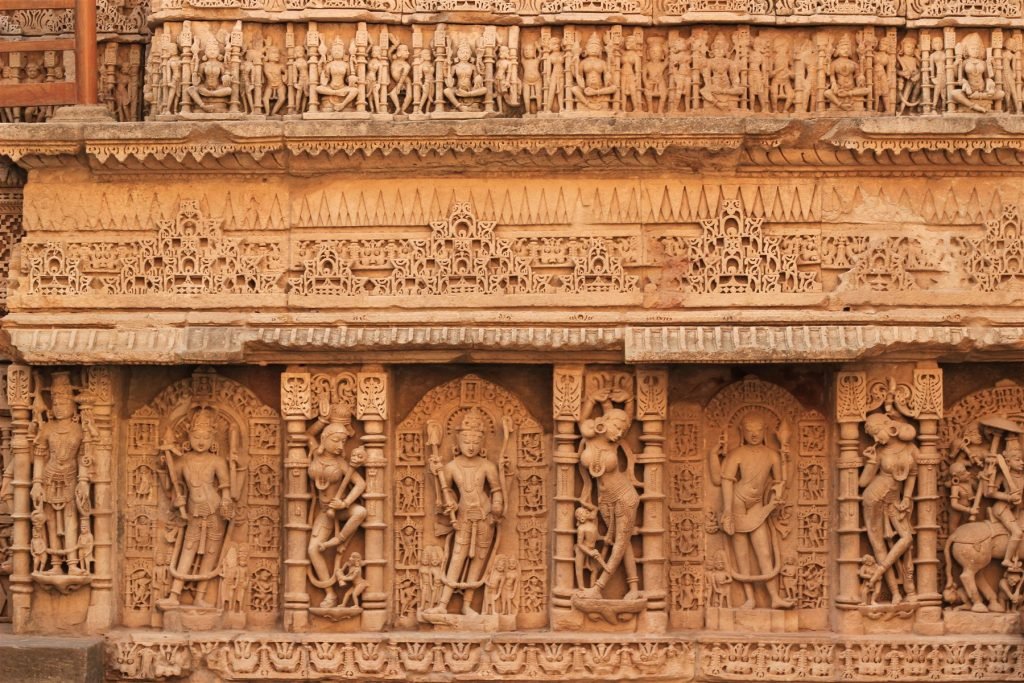
Rani ki Vav
The 11th-century ‘Queen’s Stepwell’ & its 800+ carvings
 CRAFT
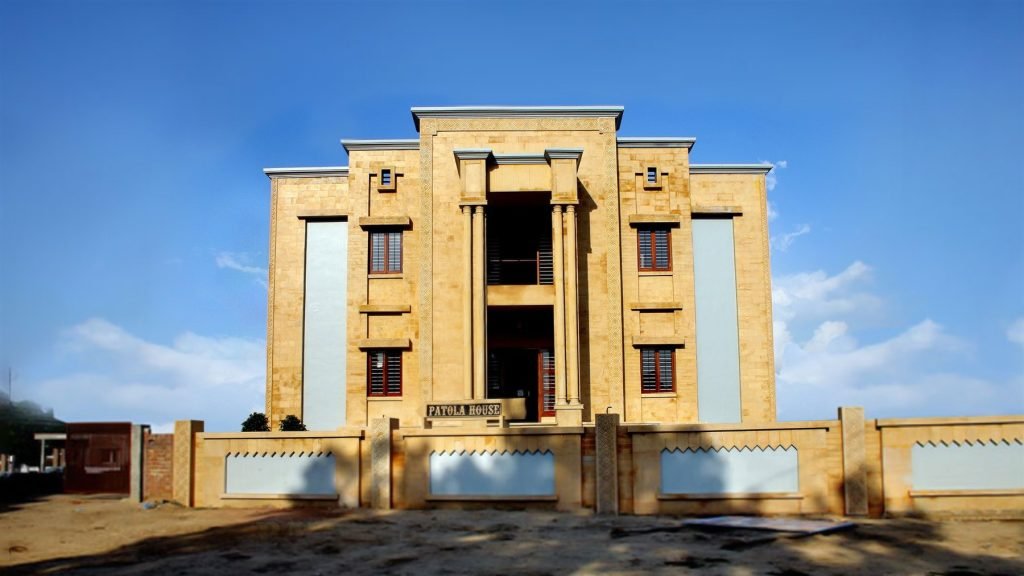
CRAFTPatola Heritage House
Watch double-ikat silk woven by master families
 CRAFT
CRAFTPatola Looms
Months of work in a single ikat sari
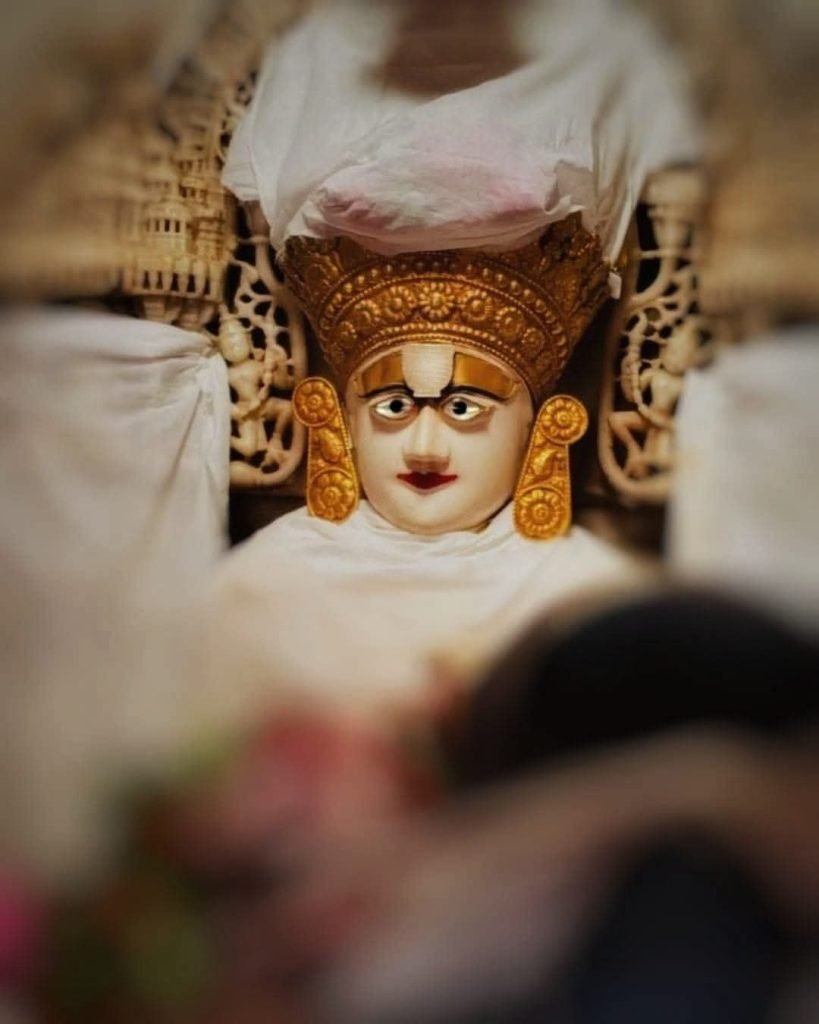
Shankheshwar Parshwanath
Vishnu avatars carved into the stepwell
 LAKE
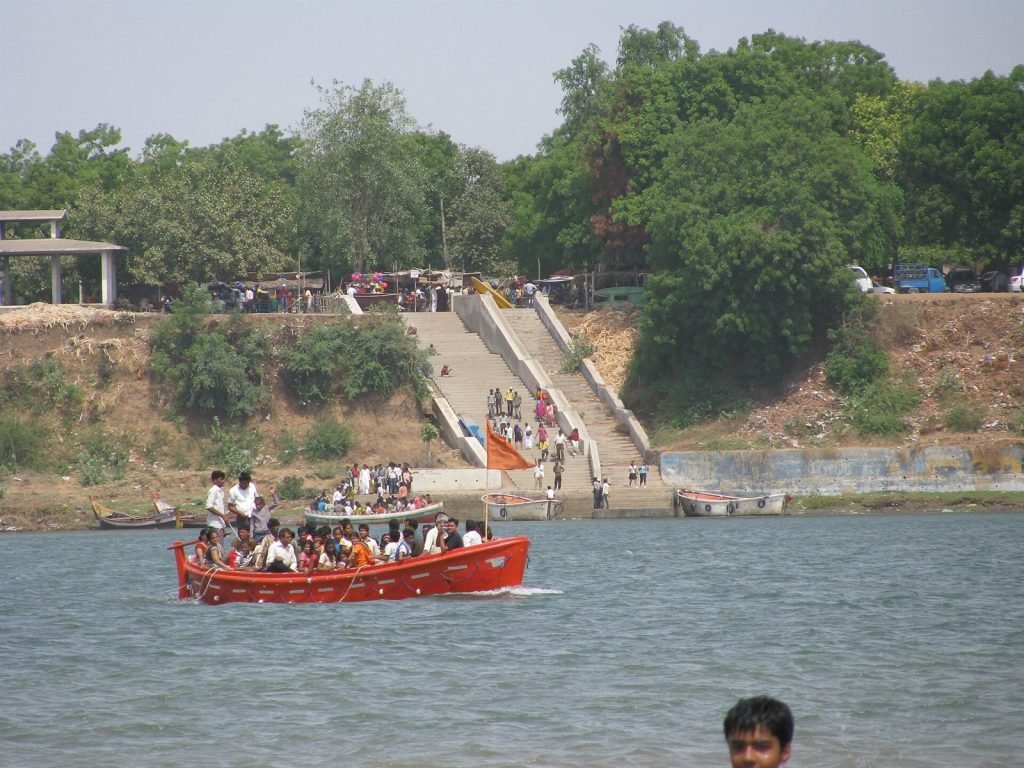
LAKEKhan Sarovar
A grand medieval stepped water tank
Where to eat near Sahastralinga Talav
Gujarati Thali
Sweet-savoury full meals.
Dhokla & fafda
Steamed and fried snacks.
Chaat & snacks
Simple market-town fare.
Pure-veg town
Classic North Gujarat veg; Mehsana's milk sweets near.
Sahastralinga Talav FAQ
What is Sahastralinga Talav?
A great Solanki-era artificial tank at Patan, the 'Tank of a Thousand Lingas.'
Who built it?
King Siddhraj Jaysinh of the Solanki dynasty, in the 11th–12th centuries.
Why the name?
Its banks were lined with around a thousand small Shiva shrines (lingas).
What's special about it?
Its sophisticated canal-and-sluice water engineering from the Saraswati.
Is there an entry fee?
No, it is freely accessible.
What survives today?
Atmospheric ruins — canals, platforms and stonework.
What's nearby?
Rani ki Vav, just a short distance away.
When should I visit?
October to March, in the morning.
Related places across Gujarat
 FORT
FORTZinzuwada Fort
Carved medieval fort gateways
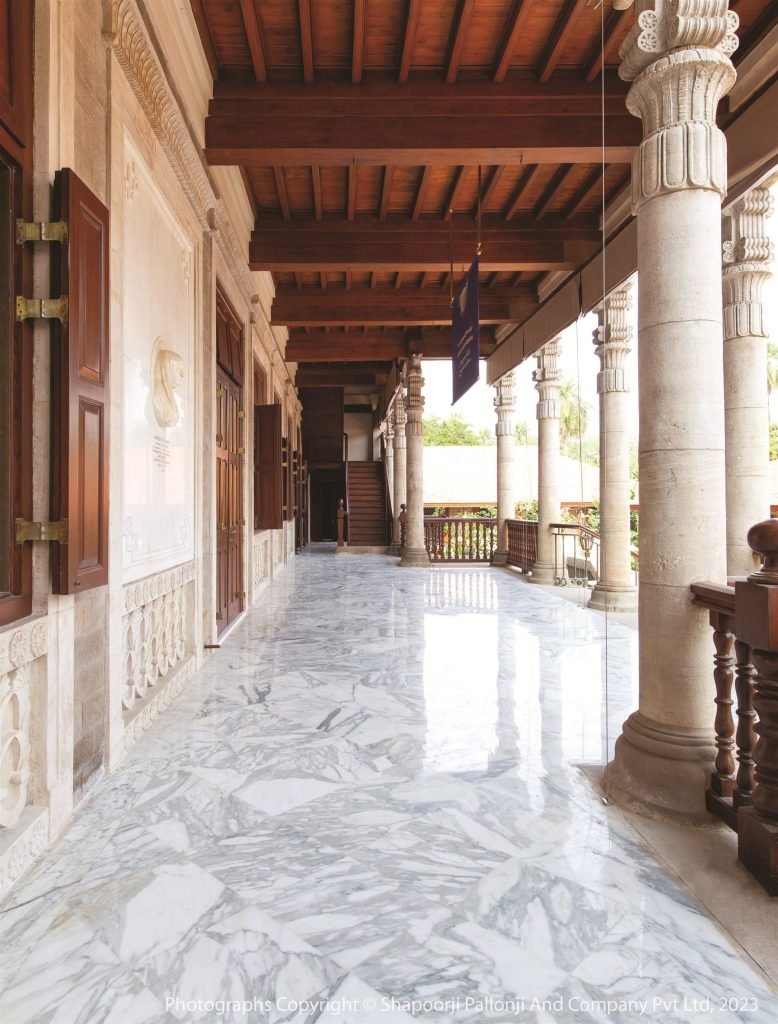 SACRED
Udvada Atash Behram
India’s oldest Zoroastrian holy fire

Bagdana Bapa Sitaram
The revered ashram-shrine of Bajrang Das Bapa — ‘Bapa Sitaram’ — at Bagdana, a great centre…
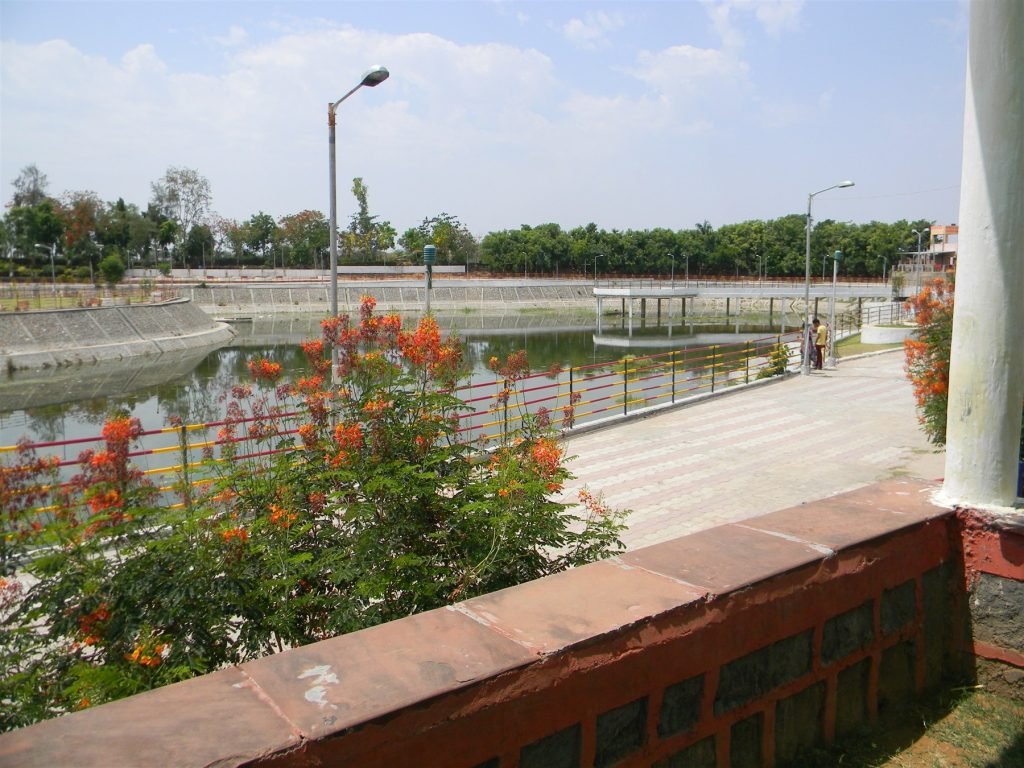 TOWN
TOWNModasa
The bustling district headquarters
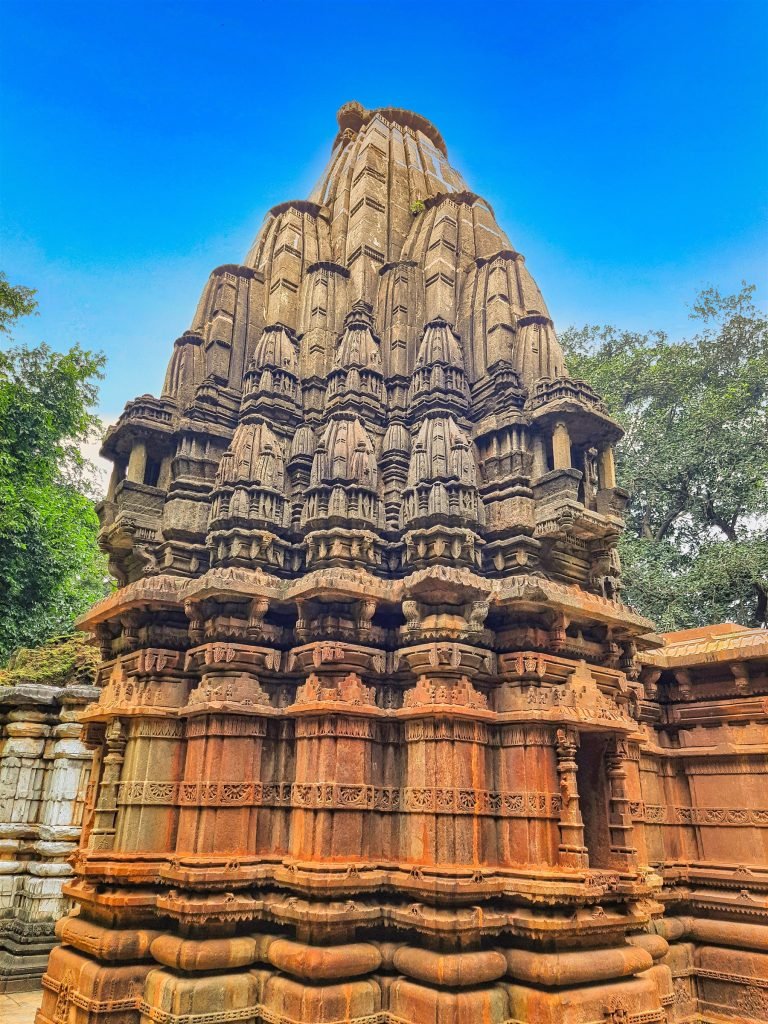 FOREST
Polo Forest
A jungle valley of ruined medieval temples
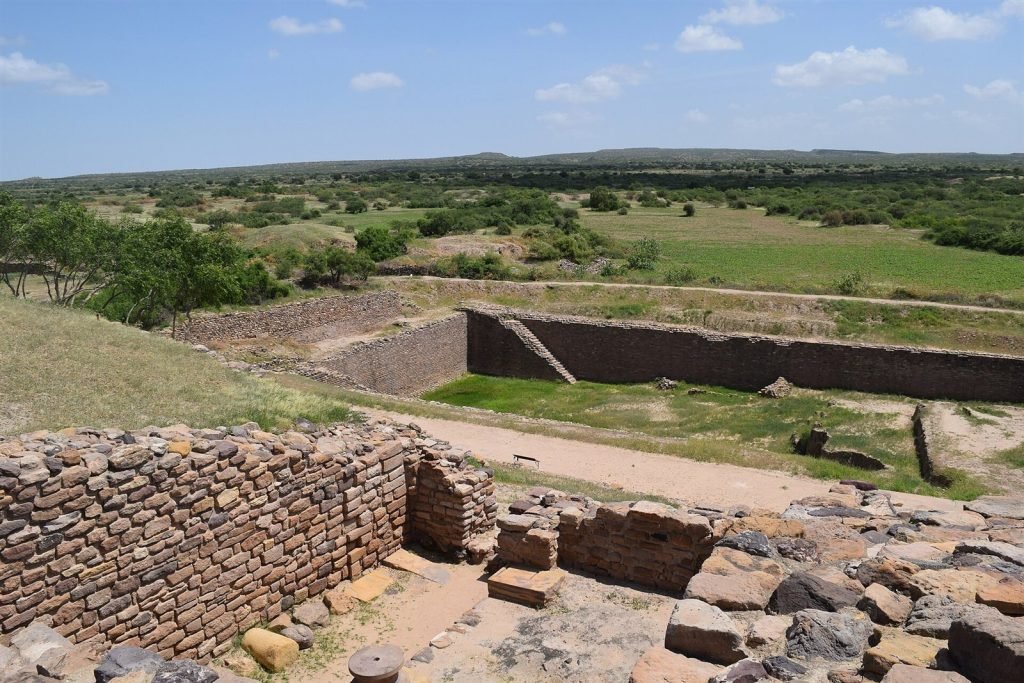
Vavol Shrines
Quiet local temples & stepwells
WHERE TO STAY
Find your stay in Gujarat
Compare live prices across the big booking sites and reserve in a few taps. Booking happens securely on the partner's site — we may earn a small commission at no extra cost to you.
Book directly on our partner sites — tap a provider to see live Gujarat hotels & prices:
SHOP THE REGION
Bring home Gujarat — & travel essentials
Hand-picked crafts and trip gear, available on Amazon.
Published 24 June 2026 · Updated 24 August 2026
We’re an independent group of writers and travellers documenting every corner of Gujarat — one place, plate and festival at a time.