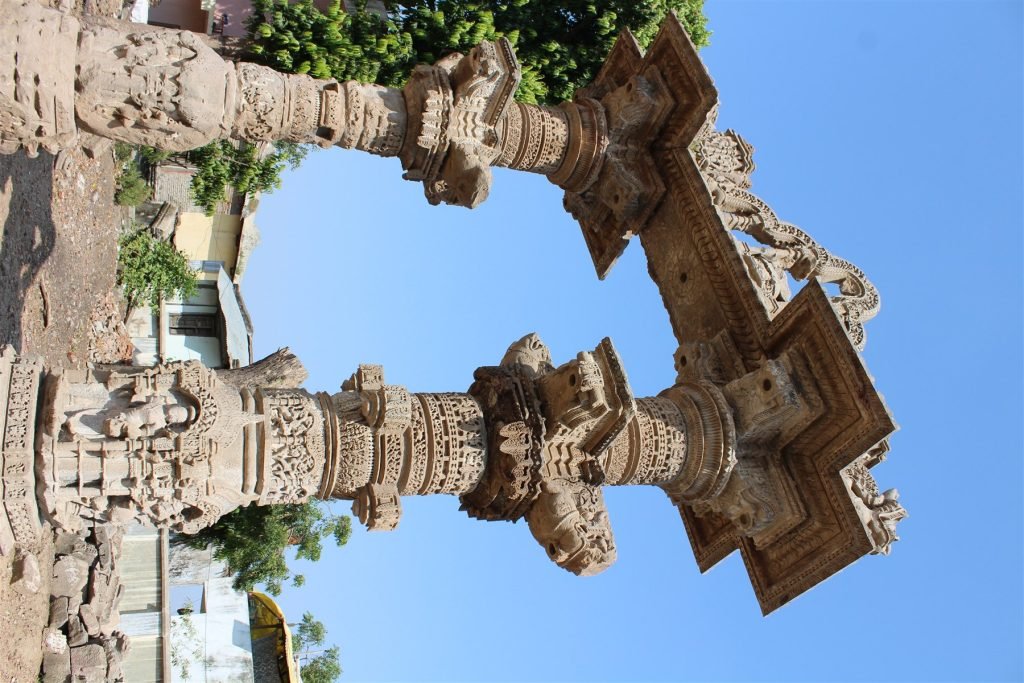
Patan — historically Anhilwad Patan or Anhilpur — is one of the most historically significant towns in Gujarat, having served for centuries as the capital of the powerful Chavda and Solanki (Chaulukya) dynasties from around the 8th to the 13th century. In its golden age under kings like Bhima I and Siddhraj Jaysinh, Anhilwad was among the great cities of western India — a flourishing centre of trade, learning, art and religion, with magnificent temples, stepwells and the vast Sahastralinga tank.
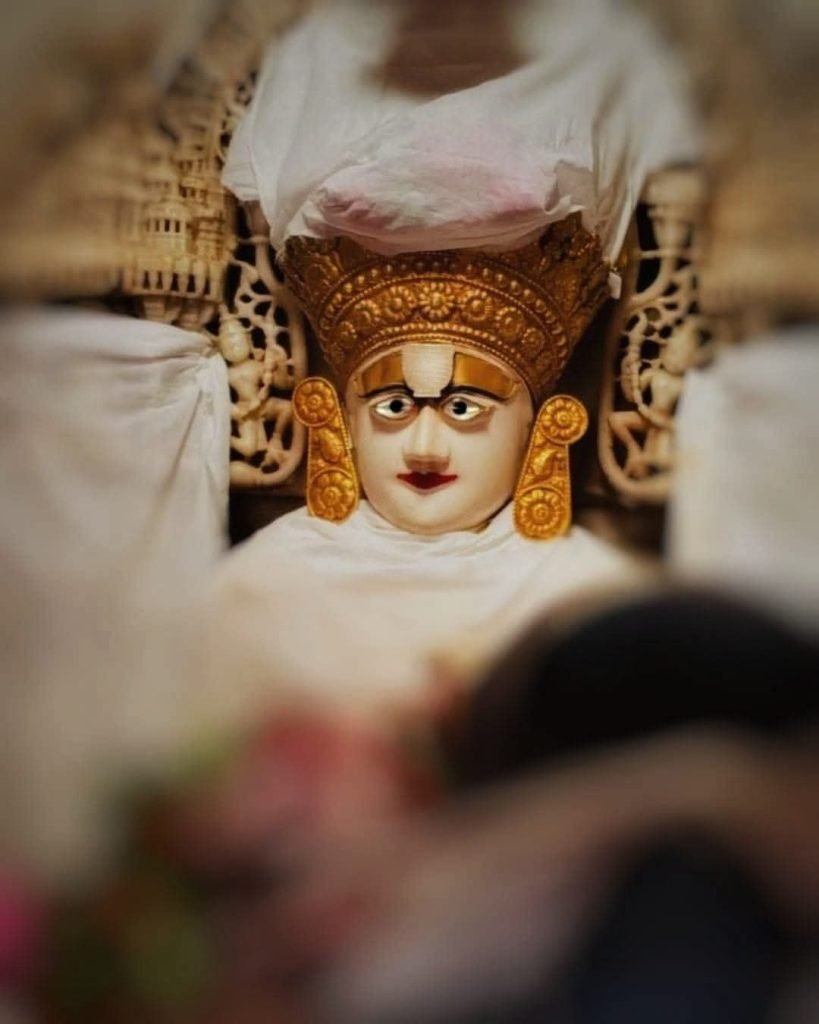
The town’s living Jain community — a thousand years in residence — keeps the old capital from feeling like a ruin; its derasars, bhandars and festival calendar are the continuity the monuments only imply.
Patan lies two hours north of Ahmedabad by road or rail, with Modhera’s Sun Temple thirty-five kilometres away completing the classic Solanki day; October to February gives the best weather, and January adds Modhera’s dance festival to the pairing.
Anhilwad’s arc is Gujarat’s own: founded by Vanraj Chavda in the eighth century, capital of the Solanki golden age when it ranked among the great cities of the East, sacked repeatedly from Mahmud of Ghazni onward, and finally eclipsed when Ahmedabad rose. What survives makes modern Patan a compact heritage feast — Rani ki Vav’s UNESCO-listed carving, Sahastralinga’s ruined tank, the living Jain quarter with Panchasara at its heart, Hemchandracharya’s manuscript treasury, and the patola looms weaving the old capital’s luxury still.
Give the town a full day: the vav in the morning light, the tank and old walls before lunch, then the derasars, the library and a patola workshop through the afternoon — a thousand years in comfortable walking order.
Though sacked and eclipsed in later centuries, Patan preserves an extraordinary heritage. It holds the UNESCO-listed Rani ki Vav, the ruins of Sahastralinga Talav, dozens of exquisite Jain temples (derasars), the priceless manuscript library of Hemchandracharya, and — uniquely — the living tradition of Patan Patola, the double-ikat silk weaving practised by a handful of master families.
To walk Patan is to walk through Gujarat’s medieval heart. It is a heritage town; its sights are spread across it and freely walkable.
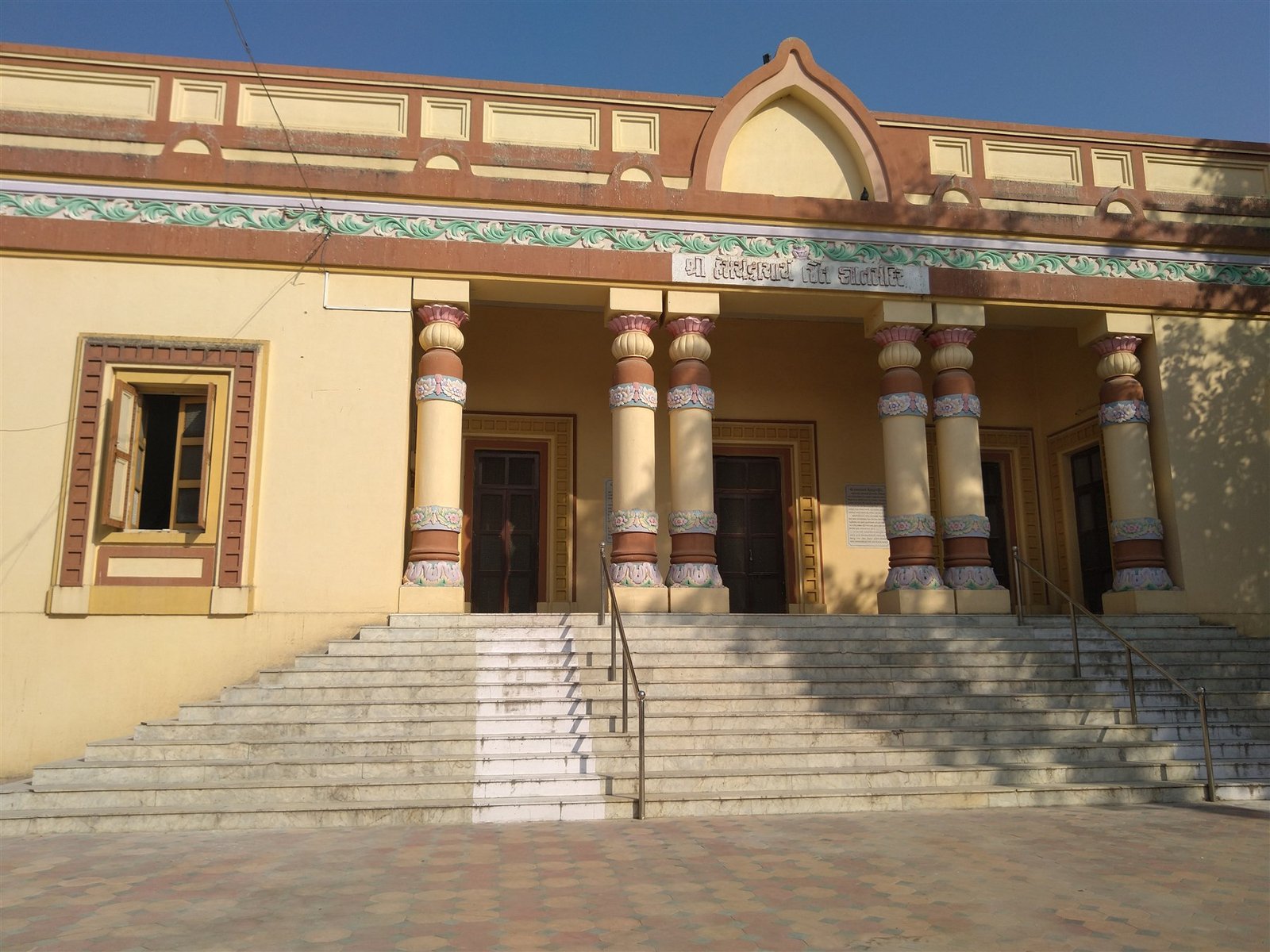
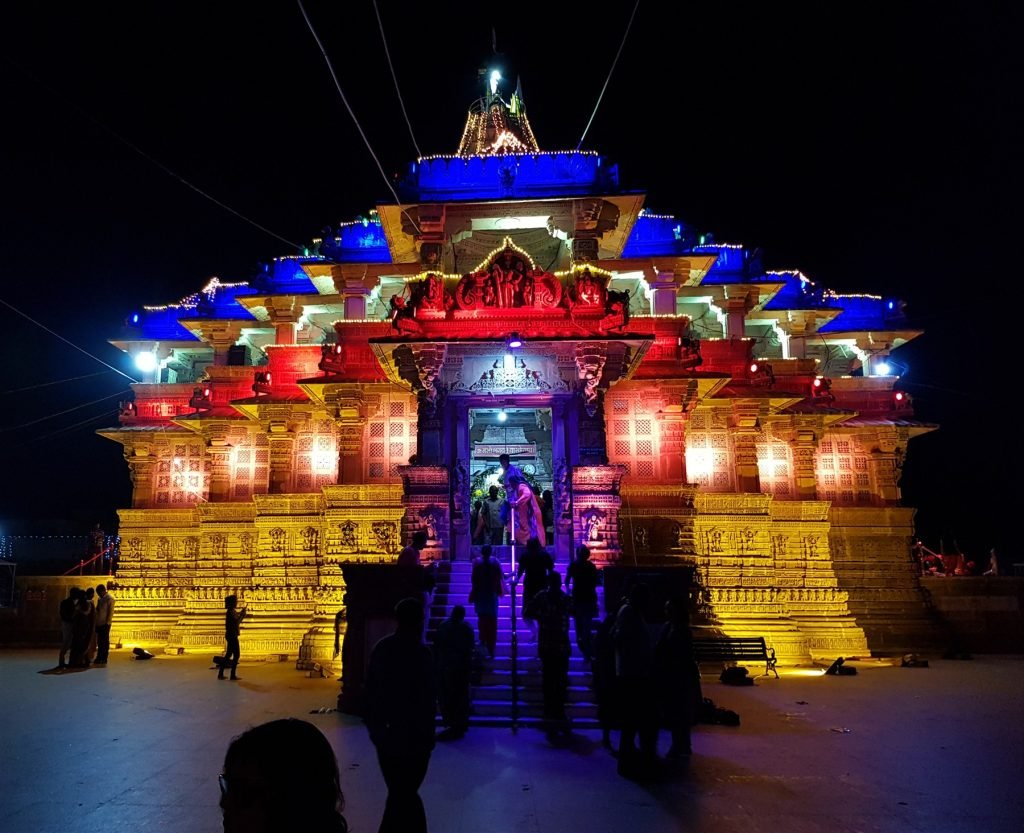
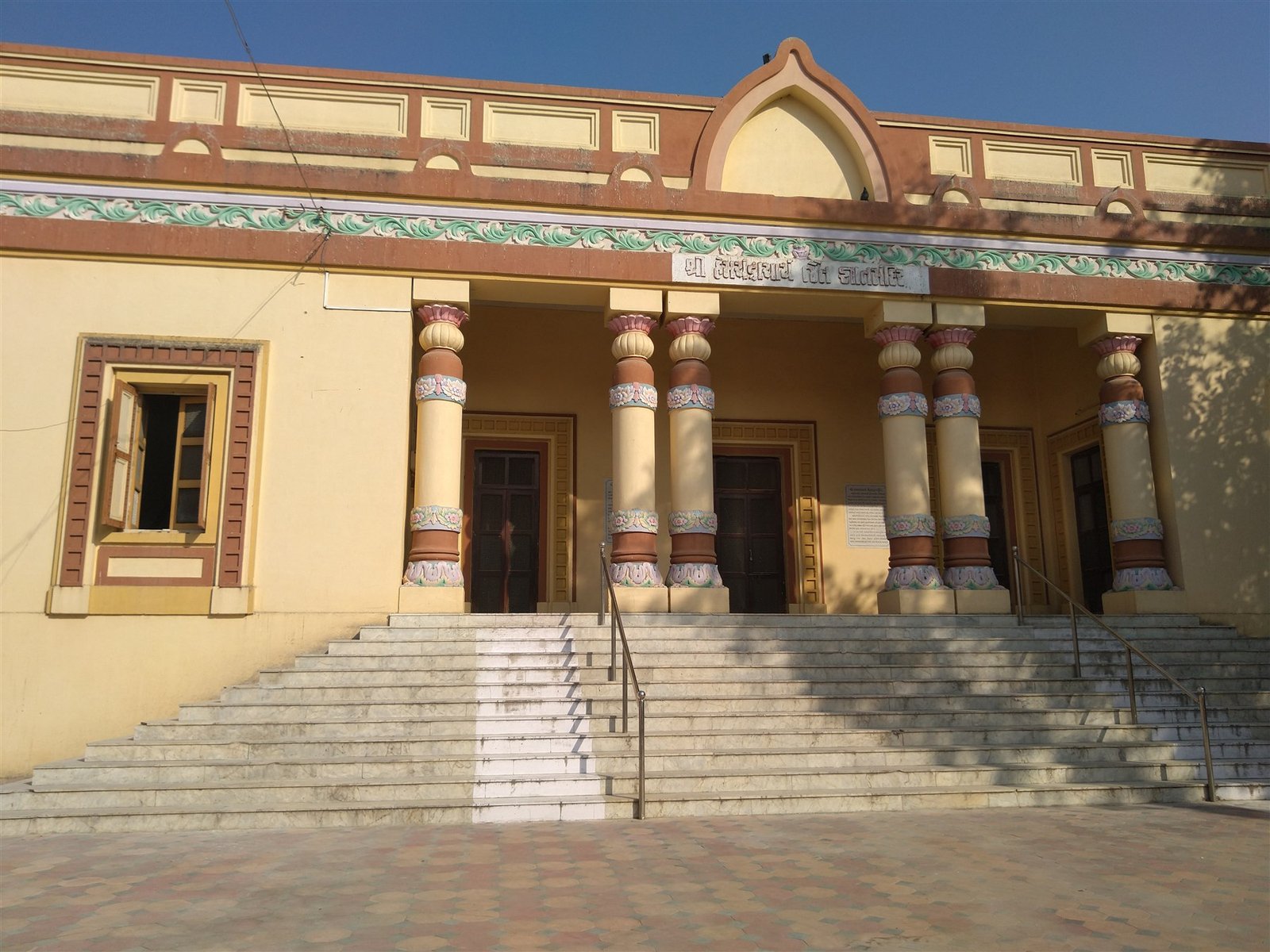
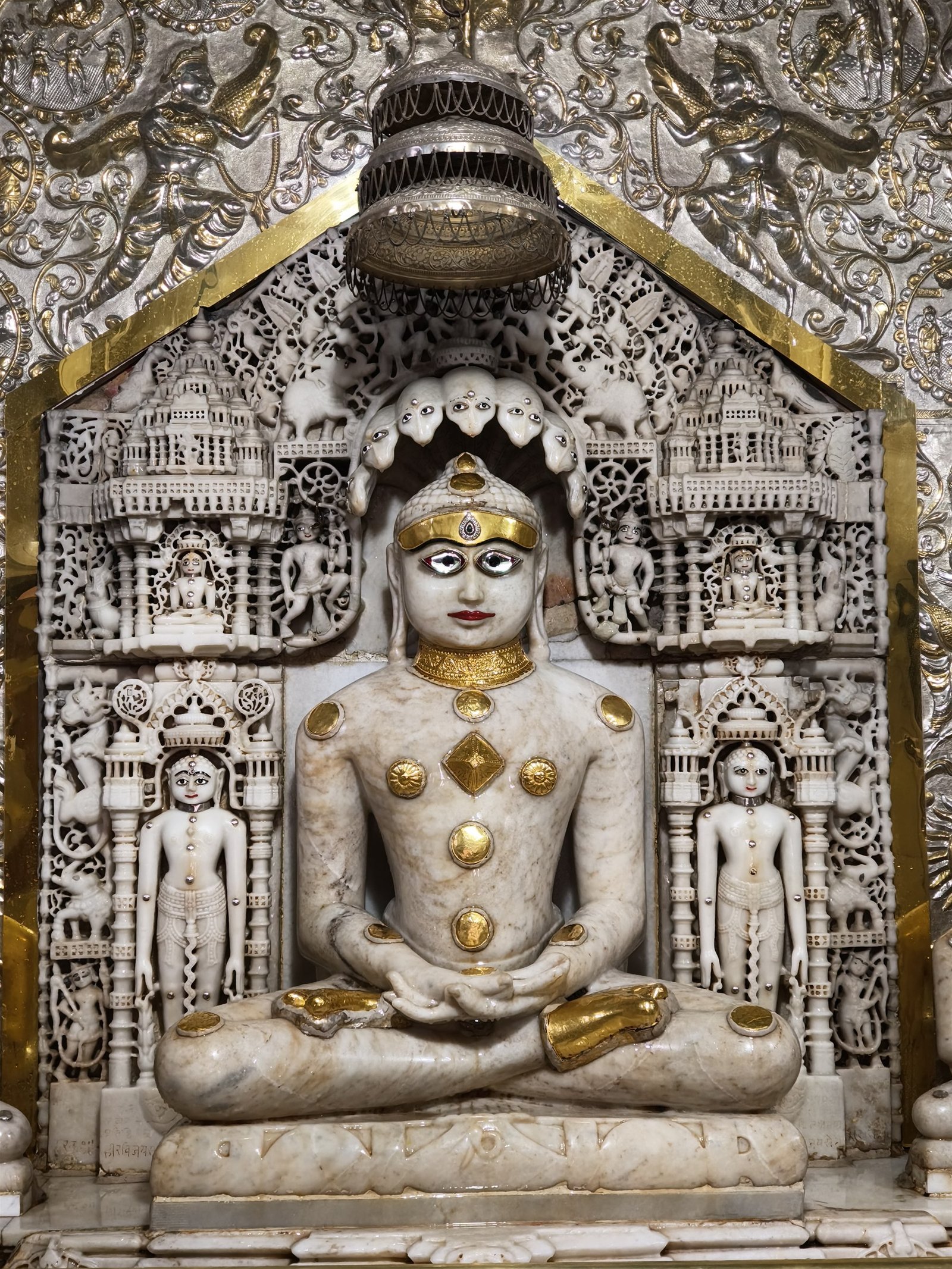
The Panchasara Jain temple, Patan.
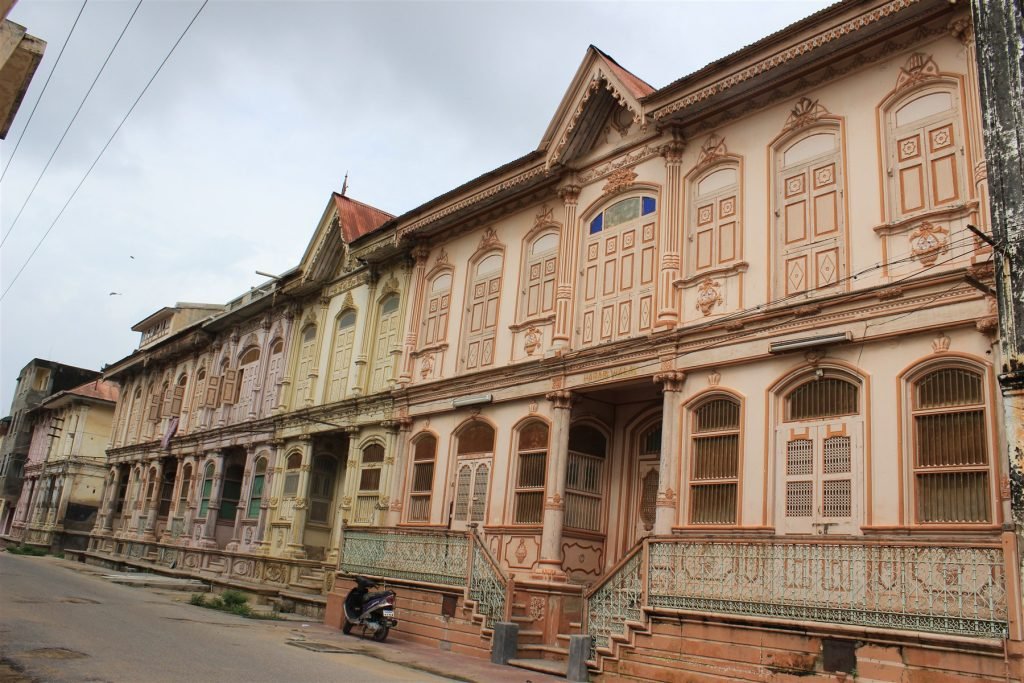
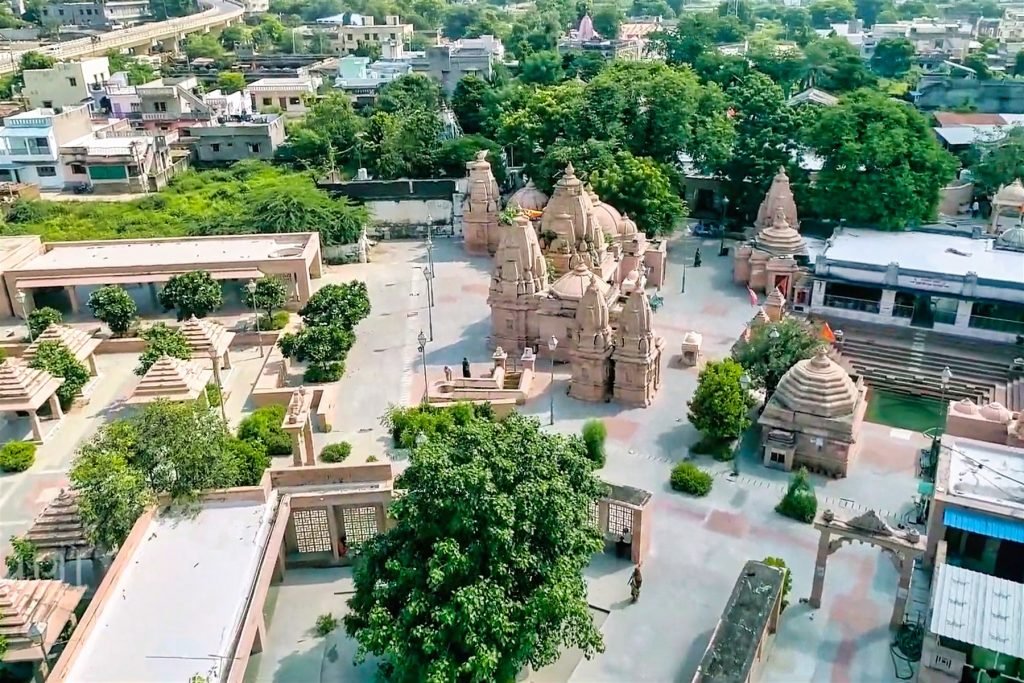
Around old Anhilwad Patan.
Vanraj Chavda founds Anhilwad Patan.
It becomes the great Solanki capital.
Temples, vavs and learning flourish.
Sacked and eclipsed, but rich in heritage.
Gujarat's medieval seat.
The UNESCO stepwell.
The great tank.
Dozens of derasars.
Hemchandracharya's library.
The double-ikat craft.
TEMPLESThe grand Jain temple.
HERITAGEThe manuscript library.
The UNESCO stepwell.
The great tank.
Patan's derasars.
Hemchandracharya's.
The living craft.
Anhilwad's lanes.
The heritage town of Patan.
Patan’s heritage is layered: the UNESCO Rani ki Vav and the ruined Sahastralinga tank from the Solanki golden age; dozens of carved Jain temples and the Hemchandracharya manuscript library; and the living tradition of Patola double-ikat silk weaving.
The old capital of Anhilwad rewards a full day of walking — a town where medieval architecture, Jain devotion and rare craft survive side by side. It is a heritage town; freely walkable.
For everything else the district holds, see our Patan travel guide.
UNESCO Rani ki Vav
Sahastralinga Talav ruins
Carved Jain temples (derasars)
Living Patola weaving
Cool and pleasant — the ideal season.
Green and atmospheric after rain.
Hot and dry — start early.
⏰ Give Patan a full day: pair Rani ki Vav and Sahastralinga with the Jain temples, the library and a Patola workshop.
Ahmedabad airport (~125 km).
Patan station.
~35 km from Mehsana.
HERITAGE TOWN
Jain temples and the library.
Rani ki Vav and the tank.
Patola weaving.
Old lanes at golden hour.

Vishnu avatars carved into the stepwell
SACREDA holy tank at Sidhpur (Matru Gaya)
SIDHPURPastel European-style mansions in Sidhpur
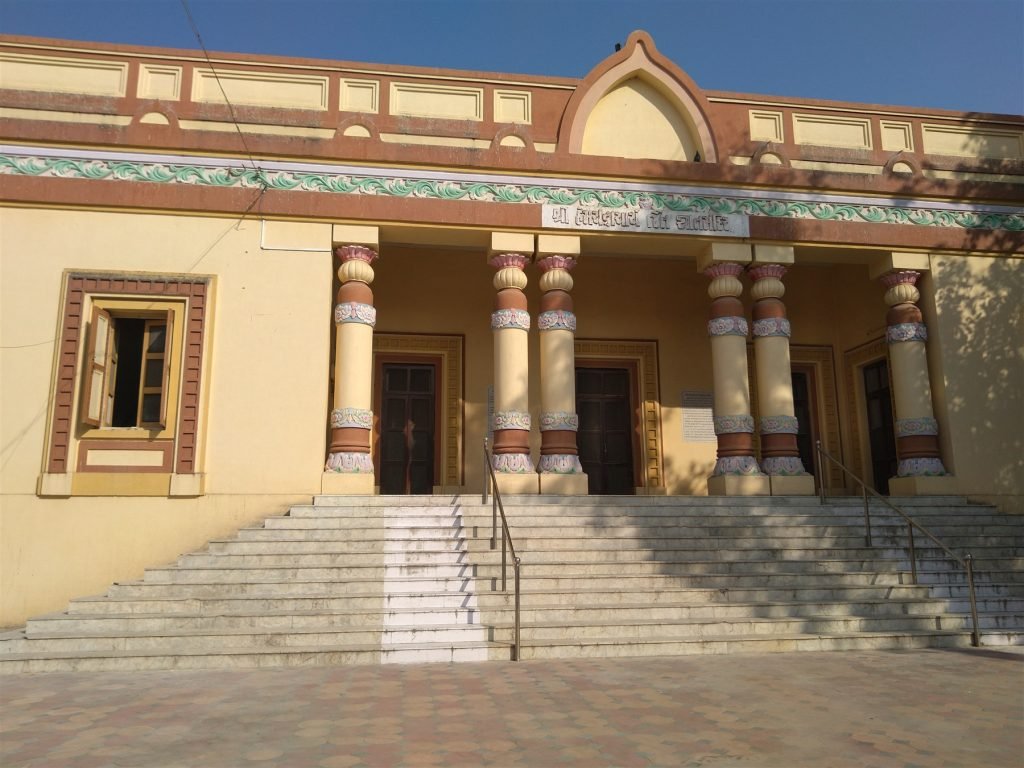
HERITAGEA treasury of ancient Jain manuscripts
WATER ARTCarved stepwells the tour buses miss
SIDHPURRuins of a colossal Shiva temple in Sidhpur
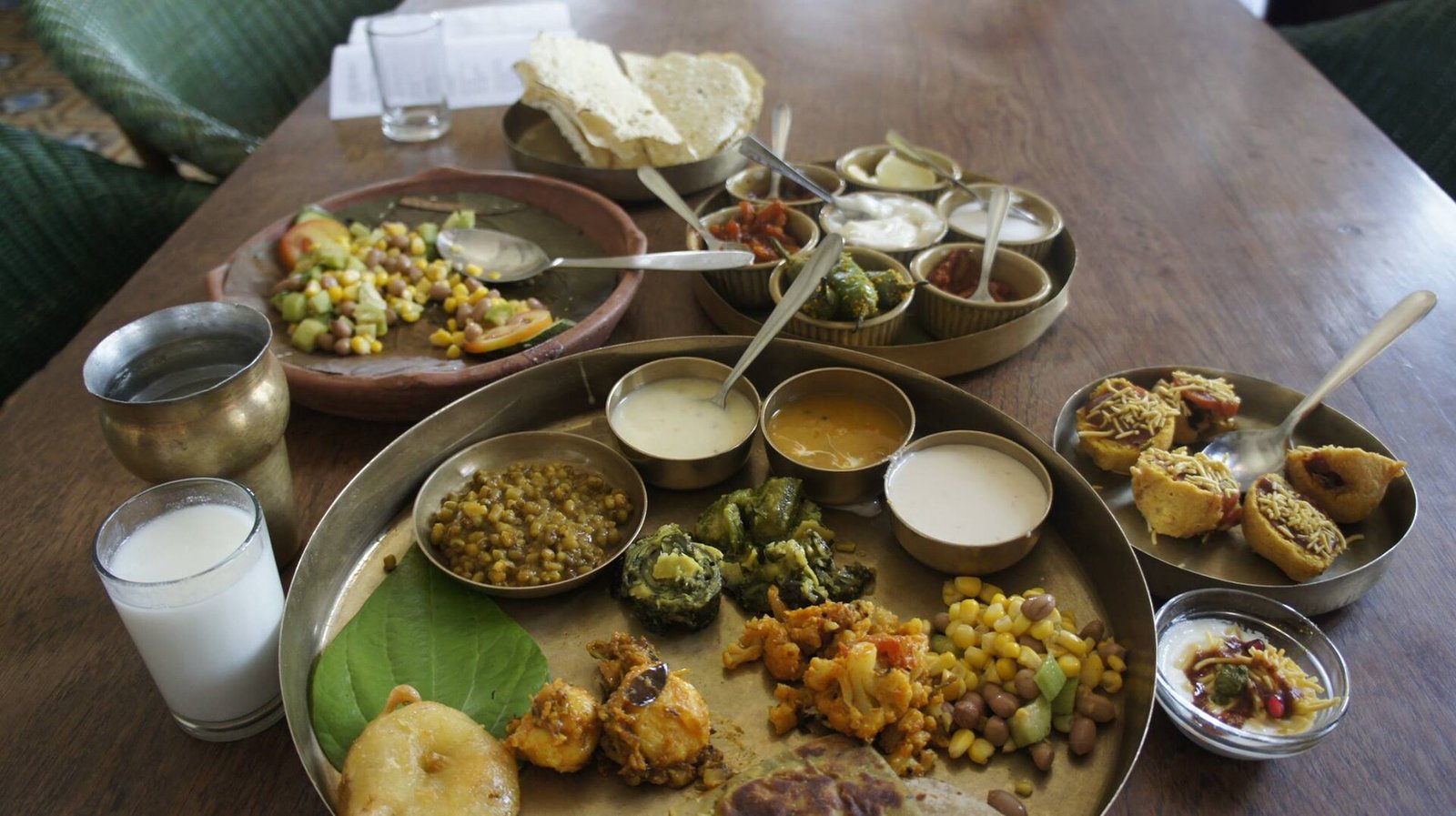
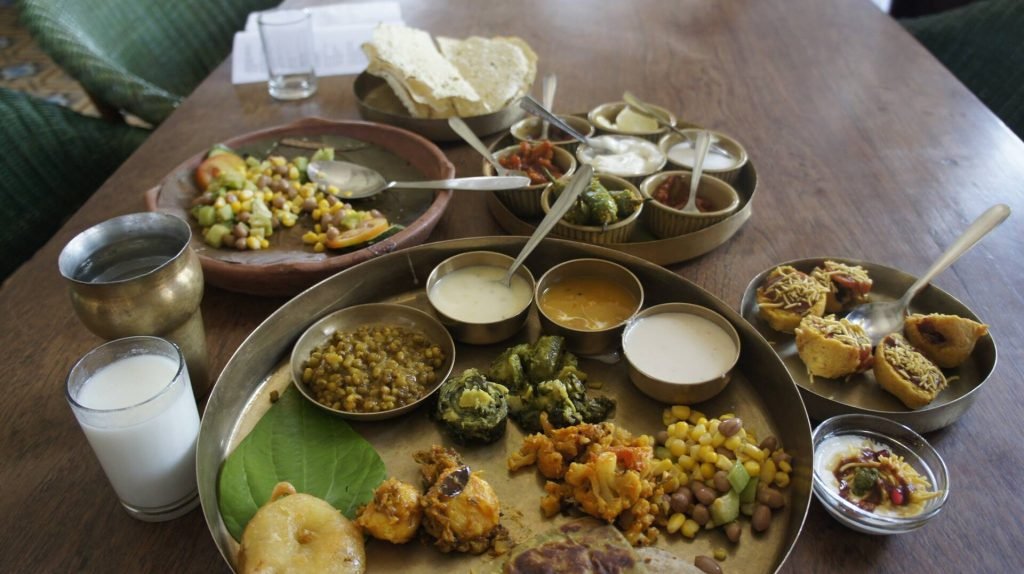
THALISweet-savoury full meals.
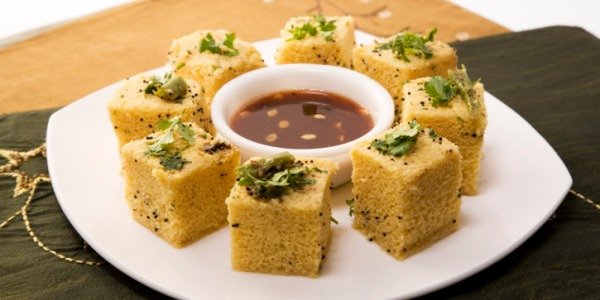
FARSANSteamed and fried snacks.
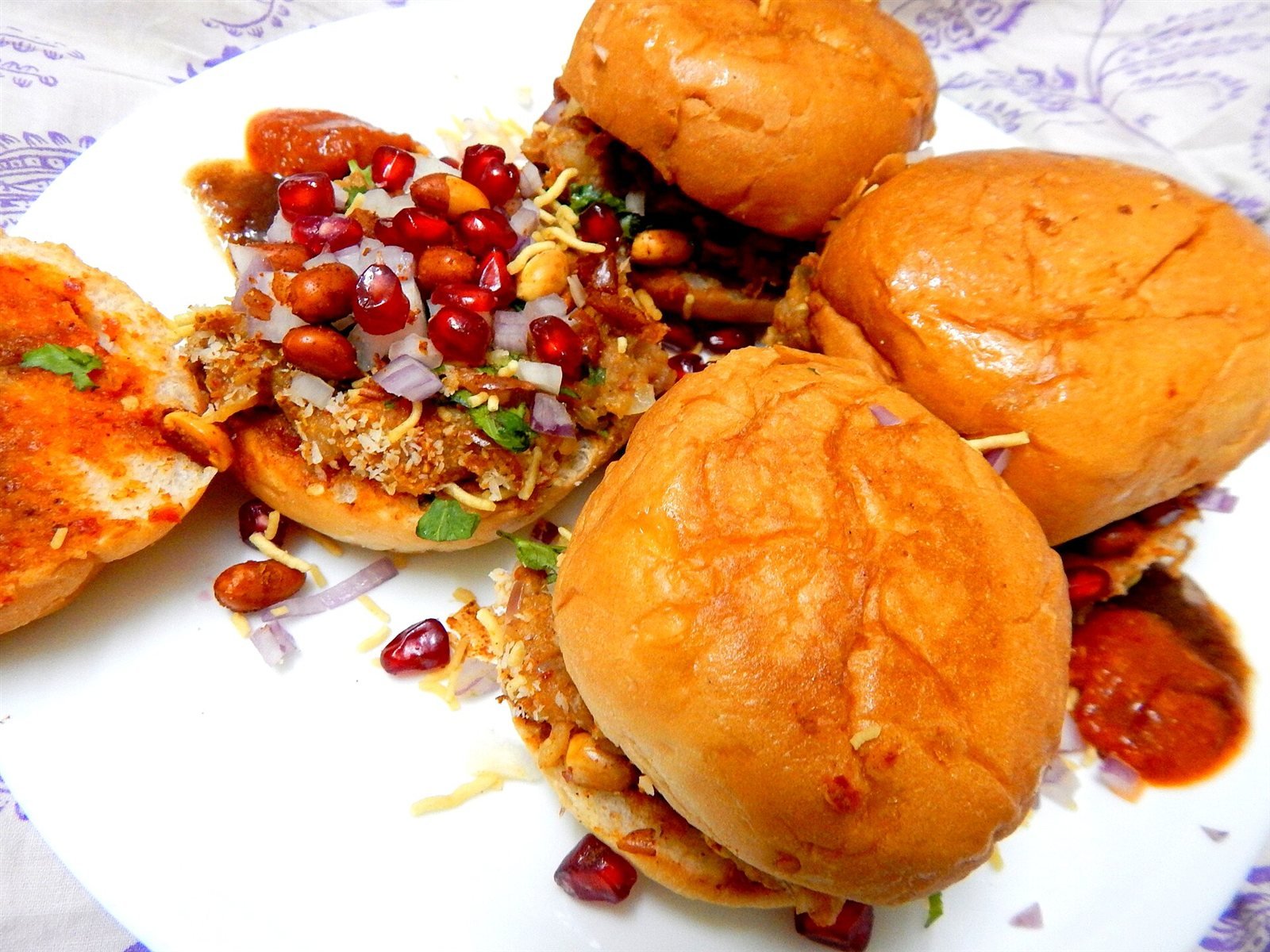
STREETSimple market-town fare.
Classic North Gujarat veg; Mehsana's milk sweets near.

Being the ancient Solanki capital (Anhilwad), home to Rani ki Vav and Patan Patola.
Anhilwad Patan was the historic name of the capital, founded by Vanraj Chavda.
Rani ki Vav, Sahastralinga Talav, the Jain temples, the Jnan Mandir and Patola weaving.
Yes — central in north Gujarat, close to Modhera and Mehsana.
Founded around the 8th century CE.
Patan railway station; ~35 km from Mehsana by road.
A full day to do it justice.
October to March, in the cooler season.

Carved Jain ruins amid the jungle

A treasury of medieval stone gods — the Shamlaji sculpture collection, one of Gujarat’s great finds:…
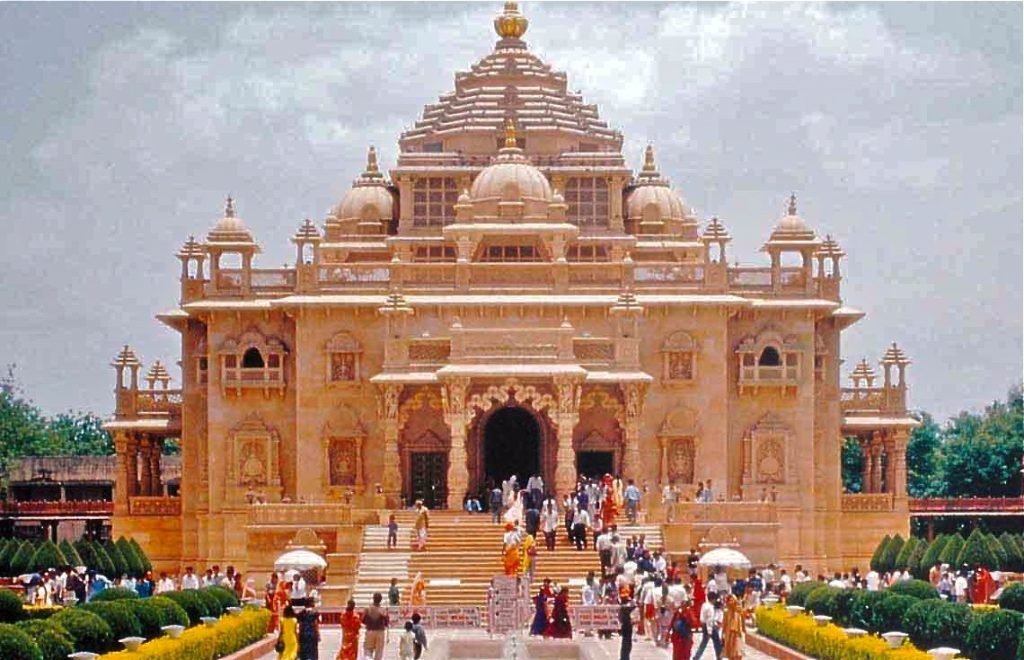
A revered shrine beside the hot springs
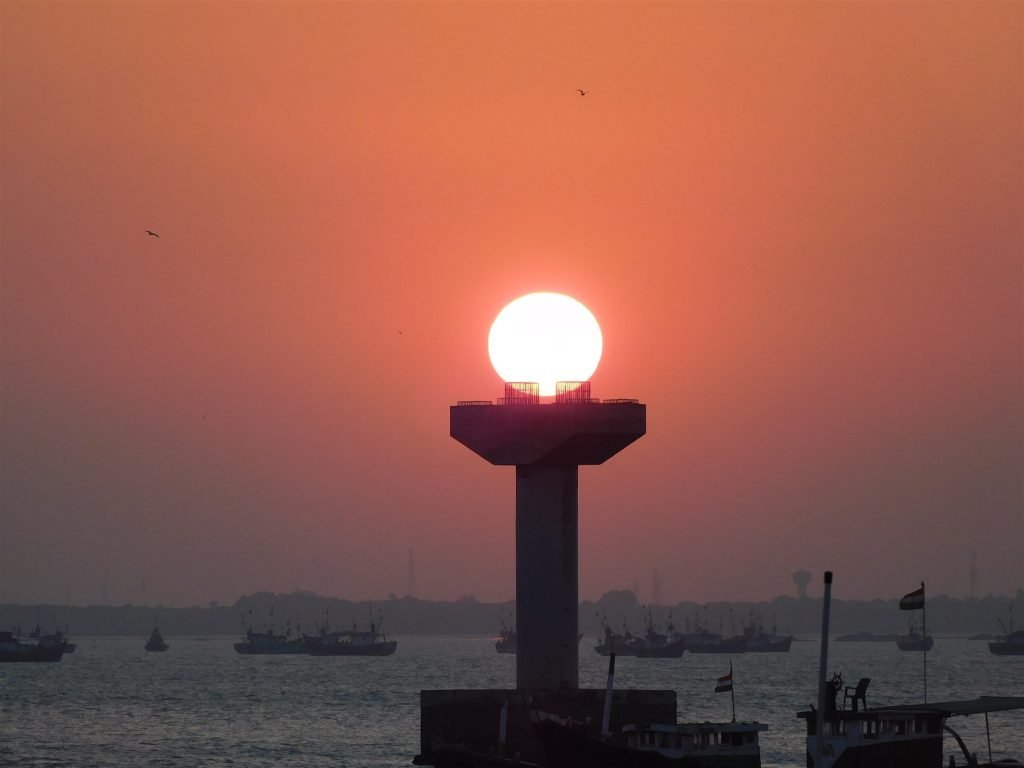
BRIDGEIndia’s longest cable-stayed bridge to Okha
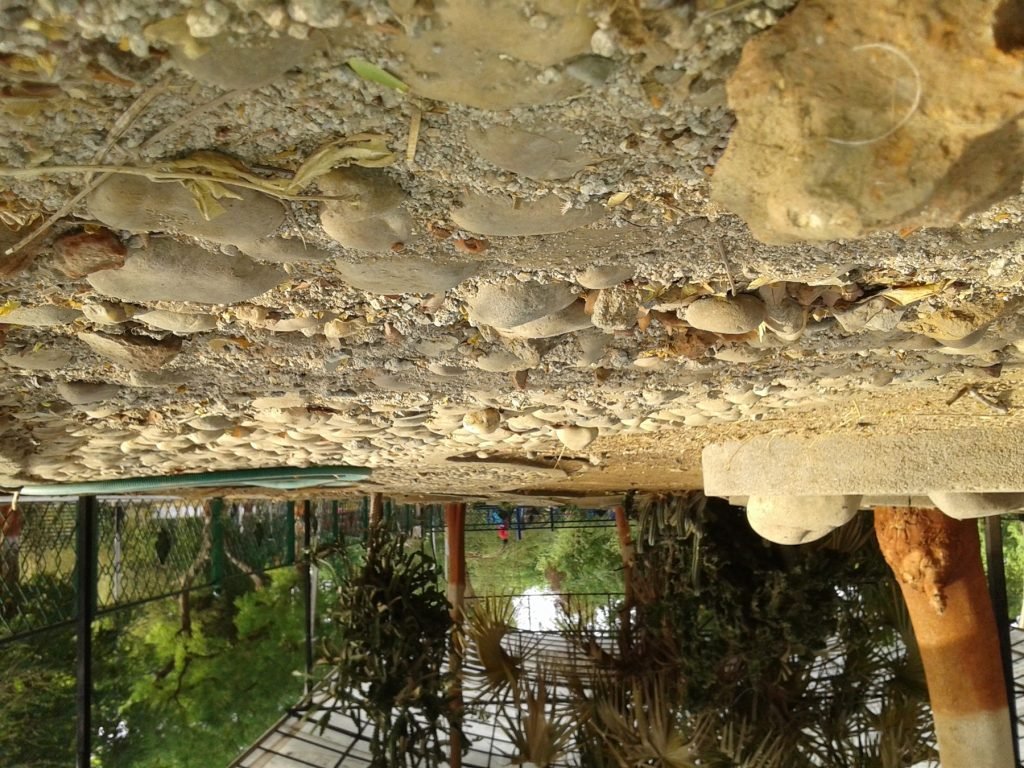
MEMORIALThe reformer-king’s monuments across the city
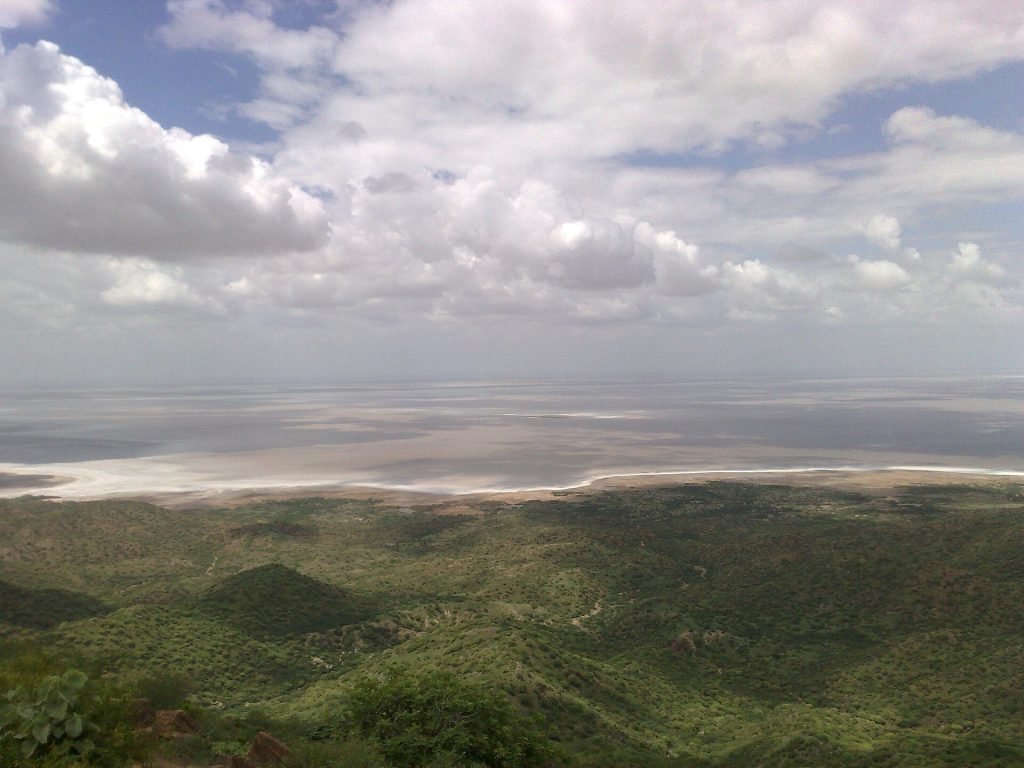
Hilltop shrine famed for feeding jackals
WHERE TO STAY
Compare live prices across the big booking sites and reserve in a few taps. Booking happens securely on the partner's site — we may earn a small commission at no extra cost to you.
Book directly on our partner sites — tap a provider to see live Gujarat hotels & prices:
SHOP THE REGION
Hand-picked crafts and trip gear, available on Amazon.
Published 24 June 2026 · Updated 24 August 2026
We’re an independent group of writers and travellers documenting every corner of Gujarat — one place, plate and festival at a time.
Search Gujarat Explorer
Find places, food, festivals and travel guides across Gujarat
Press Enter to search — or Esc to close
Plan Your Trip
Gujarat Explorer is an independent travel guide. We’re happy to help you shape an itinerary and point you to the right places, stays and experiences across Gujarat.
Book a Cab