
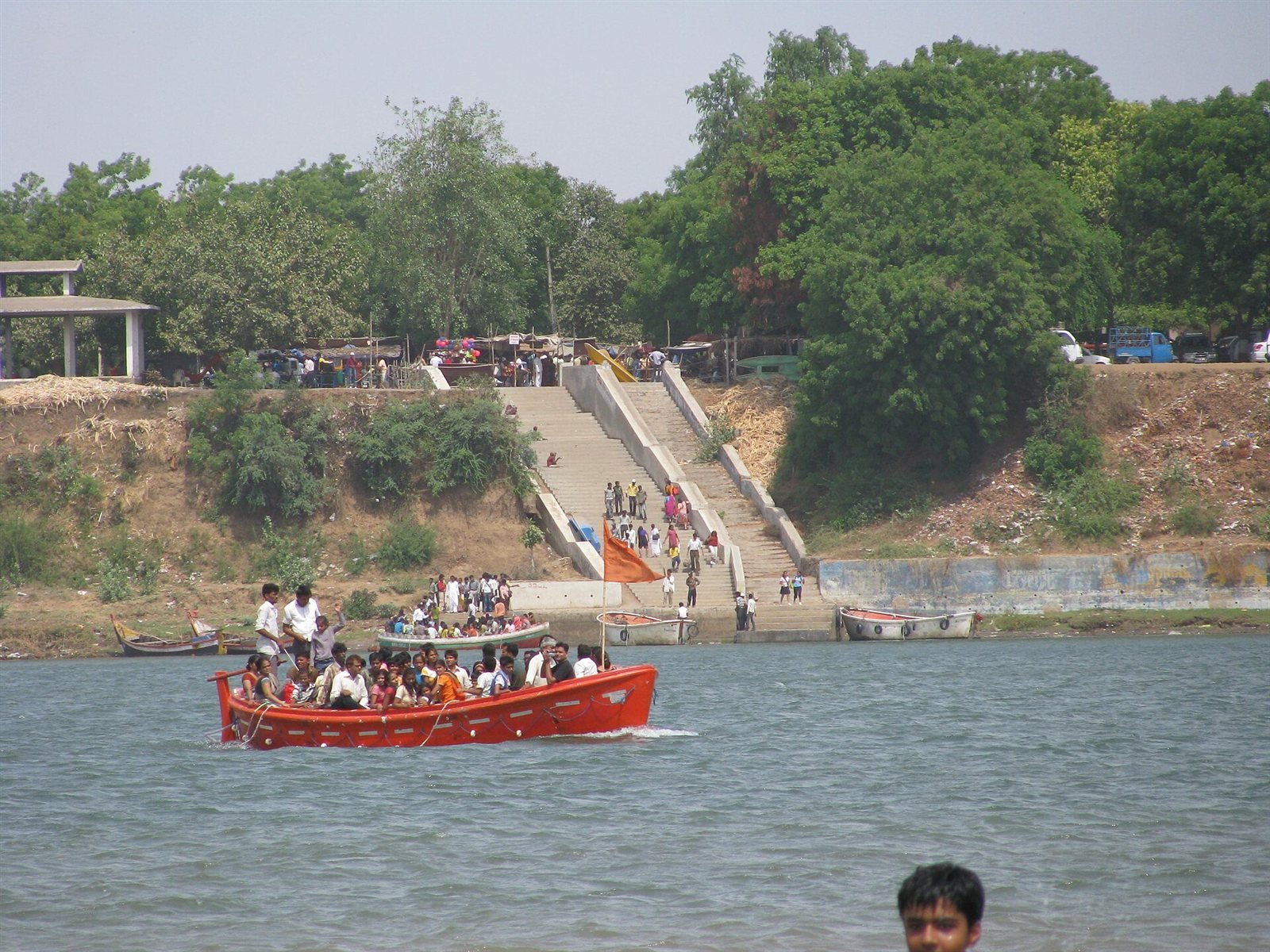
A Mughal-era reservoir
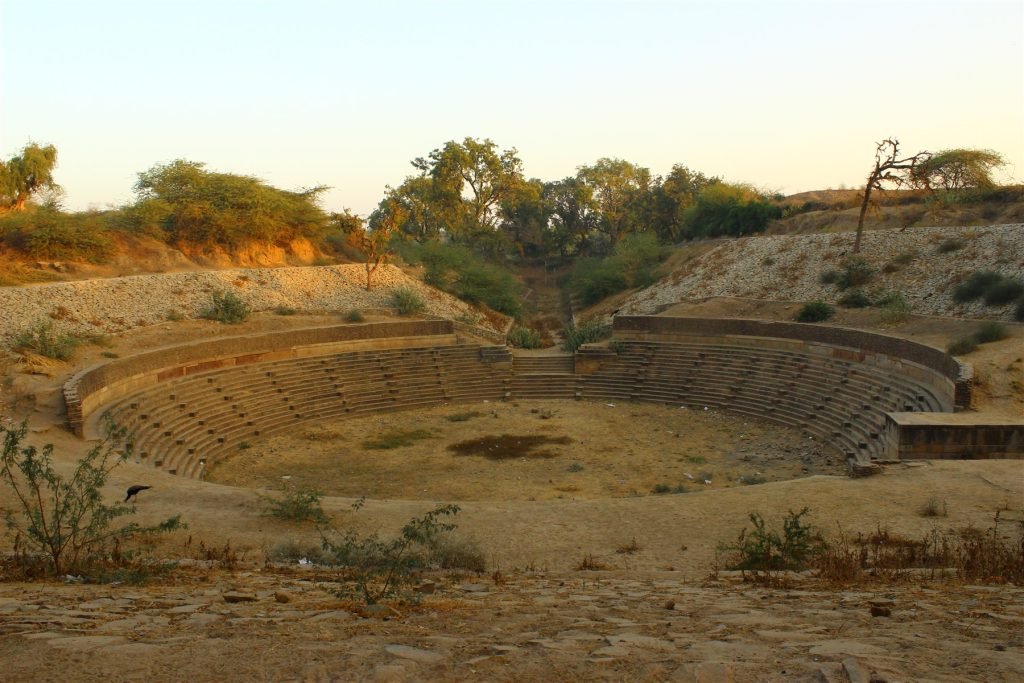
Khan Sarovar is one of Patan’s lesser-known but impressive monuments — a large rectangular stepped water tank built in the Mughal period (16th century) by a governor (khan) of Emperor Akbar, said to have reused stone from older structures of the former Solanki capital.
Ringed on all sides by broad flights of stone steps descending to the water, with the remains of pavilions and inlets, the sarovar served both as a reservoir and as a dignified public space. Though quieter and less ornate than the Solanki masterpieces of Rani ki Vav and Sahastralinga, Khan Sarovar is a fine example of the Indo-Islamic water architecture that followed them.
A peaceful spot reflecting the layered history of Patan across its Hindu, Jain and Mughal eras, it rewards those who like to seek out quieter heritage.
Akbar's governor built this tank
Mughal waterwork.
The tank was built in the sixteenth century by a khan — a governor under Akbar — as a public water work for Patan.
Stone from older structures of the former Solanki capital was reused in its construction, which is why Hindu and Jain carved fragments appear in a Mughal-period building.
It served as both reservoir and public space, with steps on all four sides giving access to the water at any level.
It survives as one of Patan's quieter monuments, overshadowed by Rani ki Vav a short distance away.
Reasons to make the time
Grand stepped tank
A large rectangular tank, substantial enough to have supplied a good part of the town.
Mughal waterwork
Sixteenth-century Mughal-period work, later than Patan's Solanki monuments by some five hundred years.
Stone ghats
Stone steps run down all four sides, so the tank could be used whatever the water level.
Layered history
Reused Hindu and Jain stone sits within a Mughal structure — three traditions in one building.
Peaceful spot
It sees very few visitors, which makes it one of the more peaceful places in Patan.
Indo-Islamic design
It marks the period after the Solankis, when Patan was a provincial town rather than a capital.
What to look for inside
Stone ghats
Stone ghats stepping down to the water on all four sides of the tank.
A quiet sarovar
A quiet sarovar with pavilions and inlets around its edge.
How to spend an hour or two
See the steps
Walk the steps on all four sides — the tank is designed to be approached from any direction.
Walk the ghats
Look at the pavilions and inlet channels around the edge, which controlled how the tank filled.
Picture the reservoir
Stand at one corner to take in the full rectangle; the scale only registers from a distance.
Sense the history
Look for reused Hindu and Jain carving set into the masonry — the Solanki city recycled into a Mughal work.
Photograph the symmetry
Come early or late, when low light rakes across the stone and the water is still.
Pair with the vavs
Combine it with Rani ki Vav and the Patola weaving workshops, both a short distance away.
Steps, ghats and pavilions
Khan Sarovar is a large rectangular Mughal-era stepped tank, ringed on all sides by broad flights of stone steps descending to the water, with the remains of pavilions and water inlets.
Planning more of the area? Our Patan guide covers the whole district.
A dignified example of Indo-Islamic waterwork built reusing older stone, it is a quiet counterpoint to Patan’s famous Solanki monuments.
Large rectangular stepped tank
Stone ghats on all sides
Mughal-era (16th c.) work
Pavilions and water inlets
When to go
November to February is the season in north Gujarat — cool and clear, with no shade at the tank.
The monsoon fills the tank and is the only time it holds water to any depth.
April to June is hot and the tank is usually dry; go at first light if you go at all.
⏰ A quiet spot for the symmetry-lover; pair Khan Sarovar with Rani ki Vav and Sahastralinga nearby.
Timings & entry
- A freely accessible open tank
- Quiet and uncrowded
- Best in the morning light
- A short visit
- No entry fee
- Take care on the steps
- Don't litter at the ghats
- Pair with the Solanki sites
Getting there
By Air
Ahmedabad airport (~125 km).
By Rail
Patan station.
By Road
In Patan town.
At Khan Sarovar
STONE & WATER
A quiet Mughal tank
What to shoot
The stepped ghats.
Detail
Stone steps and inlets.
Best light
Morning symmetry.
Setting
A peaceful reservoir.
Know before you go
More to see close by
 CRAFT
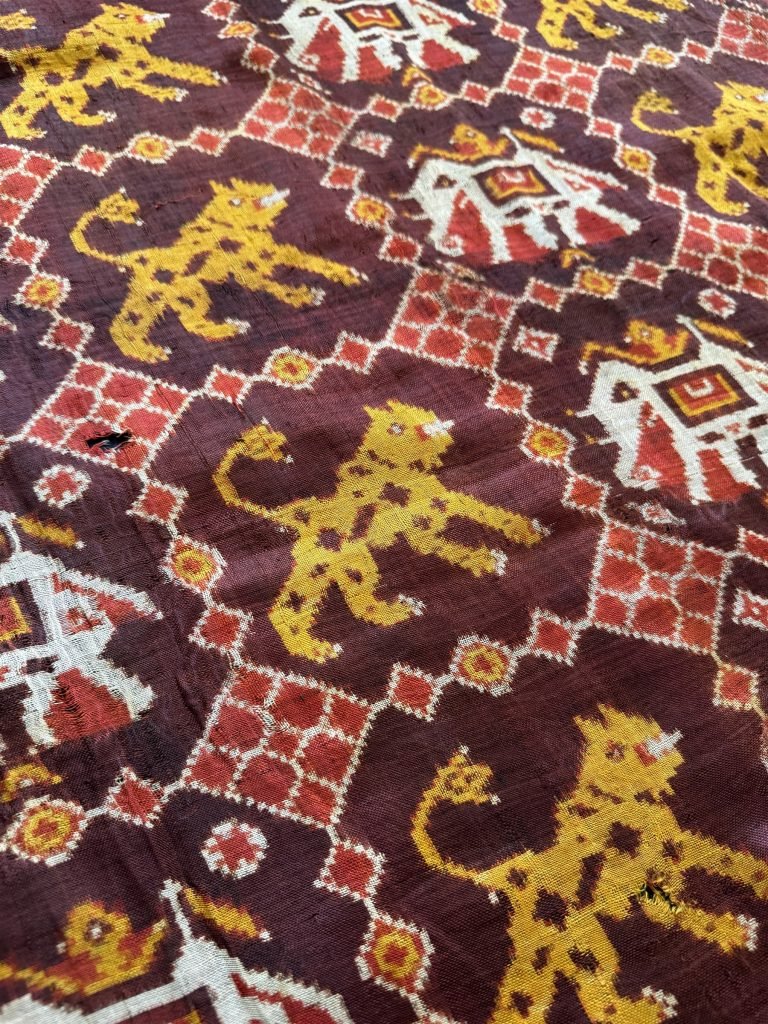
CRAFTPatola Looms
Months of work in a single ikat sari
 SACRED
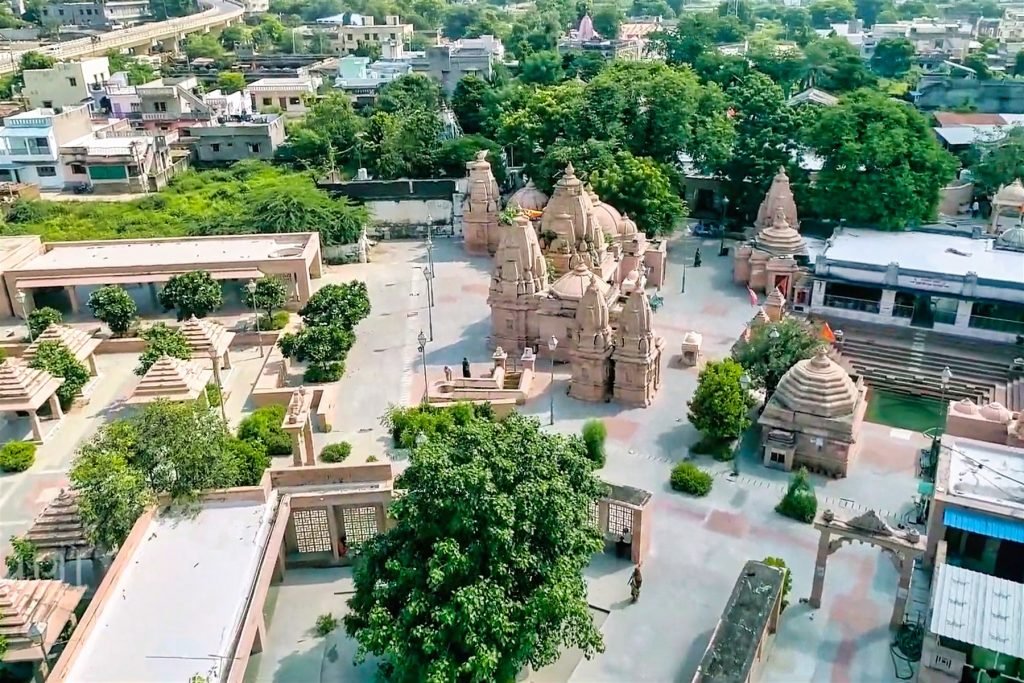
Bindu Sarovar
A holy tank at Sidhpur (Matru Gaya)
 STEPWELL
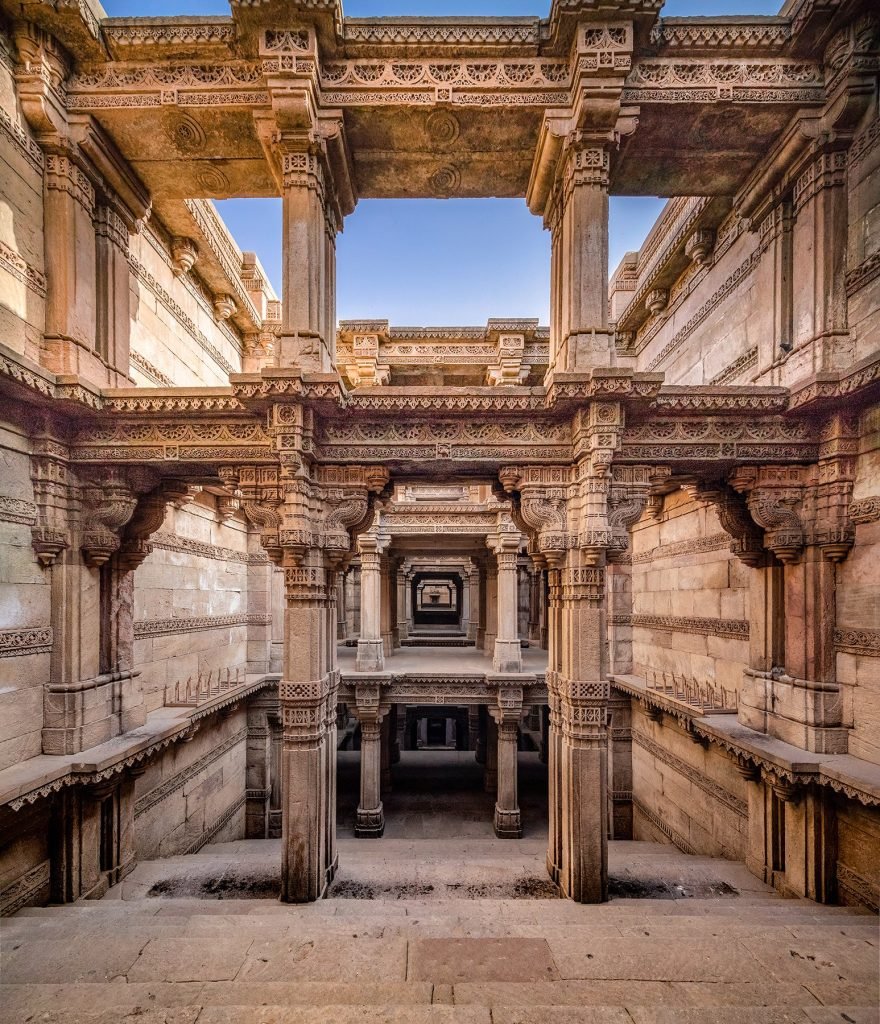
Regional Vavs
Carved stepwells scattered across the district
 ANCIENT TANK
Sahastralinga Talav
A vast Solanki-era reservoir of a thousand shrines
 WATER ART
Forgotten Vavs
Carved stepwells the tour buses miss
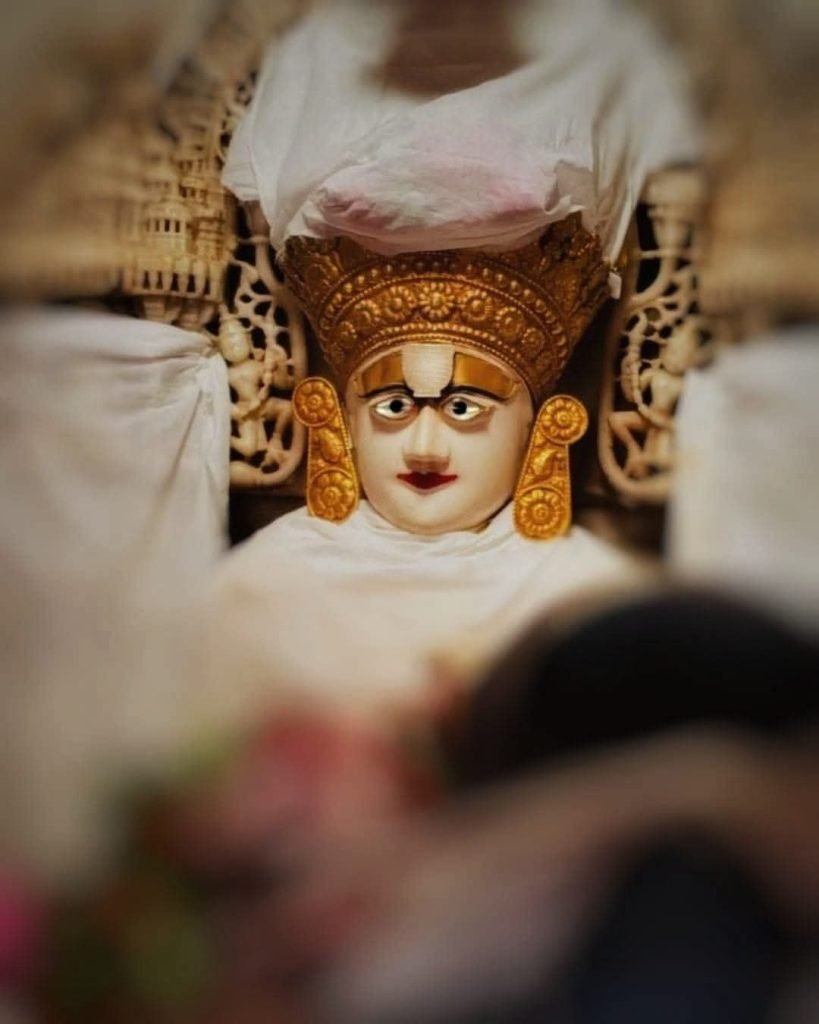
Shankheshwar Parshwanath
Vishnu avatars carved into the stepwell
Where to eat near Khan Sarovar
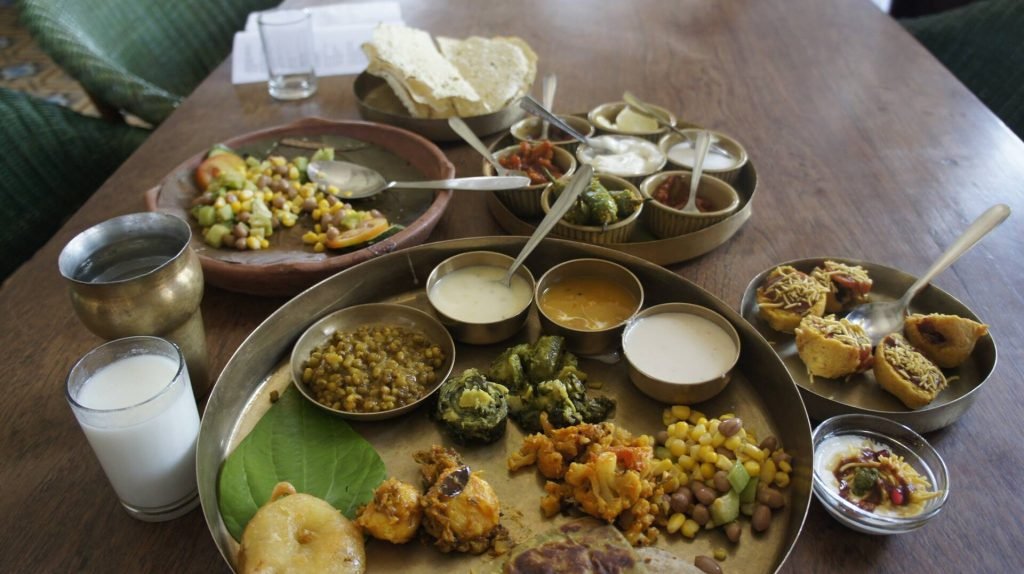
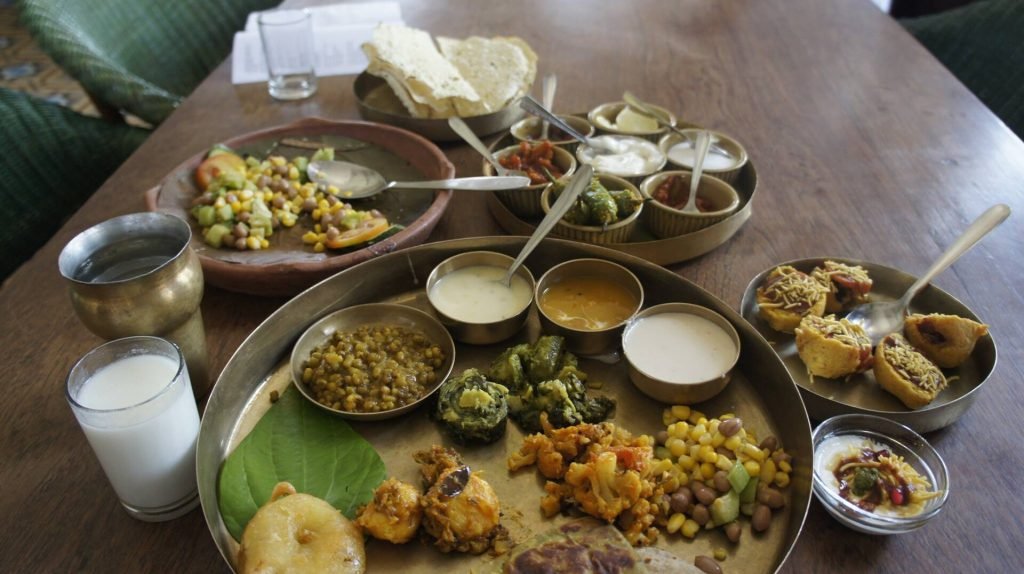
Gujarati Thali
Sweet-savoury full meals.
Dhokla & fafda
Steamed and fried snacks.
Chaat & snacks
Simple market-town fare.
Pure-veg town
Classic North Gujarat veg; Mehsana's milk sweets near.
Khan Sarovar FAQ
What is Khan Sarovar?
A large Mughal-era stepped water tank in Patan, built by a governor of Akbar.
When was it built?
In the 16th century, in the Mughal period.
What's special about it?
Its broad stone ghats and Indo-Islamic waterwork, reusing older stone.
Is there an entry fee?
No, it is freely accessible.
How does it compare to Rani ki Vav?
It is quieter and less ornate, from a later, Mughal era.
Where is it?
In Patan town.
How long does it take?
About thirty minutes.
When should I visit?
October to March, in the morning.
Related places across Gujarat
Karnali — Kuber Bhandari
An ancient Shiva temple by the river
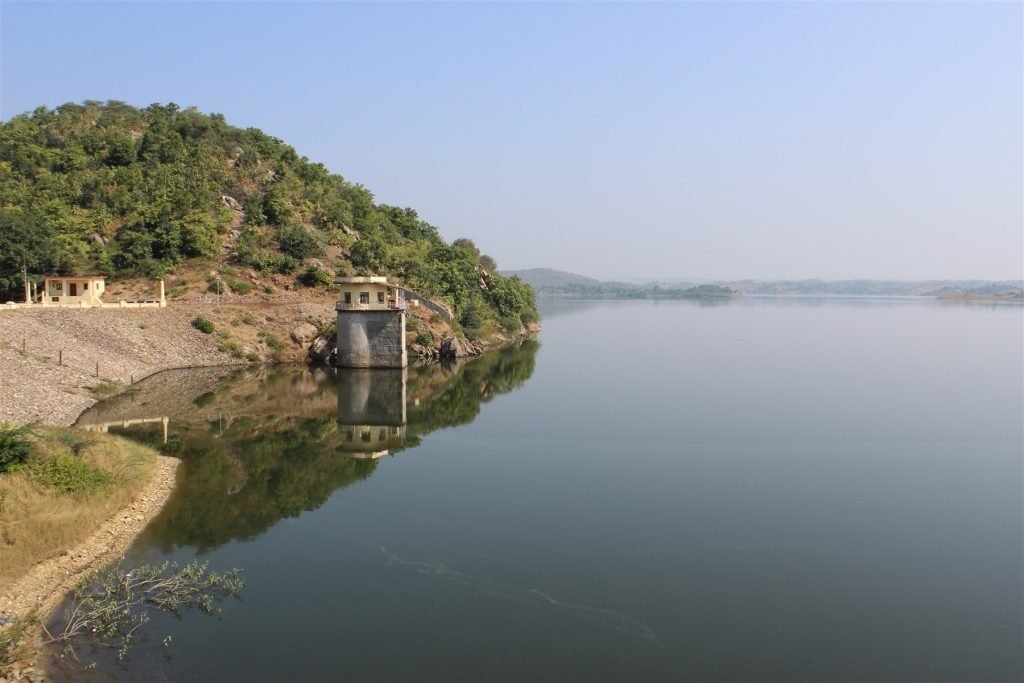
Meshvo at Dawn
Dawn on a Gujarat reservoir — Meshvo at first light, when the Aravalli hills reflect gold…
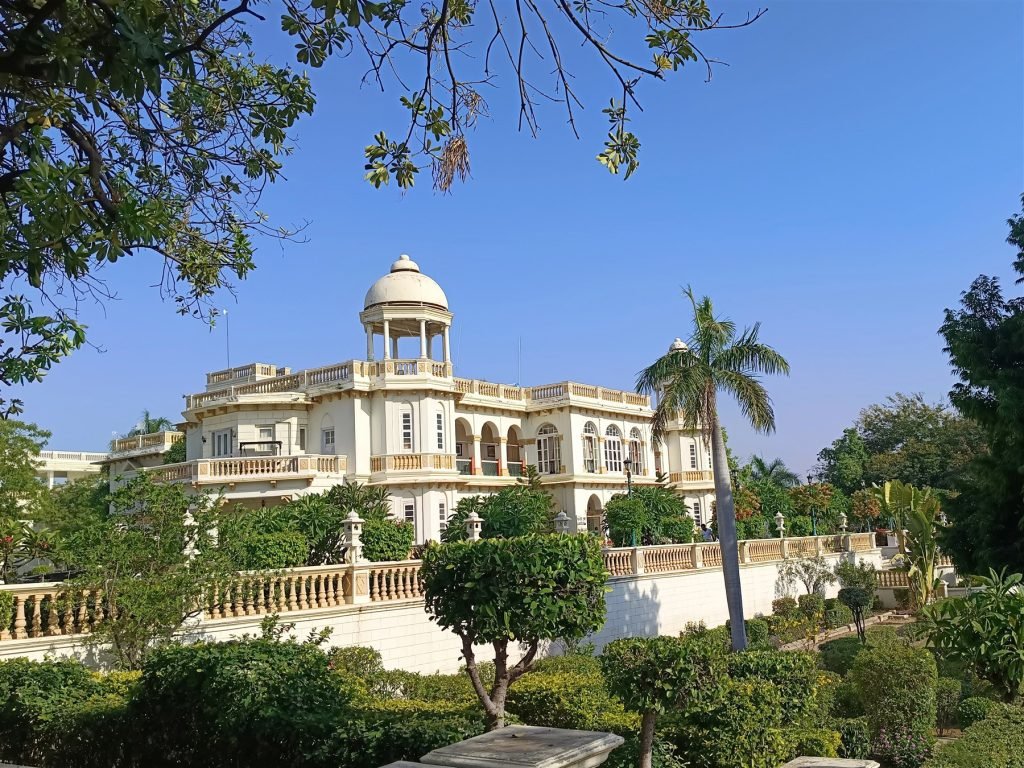 PALACE
Balaram Palace
A regal heritage retreat near Palanpur
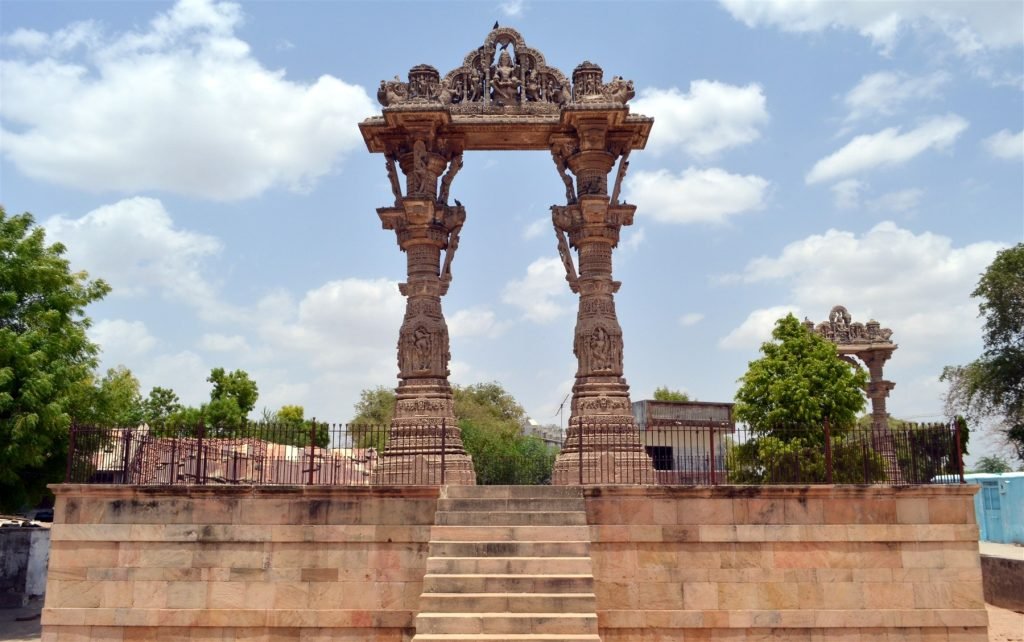 SOLAR TEMPLE
Vadnagar
An 11th-century masterpiece with a stepped tank
 GREEN
GREENPunit Van
A themed botanical ‘sacred forest’
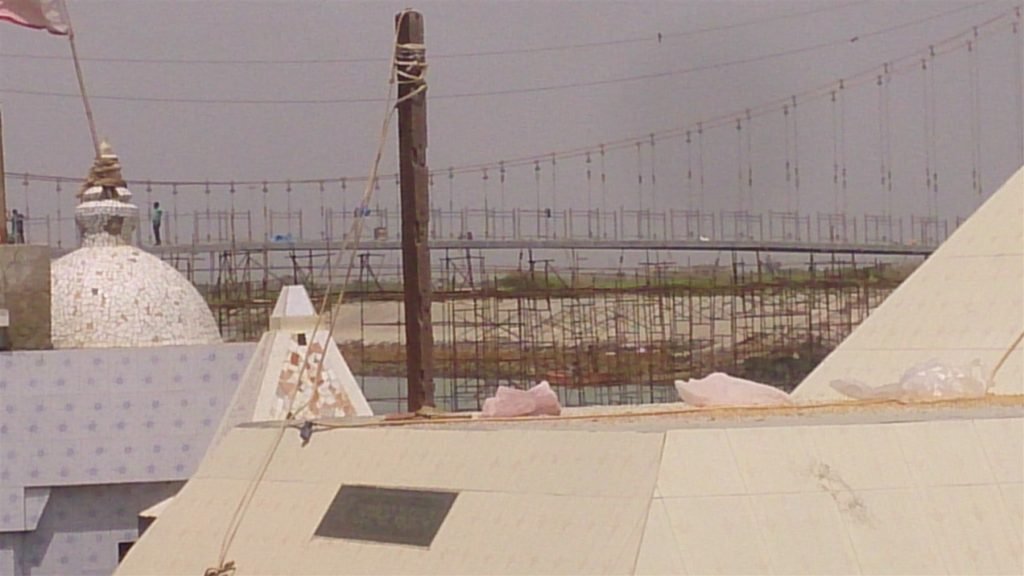 FOOTBRIDGE
Sudama Setu
A swaying pedestrian bridge over the Gomti
WHERE TO STAY
Find your stay in Gujarat
Compare live prices across the big booking sites and reserve in a few taps. Booking happens securely on the partner's site — we may earn a small commission at no extra cost to you.
Book directly on our partner sites — tap a provider to see live Gujarat hotels & prices:
SHOP THE REGION
Bring home Gujarat — & travel essentials
Hand-picked crafts and trip gear, available on Amazon.
Published 24 June 2026 · Updated 24 August 2026
We’re an independent group of writers and travellers documenting every corner of Gujarat — one place, plate and festival at a time.