Patan is forever associated with Rani ki Vav, but the surrounding region hides many other stepwells (vavs) — some carved and beautiful, others plain and utilitarian, most now quiet and little-visited.
Stepwells were a defining feature of this arid land’s medieval water culture: deep, stepped subterranean structures that reached the water table, provided cool shelter from the heat, and often carried fine carving and small shrines. Around Patan, Sidhpur and the old Solanki heartland, these ‘forgotten vavs’ — in villages and on old roads — range from modest village wells to elaborate, multi-storey structures, each a small architectural and engineering marvel.
Seeking them out is a rewarding pursuit for the curious traveller, offering a quieter, more personal encounter with the same tradition that produced the world-famous Rani ki Vav. Many vavs are unprotected — explore carefully.
The hunt around Patan has real prizes. Sidhpur — the Solanki’s other sacred town, with its Rudra Mahalaya fragments and astonishing Bohra havelis — keeps wells in its old quarters; the villages along the Saraswati’s dry course hold vavs that once served the caravan traffic between Patan and the Rann crossings; and the district’s smaller tanks and kunds continue the same water logic at neighbourhood scale. Asking for ‘juni vav’ — the old well — at any village square is the whole research method, and it works.
Go equipped for informality: a torch for dark galleries, footwear for rubble and the occasional resident bat colony, and the patience to find some wells half-filled or fenced. The reward is having the Solanki water world to yourself minutes after sharing Rani ki Vav with its crowds — same dynasty, same craftsmen’s tradition, no queue. October to March is the season, and pairing the hunt with Patan’s patola weavers and Sidhpur’s streetscapes fills a richly odd two days.
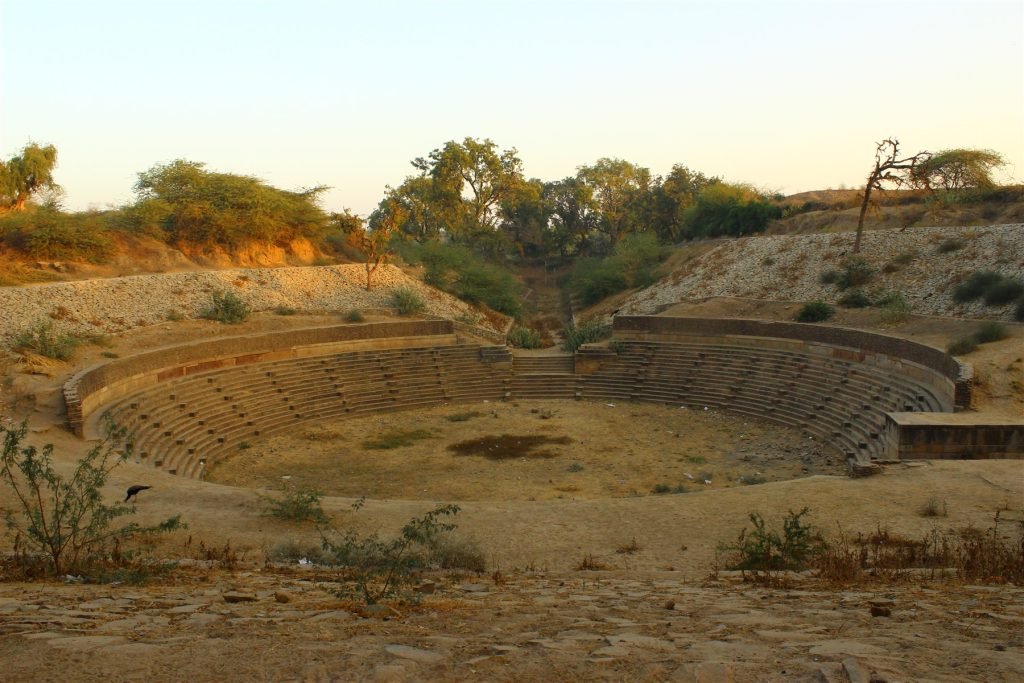
A stepped subterranean vav of the Patan region.
Vavs descend past pillared pavilions to the water — built for water, shade and worship.
Stepwells are dug across the arid Solanki land to reach the water table.
They provide water, cool shelter from the heat and small shrines for worship.
Structures range from grand multi-storey vavs to humble village wells.
Most are now quiet, little-visited survivors of a medieval water culture.
Beyond Rani ki Vav — lesser-known vavs across the district.
See the medieval engineering that reached the water table.
Fine carving and small shrines on the finer vavs.
Little-visited spots for an unhurried, personal visit.
A rewarding hunt for travellers who like to explore.
The very tradition that produced the famous queen's stepwell.
THE STEPSLong stepped descents into the cool of the water table.

THE TRADITIONQuiet cousins of Rani ki Vav, from the same water tradition.

VILLAGE WELLSModest stepped wells tucked into villages and old roads.
CARVINGCarved pillars, brackets and small shrines on the finer wells.
ENGINEERINGDeep stepped shafts engineered to reach the water table.
SOLANKI LANDScattered through Patan, Sidhpur and the old Solanki heartland.
Look for stepwells in villages or beside old roads across the district.
Walk down the long flights of steps into the cool subterranean depths.
Study the carving, brackets and small shrines on the finer wells.
Appreciate how the stepped shafts were built to reach the water.
Many vavs are unprotected, with steep steps and no railings.
Set these humble cousins against the grand queen's stepwell nearby.
A forgotten vav — stepped, pillared and quiet.
The forgotten vavs of the Patan region are stepped subterranean wells — long flights of steps descending past pillared pavilions to the water — built across the medieval centuries for water, cool shelter and worship.
Ranging from humble village wells to elaborate multi-storey structures, they are quiet, often unprotected survivors of the same water-architecture tradition that culminated in Rani ki Vav. Explore them carefully.
It sits within Patan district — browse more places to visit in Patan.
It is one of many — our guide to the stepwells of Gujarat covers the rest.
Stepped subterranean wells
Pillared pavilions & shrines
From humble to elaborate
The wider vav tradition
Cool and pleasant — the ideal season for unhurried exploring.
Green and atmospheric after the rain, with a softer light.
Hot and dry — start early and seek the cool of the deeper vavs.
⏰ Ask locally for directions to nearby vavs; explore carefully — many are unprotected, with steep steps and no railings.
Ahmedabad's Sardar Vallabhbhai Patel International Airport is about 125 km away — the nearest major airport for the Patan region.
Patan and Sidhpur stations connect the area to the wider network; both make handy bases for exploring nearby vavs.
The vavs are scattered across Patan district; a car and local directions are the easiest way to reach them.
STEPS & SHADOW
The long flights of descending steps and the receding pavilions.
Carving, brackets and the small shrines on the finer wells.
Play the deep shadow and depth of the subterranean shafts.
The village surroundings that frame each quiet vav.
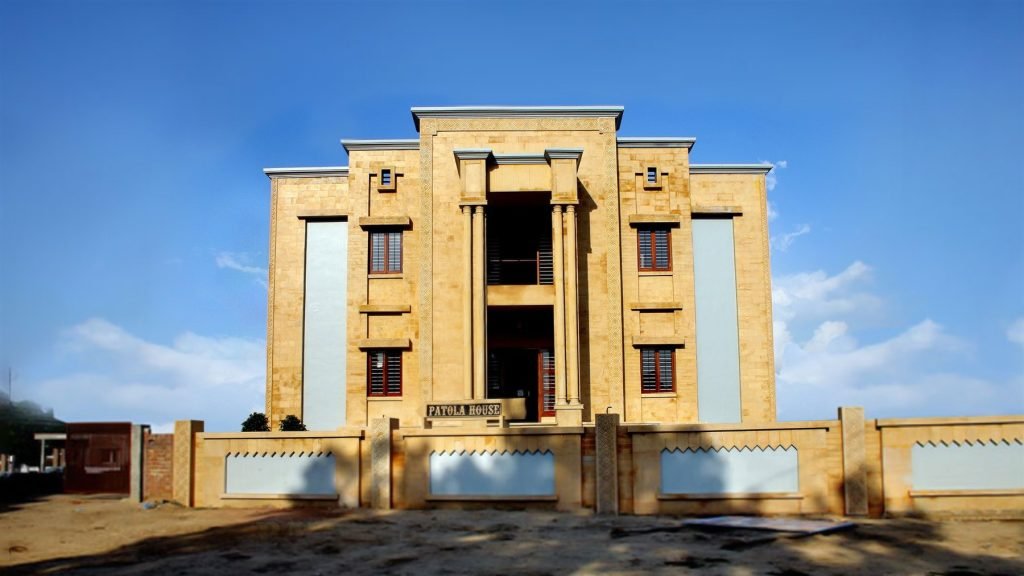
OLD CITYPatola showrooms, gates & the walled town
CRAFTWatch double-ikat silk woven by master families
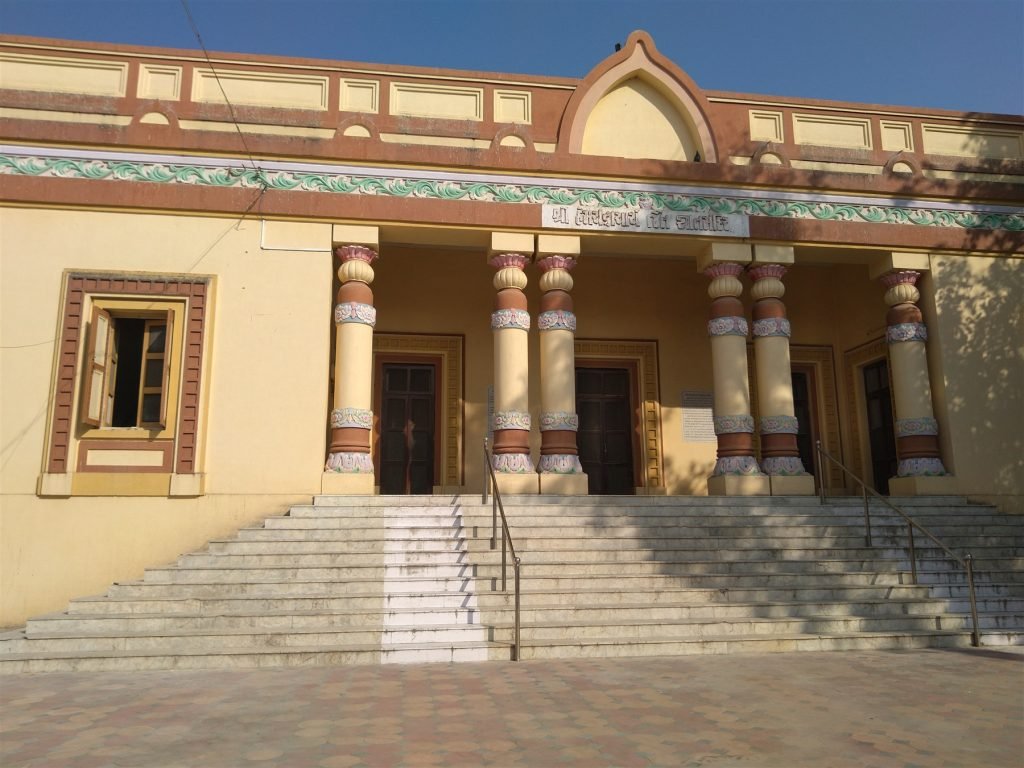
HISTORYTraces of the great Solanki capital
ANCIENT TANKA vast Solanki-era reservoir of a thousand shrines
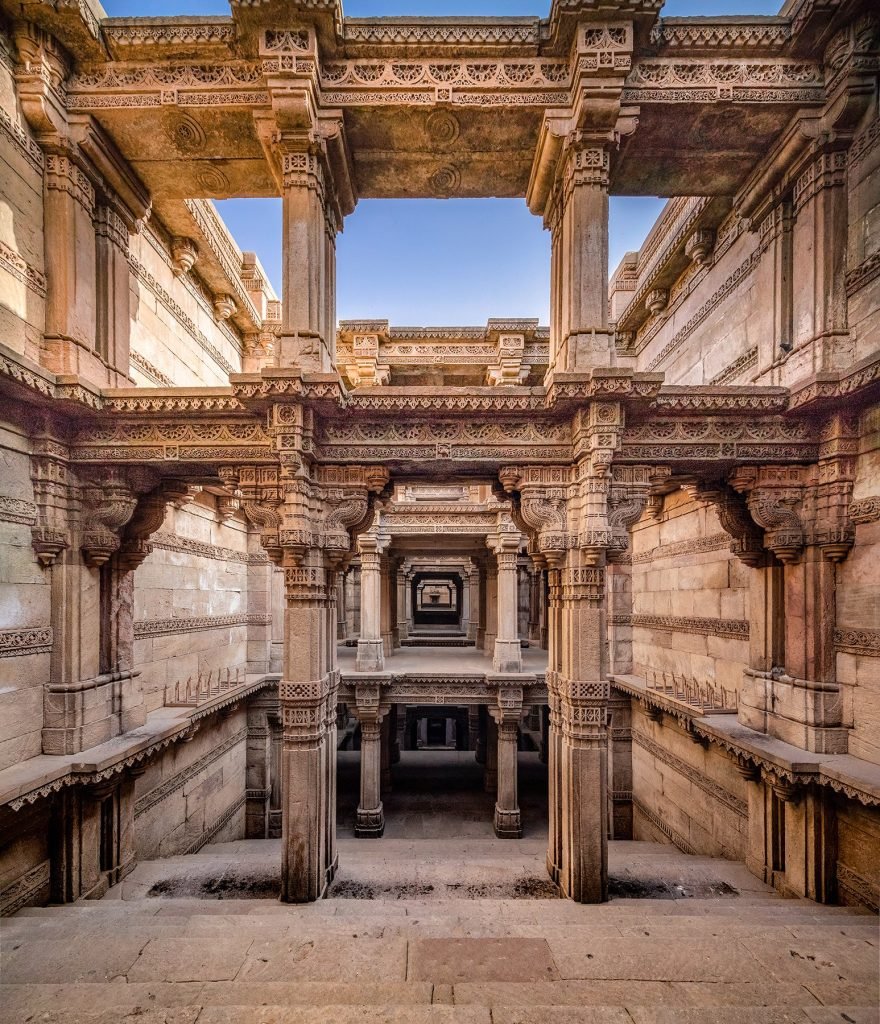
STEPWELLCarved stepwells scattered across the district
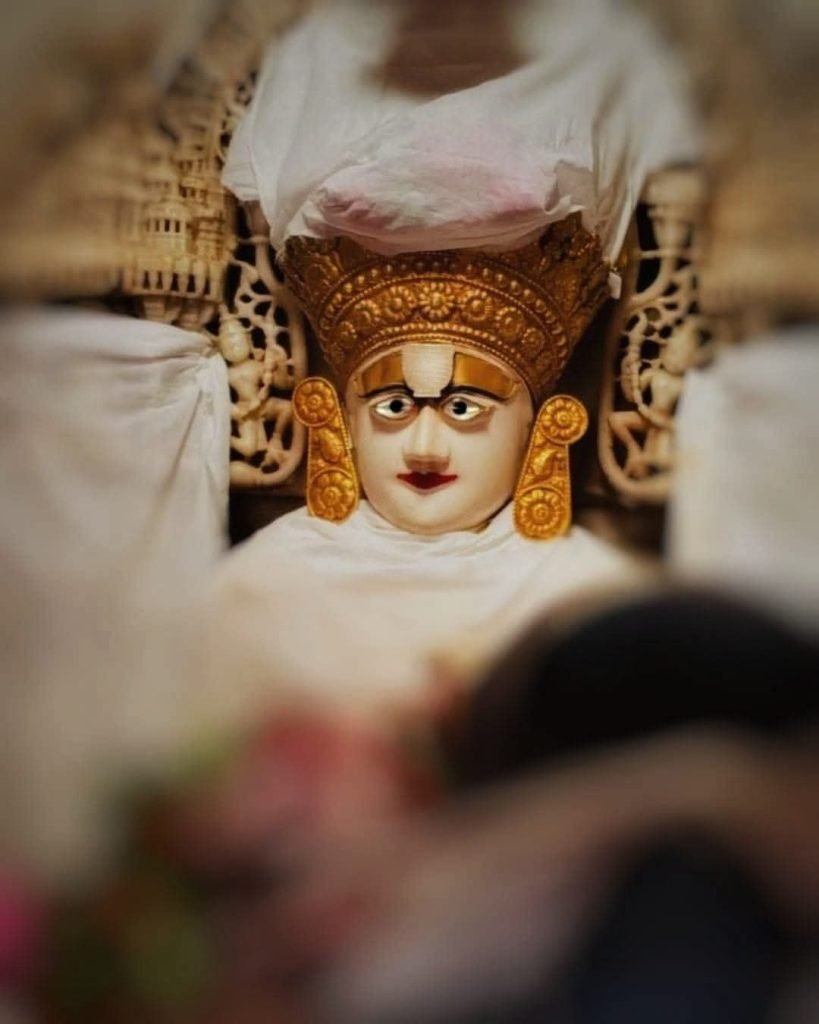
Vishnu avatars carved into the stepwell
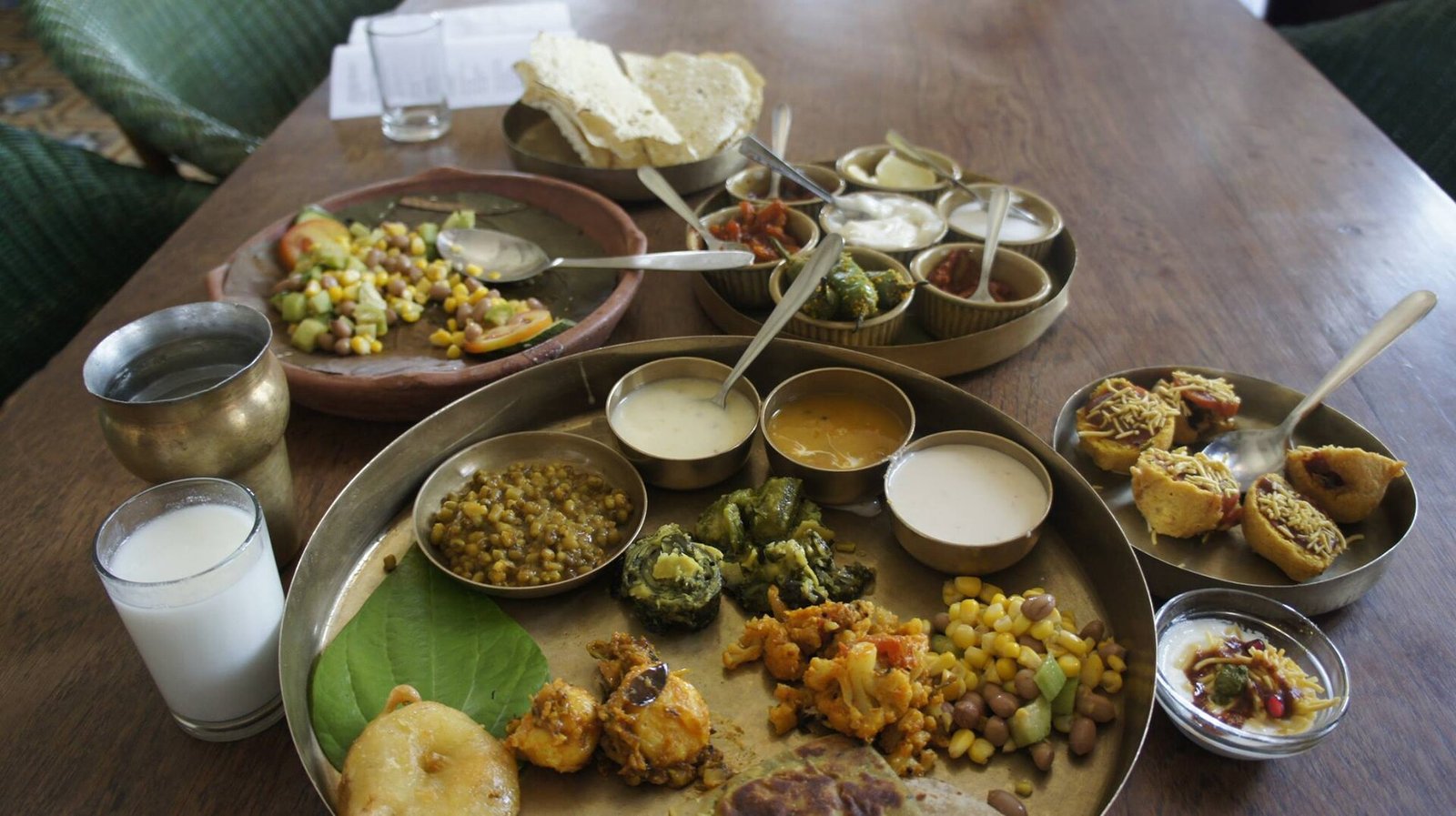
THALISweet-savoury full meals — the classic North Gujarat spread.
FARSANSteamed and fried snacks, a Gujarati farsan staple.
STREETSimple market-town fare in the lanes of Patan.
Classic North Gujarat veg fare; Mehsana's famous milk sweets are close by.
Patan district's lesser-known stepwells beyond the famous Rani ki Vav.
A stepwell — a stepped subterranean structure for water and cool shelter.
Scattered across the Patan, Sidhpur and old Solanki region.
Many are unprotected — explore carefully, watch your footing, don't go alone.
Most are free and open.
Ask locally; many are unmarked.
For a quiet, personal encounter with Gujarat's stepwell tradition.
October to March, in daylight.

◐ Early light · facades
SPIRITUALA dazzling marble-and-gold temple in Bhuj
4Hidden waterfalls and forest eco-trails
A sacred natural spring tucked into the forest
WATERFALLA forest cascade near a hill shrine
HERITAGEStone havelis & the historic harbour
WHERE TO STAY
Compare live prices across the big booking sites and reserve in a few taps. Booking happens securely on the partner's site — we may earn a small commission at no extra cost to you.
Book directly on our partner sites — tap a provider to see live Gujarat hotels & prices:
SHOP THE REGION
Hand-picked crafts and trip gear, available on Amazon.
Published 24 June 2026 · Updated 24 August 2026
We’re an independent group of writers and travellers documenting every corner of Gujarat — one place, plate and festival at a time.
Search Gujarat Explorer
Find places, food, festivals and travel guides across Gujarat
Press Enter to search — or Esc to close
Plan Your Trip
Gujarat Explorer is an independent travel guide. We’re happy to help you shape an itinerary and point you to the right places, stays and experiences across Gujarat.
Book a Cab