
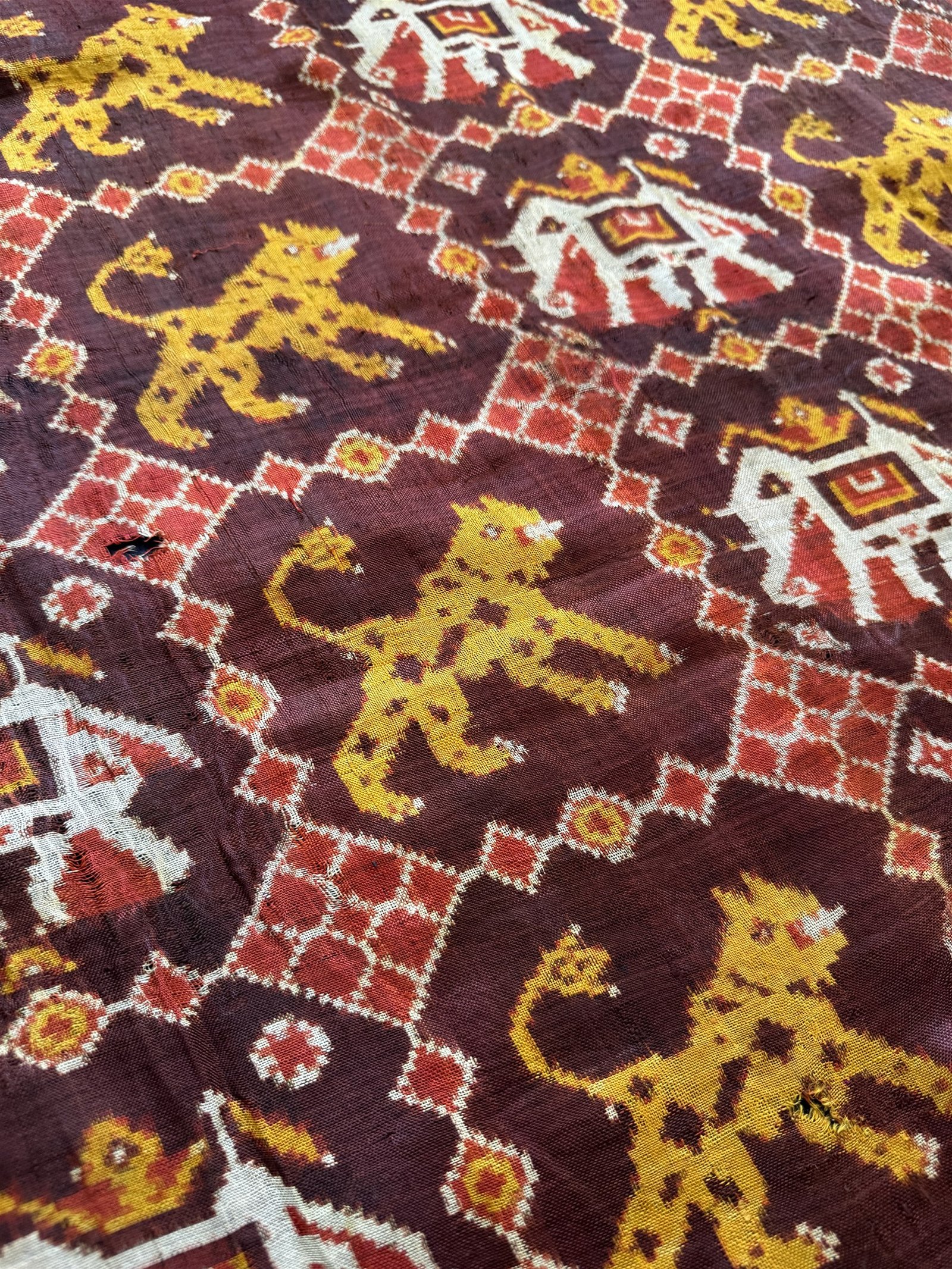
At the loom
Behind the famous Patan Patola lies one of the slowest, most exacting crafts on earth — and watching it on the loom is mesmerising. In the workshops of Patan’s few surviving weaver families, every thread of both the warp and the weft is first tie-dyed by hand to a precise plan, then aligned on the loom so that, as the cloth grows, the pattern resolves bit by bit into perfect mirror-image designs on both faces.
There is no margin for error: a single misaligned thread spoils the whole. Weavers may complete only a few inches a day, so a single patola sari can take months. To stand at the loom and watch the colours lock into place — geometric flowers, parrots, elephants, dancers — is to witness a centuries-old tradition still alive in a handful of hands.
The looms of Patan are a living gem of Indian craft, best appreciated slowly, in person. Visit the weaver workshops; viewing is by ticket.
A Patola workshop in Patan.
A handful of hands still weaving double ikat
Double-ikat patola silk.
Patola weaving is held to have come to Patan in the twelfth century, when the Solanki king Kumarapala brought Salvi weavers from the Deccan.
Once hundreds of families wove it; today the genuine double-ikat patola is made by only a handful, the Salvis foremost.
Progress at the loom is measured in inches a day, with two weavers working each piece together.
It survives as one of the world's rarest textiles — a living craft balanced on very few pairs of hands.
Reasons to make the time
Watch the loom
Watching the alignment work is mesmerising — each crossing of thread must land exactly on the pattern.
Double ikat
Both warp and weft are tie-dyed to the design before weaving begins; that is what double ikat means.
Mirror designs
A true patola is identical on both faces — there is no wrong side, which almost no other textile can claim.
Months of work
A few inches a day is genuine progress; a single sari represents months at the loom.
Master weavers
The Salvi families carry the craft, and their workshop-museum is where visitors see it done.
A living gem
The craft is on a knife's edge — few weavers, long training, and demand that outstrips what hands can make.
What to look for inside
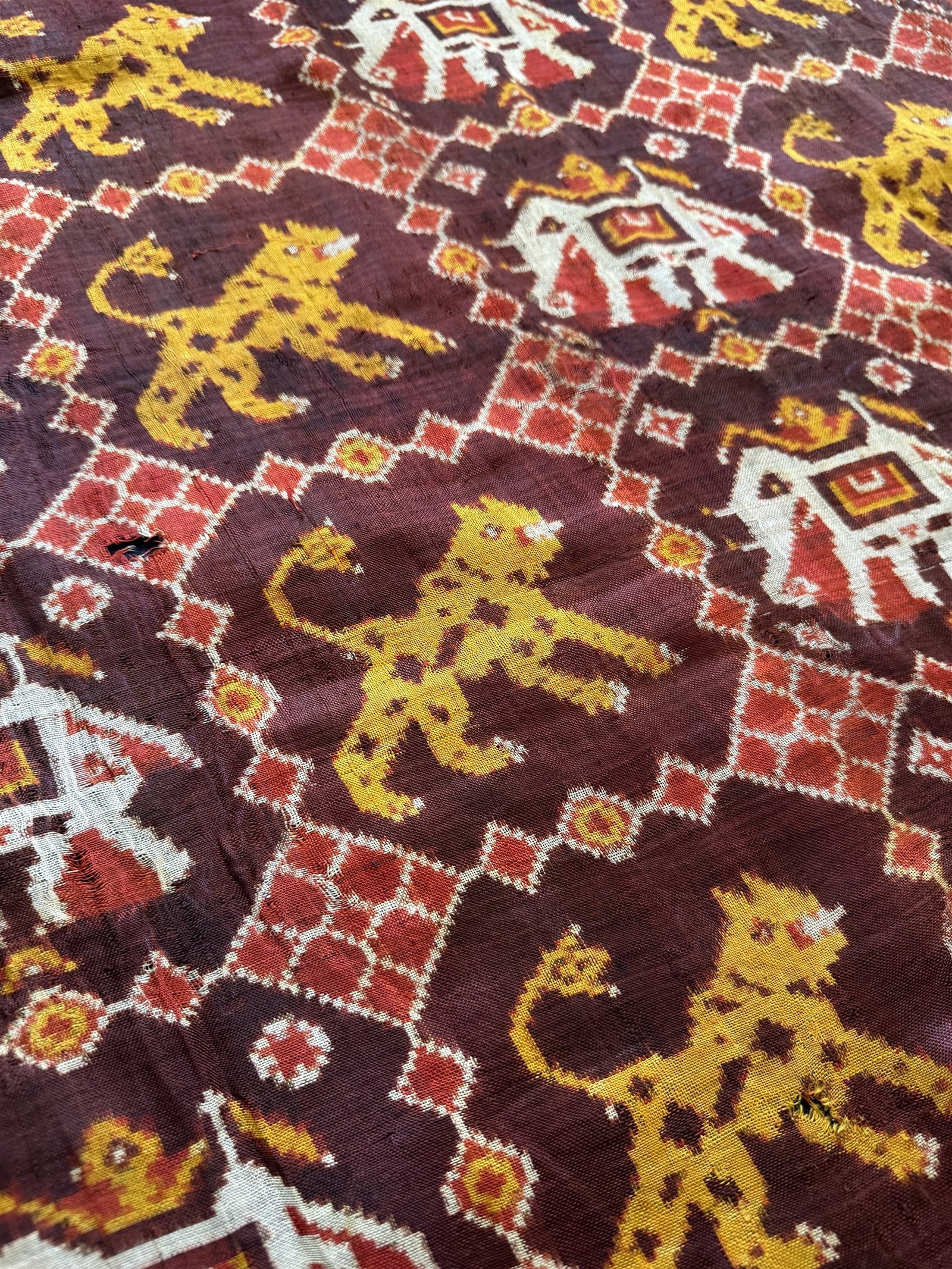 THE SILK
Patola
Double-ikat silk in geometric designs, dyed before it is woven.
 THE WORKSHOP
The looms
The Salvi workshops where the craft survives.
How to spend an hour or two
Watch the weaving
Watch the weavers at the patola loom, adjusting thread by thread against the pattern.
See the tie-dyeing
Understand the double ikat: warp and weft both dyed to the design before weaving starts.
Trace a pattern
See the pattern emerge thread by thread — it forms in front of you, impossibly slowly.
Meet the weavers
Visit the Salvi workshop-museum, which explains the process and shows heritage pieces.
Learn the patience
Grasp the economics: months per sari is why genuine patola costs what it costs.
Admire finished patola
Look closely at the finished work — vivid, precise, and identical on both faces.
Patola on the loom.
Threads, patience and precision
At a Patola loom, pre-dyed warp and weft threads are aligned with extraordinary care so the resist-dyed pattern resolves identically on both faces of the silk. The work is painstakingly slow — a few inches a day — and unforgiving, which is why genuine Patan patola is so rare and precious. Watching it made is the real gem. Workshop viewing is by ticket.
See what else is nearby in our guide to Patan.
It is one of many — our guide to the living crafts of Gujarat covers the rest.
Double-ikat hand weaving
Tie-dyed warp & weft
A few inches woven daily
Practised by Salvi families
When to go
October to March is the pleasant season for Patan, and mornings are when the looms are working.
The monsoon slows dyeing work but the looms run year-round; the visit is indoors.
April to June is hot outside; the workshops stay cool enough and the morning is still best.
⏰ Go in the morning when the weavers are at work; ask before photographing, and don't rush — the slowness is the point.
Timings & entry
- Workshops open daytime
- Mornings to see weaving
- Ask before photographing
- Allow about an hour
- Workshop viewing by ticket
- Genuine patola is costly
- Respect the working family
- Photography may be limited
Getting there
By Air
Ahmedabad airport (~125 km).
By Rail
Patan station.
By Road
In Patan town.
At the looms
THREAD & COLOUR
The art of double ikat
What to shoot
Threads stretched on the loom.
Detail
The pattern forming line by line.
People
Weavers at work — ask before photographing them.
Note
Photography may be limited around unfinished work.
Know before you go
More to see close by
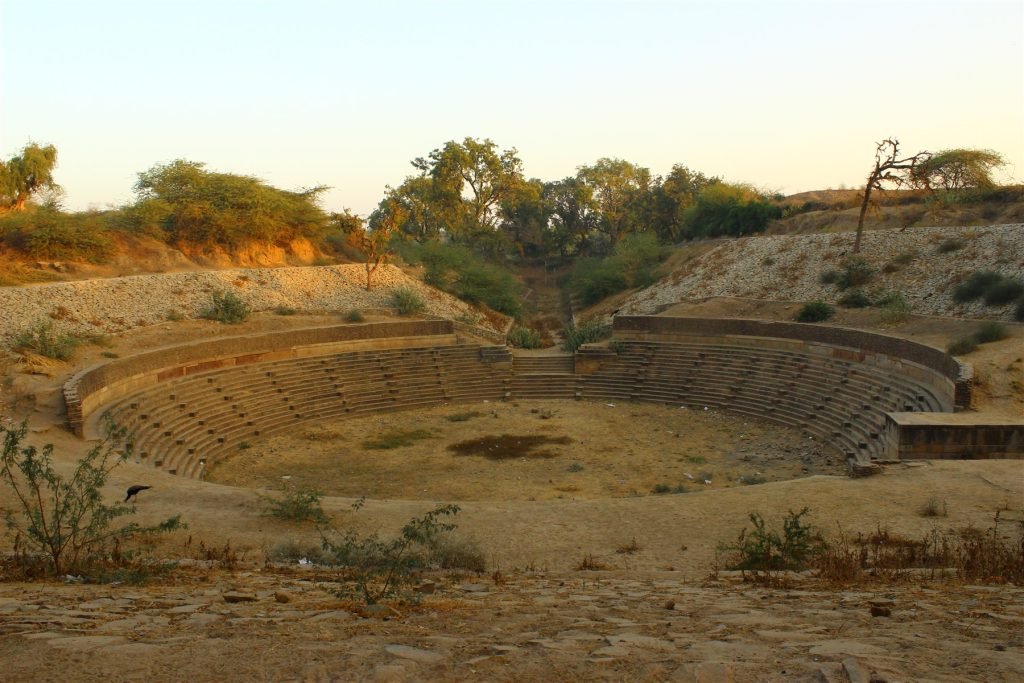 ANCIENT TANK
Sahastralinga Talav
A vast Solanki-era reservoir of a thousand shrines
 WATER ART
Forgotten Vavs
Carved stepwells the tour buses miss
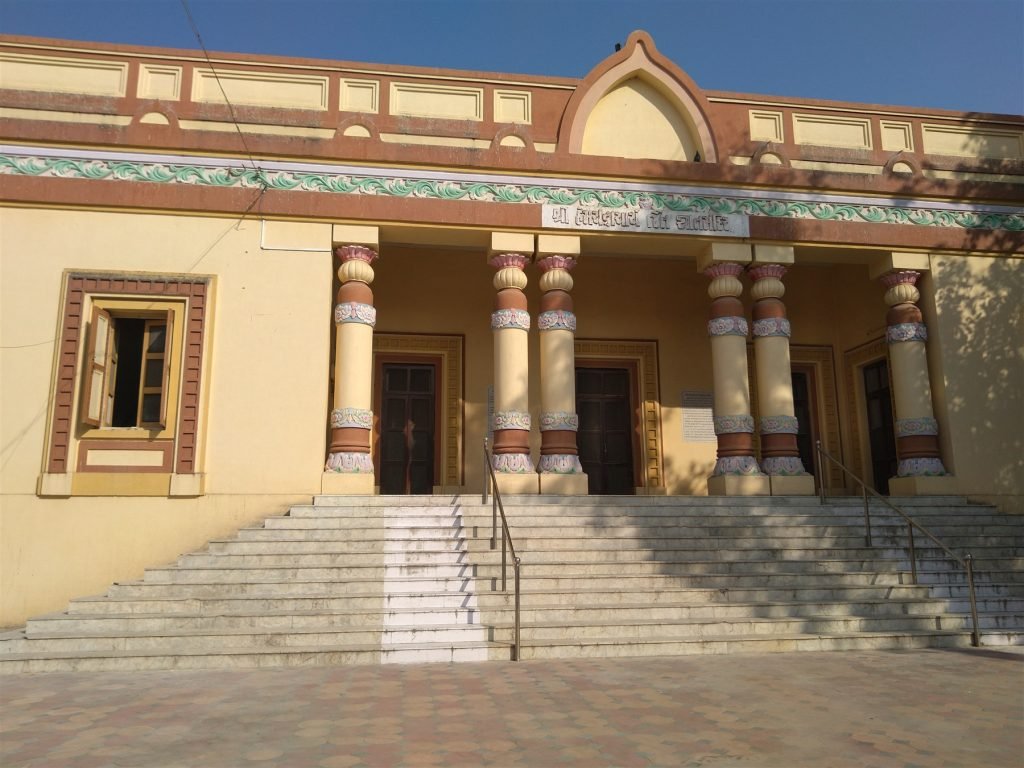 HERITAGE
Hemchandracharya Library
A treasury of ancient Jain manuscripts
 UNESCO
Rani ki Vav
The 11th-century ‘Queen’s Stepwell’ & its 800+ carvings
 SIDHPUR
Bohra Havelis, Sidhpur
Pastel European-style mansions in Sidhpur
 LAKE
LAKEKhan Sarovar
A grand medieval stepped water tank
Where to eat near Patola Looms
 THALI
THALIGujarati Thali
Sweet-savoury full meals.
 FARSAN
Dhokla & fafda
Steamed and fried snacks.
 STREET
Chaat & snacks
Simple market-town fare.
Pure-veg town
Classic North Gujarat veg; Mehsana's milk sweets near.
Patola Looms FAQ
What are the Patola looms?
The workshops in Patan where genuine double-ikat patola silk is hand-woven — one of the rarest textiles in the world, made by a handful of families.
Why is it so slow?
Both warp and weft are tie-dyed to the finished design before weaving begins, and every crossing must align perfectly. Weavers manage only a few inches a day.
Who weaves it?
A handful of Salvi master families, whose ancestors are held to have been brought to Patan by the Solanki kings in the twelfth century.
Can I watch?
Yes — the workshop-museum receives visitors by ticket, and mornings, when the looms are working, are much the best time.
Can I photograph?
Ask first. Photography may be limited, particularly of work in progress and heritage pieces.
How long for one sari?
Often months of work by two weavers together — which is why a genuine patola sari is an heirloom purchase rather than a souvenir.
Where is it?
In Patan town, easily combined with Rani ki Vav, the Panchasara derasar and the Gyan Mandir.
When should I visit?
October to March, in the morning. The looms work year-round, but that is when Patan as a whole is at its best.
Related places across Gujarat

ISKCON Ahmedabad
Shri Shri Radha Govind Dham — a serene sandstone Krishna temple on SG Highway, alive with…

Trimandir
A vast modern non-sectarian temple
 BEACH
BEACHSomnath Beach
Golden sands beside the great temple
 COAST
COASTGulf Coast & Beaches
Quiet shores & flamingo-rich mudflats
 GARDEN
Sayaji Baug
Western India’s largest park, with a zoo & museum
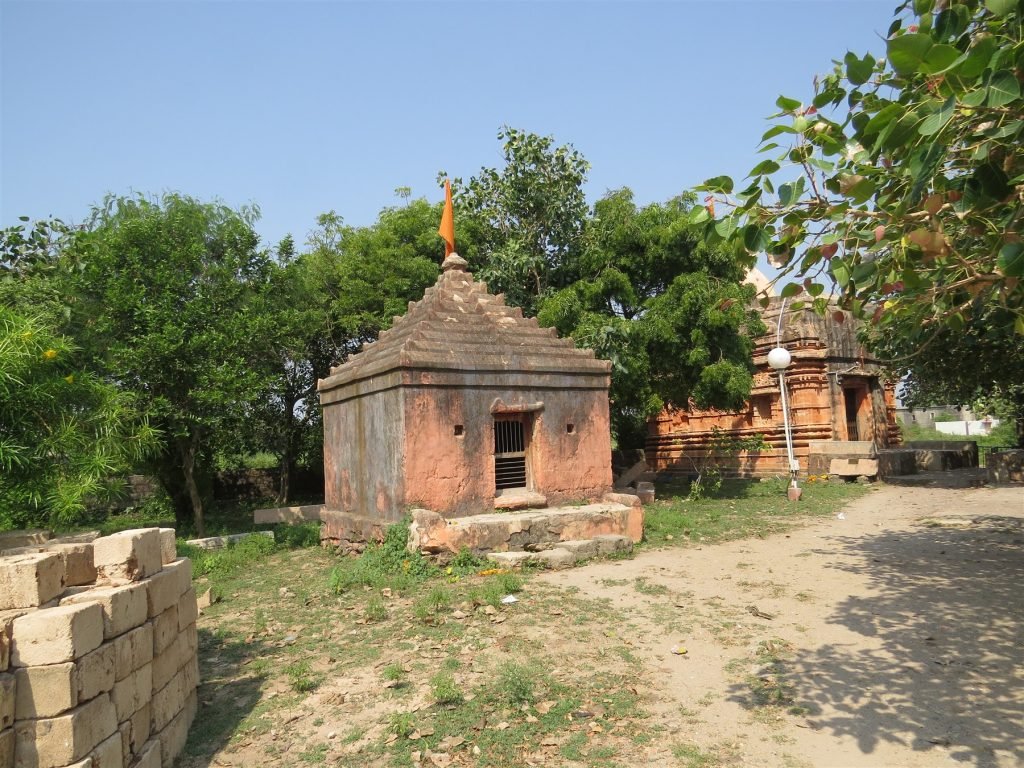
Gita Mandir
A riverside temple near Somnath
WHERE TO STAY
Find your stay in Gujarat
Compare live prices across the big booking sites and reserve in a few taps. Booking happens securely on the partner's site — we may earn a small commission at no extra cost to you.
Book directly on our partner sites — tap a provider to see live Gujarat hotels & prices:
SHOP THE REGION
Bring home Gujarat — & travel essentials
Hand-picked crafts and trip gear, available on Amazon.
Published 24 June 2026 · Updated 24 August 2026
We’re an independent group of writers and travellers documenting every corner of Gujarat — one place, plate and festival at a time.