
Gujarat Explorer

Vijaynagar Jain Ruins

Home Sabarkantha Vijaynagar Jain Ruins

HIDDEN GEM · JAIN RUINS · FOREST

Vijaynagar Jain Ruins

Jain heritage lost in the woods — the Jain temple ruins of the Vijaynagar forest, finely carved 15th-century shrines standing among the Aravalli trees, are one of the most evocative and little-known heritage discoveries in Gujarat.

AT A GLANCE Quick Facts
📍 DISTRICT Sabarkantha
🏷️ TYPE Jain temple ruins
🗺️ REGION North Gujarat
🧭 CATEGORY Hidden Gem
☀️ BEST TIME Oct – Mar
🎟️ ENTRY Open access
⏱️ DURATION 1–2 hrs
💡 IDEAL FOR Explorers
ABOUT THE PLACE

Carved Jain ruins in deep forest

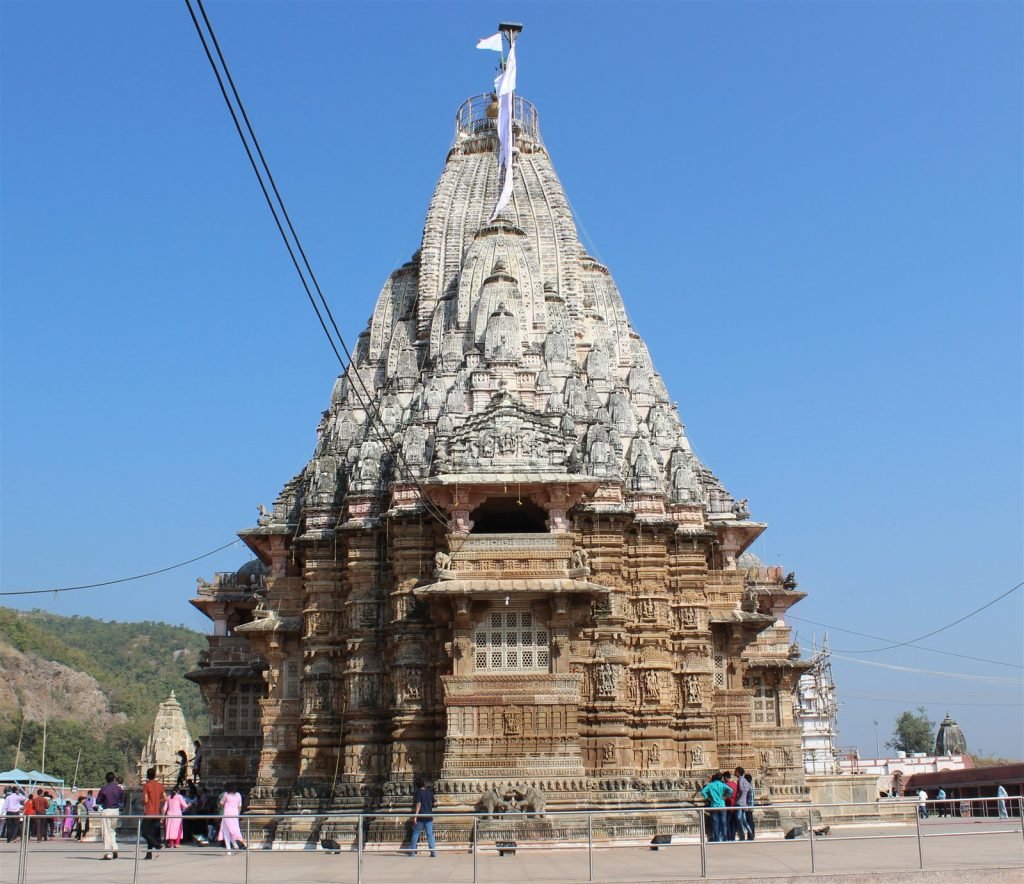
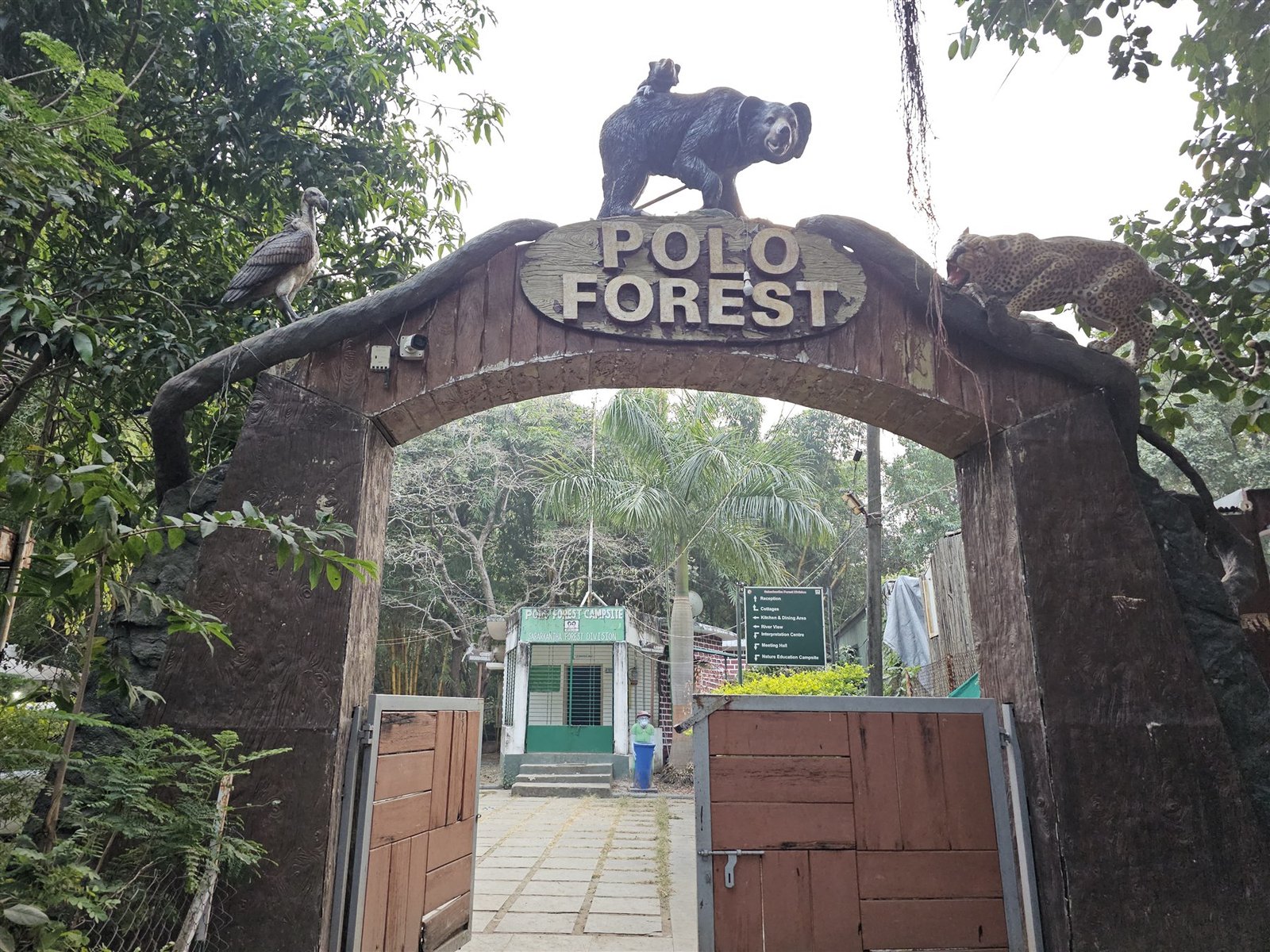
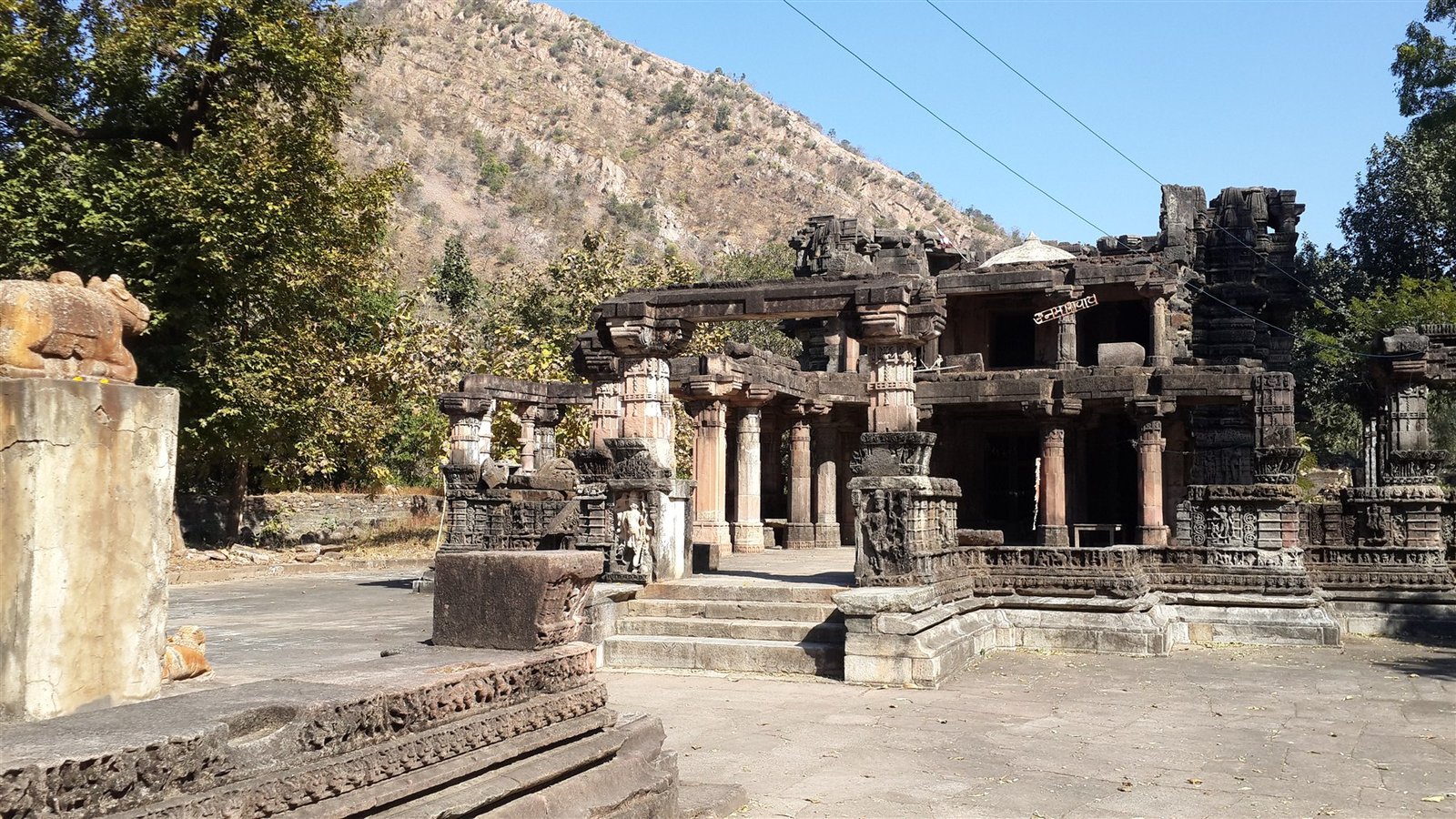
The Jain temple ruins of the Vijaynagar forest — part of the Polo heritage — are among the most evocative and little-known heritage discoveries in Gujarat: finely carved 15th-century Jain shrines standing in romantic ruin among the Aravalli trees, reached by walks through the woods. These Jain temples reflect the importance of the Jain community in the medieval settlement that once flourished in the Polo-Vijaynagar forest.

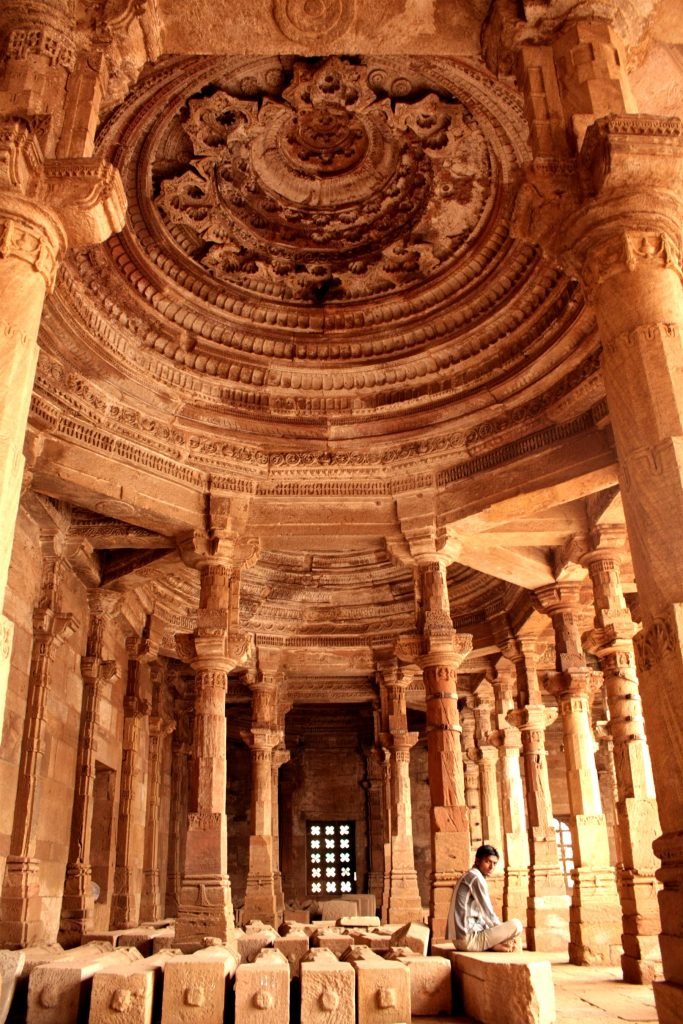
Built in the refined architectural and sculptural style of the period, with carved pillars, doorways and decorative work, they were abandoned with the settlement and gradually wrapped in forest — and today they stand as atmospheric ruins, some substantially preserved, others reduced to fragments, in a setting of silence and green light beside the Harnav river.

The special character of these ruins is the encounter with significant medieval Jain architecture not in a managed park but in living forest, often after a walk through the trees. For the lover of Jain heritage and the romantic explorer alike, coming upon a carved Jain shrine standing among the woods is an unforgettable experience. The Vijaynagar Jain ruins are best explored slowly, with a guide, when the forest is green after the monsoon.

Jain temples, Polo-Vijaynagar forest. Source: Wikimedia Commons.

HISTORY

Carved Jain stone, deep in the trees

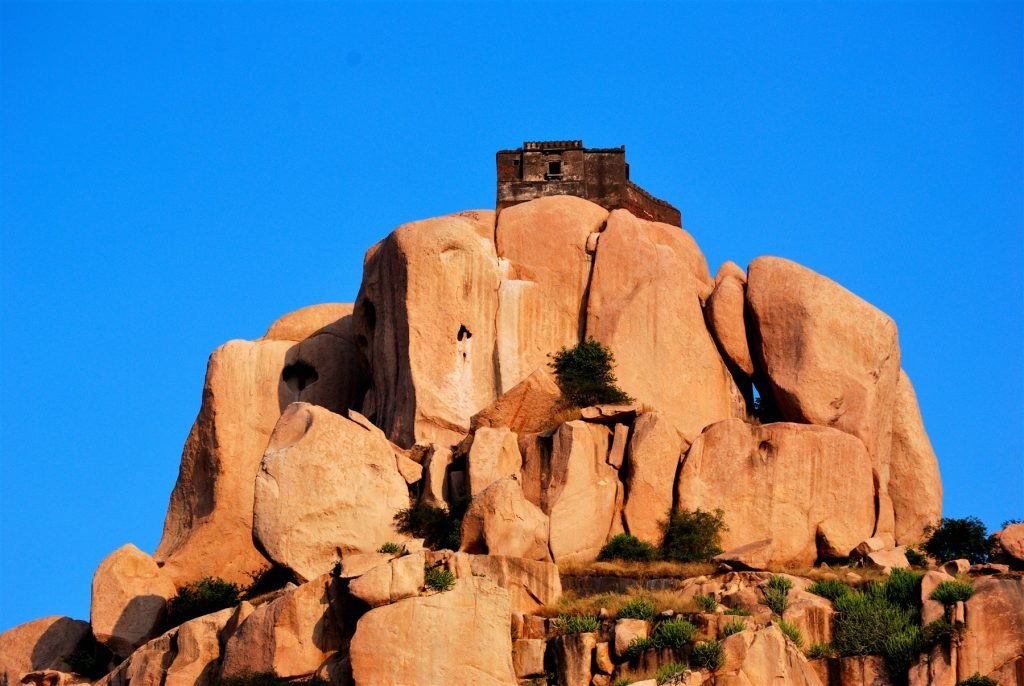
Jain ruins, Vijaynagar. Wikimedia Commons.

Medieval

A Jain community flourished in the medieval settlement of the Polo-Vijaynagar forest.

15th century

Finely carved Jain temples were built in the refined architectural and sculptural style of the period.

Abandoned

The settlement was abandoned and its shrines were gradually wrapped and reclaimed by the Aravalli forest.

Today

They stand today as atmospheric ruins — some preserved, others fragments — in silence beside the Harnav river.

WHY VISIT

Reasons to make the time

🛕

Jain ruins

15th-century shrines standing among the forest trees.

🪨

Carving

Fine stonework — carved pillars, doorways and decorative work.

🌳

Forest

Heritage encountered in living Aravalli woodland, not a managed park.

🌊

Harnav

The forest river that runs beside the ruins.

🧭

Hidden

Little-known, evocative and rarely crowded.

📸

Atmosphere

Heritage in the woods — green light, silence and romance.

HIGHLIGHTS

What to look for inside

VijaynagarJAIN RUINS

Vijaynagar

Forest shrines standing among the Aravalli trees.
CarvingTHE STONE

Carving

Medieval temples with finely carved stonework.
SharneshwarNEARBY

Sharneshwar

The Shiva temple close to the Jain ruins.

THINGS TO DO

How to spend an hour or two

01

Find the Jain ruins

Seek out the carved Jain shrines standing among the trees of the Vijaynagar forest.

02

Study the carving

Look closely at the 15th-century art — carved pillars, doorways and decorative stonework.

03

Walk the forest

Reach the ruins on walks through the Aravalli woods, part of the Polo heritage.

04

Combine with Sharneshwar

Pair the visit with the nearby Sharneshwar Shiva temple.

05

Go with a guide

A local guide helps you find them all — the shrines are scattered in the forest.

06

Visit after the monsoon

Come when the forest is greenest, in the monsoon and post-monsoon months.

Jain ruins, Vijaynagar. Wikimedia Commons.

ARCHITECTURE & SETTING

Jain ruins in forest

The Vijaynagar Jain ruins are finely carved 15th-century Jain temple ruins of the Polo heritage — reflecting the importance of the Jain community in the medieval settlement, now standing as atmospheric ruins wrapped in Aravalli forest beside the Harnav river.

Encountering significant medieval Jain architecture in living forest, after a walk through the trees, is the special character of the place. Jain heritage ruins in forest; explore with a guide; some walking required; best in monsoon and post-monsoon.

Finely carved 15th-century Jain temple ruins

Part of the medieval Polo-Vijaynagar settlement

Atmospheric ruins wrapped in Aravalli forest

Reached by walks through the woods

BEST TIME TO VISIT

When to go

WINTEROct – Feb★★★★★

Cool and clear — ideal. Comfortable all day for the hills, forts and forest ruins.

MONSOONJul – Sep★★★★★

The forest at its greenest. The Polo forest is most magical after the monsoon.

SUMMERMar – May★★☆☆☆

Hot; early morning best. Come right at dawn to beat the heat.

⏰ The Polo forest is most magical after the monsoon; winter is best for the hills and forts.

PLANNING ESSENTIALS

Timings & entry

🕗OPENING HOURSOpen access
  • Open access forest site — no fixed gate hours
  • Allow 1–2 hours for an unhurried visit
  • Some walking through the woods is required
  • Best explored in daylight, ideally with a guide
🎟️ENTRYOpen access
  • No ticket required for the forest ruins
  • Hire a local guide to find the scattered shrines
  • Carry water and wear sturdy walking shoes
  • Best in monsoon and post-monsoon when the forest is green
HOW TO REACH

Getting there

✈️

By Air

Ahmedabad airport is about 85 km away, the nearest major airport for reaching Vijaynagar and the Polo forest.

🚆

By Rail

Himatnagar is the nearest railway station, from where road transport reaches Vijaynagar.

🚗

By Road

Reached by road from Ahmedabad and Shamlaji; the Polo forest lies adjacent to Vijaynagar.

NEARBY DISTANCES
Polo Forest — adjacent · Idar — 40 km · Shamlaji — 30 km
PHOTOGRAPHY GUIDE

Shooting the forest ruins

FOREST HERITAGE

Carved stone, green light and silence among the Aravalli trees

🌅

Best light

Come after the monsoon when the forest is green; soft morning light suits the carved stone.

🪨

What to shoot

Carved pillars and doorways, ruined shrines among the trees, and the Harnav river.

🤫

Be respectful

These are heritage ruins in living forest — tread lightly and leave the stone undisturbed.

🎒

Gear tip

A wide lens frames shrines among the trees; bring sturdy shoes for the forest walks.

TRAVEL TIPS

Know before you go

1Explore with a local guide — the shrines are scattered through the forest.
2Visit in the monsoon or post-monsoon, when the Polo forest is greenest.
3Wear sturdy walking shoes; reaching the ruins involves walks through the woods.
4Carry water and start early, especially in the warmer months.
5Combine the Jain ruins with the nearby Sharneshwar Shiva temple.
6Pair the trip with Polo Forest and Idar for a fuller Sabarkantha itinerary.
7Tread lightly — these are fragile heritage ruins in living forest.
8Allow one to two unhurried hours to take in the atmosphere.
NEARBY FOOD

Where to eat near Vijaynagar Jain Ruins

Gujarati ThaliTHALI

Gujarati Thali

Comfort home cooking — an unlimited Gujarati thali.

Sabar DairyDAIRY

Sabar Dairy

The district's famous cooperative milk and dairy products.

FarsanFARSAN

Farsan

Savoury Gujarati snacks to nibble on the road.

🍽️GOOD TO KNOW

A vegetarian region

Sabarkantha is veg-friendly — expect hearty thalis, farsan and famous Sabar Dairy sweets.

FREQUENTLY ASKED

Vijaynagar Jain Ruins FAQ

What are the Vijaynagar Jain ruins?

15th-century Jain temple ruins in the Polo-Vijaynagar forest, part of the Polo heritage.

How old are they?

Largely 15th century, from the medieval settlement that once flourished in the forest.

Are they ruins?

Yes — some are substantially preserved, while others are reduced to fragments.

How do I reach them?

By walks through the forest, ideally with a guide who knows the scattered shrines.

Why a hidden gem?

They offer significant Jain heritage set in deep, little-known Aravalli forest.

Best time to visit?

Monsoon and post-monsoon, when the forest is green, and the cool winter months.

WHERE TO STAY

Find your stay in Gujarat

Compare live prices across the big booking sites and reserve in a few taps. Booking happens securely on the partner's site — we may earn a small commission at no extra cost to you.

📍 DestinationAnywhere in Gujarat 📅 Check-inAdd date 📅 Check-outAdd date 👥 Guests2 adults Search Hotels

Book directly on our partner sites — tap a provider to see live Gujarat hotels & prices:

Affiliate links: prices and availability are shown by our partners. You pay the same price; we may earn a commission that helps keep Gujarat Explorer free.

SHOP THE REGION

Bring home Gujarat — & travel essentials

Hand-picked crafts and trip gear, available on Amazon.

🧵
Patola Silk Scarf
View on Amazon
🪡
Kutch Embroidery
View on Amazon
🎒
Travel Backpack 40L
View on Amazon
🔔
Brass Handicraft
View on Amazon
As an Amazon Associate, Gujarat Explorer earns from qualifying purchases. Product prices and availability are accurate as of the date/time shown on Amazon and are subject to change.
🚕
Book a cab anywhere in Gujarat
Airport transfers, day trips & intercity rides — reserve a comfortable cab, or just ask us on WhatsApp.
Enquiries are passed to independent, licensed local operators. Gujarat Explorer is a facilitator, not the transport provider.
WhatsApp Enquiry

Published 24 June 2026 · Updated 24 August 2026

GE
The Gujarat Explorer Team

We’re an independent group of writers and travellers documenting every corner of Gujarat — one place, plate and festival at a time.