Home › Dahod Festivals › Bhil Folk Dance
FOLK DANCE · DRUMS · TRIBAL JOYThe dancing spirit of the Bhils — the folk dances of Dahod, performed in swirling circles to the thunder of drums at fairs and festivals, are the joyous, communal heartbeat of tribal life.
Dance is the living, joyous heartbeat of Bhil culture in Dahod — and the district’s tribal folk dances are among the most vivid expressions of Adivasi life in Gujarat. Performed at fairs, festivals (above all the tribal Holi), weddings and seasonal celebrations, the Bhil folk dances are energetic and deeply communal — men and women moving together in great swirling circles and lines to the insistent thunder of drums (the dhol and others), the wail of folk pipes, and the chime of ankle-bells. Dancers wear vivid traditional dress and ornament, and the dancing can continue for hours, building in energy and joy. The most famous form is the Gher, the swirling Holi-time circle dance, but the repertoire is rich and tied to the rhythms of the year and community life. These are not staged performances but the authentic celebration of the community itself — an infectious, participatory expression of belonging that has continued for generations. For the visitor, the Bhil folk dances of Dahod offer a window into the soul of Adivasi Gujarat — best experienced at a fair or festival, with respect for their communal nature. (The folk dances of the Bhil tribes of Dahod; performed at fairs and festivals; an authentic living culture.)
Bhil folk dance, Dahod. Source: Wikimedia Commons.
Bhil folk dance. Wikimedia Commons.
The Bhil communities of Dahod district have carried their own dance traditions for generations, distinct from mainstream Gujarati folk forms.
The dances belong to occasions — Holi above all, but also weddings, harvests and the turns of the season.
The best known is the circle dance performed at the Holi fairs, danced in long swirling rings to the drums.
It is living culture. These are danced by the communities for themselves, not staged for anyone watching.
The dancing is energetic and communal, built on large groups moving together rather than on individual display.
The dhol drives everything; the drummers set the tempo and the dancers follow it, faster as the night goes on.
Folk pipes carry the melody over the drums, with a wailing quality that is unmistakable once you have heard it.
The dress is at its most vivid at these gatherings — colour, mirror-work, heavy silver and ankle bells.
The Holi dance is the great annual occasion, and the fairs around it are when the district is at its most alive.
What comes across most is belonging. These are dances that mark who the dancers are, not performances put on.
THE DANCEDrums, pipes and circles, danced by whole villages together.
THE FAIRThe Dahod fairs in March, when the dances are at their fullest.
See it at a fair rather than a staged show; the communal setting is most of what the dance is.
Watch the circle form and grow — the ring simply widens as more people join it.
Listen to the drums, which set the pace and drive it steadily upward through the evening.
Look at the dress and silver ornament, which mark community and occasion rather than just decorating.
Time a visit to the Holi fairs in March, which are the district's biggest gatherings of the year.
Ask before photographing anyone, and accept that a no is a no.
Bhil folk dance. Wikimedia Commons.
The Bhil folk dances of Dahod are the communal heartbeat of its tribal culture — energetic, participatory dances performed at fairs, the tribal Holi, weddings and seasonal festivals, in swirling circles to the thunder of drums, folk pipes and ankle-bells, in vivid dress. The famous Gher is the Holi-time circle dance; the repertoire is rich and tied to community life. (The folk dances of the Bhil tribes of Dahod; performed at fairs and festivals; an authentic living culture.)
The rest of the district is covered in our Dahod travel guide.
The folk dances of the Bhil tribes of Dahod
Performed to drums, pipes and ankle-bells
The swirling Gher dance of the Holi fairs
An authentic, communal living culture
The Holi fairs in March are the peak — the largest gatherings of the year and when the dances are at their fullest.
Weekly haats and seasonal fairs run through the year and are the other reliable occasions to see the culture.
November to February is the comfortable season for travelling around Dahod district generally.
⏰ Best at fairs and festivals — above all the tribal Holi (March).
Vadodara / Indore.
Dahod Junction.
On the Vadodara–Indore NH.
TRIBAL
Bhil Culture
The people of the Aravalli hills — the Bhils, one of India’s largest tribal communities, give eastern Aravalli its distinctive culture of dance, music, fairs and a deep bond with the land. Explore →
FESTIVAL
Tribal Holi
Holi as the tribes celebrate it — in Dahod, the festival of colour becomes a days-long explosion of tribal dance, costume and fairs, as Bhil villagers gather in their finest to mark the great spring festival. Explore →
MARKET
Weekly Haats
Where the tribal week turns — the weekly haats of Chhota Udaipur gather Adivasi villagers to trade, meet and celebrate, vibrant rural markets that are the social hub of tribal life. Explore →
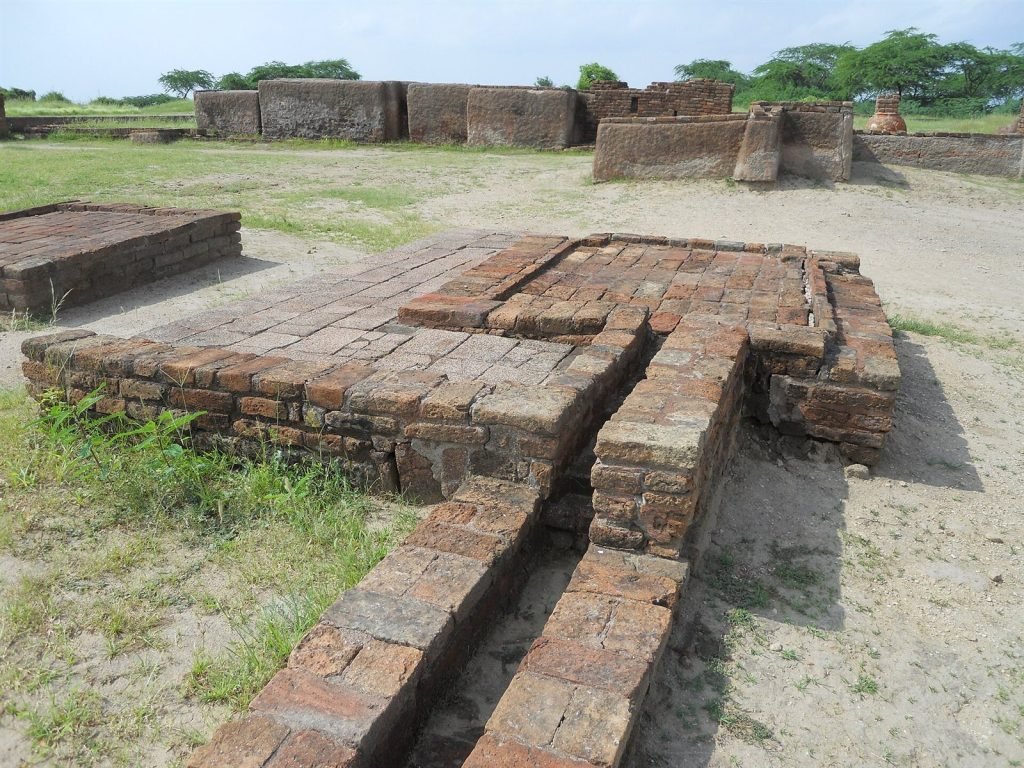
HISTORY
Aurangzeb’s Birthplace
An unexpected Mughal footnote — Dahod is the birthplace of Aurangzeb, the powerful Mughal emperor, born here in 1618, a surprising thread of imperial history in this tribal district. Explore →
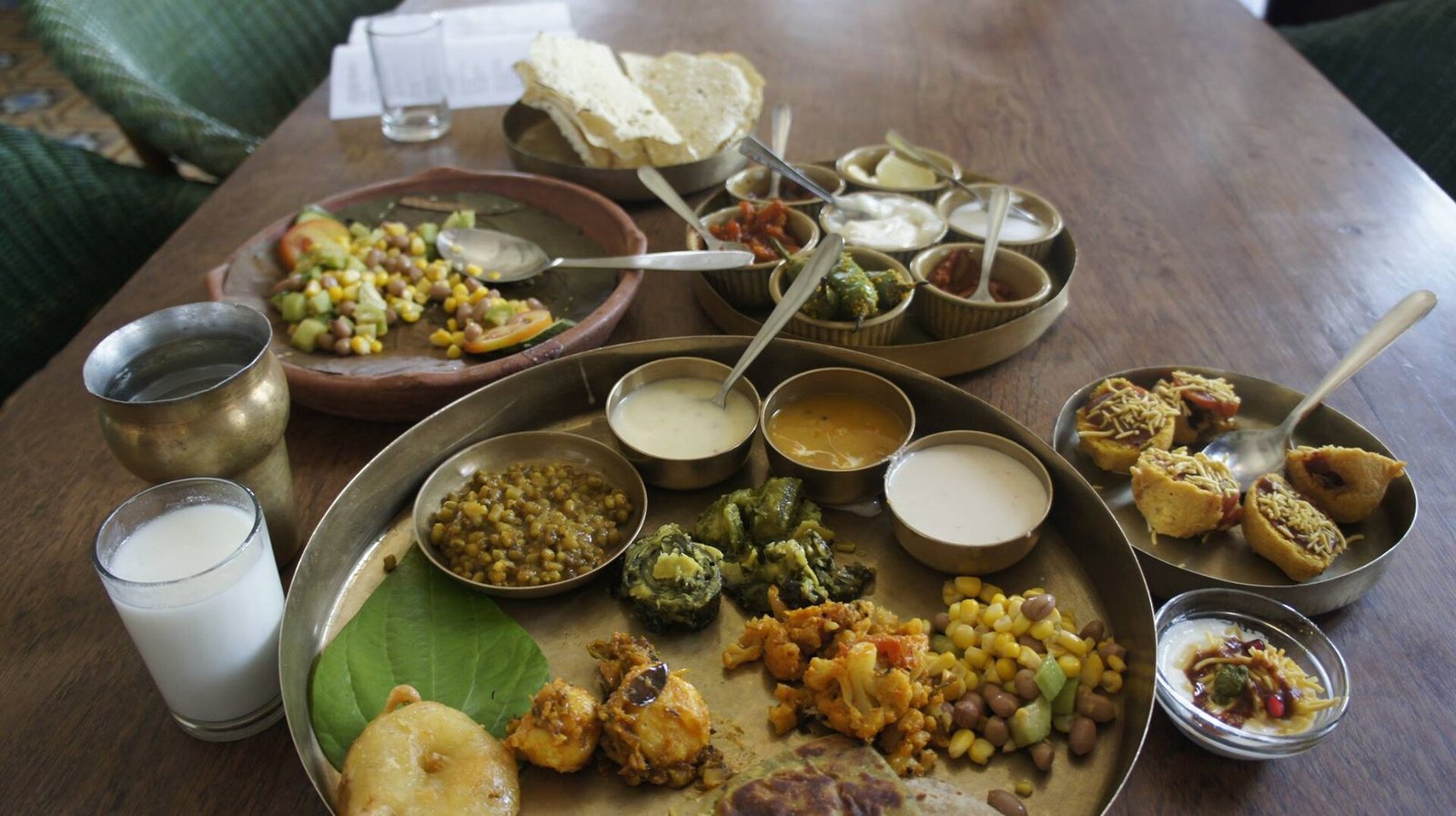
TRIBALMaize, rice & forest produce.
MAIZEMaize flatbread.
THALIComfort cooking.
CHAASSpiced buttermilk.
The communal folk dances of the Bhil communities of Dahod district — energetic group dances performed at fairs, festivals, weddings and seasonal celebrations.
The swirling circular dance performed at the Holi fairs, in which long rings of dancers move together to the drums, building in speed through the evening.
Drums above all — the dhol carries the whole thing — along with folk pipes for the melody and ankle bells worn by the dancers.
At fairs, festivals, weddings and seasonal celebrations. Holi in March is the great occasion, but the weekly haats and smaller fairs run through the year.
No. These are the community's own celebrations, danced for themselves. Visitors are generally welcome to watch, but nothing is arranged for them.
At the tribal Holi fairs in March above all, and at the other fairs held across Dahod district through the year. Ask locally for dates, which move with the calendar.

A vast, gleaming modern temple to Khodiyar Mata at Kagvad — Khodaldham, the grand spiritual seat…
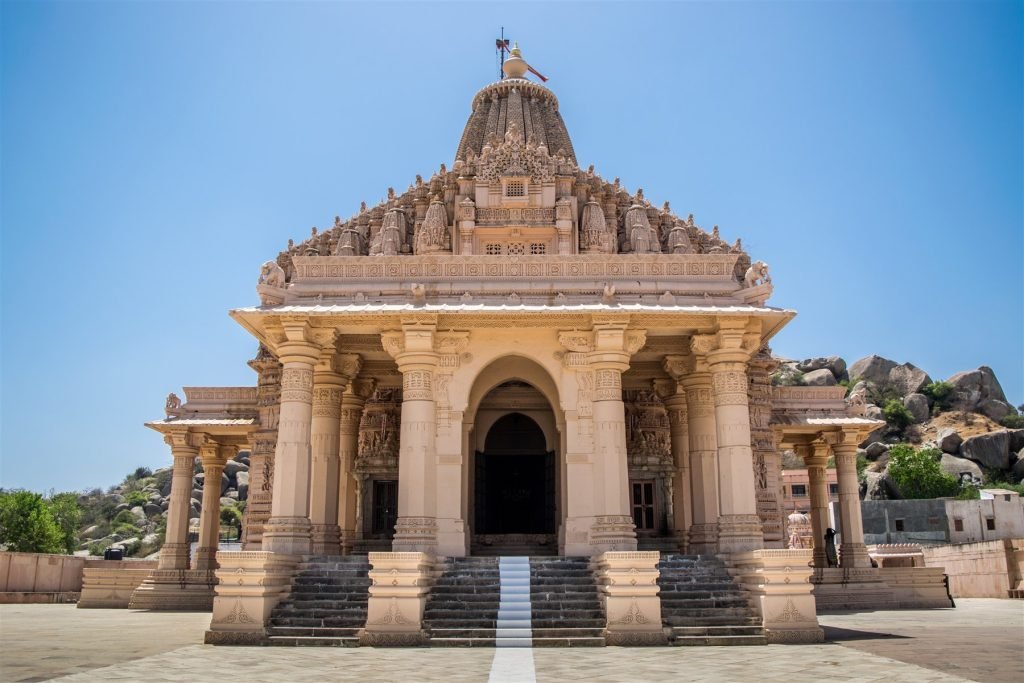
Marble temples on the Taranga hills
HERITAGEAn ancient holy town with a fine museum
A Jain tirth of the Cambay region — Stambhan Parshwanath, an historic pilgrimage temple dedicated to…
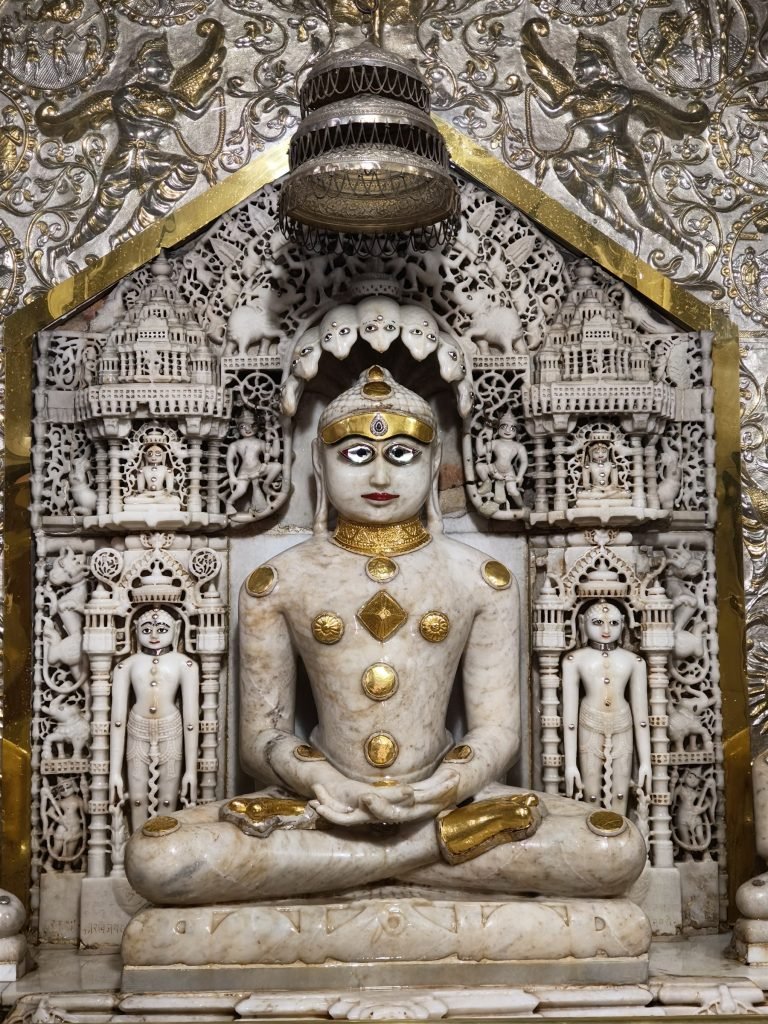
An exquisite white-marble Jain temple
QUIRKYOver 1,500 dolls from across the world
WHERE TO STAY
Compare live prices across the big booking sites and reserve in a few taps. Booking happens securely on the partner's site — we may earn a small commission at no extra cost to you.
Book directly on our partner sites — tap a provider to see live Gujarat hotels & prices:
SHOP THE REGION
Hand-picked crafts and trip gear, available on Amazon.
Published 24 June 2026 · Updated 3 July 2026
We’re an independent group of writers and travellers documenting every corner of Gujarat — one place, plate and festival at a time.
Search Gujarat Explorer
Find places, food, festivals and travel guides across Gujarat
Press Enter to search — or Esc to close
Plan Your Trip
Gujarat Explorer is an independent travel guide. We’re happy to help you shape an itinerary and point you to the right places, stays and experiences across Gujarat.
Book a Cab