
The last temple before the sea
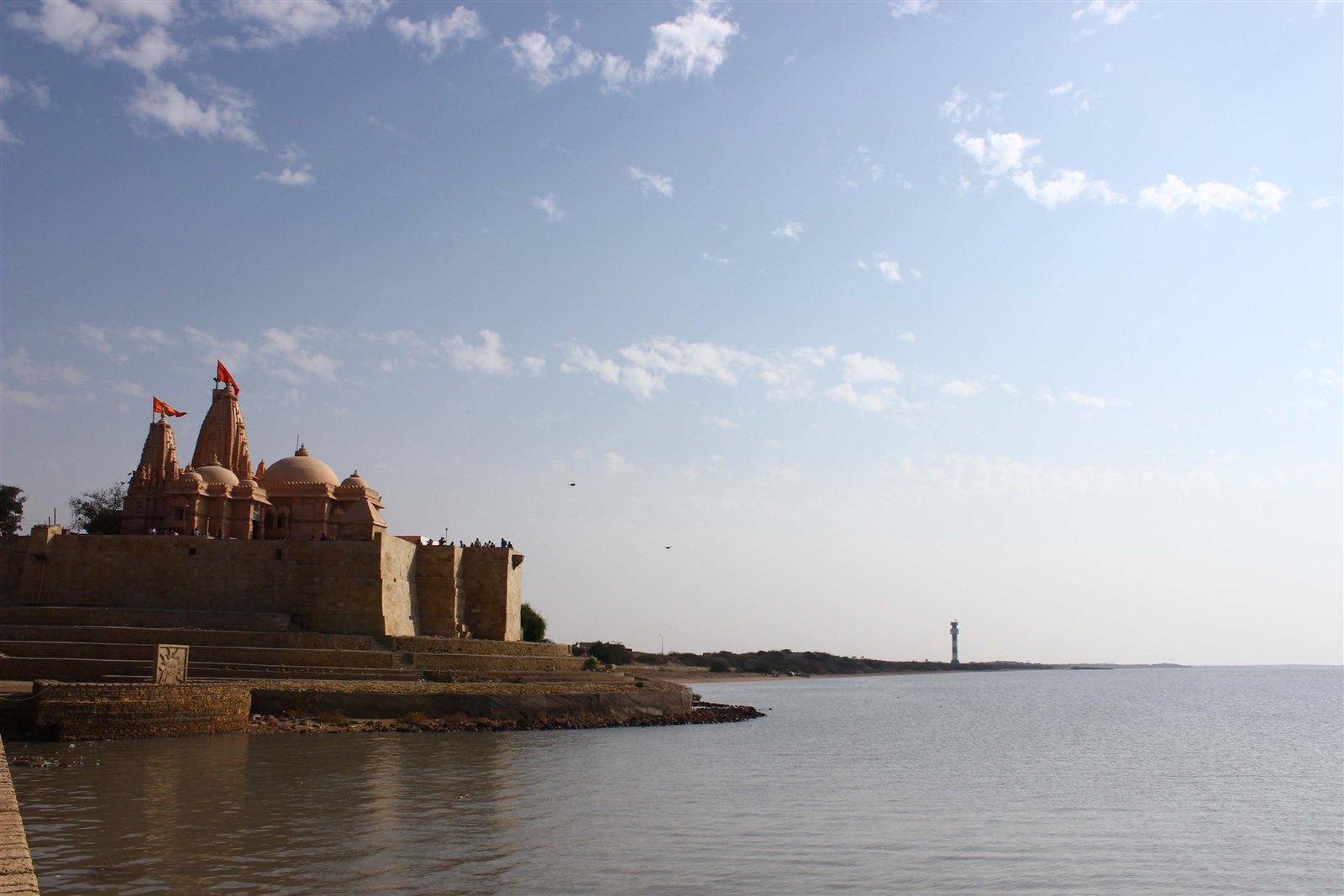
At the far-western tip of Kutch — and effectively of India — stands Koteshwar, a Shiva temple perched where the desert finally gives way to the creek and the Arabian Sea beyond. Past the last village, with the Indus delta and the border somewhere over the water, it has a powerful end-of-the-world atmosphere.
Legend ties the shrine to Ravana, who is said to have been granted a divine shivling (the ‘kotar’) here as a boon, giving the temple its name and sanctity. A flight of steps leads up to the shrine, which looks out over the wide, tidal waters.
Quiet, remote and elemental, Koteshwar is almost always visited together with the holy lake of Narayan Sarovar, just a few kilometres away.
A Shiva shrine at the edge of the land.
Ravana's boon, and the last temple before the sea
An ancient shrine at India’s western edge.
Ravana is said to receive a divine shivling — the 'kotar' — at this spot.
A Shiva shrine grows at the westernmost tip of Kutch.
Rebuilt and maintained as a remote pilgrimage outpost.
A serene Shiva temple paired with Narayan Sarovar.
Reasons to make the time
Edge of India
This is very nearly the westernmost point of India you can stand on — beyond the temple is tidal water and, far off, the Indus delta.
Shiva shrine
The Mahadev temple is ancient in association and elemental in setting — stone, wind and sea.
Ravana legend
The kotar legend — Ravana's divine shivling set down here — gives the shrine its name and story.
Sea views
The tidal vistas run out towards the Indus delta and Pakistan; the emptiness is the view.
With Narayan Sarovar
Narayan Sarovar, one of Hinduism's five sacred lakes, lies four kilometres back.
Remote calm
Almost nobody makes it this far west, and the crowds simply do not exist.
What to look for inside
 SHRINE
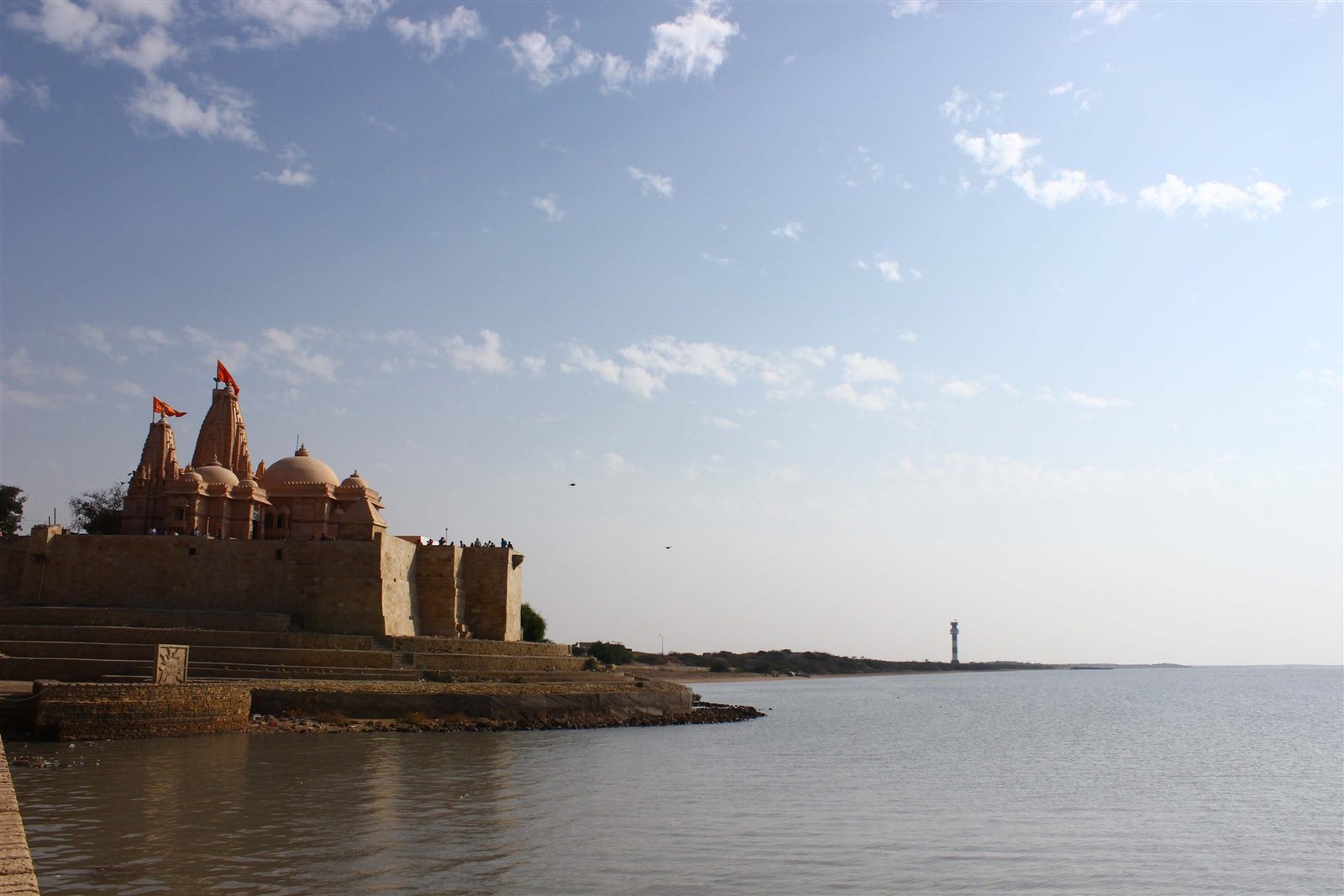
Koteshwar Mahadev
The Shiva temple at the sea's edge.
 NEARBY
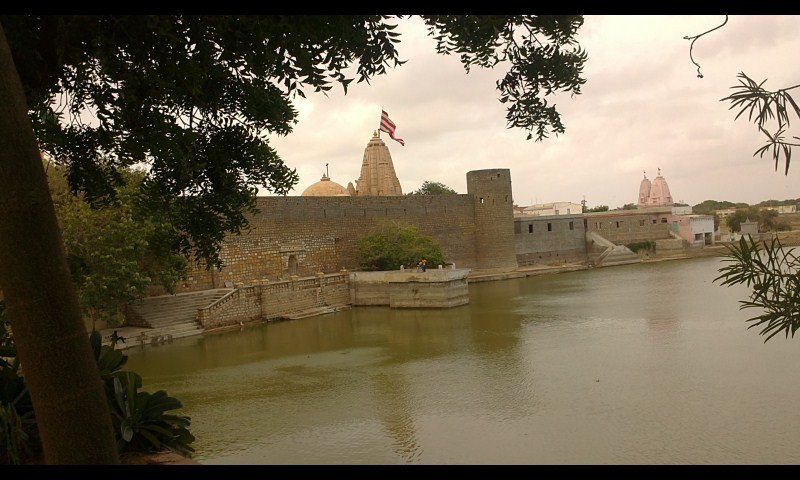
Narayan Sarovar
The holy lake a short way back.
How to spend an hour or two
Take darshan
Take darshan at Koteshwar Mahadev, the shrine at the land's end.
Look to the sea
Look out over the tidal creek towards the distant delta — the westernmost view in Gujarat.
Hear the legend
Hear the story of Ravana and the kotar, the shrine's founding legend.
Climb the steps
Climb to the temple platform for the full sweep of water and sky.
Feel land's end
Let the remoteness register; this is the end of the road in every sense.
Combine the lake
Pair it with Narayan Sarovar, the sacred lake four kilometres away.
A spired temple at the western tip.
A shrine against the sea
Koteshwar is a modest but striking shrine, its spire rising above a raised platform reached by steps, set hard against the wide tidal waters at Kutch’s western edge. Built and rebuilt over the centuries as a remote pilgrimage outpost, it keeps to a simple traditional temple form.
Its power comes less from ornament than from situation: a lone Shiva temple at the literal end of the land, framed by sky, creek and sea — a place that feels both sacred and elemental.
The rest of the district is covered in our Kutch travel guide.
Spired Shiva shrine
Raised, stepped platform
India’s far-western tip
Tidal sea-and-creek setting
When to go
Winter — November to February — is cool, dry and much the best time for the far west.
The monsoon is green but humid, and the remote roads can be slow.
Summer brings serious desert heat; travel at dawn or evening only.
⏰ Come in winter, late in the day, and pair it with Narayan Sarovar; the western light over the water is unforgettable.
Timings & entry
- Open daily for darshan
- Dress modestly; remove footwear
- Very remote — plan fuel and water
- Combine with Narayan Sarovar
- No entry fee for darshan
- Basic facilities only — it's remote
- Mind tides and footing near the water
- Carry water and cash
Getting there
By Air
Bhuj Airport (~135 km), then a long western drive.
By Rail
Bhuj is the railhead; Koteshwar is ~135 km by road.
By Road
Drive west from Bhuj via Dayapar; Koteshwar is past Narayan Sarovar.
At the temple
SHRINE & SEA
A lone temple at the edge of the land
Best light
Late afternoon and sunset over the western water.
What to shoot
The spire against the sky with the sea beyond.
Be respectful
Shoot discreetly around worshippers.
Wide angles
The elemental land's-end setting itself.
Know before you go
More to see close by
The White Rann
◐ Full moon · blue hour
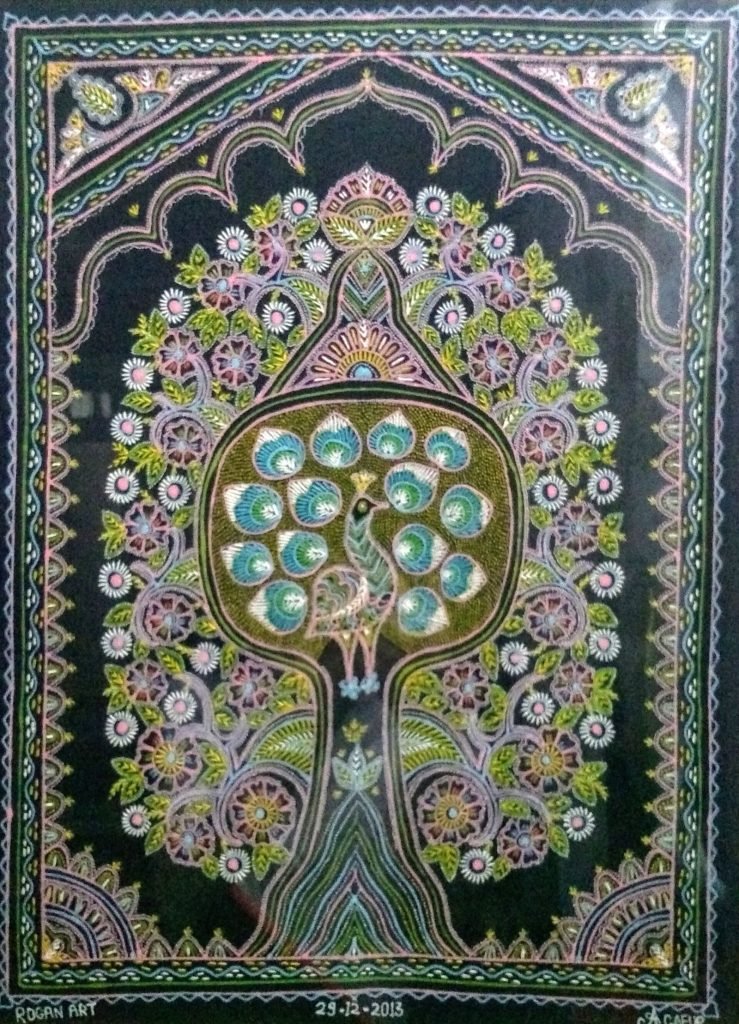 ARTISANS
Rogan Art of Nirona
Rogan art, copper bells & lacquer woodwork
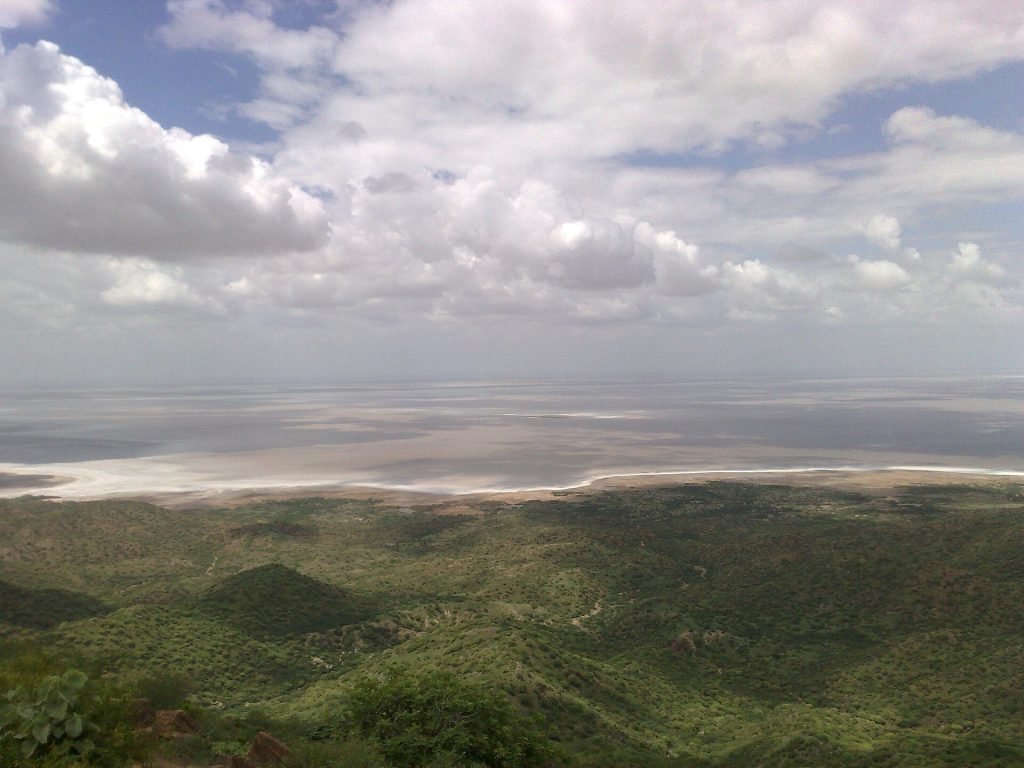
Road to Heaven
Hilltop shrine famed for feeding jackals
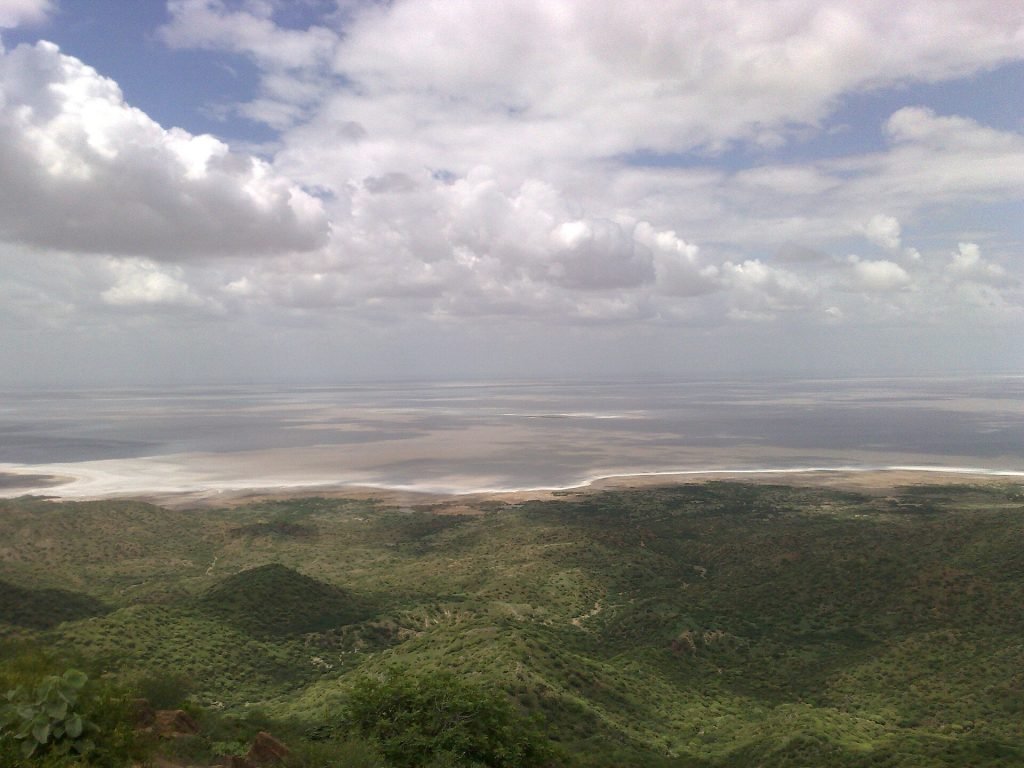 WONDER
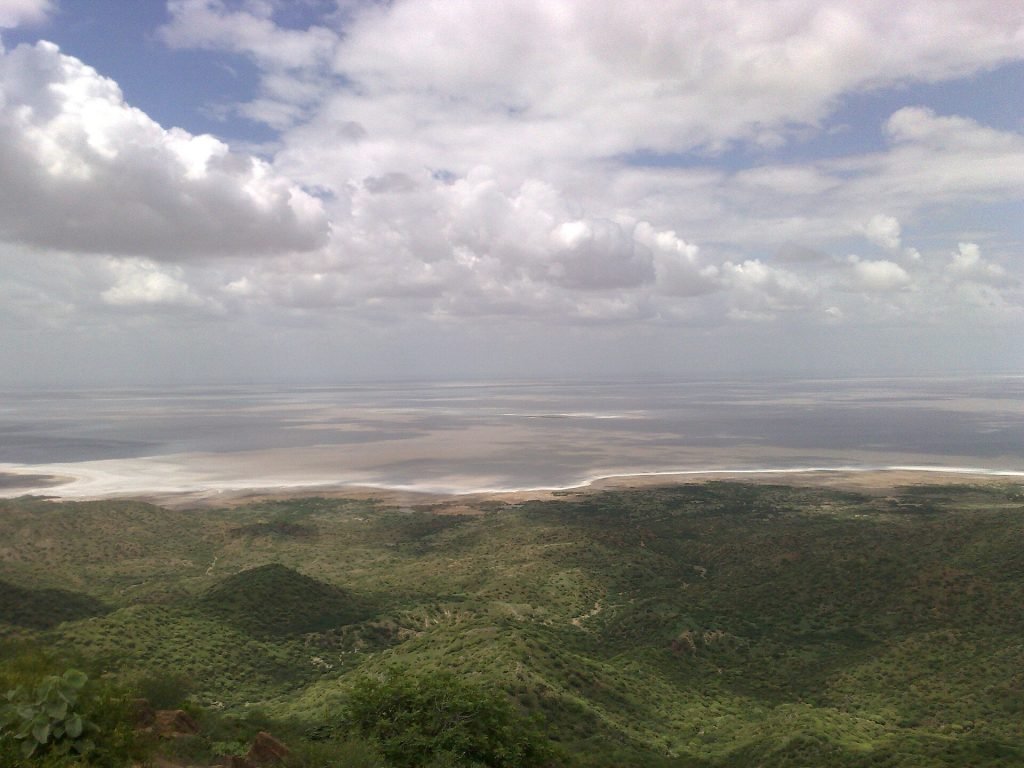
Rann of Kutch
World’s largest salt desert, glowing under the full moon
 SPIRITUAL
Swaminarayan Temple, Bhuj
A dazzling marble-and-gold temple in Bhuj
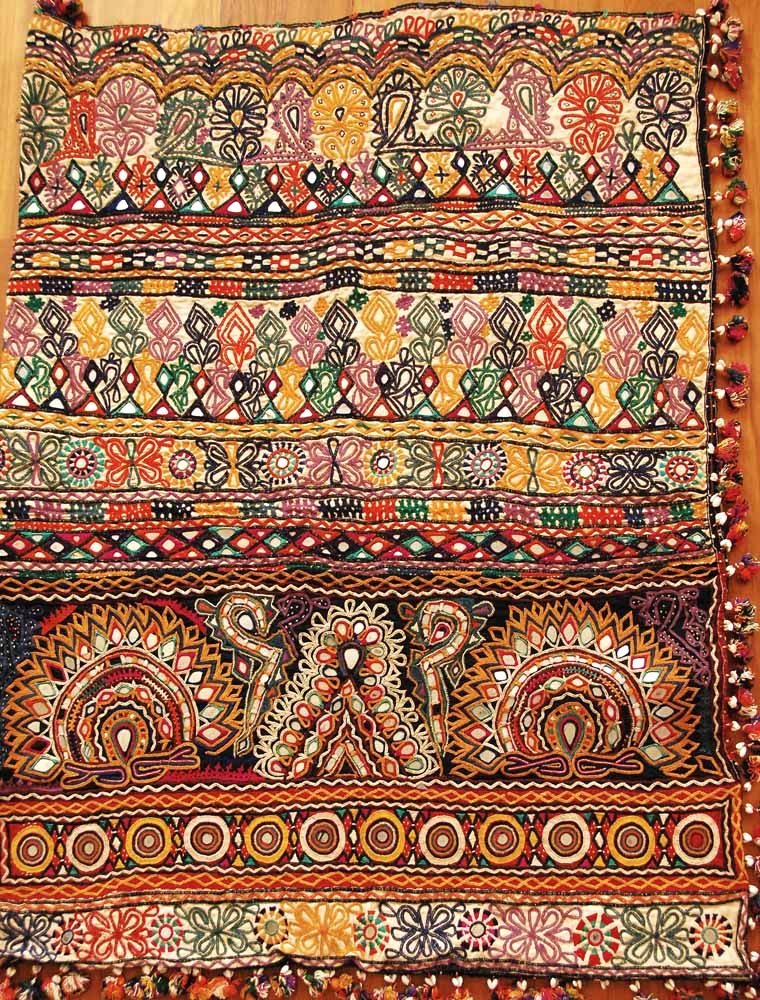 FRONTIER
Bhujodi
India’s last temple before the Pakistan border
Where to eat near Koteshwar
 STREET FOOD
Kutchi Dabeli
The spicy-sweet potato bun born in Mandvi.
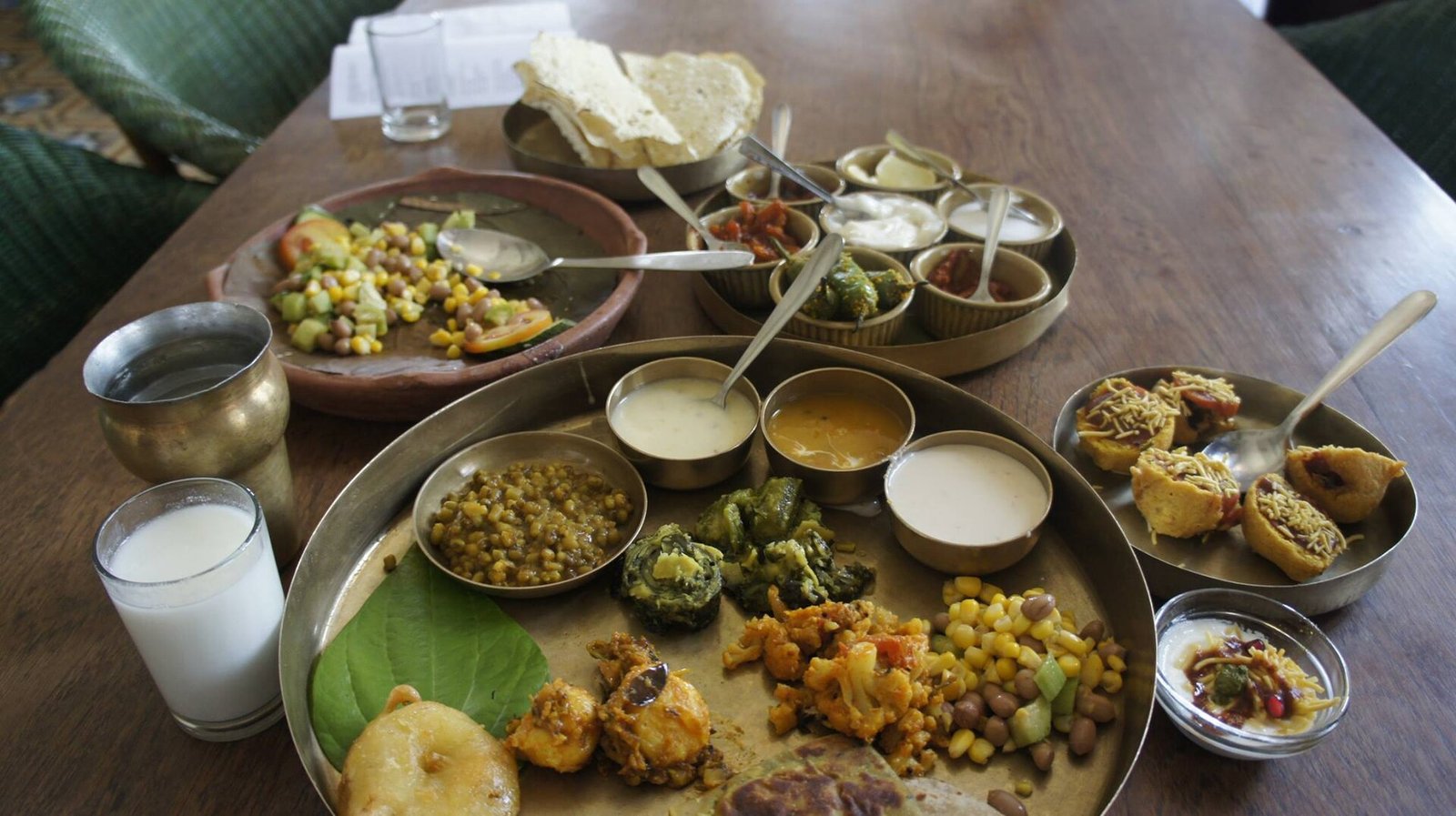 THALI
THALIKachchhi Thali
Bajra rotla, kadhi and ghee-rich local fare.
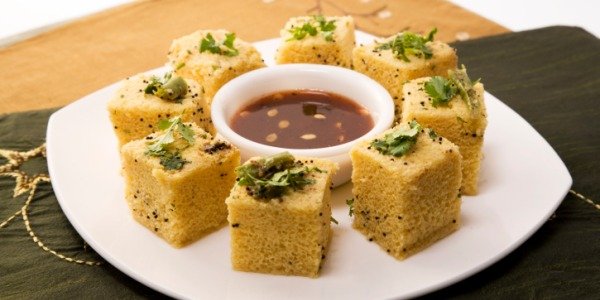 SNACKS
Farsan & sweets
Dabeli, bhungra-bateta and Kutchi sweets.
Pure-veg & prasad
Temple areas are vegetarian; many offer prasadam.
Koteshwar FAQ
Where is Koteshwar Temple?
At the far-western tip of Kutch, near Narayan Sarovar, about 135 km from Bhuj — very nearly the westernmost temple in India.
Which deity is worshipped?
Shiva, worshipped as Koteshwar Mahadev, at a shrine whose associations run deep into legend.
What is the legend?
Tradition says Ravana was granted a divine shivling — the kotar — and it came to rest here, founding the shrine.
Is there an entry fee?
No, darshan is free.
What are the timings?
Roughly from early morning to evening; confirm locally, as this is a remote outpost.
What's nearby?
Narayan Sarovar, one of the five sacred lakes of Hindu tradition, about 4 km away with its own temple complex.
How do I get there?
A long drive west from Bhuj via Dayapar. Fill the tank, carry water, and start early; there is little on the road.
How long should I spend?
About an hour at the temple, and half a day for the pair with Narayan Sarovar — plus the long drive either side.
Related places across Gujarat
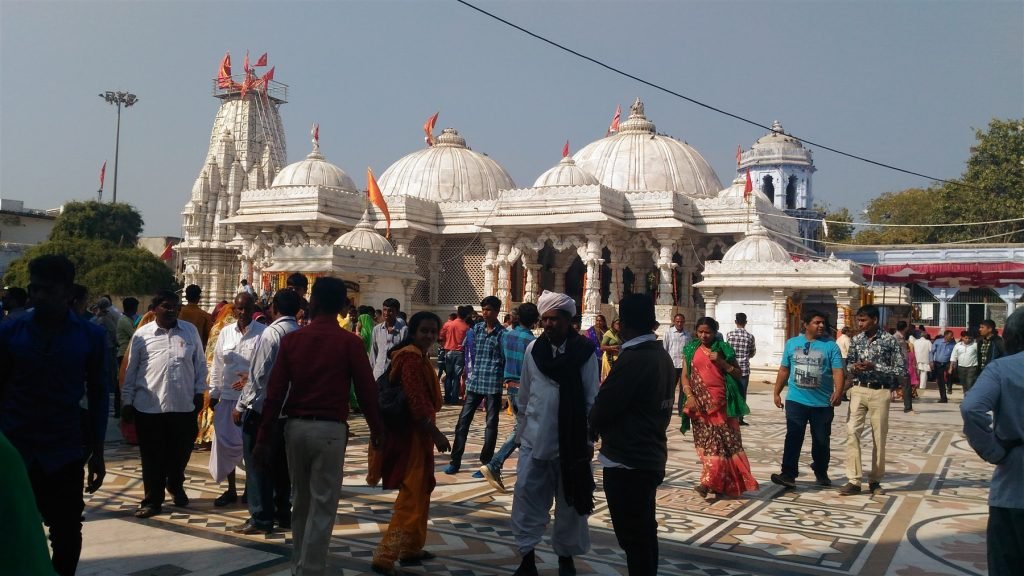
Bahuchara Mata, Becharaji
A revered Shakti Peeth of the goddess
 COLONIAL
Dutch Garden
Atmospheric Dutch-era cemetery & gardens
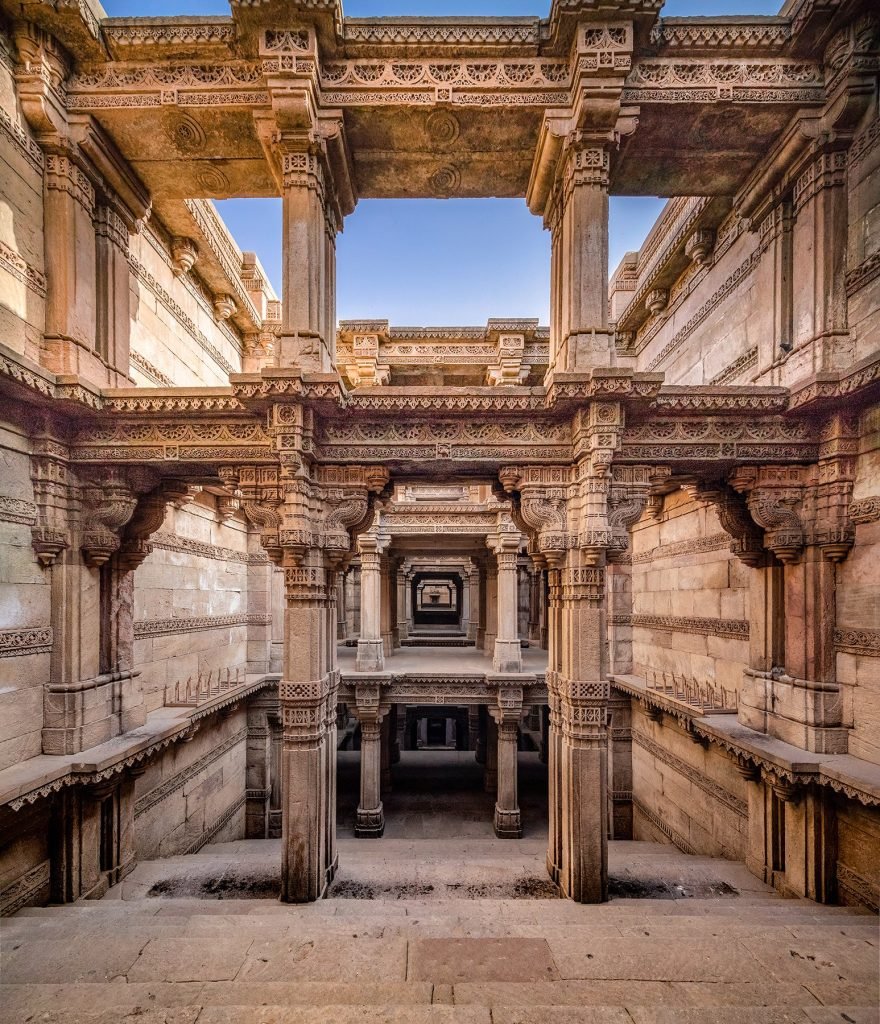 STEPWELL
Regional Vavs
Carved stepwells scattered across the district
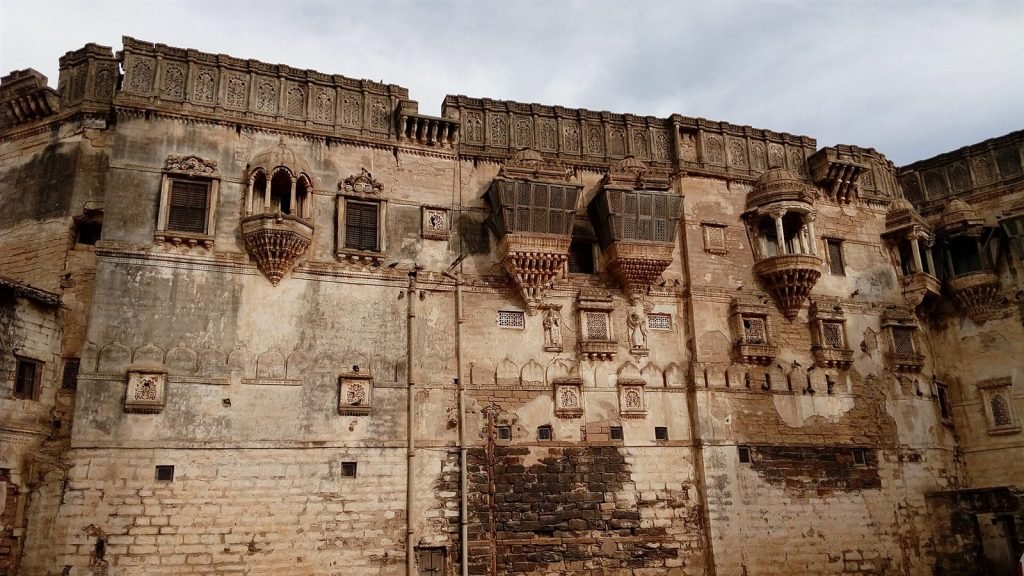 PALACE
Aina Mahal
The 18th-century ‘Hall of Mirrors’
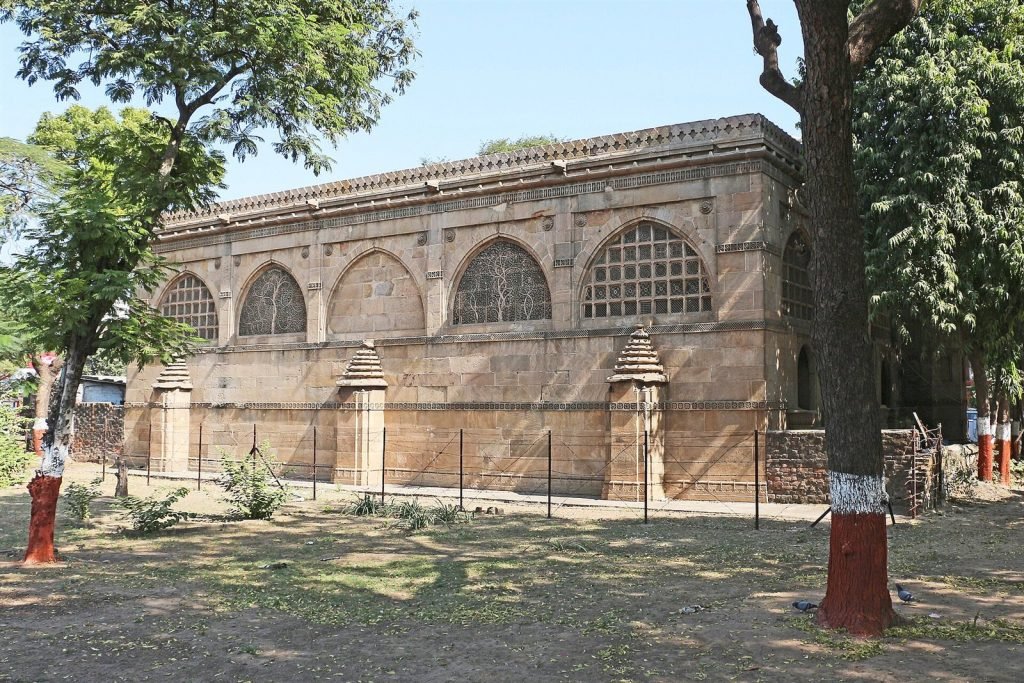 ICONIC
Sidi Saiyyed Mosque
The famous ‘tree of life’ stone lattice
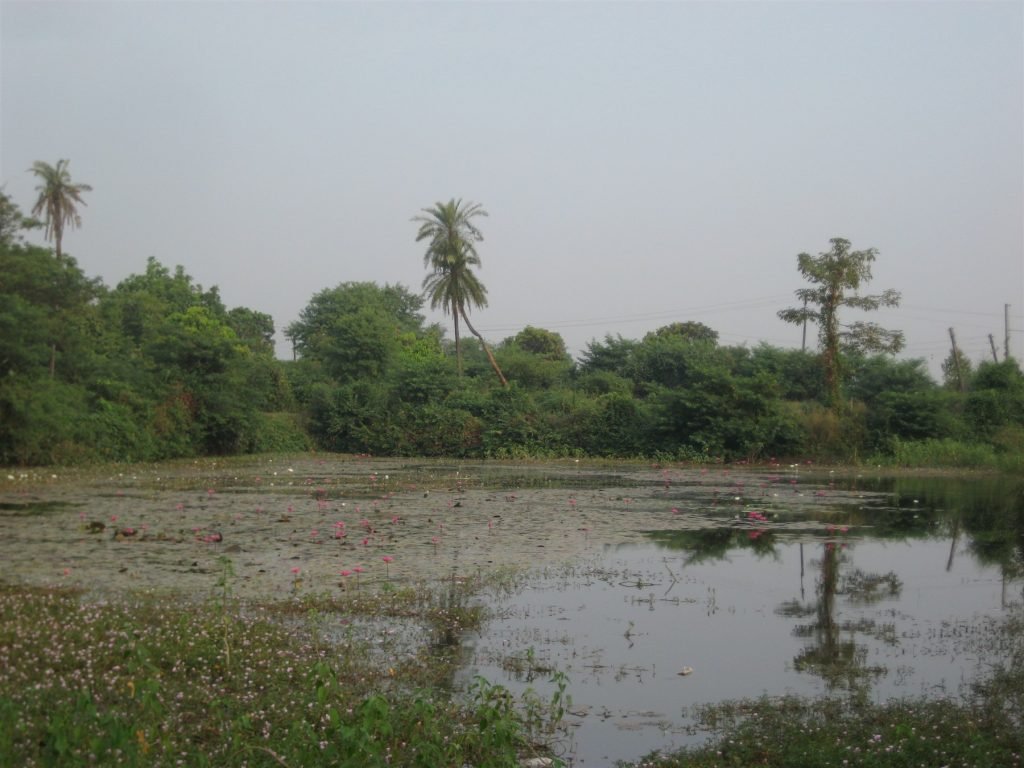 FARMLAND
Gandevi
Sweet sugar-cane & chikoo country
WHERE TO STAY
Find your stay in Gujarat
Compare live prices across the big booking sites and reserve in a few taps. Booking happens securely on the partner's site — we may earn a small commission at no extra cost to you.
Book directly on our partner sites — tap a provider to see live Gujarat hotels & prices:
SHOP THE REGION
Bring home Gujarat — & travel essentials
Hand-picked crafts and trip gear, available on Amazon.
Published 24 June 2026 · Updated 24 August 2026
We’re an independent group of writers and travellers documenting every corner of Gujarat — one place, plate and festival at a time.