
A vanished colossus
At Sidhpur stands one of the most poignant monuments in Gujarat — the Rudra Mahalaya (Rudra Mala), the ruins of what was once a colossal Shiva temple complex built by the Solanki kings. Begun by Mularaja in the 10th century and completed on a grand scale by Siddhraj Jaysinh in the 12th, the Rudra Mahalaya was among the largest and most magnificent temples of medieval India, with towering shikharas, multiple shrines, ornate toranas and forests of intricately carved pillars.
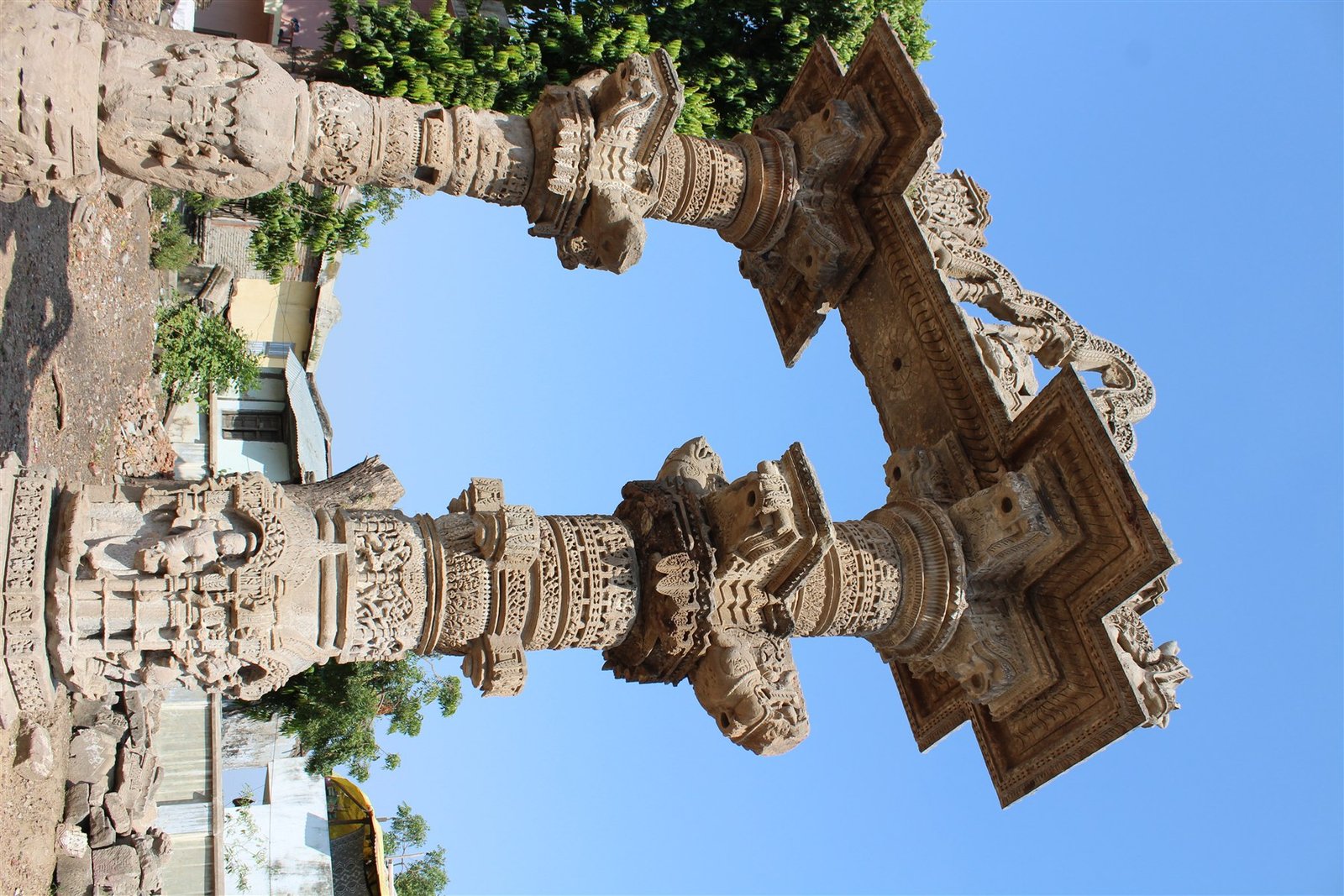
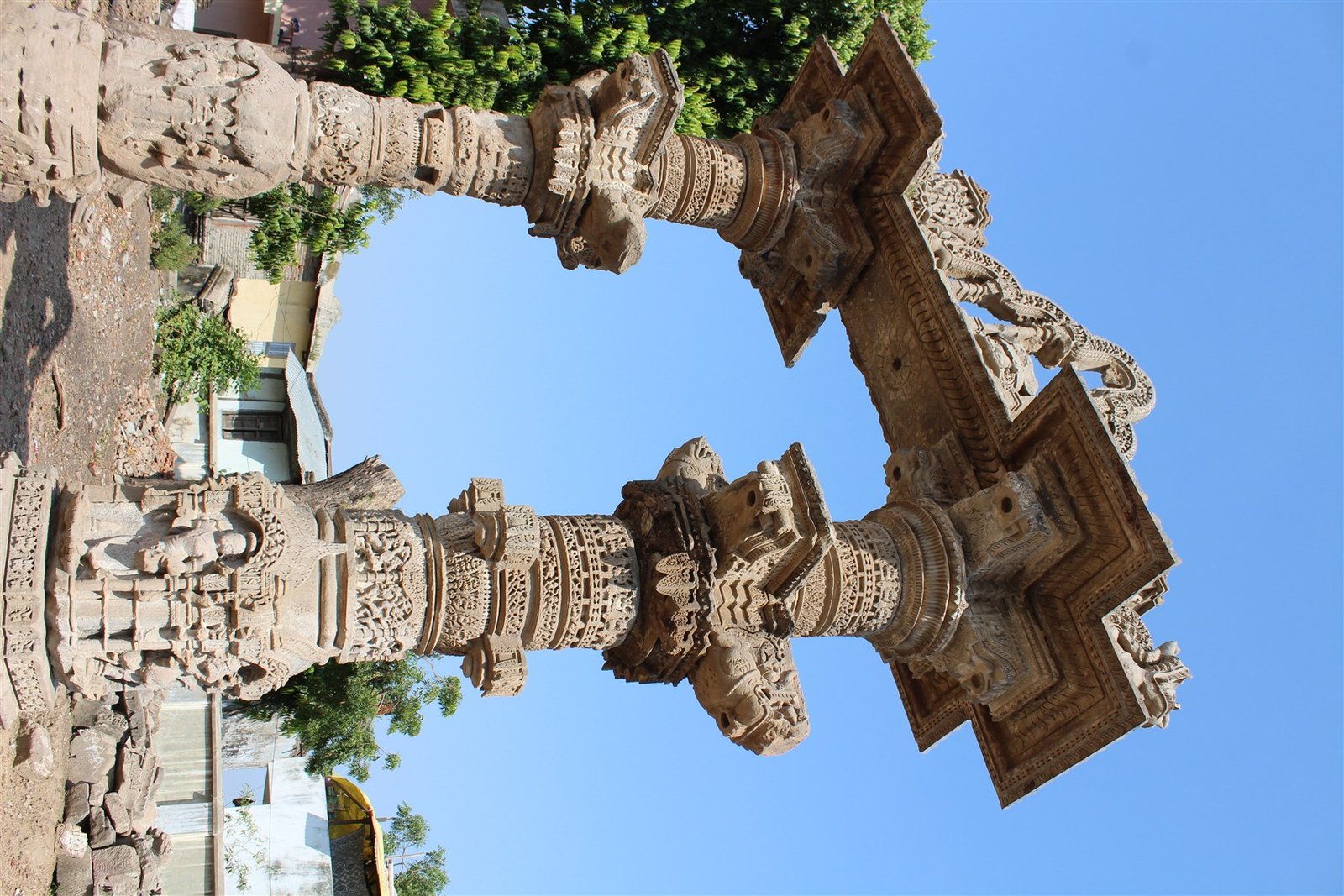
Much of it was later destroyed and part of the site converted, but the surviving fragments — the great carved pillars, torana archways and richly worked stone — still convey the breathtaking ambition and artistry of the original.
Atmospheric and historically resonant, Rudra Mahalaya is a moving reminder of Gujarat’s Solanki golden age and the turbulence that followed. (A protected ruin; access may be partly restricted — view respectfully.)
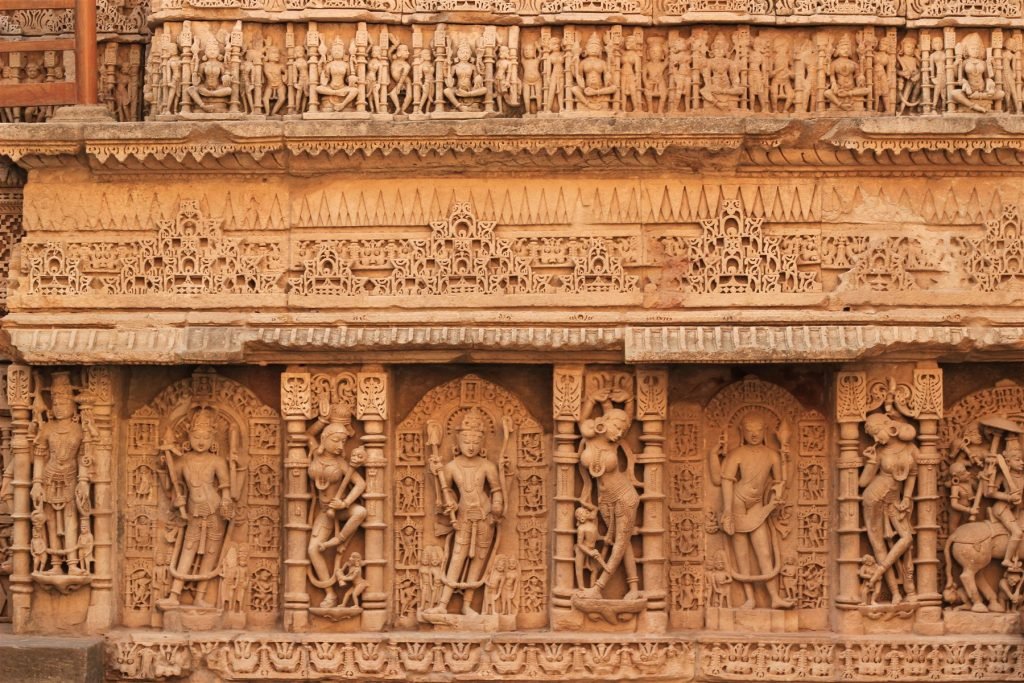
Carved remains of Rudra Mahalaya.
Begun by Mularaja, finished by Siddhraj, then broken
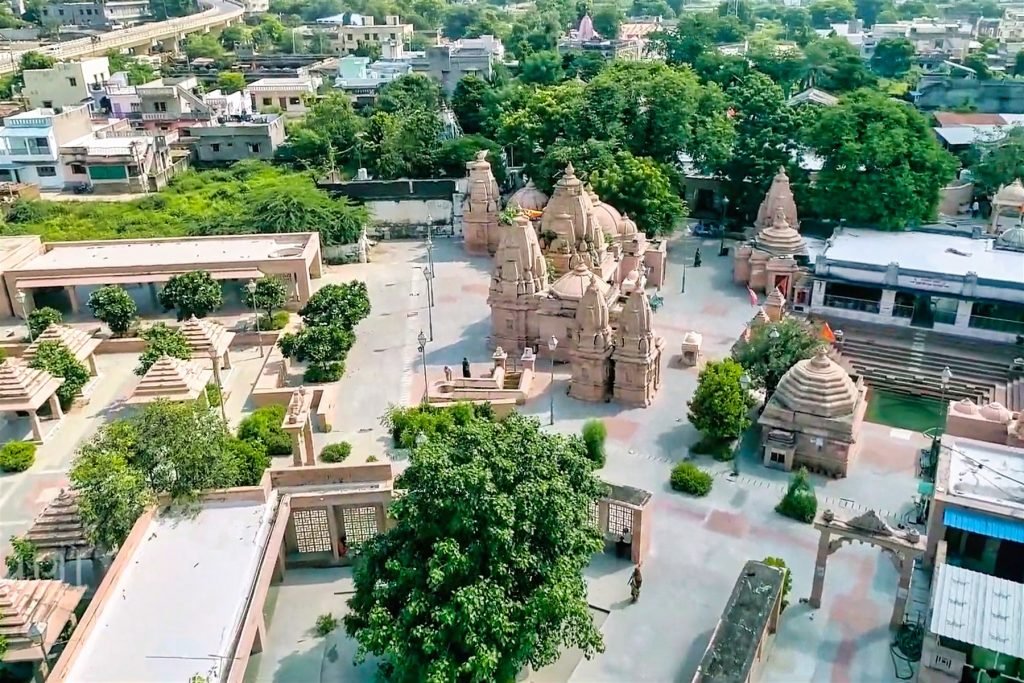
The ruined Rudra Mahalaya.
Mularaja, founder of the Solanki dynasty, began a great Shiva temple here at Sristhala in the tenth century.
Siddhraj Jaysinh rebuilt and completed it in the twelfth century on a colossal scale, as the Rudra Mahalaya — the great house of Rudra.
Much of it was destroyed in the sacks of later centuries, and part of the complex was converted to a congregational mosque.
What survives — columns, toranas and fragments — still conveys a building that must have been among the largest temples in western India.
Reasons to make the time
Solanki masterpiece
The complete temple was colossal — a scale matched in Gujarat only by Modhera and the great Somnath rebuilds.
Shiva temple
It was dedicated to Rudra, the fierce form of Shiva, and gave Sidhpur its standing as a sacred town.
Carved pillars
The surviving pillars stand like a forest of carved stone — each one worked from base to capital.
Ornate toranas
Two torana archways survive, and they are among the finest Solanki toranas anywhere.
Atmospheric ruins
The ruin is moving precisely because it is fragmentary — you reconstruct the whole in your head.
Golden-age history
For medieval Gujarat, this was a statement building; reading it is reading the Solanki state's ambition.
What to look for inside
 THE RUINS
Carved pillars
The surviving columns of the great hall, worked on every face.
 THE STONE
Toranas and detail
Two carved archways, among the finest of the Solanki period.
How to spend an hour or two
See the pillars
Stand among the great carved columns, which are the heart of what survives.
Study the carving
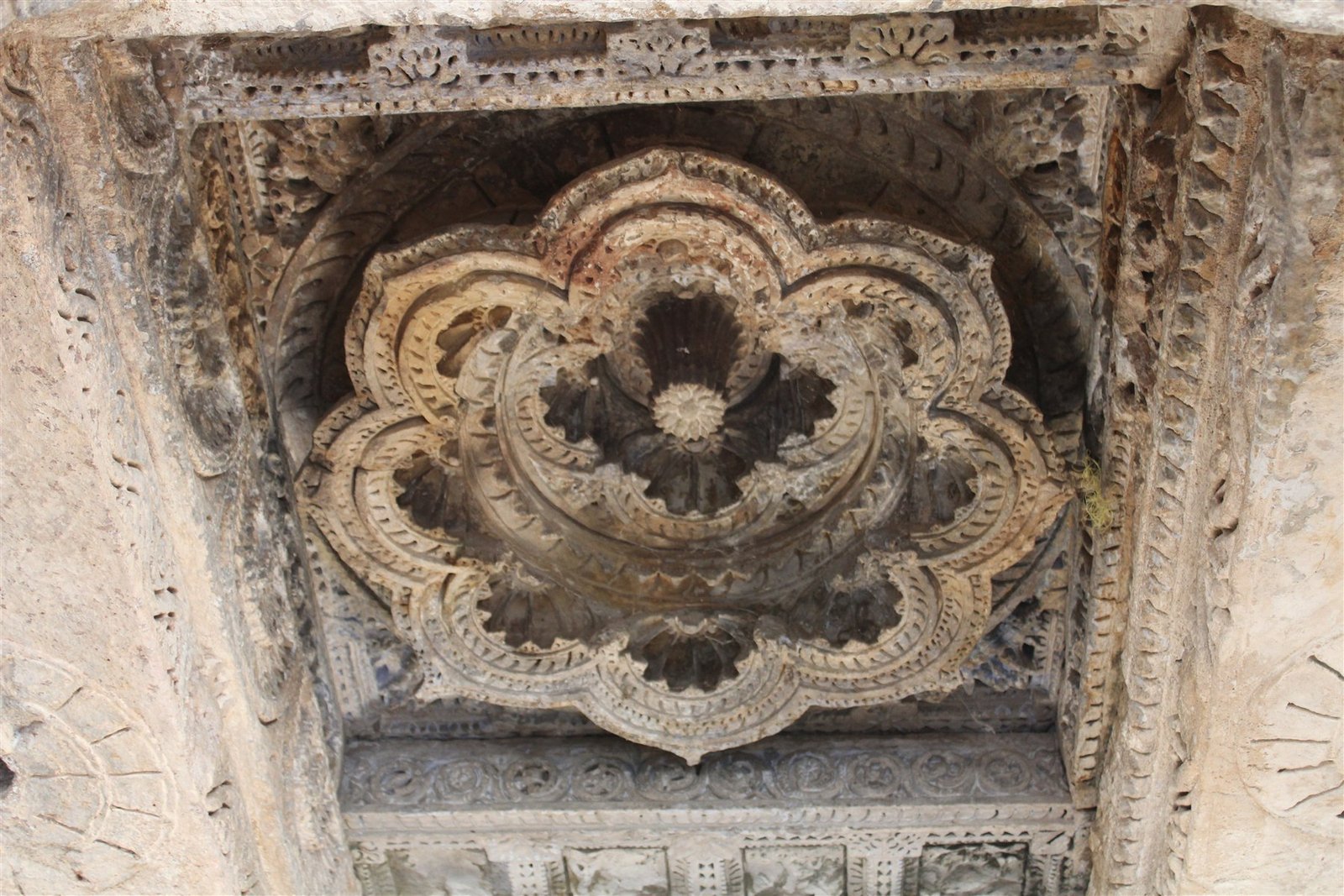
Study the richly worked stone close up — the carving rewards slow looking.
Picture its scale
Reconstruct the scale in your mind; the fragments imply a building of extraordinary size.
Sense the history
Read it as Solanki grandeur — the same dynasty and ambition as Modhera and Rani ki Vav.
Photograph the torans
Find the surviving torana archways, the site's most photographed feature.
Pair with Bindu Sarovar
Walk on to Bindu Sarovar and Sidhpur's wooden havelis, both minutes away.
Rudra Mahalaya’s carving.
Pillars, torans and shikhara
The Rudra Mahalaya was a vast Solanki Shiva temple of towering shikharas, many shrines, ornate toranas and densely carved pillars — among the largest of medieval India.
Largely destroyed over the centuries, it survives as majestic fragments: great carved columns, torana archways and richly worked stone that still convey the scale and artistry of the lost original. (A protected ruin; view respectfully.)
The rest of the district is covered in our Patan travel guide.
Once a colossal Shiva temple
Carved Solanki pillars
Ornate torana archways
Begun by Mularaja, finished by Siddhraj
When to go
October to March is the comfortable season in north Gujarat, and morning light suits the stone best.
The monsoon greens Sidhpur and the ruin is atmospheric under heavy skies.
April to June is hot and dry; see the ruins early and keep the rest of the day indoors.
⏰ Visit in the soft morning light; access can be partly restricted, so view respectfully and check locally.
Timings & entry
- Open daytime
- Access may be partly restricted
- Best in morning light
- Allow about 45 minutes
- No entry fee
- A protected ruin
- View respectfully
- Pair with Bindu Sarovar
Getting there
By Air
Ahmedabad airport (~110 km).
By Rail
Sidhpur / Patan stations.
By Road
At Sidhpur, Patan district.
At Rudra Mahalaya
RUINS & CARVING
A lost Solanki masterpiece
What to shoot
The carved pillars of the great hall.
Detail
The torana archways against the sky.
Best light
Soft morning light on the stone.
Scale
Frame the columns against each other for depth.
Know before you go
More to see close by
 LAKE
LAKEKhan Sarovar
A grand medieval stepped water tank
 UNESCO
Rani ki Vav
The 11th-century ‘Queen’s Stepwell’ & its 800+ carvings
 WATER ART
Forgotten Vavs
Carved stepwells the tour buses miss
Shankheshwar Parshwanath
Vishnu avatars carved into the stepwell
 SACRED
Bindu Sarovar
A holy tank at Sidhpur (Matru Gaya)
 ANCIENT TANK
Sahastralinga Talav
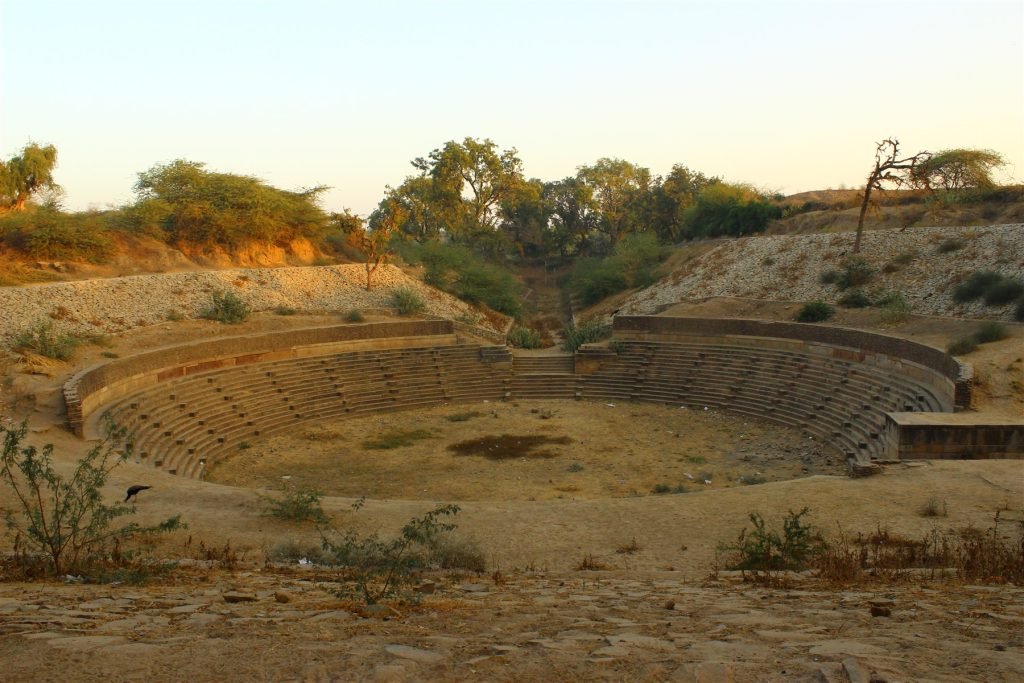
A vast Solanki-era reservoir of a thousand shrines
Where to eat near Rudra Mahalaya
 THALI
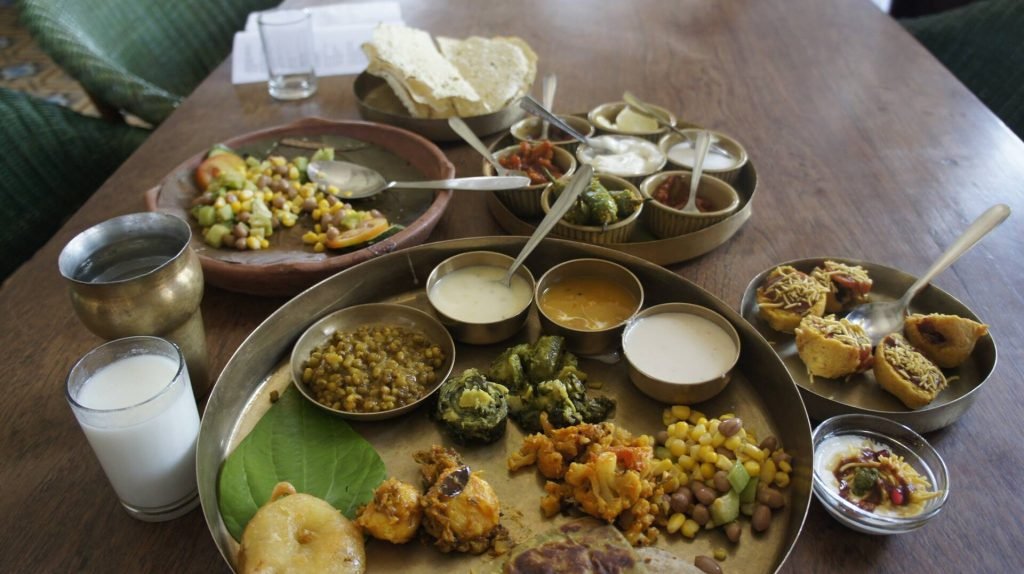
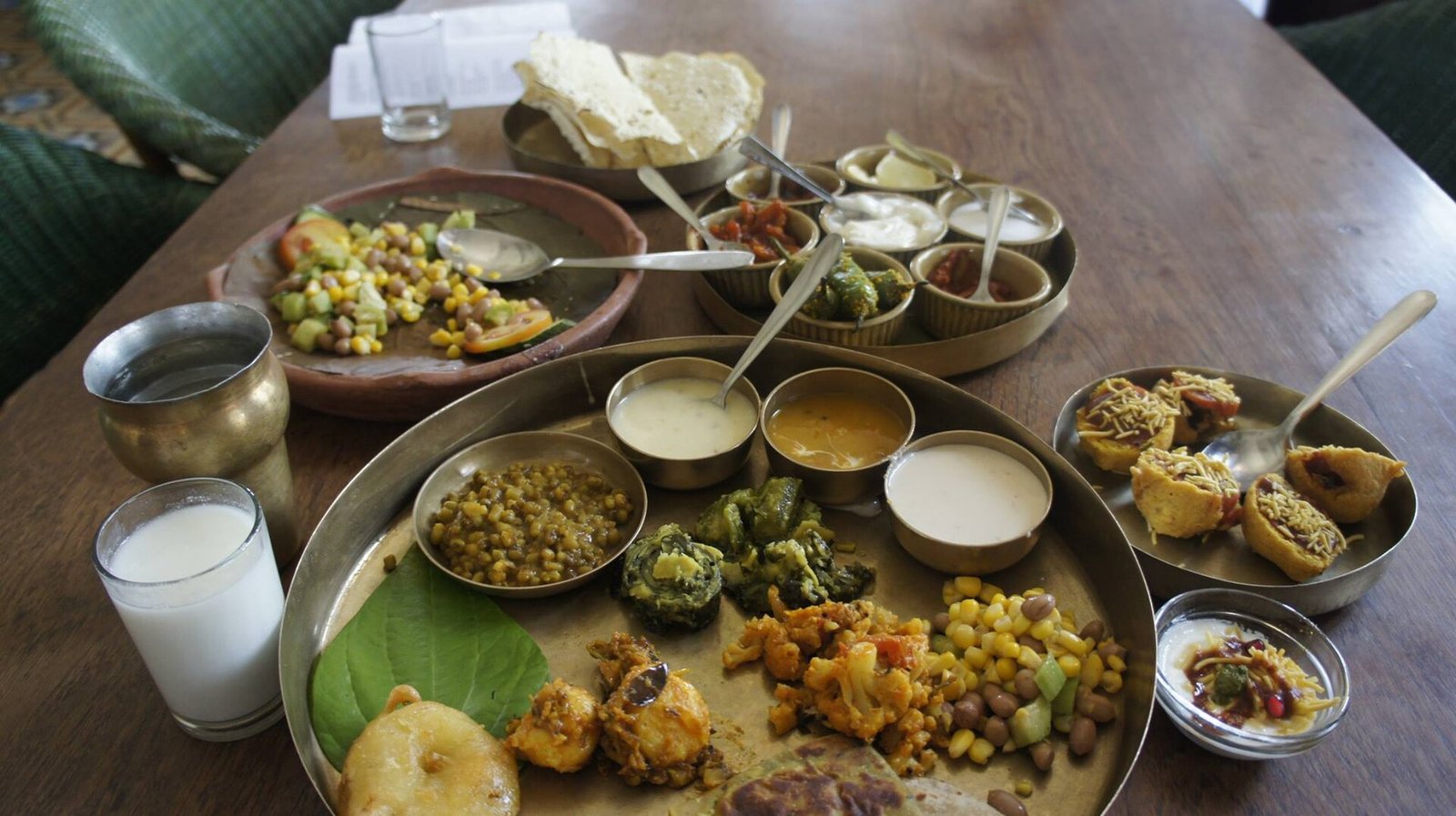
THALIGujarati Thali
Sweet-savoury full meals.
 FARSAN
Dhokla & fafda
Steamed and fried snacks.
 STREET
Chaat & snacks
Simple market-town fare.
Pure-veg town
Classic North Gujarat veg; Mehsana's milk sweets near.
Rudra Mahalaya FAQ
What is Rudra Mahalaya?
The ruins of a colossal twelfth-century Solanki Shiva temple at Sidhpur — the Rudra Mahalaya, or great house of Rudra — of which carved columns, toranas and fragments survive.
Who built it?
Begun by Mularaja, founder of the Solanki dynasty, in the tenth century, and completed on a colossal scale by Siddhraj Jaysinh in the twelfth.
Why is it in ruins?
Much of the temple was destroyed in later invasions, and part of the surviving structure was converted to a congregational mosque — which is why access to portions of the site is restricted.
What survives?
The great carved pillars of the hall, two surviving torana archways, and richly worked architectural fragments throughout the precinct.
Is there an entry fee?
There is no ticket, but access is partly restricted and the site is religiously sensitive — view respectfully and follow local guidance.
Where is it?
At Sidhpur in Patan district, on the Saraswati, about 25 km from Patan town and easily combined with it.
What's nearby?
Bindu Sarovar — one of India's ancient sacred tanks, associated with rites for mothers — and Sidhpur's remarkable streets of Bohra wooden havelis.
When should I visit?
October to March, in the morning, when the light is soft and the town is at its best for walking.
Related places across Gujarat
 HILL STATION
Saputara
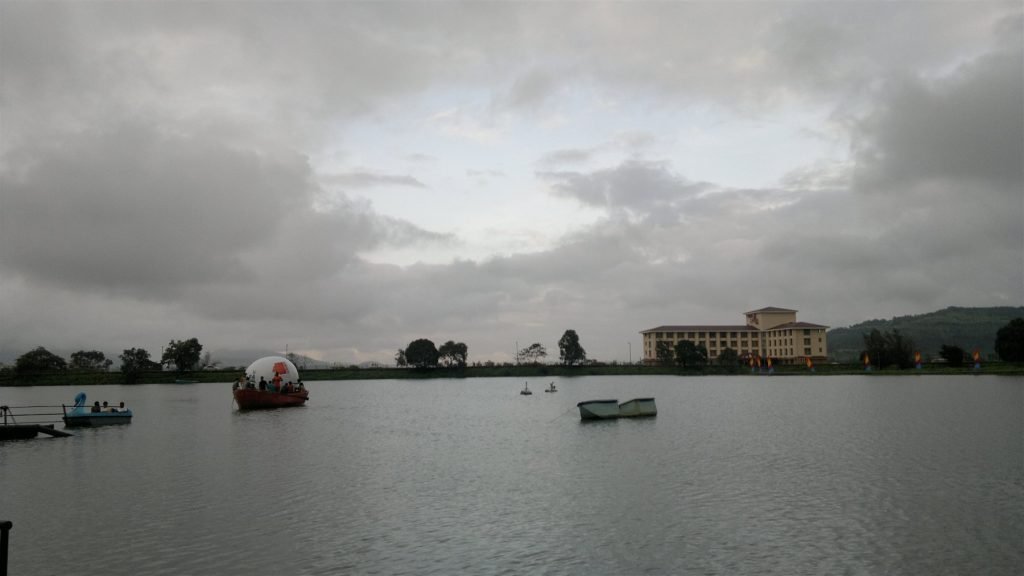
Misty hill station in the green Sahyadris
Raiyoli Fossils
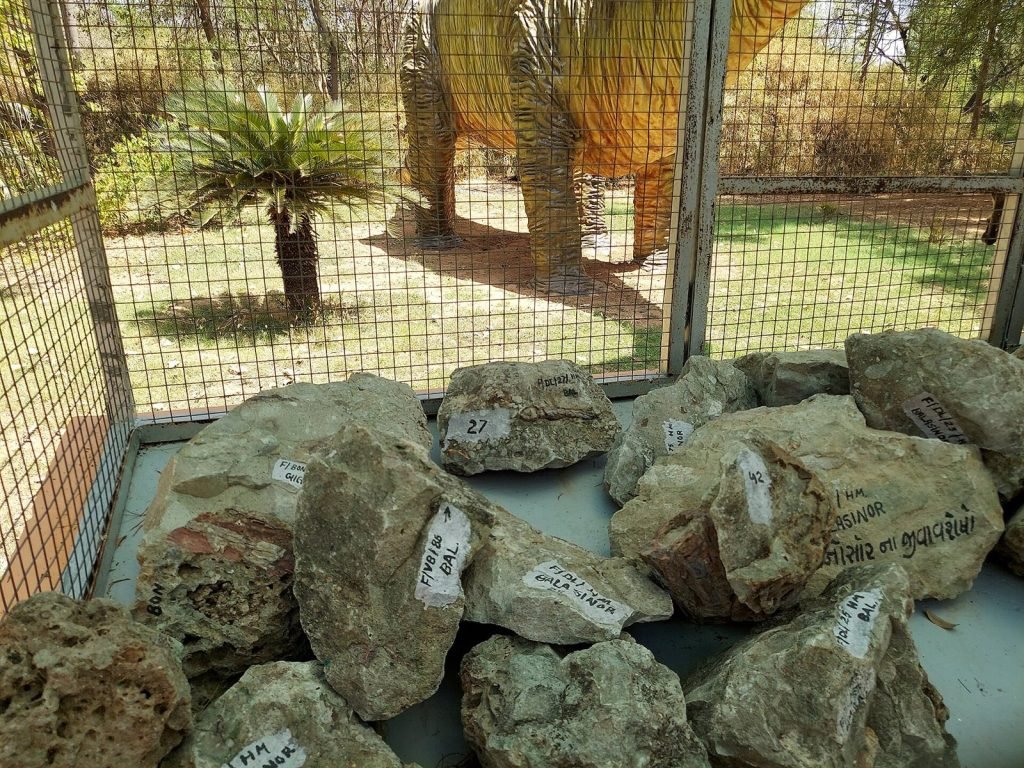
The Raiyoli fossils are the celebrated dinosaur remains found near the village of Raiyoli in eastern…
 LAKE
LAKEOsham Hill
The scenic heart of the old city
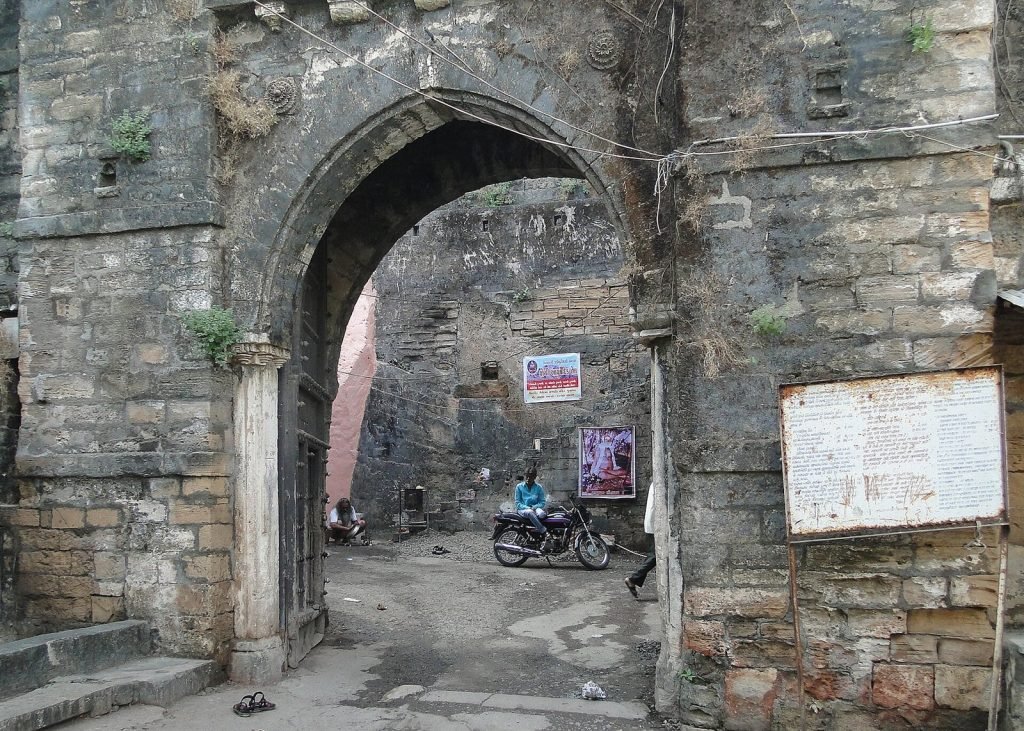
Old City Gates
◐ Bazaars & bustle
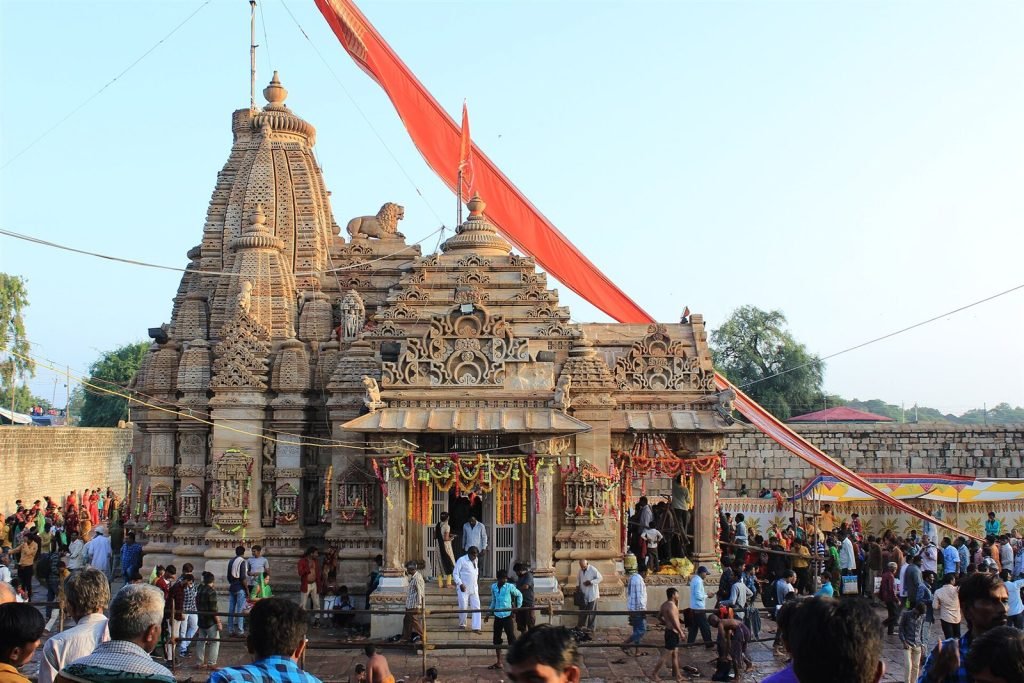 PILGRIM
Kartik Fair Ground
Site of the great riverside mela
 6
6Tribal Haats
Colourful weekly markets of the Bhil belt
WHERE TO STAY
Find your stay in Gujarat
Compare live prices across the big booking sites and reserve in a few taps. Booking happens securely on the partner's site — we may earn a small commission at no extra cost to you.
Book directly on our partner sites — tap a provider to see live Gujarat hotels & prices:
SHOP THE REGION
Bring home Gujarat — & travel essentials
Hand-picked crafts and trip gear, available on Amazon.
Published 24 June 2026 · Updated 24 August 2026
We’re an independent group of writers and travellers documenting every corner of Gujarat — one place, plate and festival at a time.