
Wild wings in the city
Unusually, one of Porbandar’s bird sanctuaries sits right in the middle of the city: a freshwater lake, fed and protected, that has become a haven for waterbirds amid the urban bustle.
Despite its modest size, the sanctuary draws flamingos, pelicans, painted storks, ducks, coots and migratory waders, especially in winter, offering city dwellers and visitors the rare chance to watch wild flocks without leaving town.
A walking path and viewpoints let you take in the birds, while the surrounding rooftops provide a striking contrast — wild wings against the city. It’s a delightful, easy stop for nature lovers, and a reminder of how the whole Porbandar region’s wetlands brim with life.
A city lake given over to birds
An urban bird lake.
A freshwater lake has sat at the heart of Porbandar for as long as the town has stood around it.
It was set aside and protected as a bird sanctuary — among the smallest in India, and one of the very few inside a city.
Each cold season, migratory flocks arrive from central Asia and settle on the water within sight of rooftops.
It endures as a rare thing: a genuine wildlife haven that residents pass on their way to work.
Reasons to make the time
Birds in town
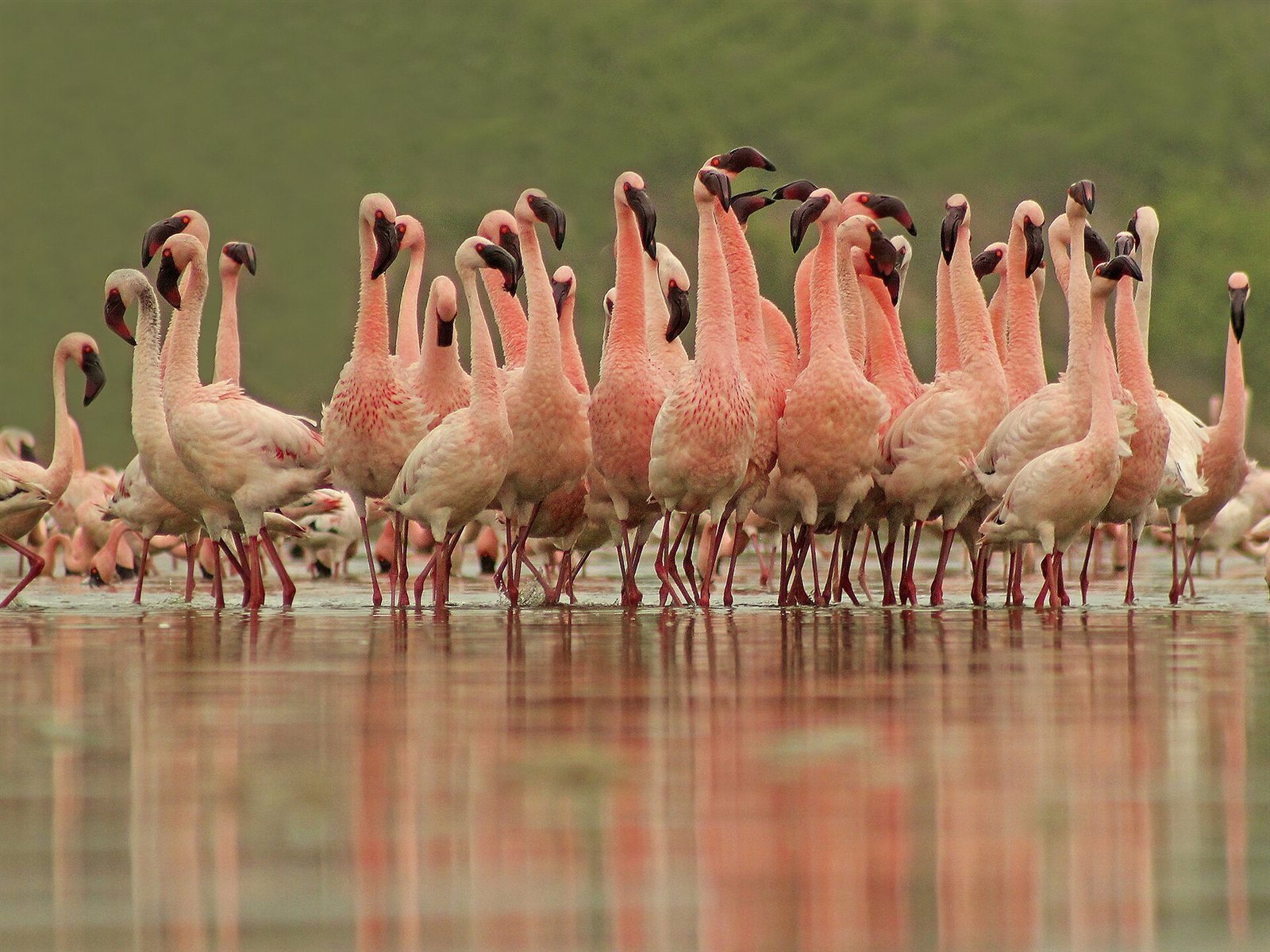
Wild flocks live here inside the city — flamingos feeding a few streets from the bazaar.
Flamingos
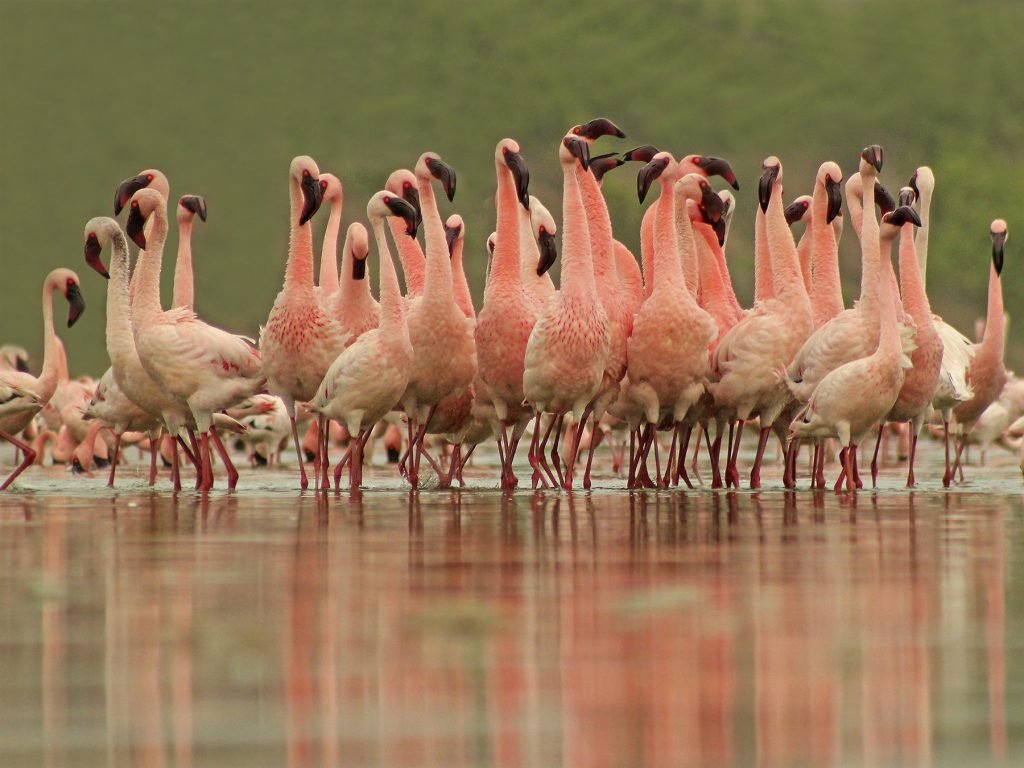
The flamingos are the signature: pink lines across the water against a backdrop of buildings.
City lake
The lake is protected freshwater, which is why the birds keep returning to so urban a site.
Winter migrants
Pelicans, painted storks, ducks, coots and waders fill the list through winter.
Easy access
There is no travel involved — the sanctuary sits in central Porbandar, minutes from the Gandhi sites.
Free
Entry is free and open to all, which makes it the easiest birding in Saurashtra.
What to look for inside
City haven
A protected freshwater lake in the middle of Porbandar.
Winter flocks
Flamingos, pelicans, storks and ducks through the cold months.
How to spend an hour or two
Walk the path
Follow the lakeside trail, which gives changing angles on the water and the flocks.
Scan the water
Look for the flamingos and pelicans first; they are the sanctuary's stars and hard to miss.
Go at dawn
Come early — the birds feed actively at dawn and settle as the city wakes around them.
Bring binoculars
Bring binoculars for the far shore, where the shyer waders keep their distance.
Enjoy the contrast
Enjoy the strangeness of it: wild birds in numbers against a skyline of rooftops.
Visit in winter
Time a winter visit for peak migration, when the lake is at its fullest.
A protected lake in the city
The sanctuary is built around a freshwater lake within Porbandar, ringed by a walking path and viewpoints that let visitors watch the birds without disturbing them.
Though small and hemmed by the city, its protected, food-rich shallows make it a reliable draw for waterbirds, especially through the winter. It is less a wilderness than a pocket of wild life held within the urban fabric — which is exactly what makes it special.
Our Porbandar travel guide maps out the other places worth your time here.
For more in the same vein, see wildlife across Gujarat.
Protected freshwater lake
Lakeside walking path
Viewpoints for birding
A wild pocket in the city
When to go
November to February is the season — the migrants are in and dawn on the lake is genuinely special.
The monsoon fills the lake and greens the town; resident birds breed and the migrants are yet to come.
March onwards the flocks thin; in summer come at first light, when the remaining birds seek the water.
⏰ Come at dawn in winter with binoculars; even a short visit can turn up flamingos and pelicans.
Timings & entry
- Best in the winter months
- Dawn is most active
- Carry binoculars
- Allow about an hour
- No entry fee
- Keep your distance from the birds
- Do not litter near the lake
- Combine it with the city sights
Getting there
By Air
Porbandar Airport (~5 km) is close.
By Rail
Porbandar station is a short ride away.
On Foot
Within the city, walkable from the centre.
At the lake
WINGS & CITY
Wild birds against an urban backdrop
What to shoot
Flamingos and pelicans on the open water.
Contrast
Wild birds framed against the city's rooftops.
Best light
Dawn light across the lake.
Reach
Binoculars close the distance across the water.
Know before you go
More to see close by
 COAST
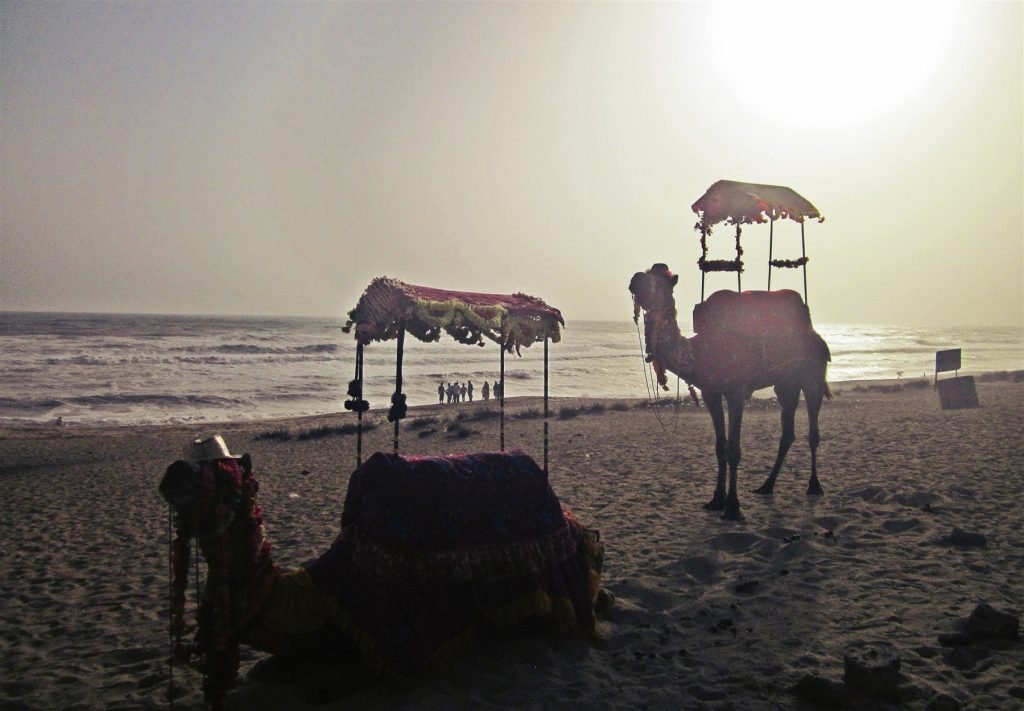
COASTMadhavpur Beach
A serene beach famed for its spring fair
 RUINS
RUINSMokarsagar Wetland
A vast forgotten stepwell in the Barda hills
 PALACE
Huzoor Palace
A seafront royal palace of the Jethwa rulers
 BEACH
BEACHPorbandar Beach
The city’s breezy seafront & Chowpaty
 FOREST
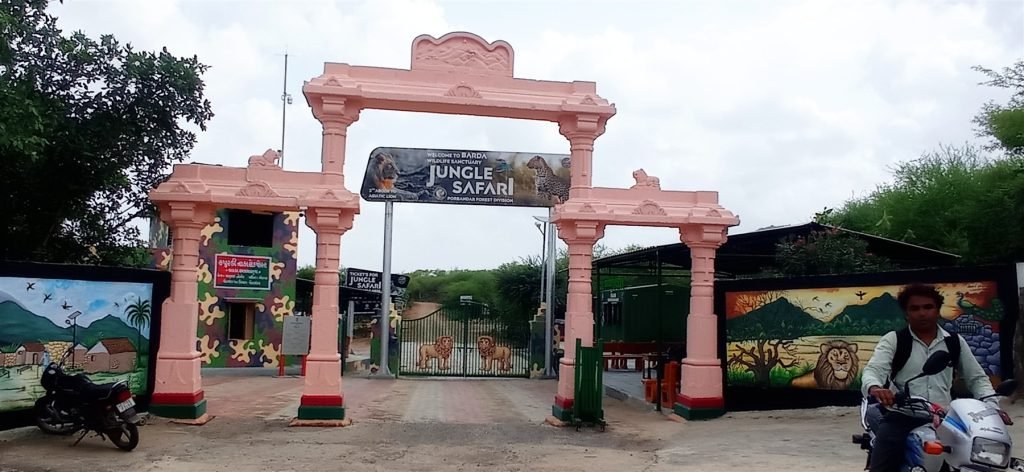
Barda Wildlife Sanctuary
Leopard country with the Khambhala temple
 HERITAGE
Kirti Mandir
The memorial beside Gandhi’s birth-house
Where to eat near Porbandar Bird Sanctuary
Kathiawadi Thali
Rotla, kadhi, shaak and ghee-rich fare.
Ganthiya & fafda
Saurashtra's beloved farsan.
Khaja & sweets
Treats from the Sudamapuri bazaars.
Pure-veg town
Porbandar's food is largely vegetarian.
Porbandar Bird Sanctuary FAQ
What is the Porbandar Bird Sanctuary?
A protected freshwater lake in the middle of Porbandar that hosts substantial waterbird flocks, especially through the winter migration.
What birds can I see?
Flamingos, pelicans, painted storks, ducks, coots and a range of migratory waders, with the list longest between November and February.
Is it really in the city?
Yes — unusually, the sanctuary sits right in central Porbandar, within walking distance of the town's main sights.
Is there an entry fee?
No, it is free and open through the day.
When is the best time?
Winter, at dawn, when the migratory flocks are present and actively feeding.
How long should I spend?
About an hour covers the trail and the viewpoints; birders will happily stretch it to two.
What should I bring?
Binoculars and a little patience. A long lens if you photograph.
What's nearby?
The Mokarsagar wetland outside town — a far larger birding site — and Porbandar's Gandhi sites, Kirti Mandir foremost.
Related places across Gujarat
 GREEN
GREENPunit Van
A themed botanical ‘sacred forest’
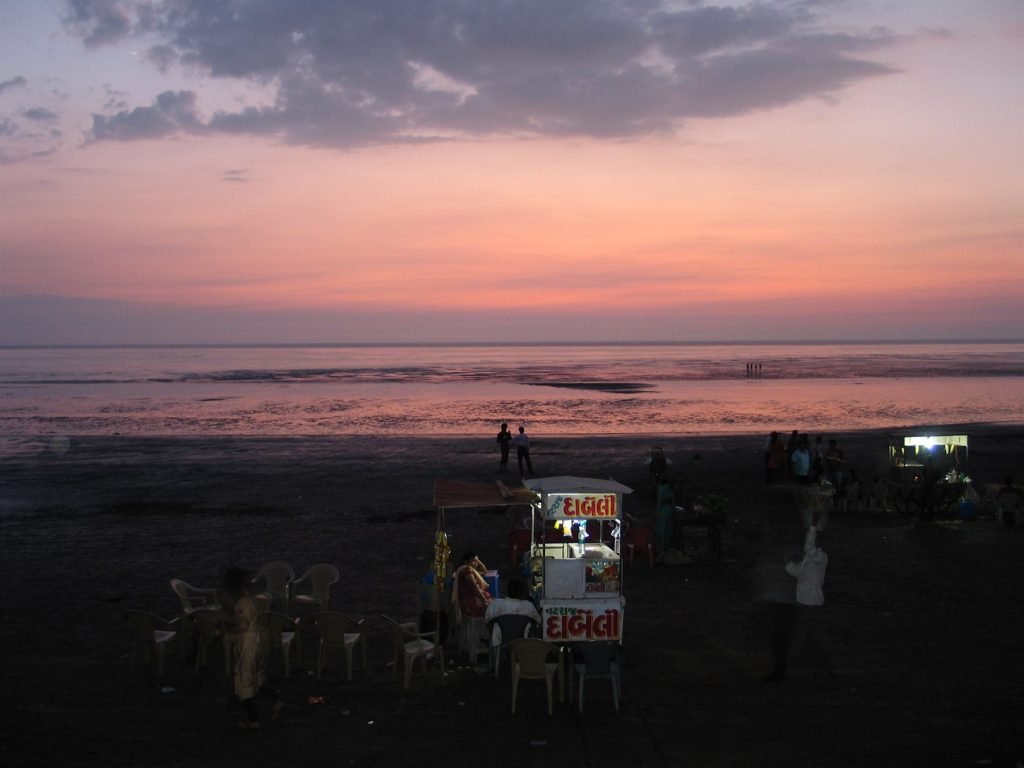 COAST
COASTValsad Seafront
Quiet creeks and coastal villages
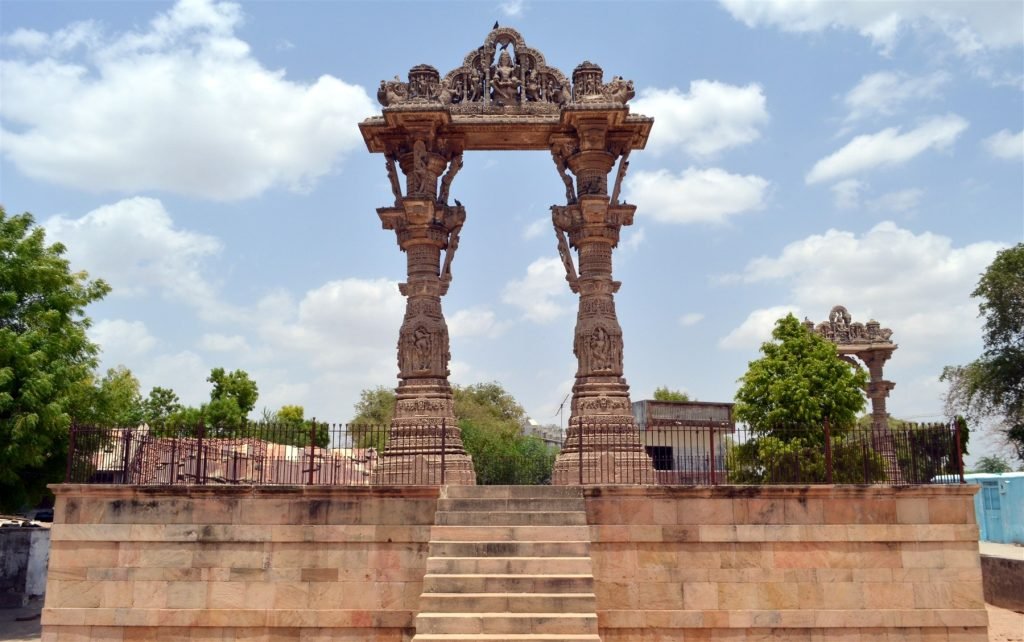 HERITAGE
Kirti Toran
Soaring 12th-century ceremonial arches
 6
6Gomti Aarti, Dakor
Lamp-lit evening worship by the Dakor lake
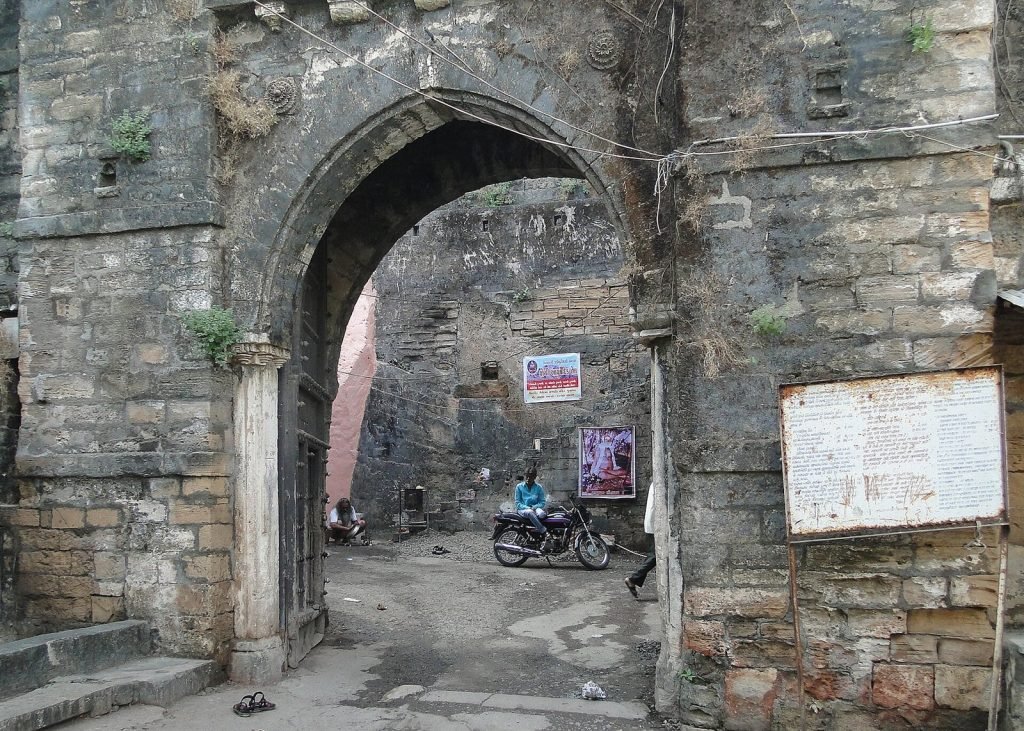
Old City Gates
◐ Bazaars & bustle
 COLONIAL
Dutch Garden
Atmospheric Dutch-era cemetery & gardens
WHERE TO STAY
Find your stay in Gujarat
Compare live prices across the big booking sites and reserve in a few taps. Booking happens securely on the partner's site — we may earn a small commission at no extra cost to you.
Book directly on our partner sites — tap a provider to see live Gujarat hotels & prices:
SHOP THE REGION
Bring home Gujarat — & travel essentials
Hand-picked crafts and trip gear, available on Amazon.
Published 24 June 2026 · Updated 24 August 2026
We’re an independent group of writers and travellers documenting every corner of Gujarat — one place, plate and festival at a time.