

Suvali — historically ‘Swally’ — is a long, quiet beach on the Arabian Sea north of Surat, near Hazira. Its place in history is considerable: in the 17th century the roadstead off Swally was the anchorage for European ships trading with Surat, and it was here, in 1612, that the English fleet famously defeated the Portuguese in the Battle of Swally — a turning point that helped the English East India Company establish itself in India.
Today the beach is a calmer, less-crowded alternative to Dumas: a wide, flat shore good for quiet walks and sunsets, away from the city bustle. A peaceful escape with a surprising past. (A public beach; quiet; swimming can be unsafe.)
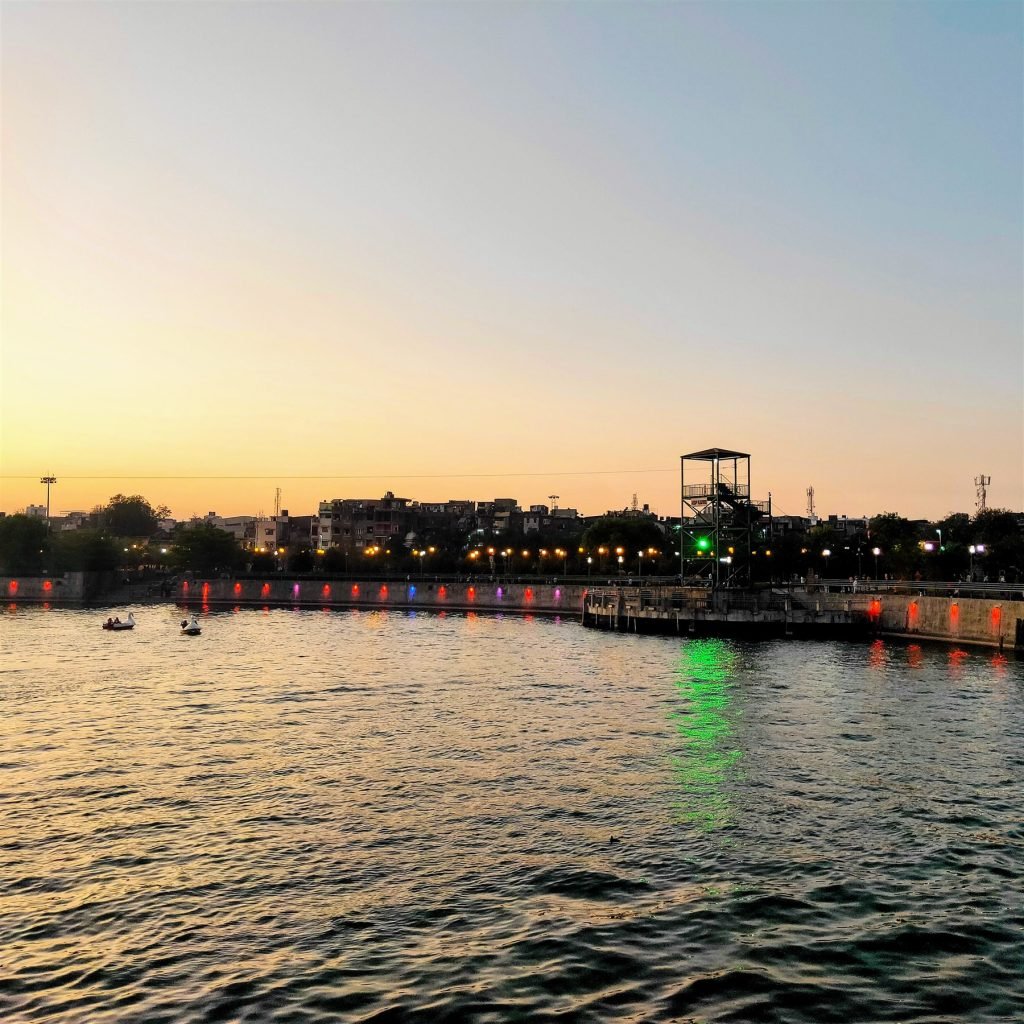
The quiet shore.
The Arabian Sea.
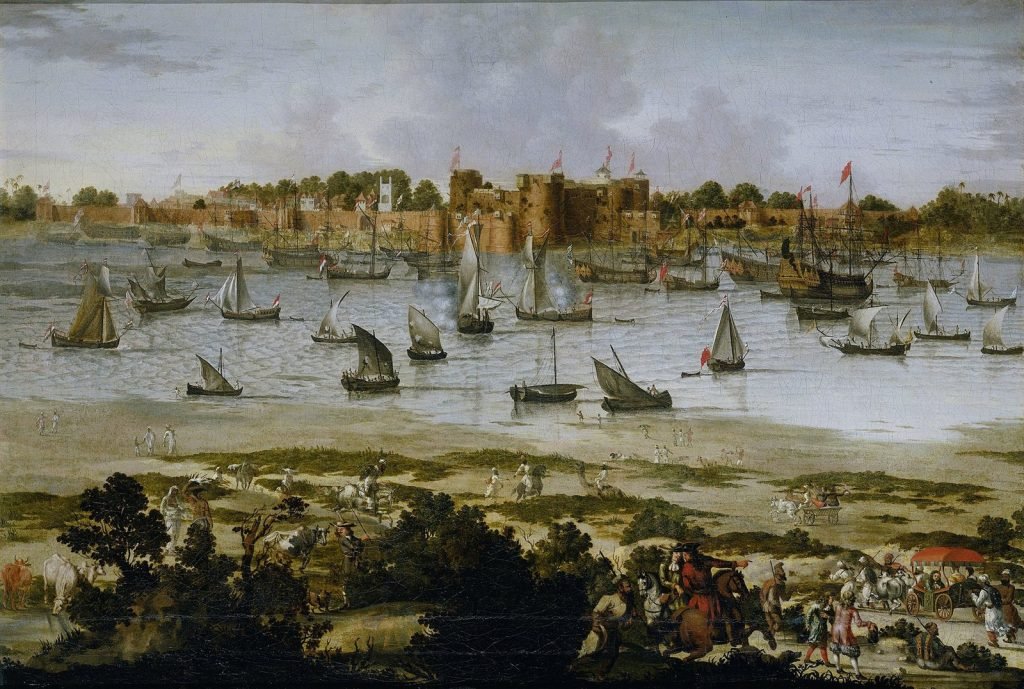
The roadstead off Swally was the deep-water anchorage for Surat, then India's principal western port — seagoing ships moored here and lightered their cargo up the Tapi.
In 1612 an English squadron under Thomas Best defeated a larger Portuguese force off this shore, breaking the Portuguese hold on Surat's trade and winning the English East India Company its first firm foothold in India.
That victory gave the English East India Company its first secure foothold in India and set the pattern for the century that followed.
The anchorage silted and trade moved on, leaving Suvali a long quiet beach with an outsized place in history.
European ships anchored in the Swally roadstead and lightered their cargo up to Surat, then India's principal western port.
The Battle of Swally in 1612 broke Portuguese control of Surat's trade and let the English in.
It is far quieter than Dumas, the other Surat beach, and sees a fraction of the visitors.
The shore is wide and flat with a large tidal range, good for walking rather than swimming.
The view runs out over open water with little to interrupt it, and the sunsets are the draw.
It sits away from the city near Hazira, which is why it stays uncrowded.
THE SHOREA long, quiet beach with wide tidal flats north of Surat.

THE HISTORYThe Swally roadstead, anchorage for European trade with Surat in the seventeenth century.
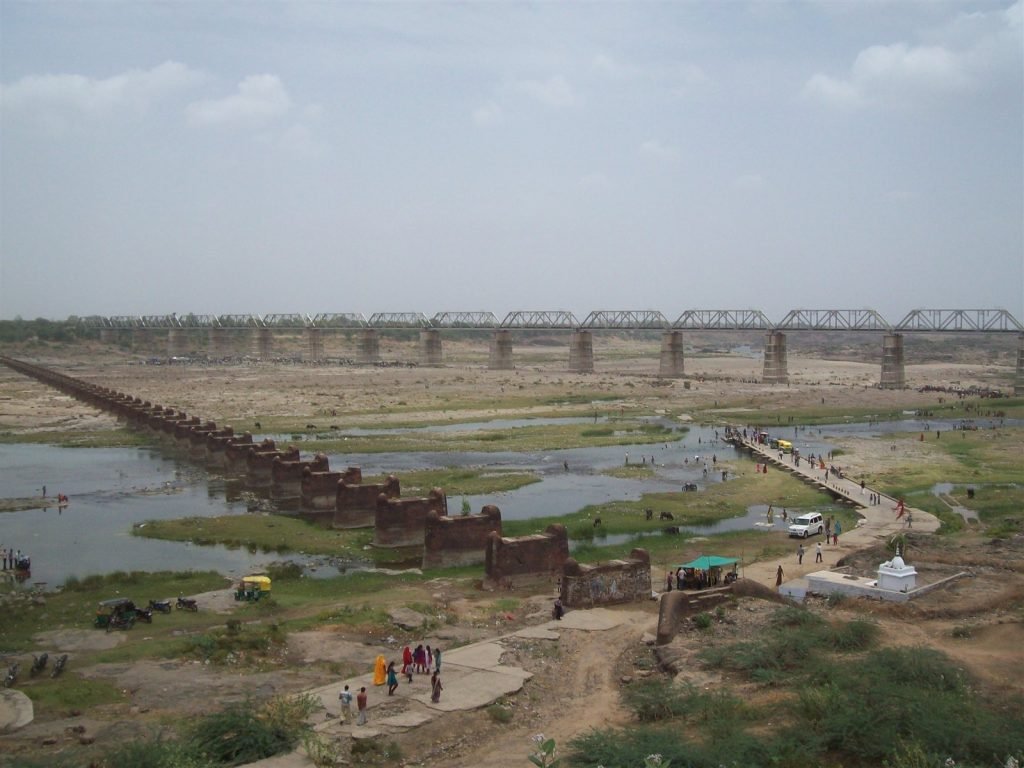
Walk the wide flat shore, which runs a long way in both directions at low tide.
Stay for sunset over the Arabian Sea, the best hour on this west-facing coast.
Consider the 1612 battle fought off this shore, and what it set in motion.
Come here rather than Dumas if you want the coast without the crowds.
Take the sea air, noticeably cooler and fresher than Surat a few kilometres inland.
Treat the water with caution — the currents here are strong and this is not a swimming beach.
Suvali Beach.
Suvali (Swally) is a long, quiet beach north of Surat whose roadstead was the 17th-century anchorage for European traders — and the site of the 1612 Battle of Swally that helped the English establish themselves in India. Today a calm, less-crowded shore for walks and sunsets.
This is one of many places worth seeing here — the full guide to Surat has the rest.
For more in the same vein, see beaches across Gujarat.
A long, quiet beach
The historic Swally anchorage
Site of the 1612 battle
A peaceful seaside escape
November to February is the season — dry, mild and comfortable for a long walk on the sand.
The monsoon brings heavy rain and rough seas to this coast between June and September.
March to May is hot and humid; use the beach in the evening as the city does.
⏰ Visit in the cooler, drier months; pair it with Surat's riverfront and food streets.
Surat airport (~15 km).
Surat railway station.
In/around Surat.
SEA & QUIET
The wide shore at low tide, with wet sand reflecting the sky.
Sunset.
The old anchorage.
Empty calm.
RIVERFRONTPromenades & gardens along the river
Planetarium, museum & diamond gallery
LAKEA restored medieval lake & lakefront plaza
WETLANDBirdlife along the river and city lakes
Birdlife along the river’s edges

A popular modern shrine by the Tapi
THALISweet-savoury thalis.
LOCHOSurat's soft farsan.
STREETGhari, undhiyu & more.
Famous for locho, undhiyu, ghari & ponk.
Suvali — historically 'Swally' — is a long, quiet beach on the Arabian Sea north of Surat, near Hazira. Its place in history is considerable: in the 17th century the roadstead off Swally was the anchorage for European ships trading with Surat, and it was here, in 1612, that the English fleet famously defeated the Portuguese in the Battle of Swally — a turning point that helped the English East India Company establish itself in India.
~25 km from Surat (Hazira side).
Free.
October to March, the cool, dry season.
Surat's fort, beaches, lake and food streets.
About 2 hours.
TOWNThe leafy district headquarters
TEMPLEThe mighty Hanuman temple of Salangpur
MUSEUMCity history, art & rare artefacts

A vibrant community temple in the city
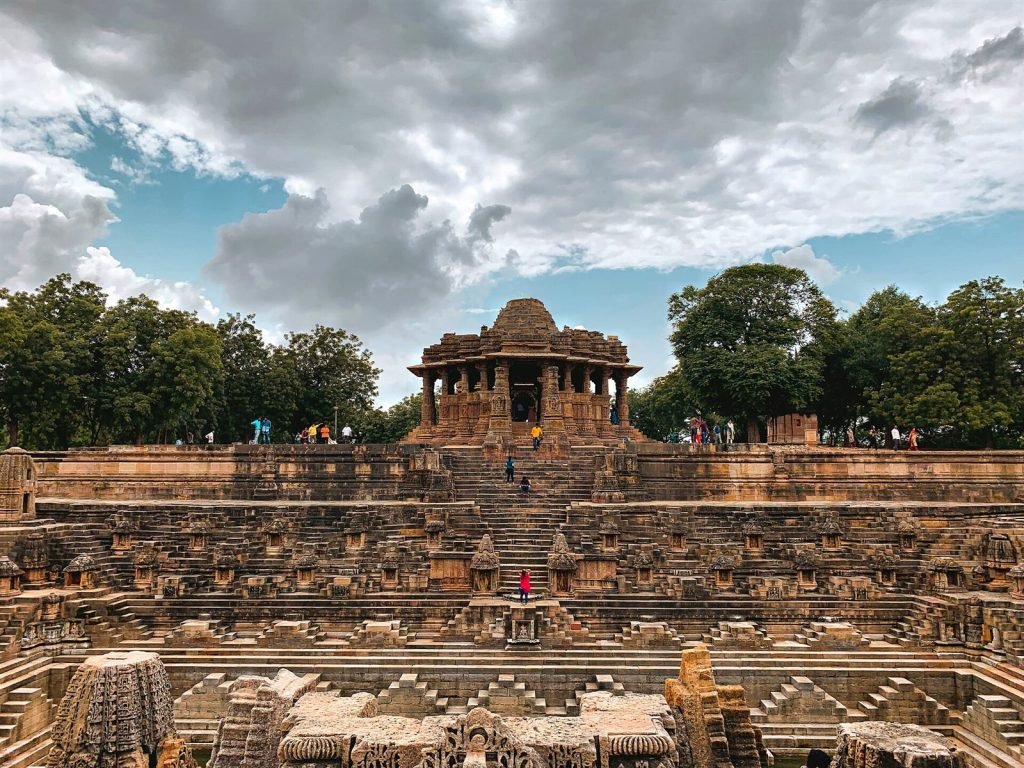
An old lakeside Shiva temple
Gujarat’s most spectacular tribal fair — the Kartiki Purnima at Shamlaji, when tens of thousands of…
WHERE TO STAY
Compare live prices across the big booking sites and reserve in a few taps. Booking happens securely on the partner's site — we may earn a small commission at no extra cost to you.
Book directly on our partner sites — tap a provider to see live Gujarat hotels & prices:
SHOP THE REGION
Hand-picked crafts and trip gear, available on Amazon.
Published 24 June 2026 · Updated 24 August 2026
We’re an independent group of writers and travellers documenting every corner of Gujarat — one place, plate and festival at a time.
Search Gujarat Explorer
Find places, food, festivals and travel guides across Gujarat
Press Enter to search — or Esc to close
Plan Your Trip
Gujarat Explorer is an independent travel guide. We’re happy to help you shape an itinerary and point you to the right places, stays and experiences across Gujarat.
Book a Cab