Home › Jamnagar › Gulf Coast & Beaches
NATURE · COAST · GULFJamnagar's quiet shoreline — the beaches, mudflats and islands of the Gulf of Kutch, a vast intertidal coast rich in marine life, mangroves and migratory birds.
Jamnagar’s long coastline along the Gulf of Kutch is one of the most ecologically rich shores in India — a vast belt of intertidal mudflats, sandy stretches, mangroves, coral reefs and low islands that together form the Marine National Park and Sanctuary, the first of its kind in the country.
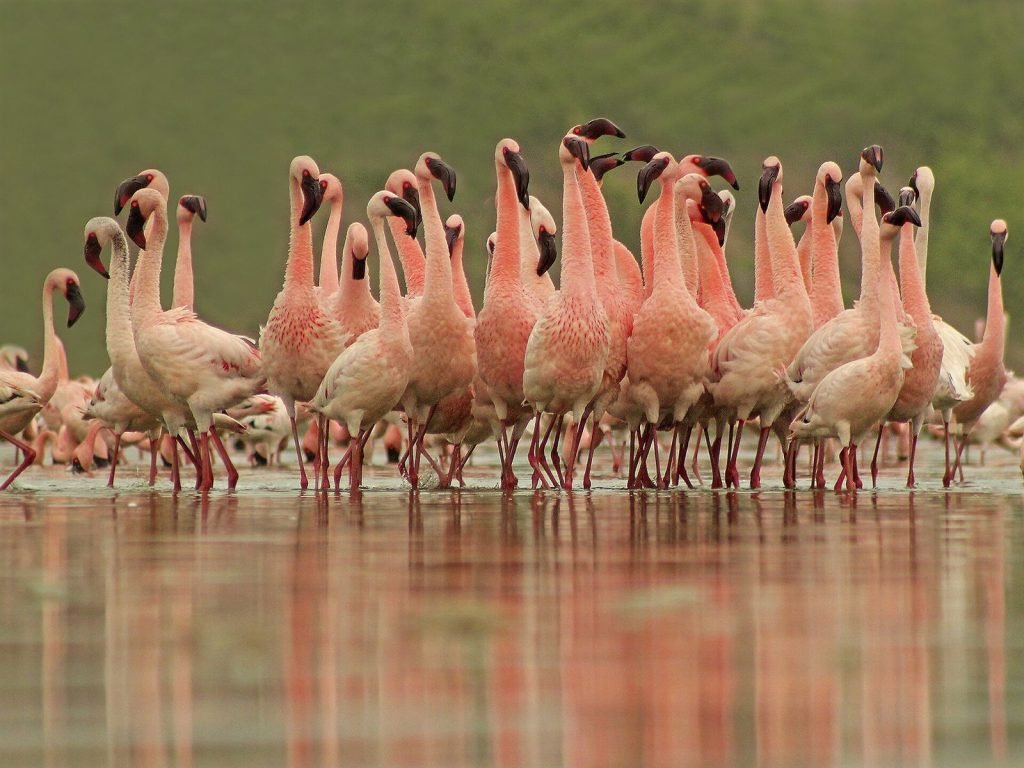
At low tide the sea retreats to reveal an extraordinary world of corals, sponges, sea anemones, starfish, octopus and crabs, while the mudflats and mangroves host flamingos, pelicans, herons and thousands of migratory shorebirds.
Beyond the protected marine zone, the coast around Jamnagar — at places like the Rozi and Bedi ports and quiet village beaches — offers windswept sands and big tidal horizons. For nature lovers and birdwatchers, the Gulf coast is Jamnagar’s natural treasure, best explored at low tide with a guide.
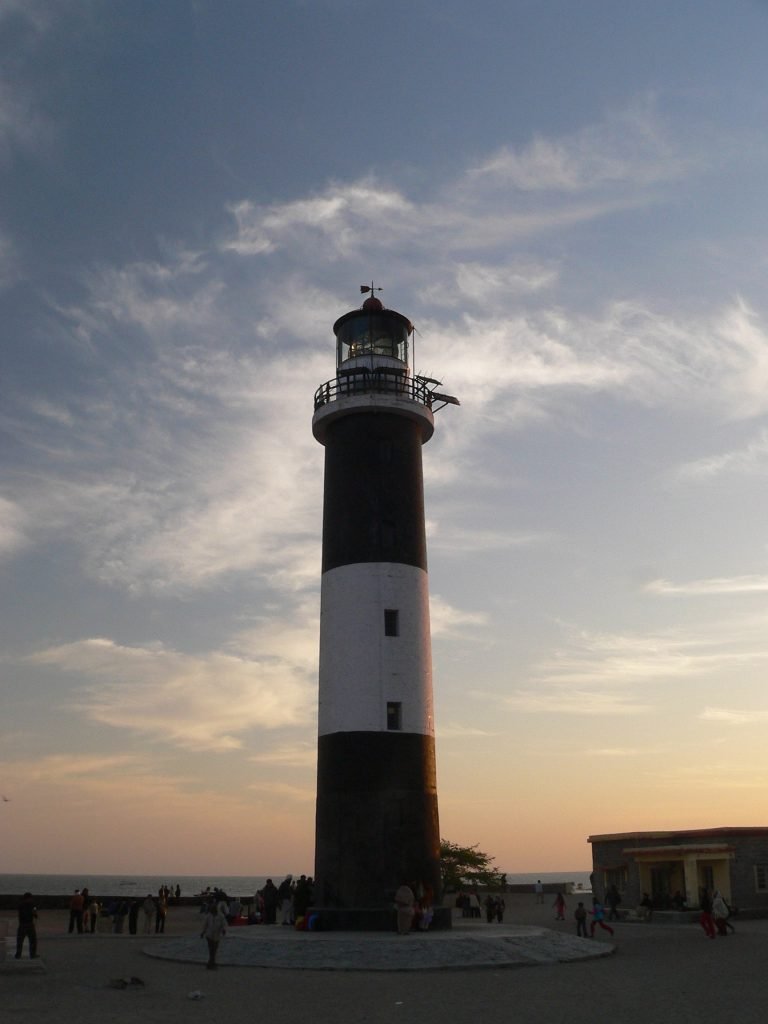
Illustration — the gulf coast.
Illustration — mudflats & birds.
India's first Marine National Park is declared here.
Low tide reveals corals and creatures.
Belts of mangrove fringe the coast.
A haven for marine life and birds.
India's first.
Corals, crabs, octopus.
Coastal forests.
On the mudflats.
Off the islands.
Windswept sands.
Corals and waders.
Nurseries of the sea.
Off the low islands.
Thousands of migratory waders.
Marine-park access points.
Quiet shores around Jamnagar.
See intertidal life.
On the reef flats.
On the mudflats.
Coastal forests.
Marine-park sites.
Migratory shorebirds.
Illustration — the gulf shore.
The Jamnagar coast of the Gulf of Kutch is a vast intertidal landscape of mudflats, mangroves, coral reefs and low islands — the heart of India’s first Marine National Park and Sanctuary.
It is best experienced at low tide, when the sea uncovers a world of corals and creatures and the flats fill with feeding birds. Parts are protected, so permits vary and a local guide is strongly recommended.
India’s first Marine NP
Intertidal mudflats & reefs
Mangrove forests
Flamingos & shorebirds
Migratory birds and calm seas.
Lush mangroves; access limited.
Hot; go at the lowest tides early.
⏰ Go at low tide in winter with a guide/permit (Narara, Pirotan) for the best marine life and birds.
Jamnagar airport.
Jamnagar station.
Coast around Jamnagar.
TIDE & LIFE
Intertidal creatures.
Flamingos and waders.
Mangroves and flats.
Low-tide golden hour.
◐ Golden hour · the flats
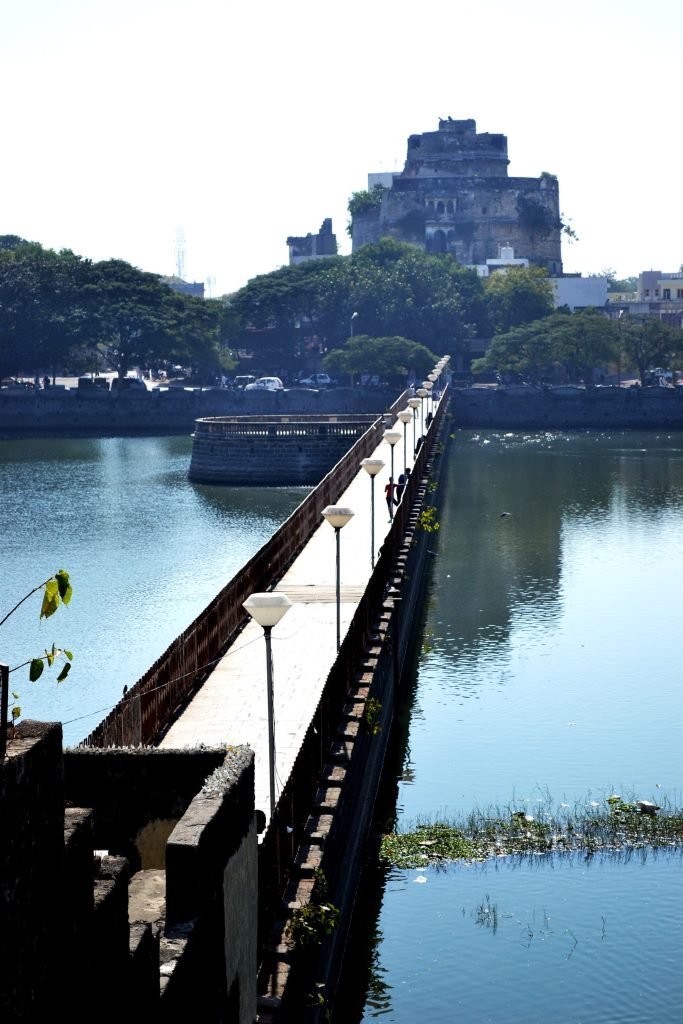
A historic fortified tower & water system
A renowned centre of traditional healing
◐ Low tide · corals & life
The scenic heart of the old city
India's first — corals, sponges, octopus & islands
Sweet-savoury full meals.
Fried and steamed snacks.
Lively market-town fare.
Famous for ghughra, pendas & farsan.
A vast intertidal coast of mudflats, mangroves and reefs — India's first Marine National Park.
Corals, crabs and octopus at low tide; flamingos and shorebirds on the flats.
Marine-park zones (Narara, Pirotan) need permits and are best with a guide.
November to February, around low tide.
Narara, Pirotan island and coast near Jamnagar.
It varies by zone and permit.
Excellent — especially in winter.
Water, sun cover and tide timings.
WHERE TO STAY
Compare live prices across the big booking sites and reserve in a few taps. Booking happens securely on the partner's site — we may earn a small commission at no extra cost to you.
SHOP THE REGION
Hand-picked crafts and trip gear, available on Amazon.