Home › Gir Somnath › Gir Wildlife & Birding
WILDLIFE · BIRDING · GIRBeyond the lions — Gir is a wildlife and birding paradise of leopards, deer, crocodiles and 300+ bird species, from paradise flycatchers to crested serpent eagles.
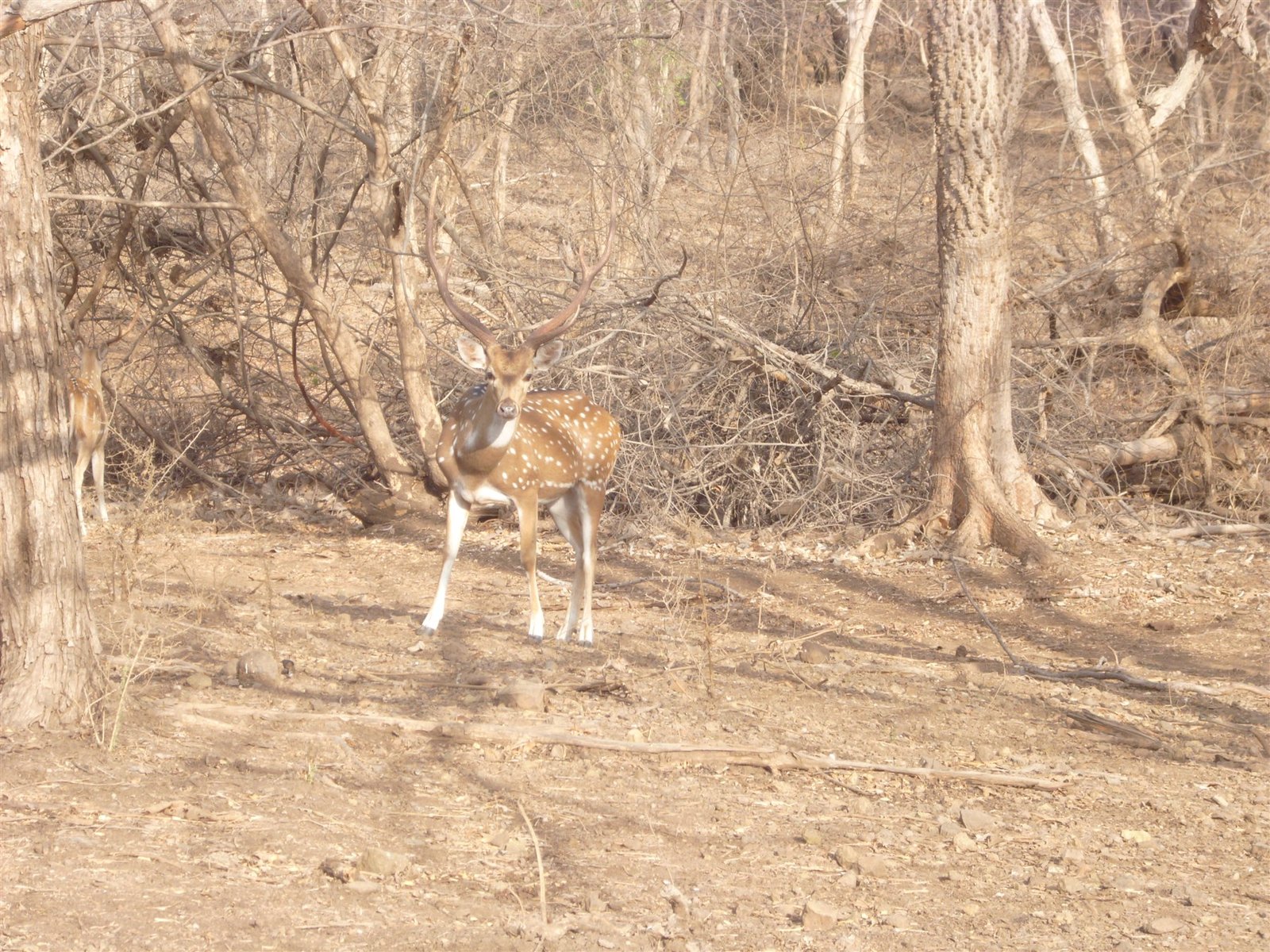
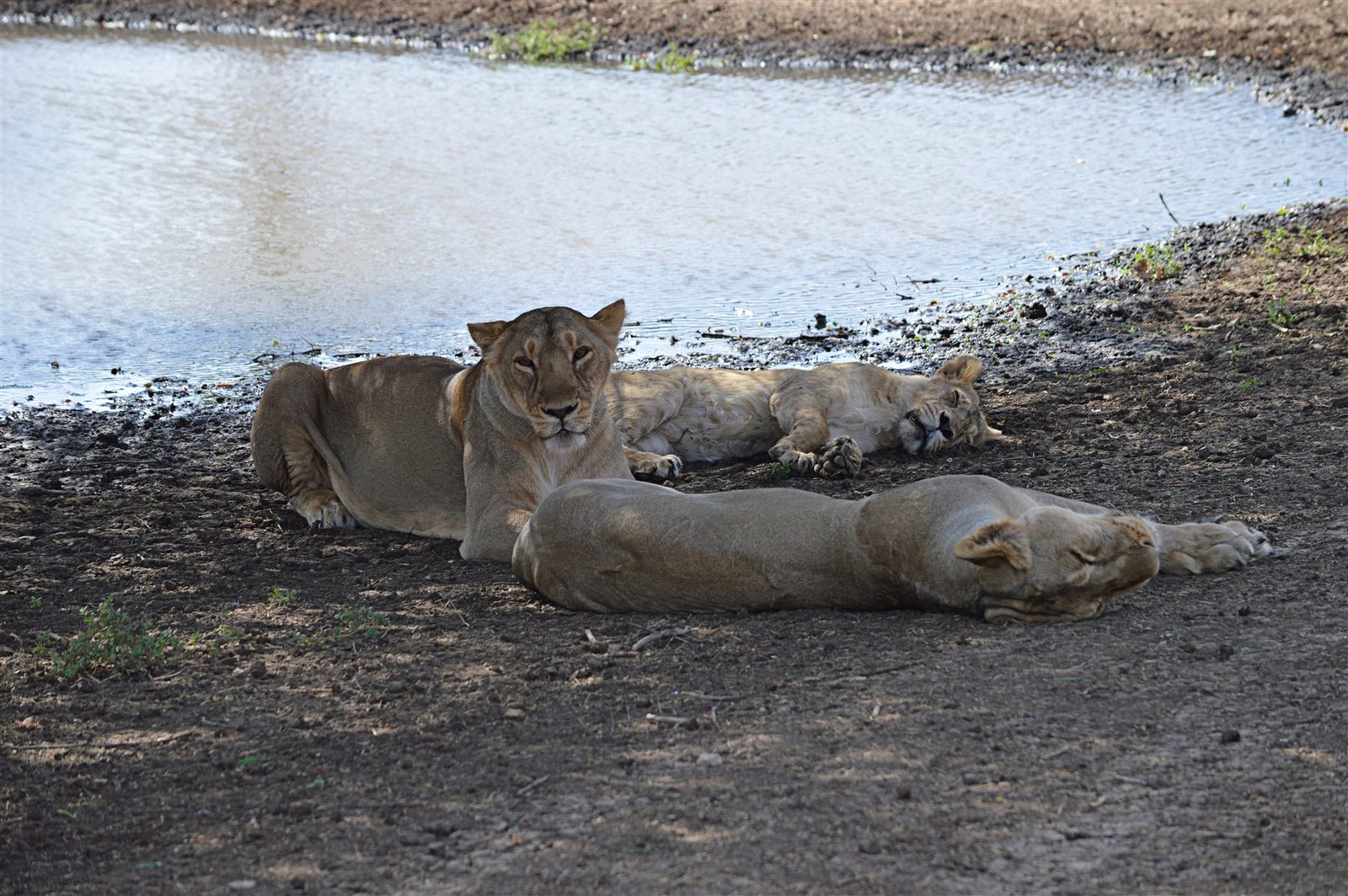
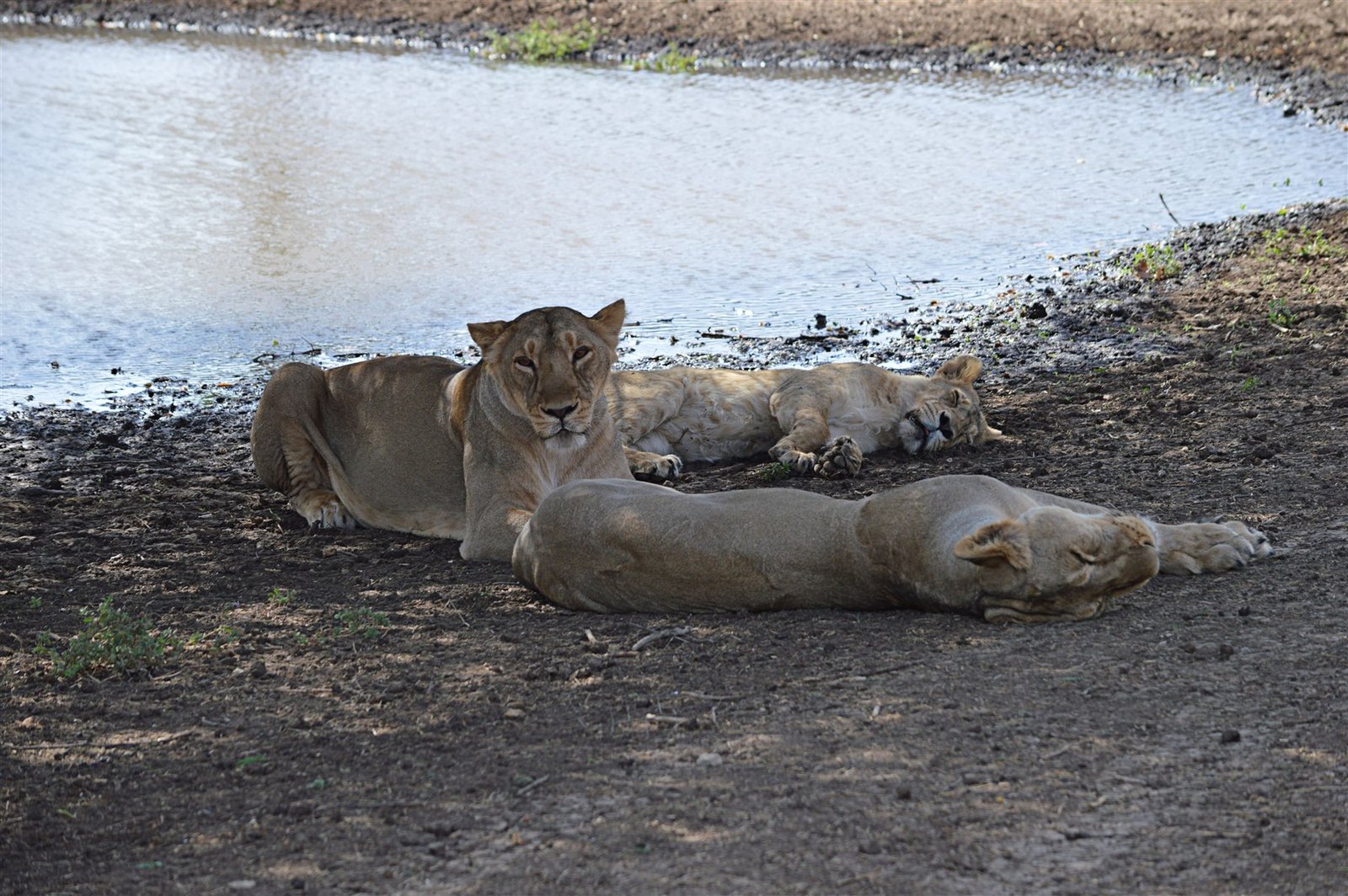
Gir is famous for its lions — but the forest is a far richer wildlife and birding destination than the big cats alone. Alongside the Asiatic lion roam leopards, striped hyenas, jackals, jungle cats, chital and sambar deer, blue bull (nilgai), chinkara, wild boar and langur, while the rivers and dams hold marsh crocodiles and turtles.
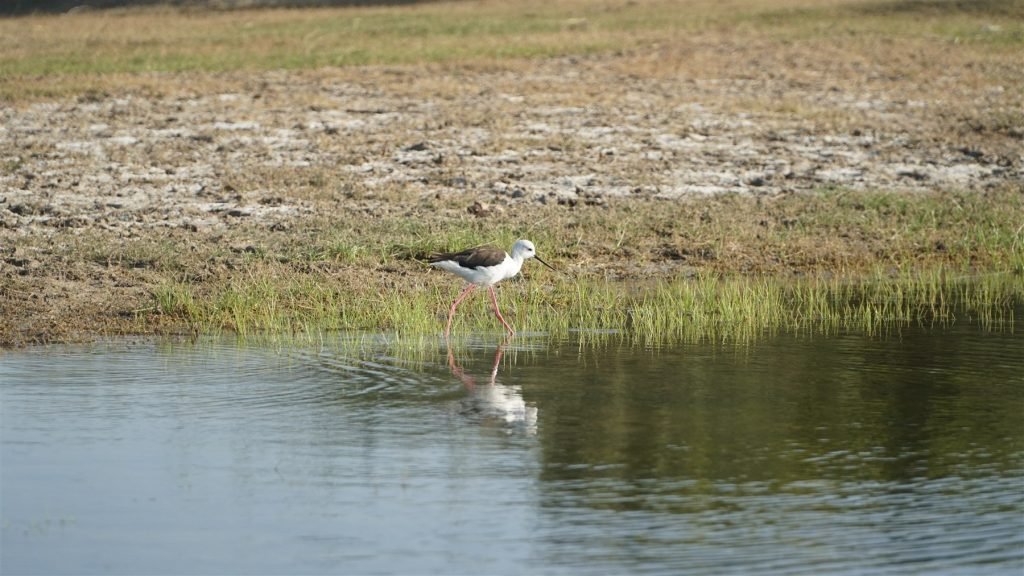
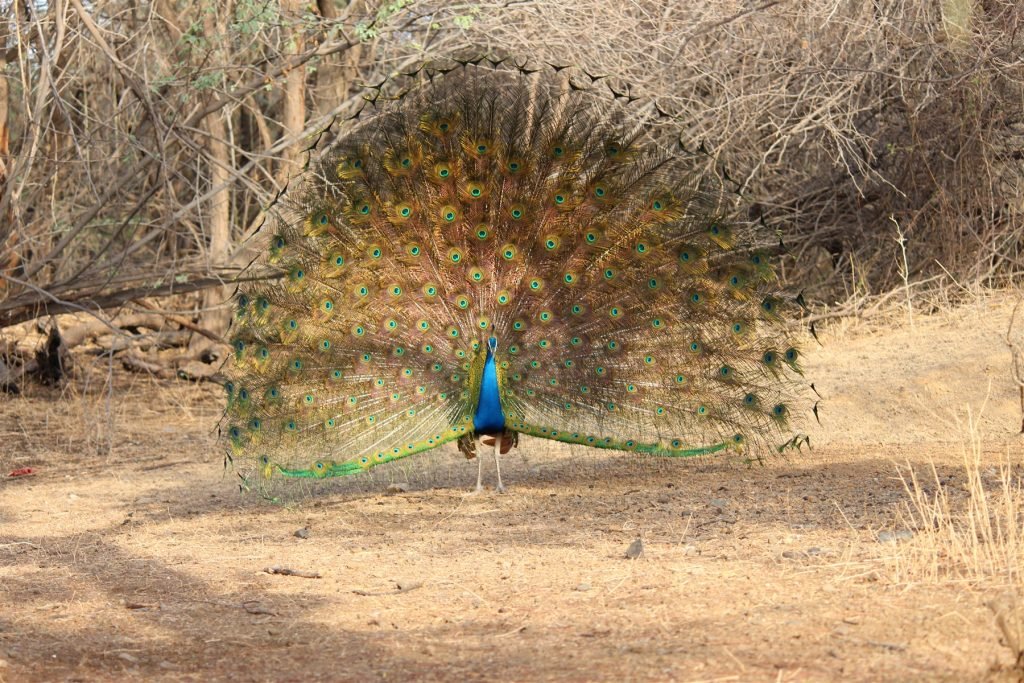
For birdwatchers, Gir is a treasure: over three hundred species have been recorded, from the crested serpent eagle, Bonelli’s eagle and the rare critically-endangered vulture to paradise flycatchers, Indian pittas, woodpeckers, owls and bee-eaters. The Kamleshwar reservoir draws waterbirds in winter.
On safari, with eyes open beyond the lions, Gir reveals itself as one of the most rewarding all-round wildlife experiences in India — a living, breathing dry-forest ecosystem.
A chital herd in the Gir forest.
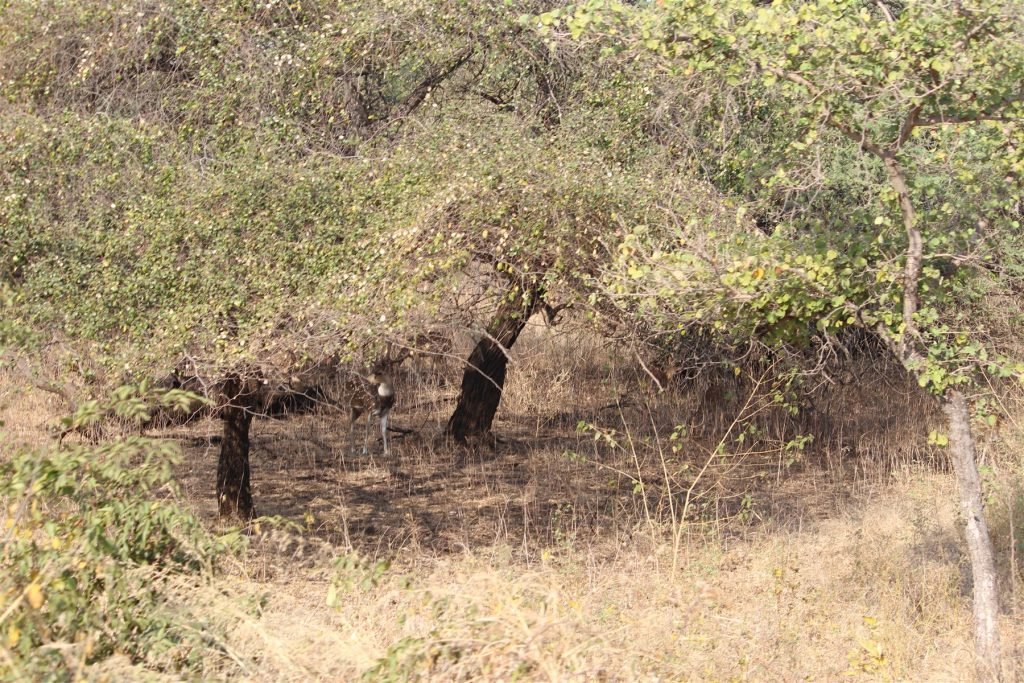
The dry teak forest of Gir.
Saving the lion preserves the whole Gir ecosystem.
Prey, predators and birdlife flourish under protection.
Over 300 bird species are recorded in the forest.
A premier all-round wildlife and birding destination.
A birdwatcher's paradise.
Lions and leopards both.
Deer, nilgai and chinkara.
Eagles, owls and vultures.
Crocodiles and waterbirds.
Far beyond the lions.
The forest's grazers.
Gir's great cats.
Reserve via the official portal.
Essential for birding.
Flycatchers, pittas, woodpeckers.
Crocodiles and waterbirds.
Leopards, deer, raptors.
The richest wildlife hours.
Varied habitats sustain the wildlife.
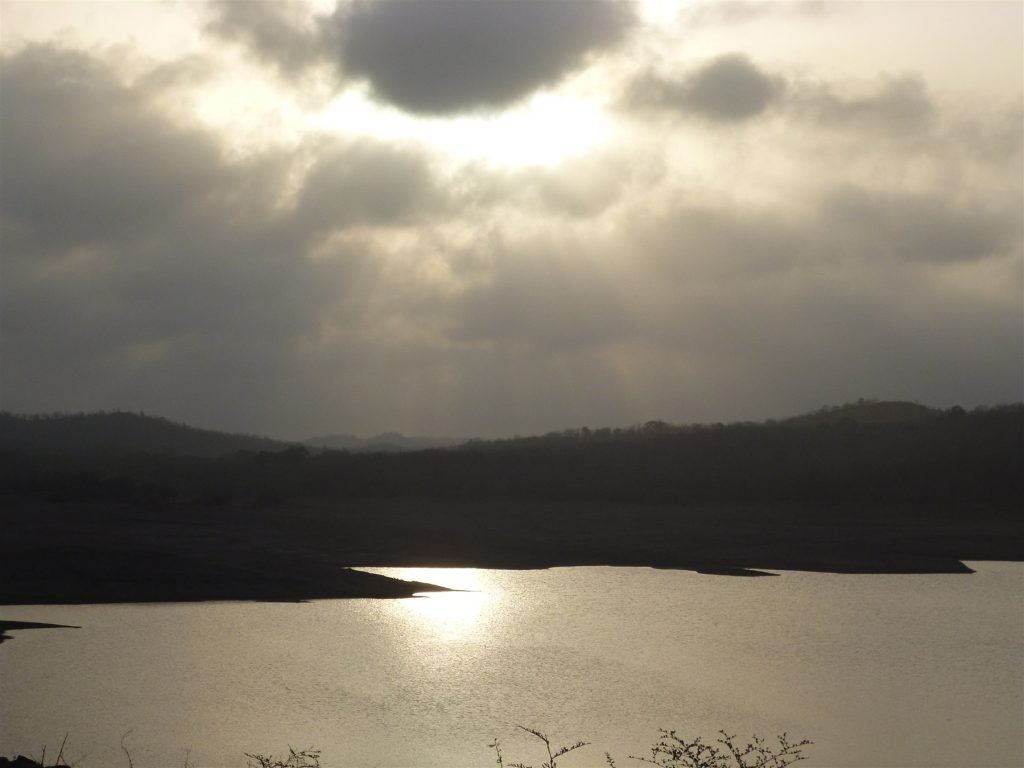
Gir’s wealth of wildlife rests on its mosaic of habitats: dry deciduous teak forest, thorny acacia scrub, open grassland (vidis), seasonal rivers and reservoirs. Each niche supports different species — grazers on the grassland, raptors over the canopy, waterbirds and crocodiles at the dams, cats throughout.
Watching Gir as a whole ecosystem, rather than a lion show, is what makes it so rewarding for naturalists and birders alike — every safari turns up something new.
Teak forest & acacia scrub
Grassland ‘vidis’
Rivers & reservoirs
300+ recorded bird species
Cool and clear — the best season for Gir and the coast.
Lush, but Gir's core largely closes.
Hot, but the best season for Gir wildlife sightings.
⏰ Carry binoculars and a long lens; winter is best for birds, summer best for mammals at the waterholes.
Diu (~75 km), Rajkot and Keshod airports.
Sasan Gir and Junagadh stations.
Sasan Gir, ~45 km from Somnath.
FEATHER & FUR
A long lens for the canopy and water.
Cats and deer at dawn.
Crocodiles at Kamleshwar.
Quiet, no flash, keep your distance.
Where three rivers meet the Arabian Sea
A revered Shiva shrine near Veraval
The last wild home of the Asiatic lion
A long, clean beach near Diu
The lifeline river of the lion forest
Seasonal whale sharks off the shore
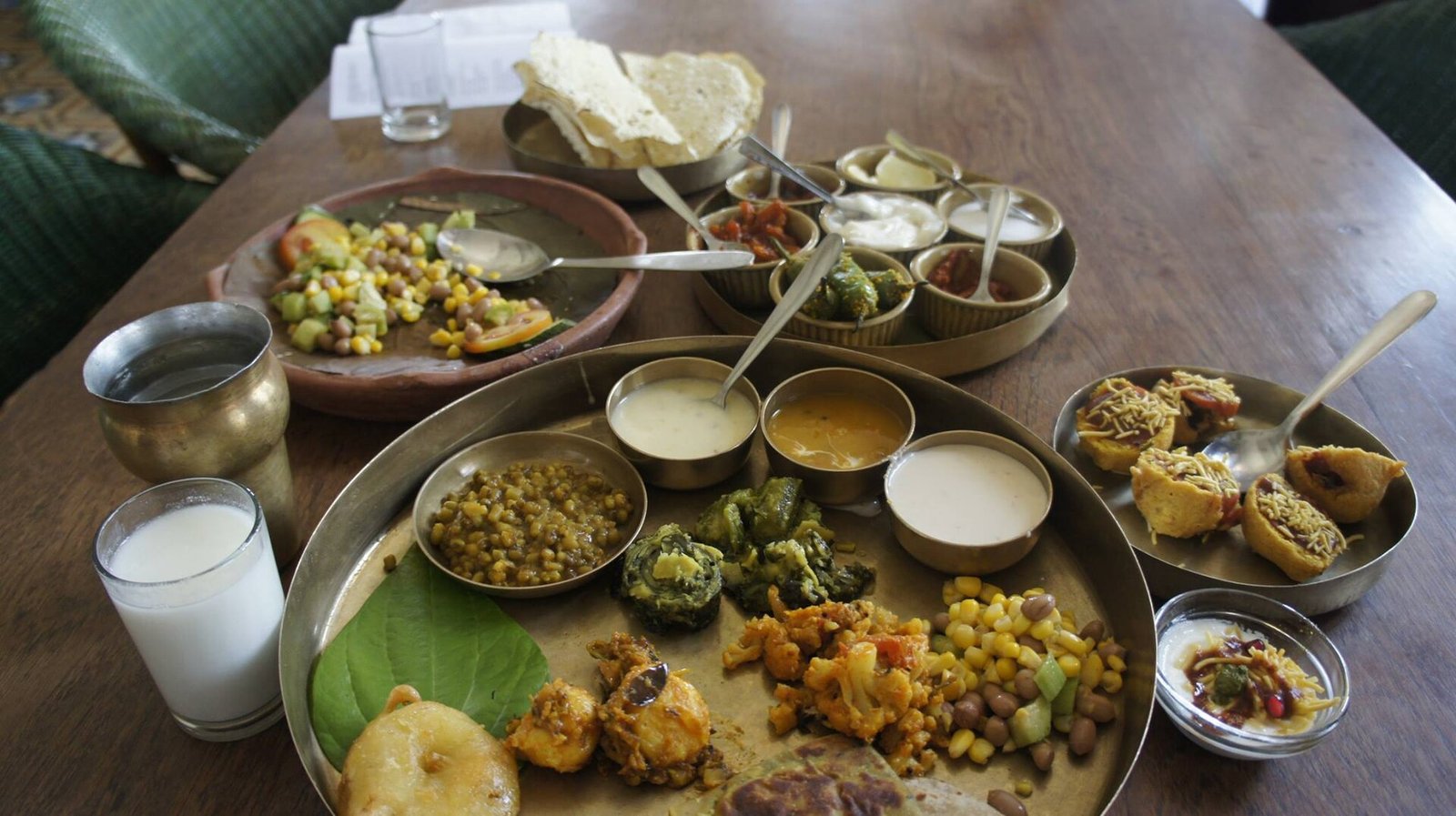
Rotla, kadhi, shaak and ghee-rich fare.
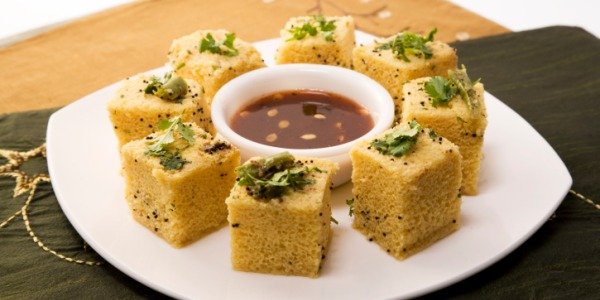
Saurashtra's beloved fried snacks.
Snacks along the Somnath–Diu coast.
Veg fare inland; seafood near Diu; Gir Kesar mangoes.
No — it has leopards, deer, crocodiles and over 300 bird species.
More than 300 recorded species, making it a top birding site.
Lions, leopards, hyenas, jackals, deer, nilgai, chinkara and more.
On a permit-controlled Gir safari or at the Devalia zone.
Winter, when migrants and waterbirds arrive.
Summer, when animals gather at the waterholes.
Binoculars, a long lens, and patience.
Yes — permits and a guide are mandatory; book officially.
WHERE TO STAY
Compare live prices across the big booking sites and reserve in a few taps. Booking happens securely on the partner's site — we may earn a small commission at no extra cost to you.
SHOP THE REGION
Hand-picked crafts and trip gear, available on Amazon.