Gujarat Explorer

Surat Castle

Home Surat Surat Castle

HERITAGE · FORT · TAPI

Surat Castle

The fort that guarded a port — Surat Castle, the 16th-century riverside stronghold from which one of the world's richest trading cities watched over the Tapi and the sea beyond.

AT A GLANCE Quick Facts
📍 LOCATION Tapi riverfront
🏰 TYPE Fort / castle
🗓️ BUILT 16th c.
🛡️ BY Gujarat Sultanate
🌊 ON River Tapi
🎟️ ENTRY Varies
☀️ BEST TIME Oct – Mar
⏱️ DURATION 45 min
ABOUT THE PLACE

Guardian of a great port

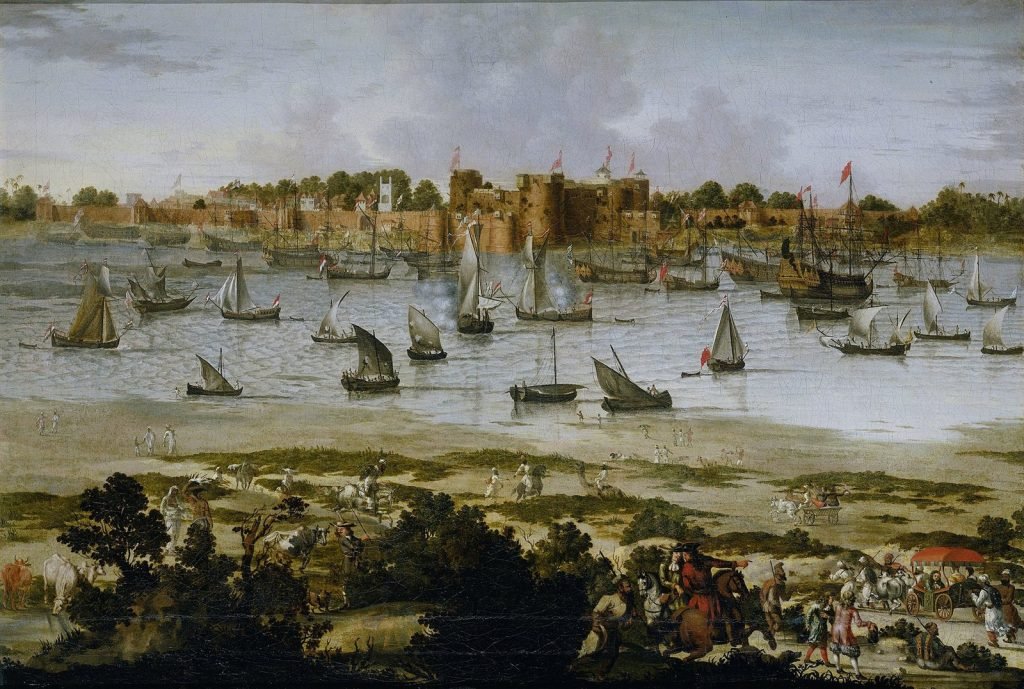
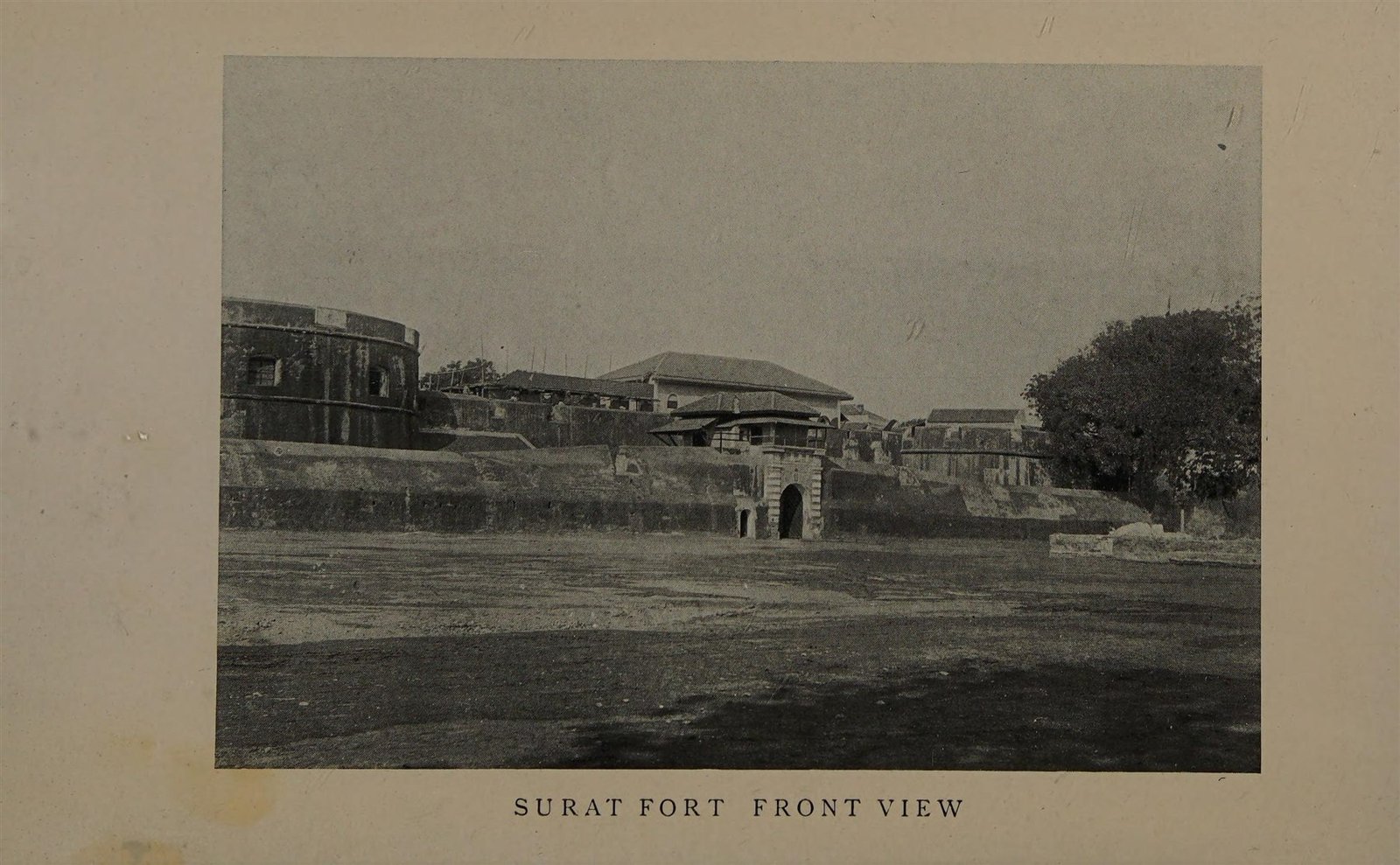
Surat Castle (the Old Fort) stands on the bank of the Tapi in the heart of the old city — a sturdy 16th-century stronghold built by the rulers of Gujarat to defend the port of Surat against Portuguese and other raids. In its heyday Surat was one of the richest ports in the world, the great emporium of Mughal India and the chief embarkation point for the Haj, and the castle was its guardian.

As the city’s fortunes shifted it was held in turn by the Mughals, the Dutch, the English and the Marathas. Restored in recent years, the fort’s massive walls, bastions and river-facing ramparts recall the era when ships from across the Indian Ocean crowded the Tapi.

A tangible link to Surat’s golden age of trade. (A heritage fort; check current visiting access.)

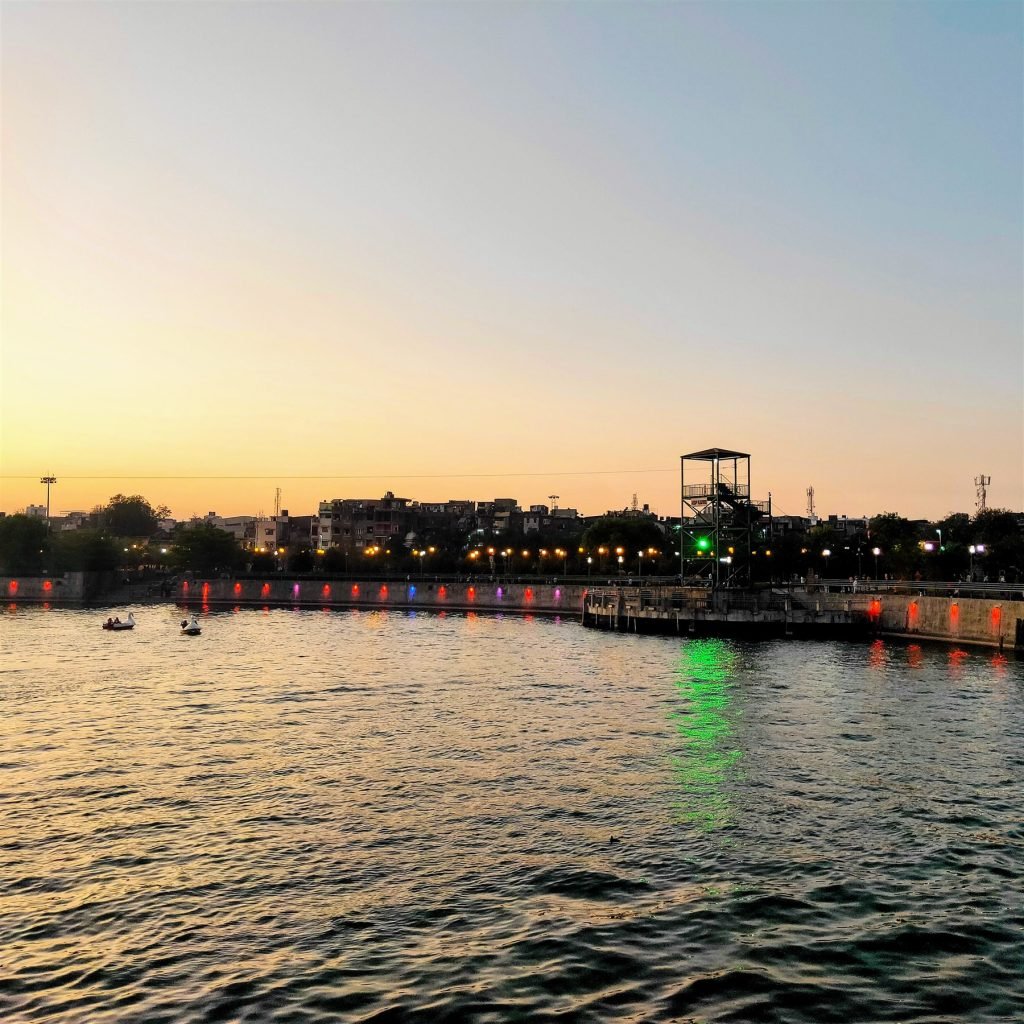
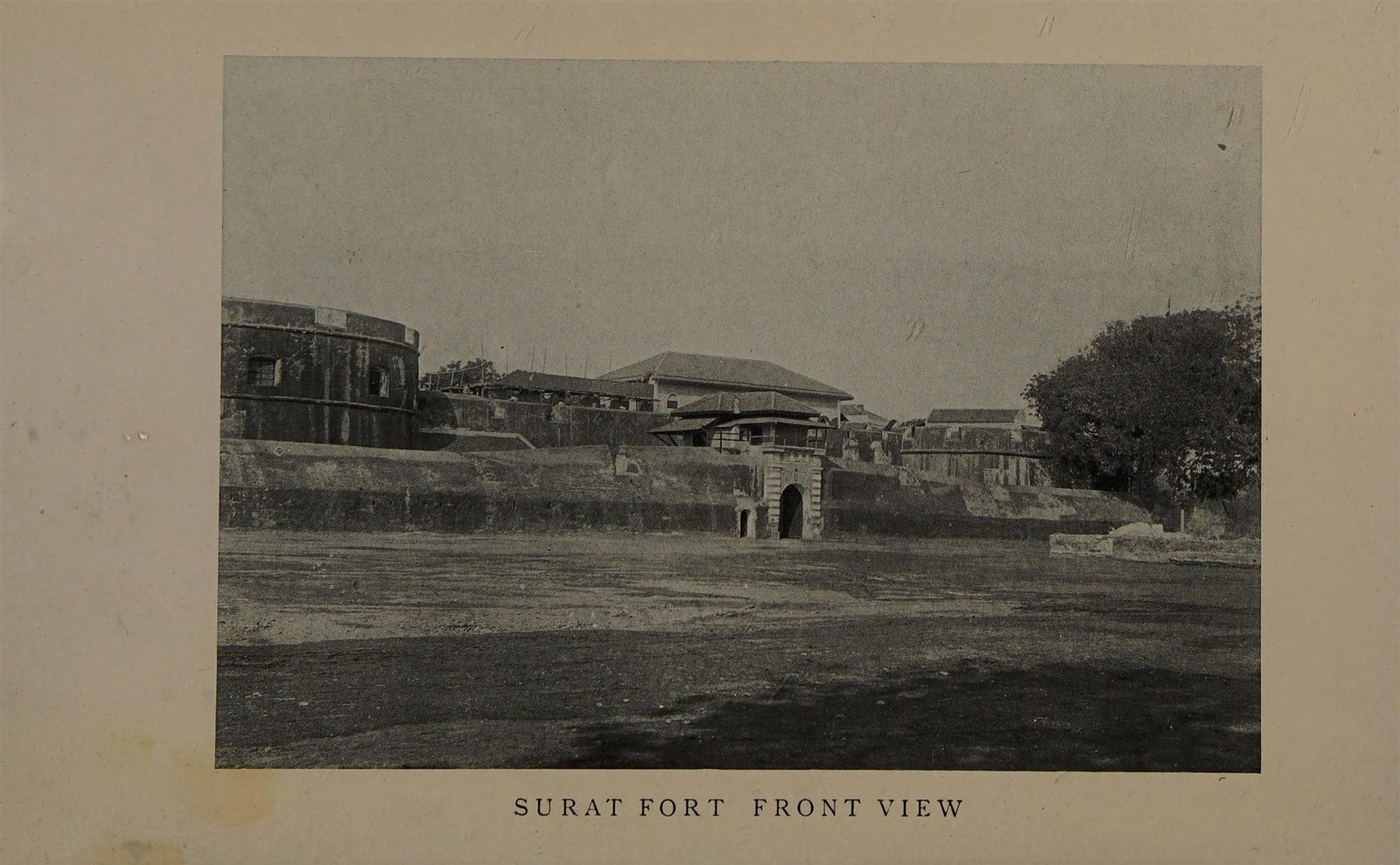
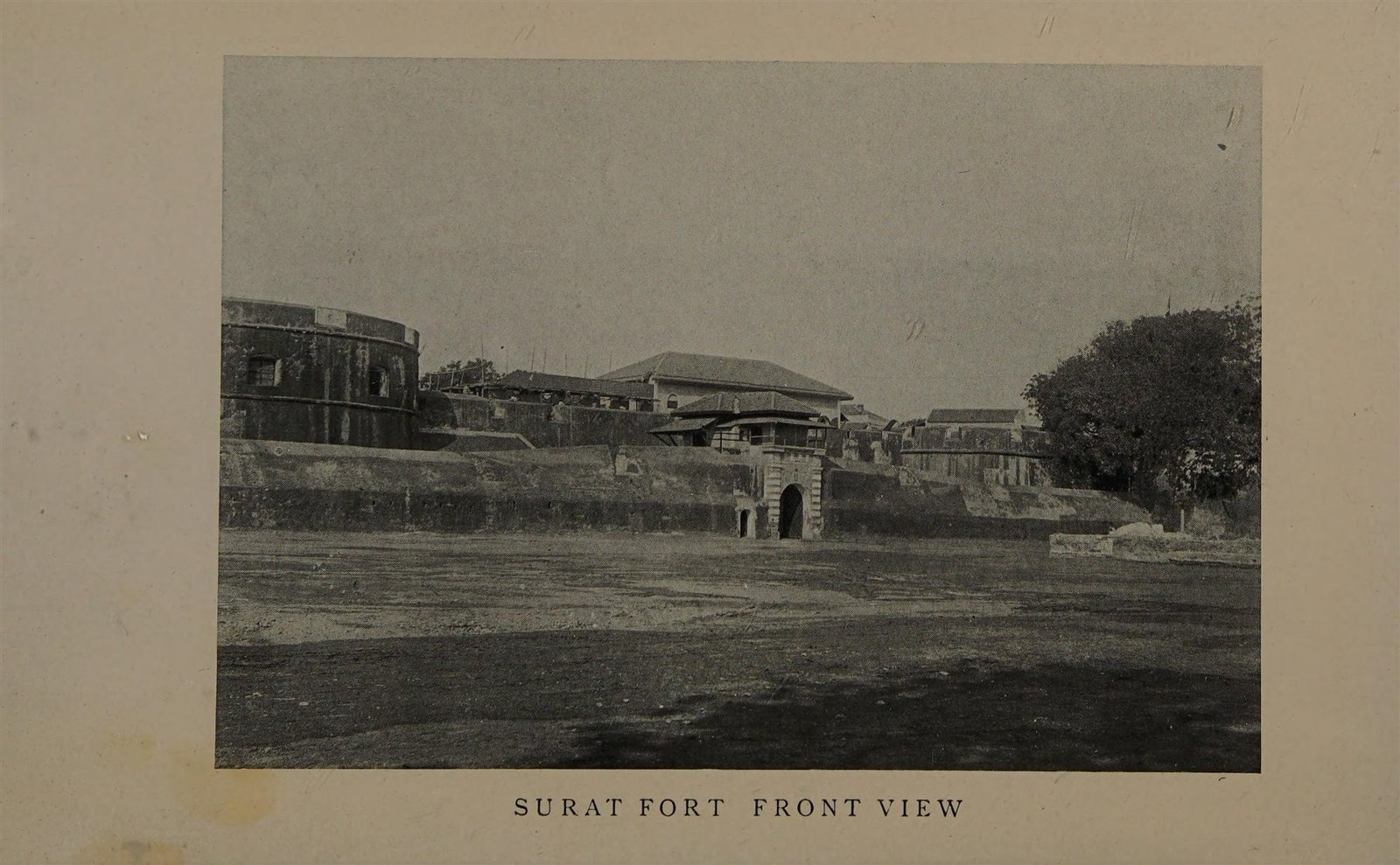
Surat Castle on the Tapi.

HISTORY

The fort that guarded the world's richest port

The restored ramparts.

16th c.

The castle was raised in the sixteenth century under the Gujarat Sultanate to defend the port against Portuguese raids from the sea, with walls thick enough to take cannon.

Golden age

Surat became one of the richest ports in the world under the Mughals — the great emporium of their empire and the chief embarkation point for the Haj.

Many hands

It passed through Mughal, Dutch, English and Maratha hands as control of the port shifted, and each left something in the fabric.

Restored

The walls and bastions were restored in recent years after long neglect, and the riverfront elevation is legible again.

WHY VISIT

Reasons to make the time

🏰

16th-c. fort

Squat, thick-walled and functional — this is working military architecture, built to hold against artillery rather than to impress.

Port guardian

Surat at its height handled textiles, spices and bullion for the Mughal empire and every European company trading in India.

🌊

River ramparts

It faces the Tapi directly, which is where the threat came from and why it stands where it does.

🌍

Layered history

Mughals, Dutch, English and Marathas all held it in turn, and the fort's history is effectively the history of the port.

🧱

Restored walls

Restoration has opened the bastions and ramparts, and the interior spaces are usable again after decades of decay.

🏙️

Old-city heart

It stands in the middle of the old city, so the fort and the surrounding bazaars are one visit.

HIGHLIGHTS

What to look for inside

Surat CastleTHE FORT

Surat Castle

A sixteenth-century stronghold on the bank of the Tapi, restored and open.
RampartsTHE WALLS

Ramparts

The river-facing ramparts and bastions, built against seaborne attack.

THINGS TO DO

How to spend an hour or two

01

See the ramparts

Walk the river-facing walls, which are the fort's original purpose made visible.

02

Walk the bastions

See what the restoration has recovered — the bastions and interiors were near-derelict a decade ago.

03

Learn the port history

Set the fort against Surat's golden age: this guarded the richest port in the Mughal world.

04

Look over the Tapi

Look out over the Tapi from the ramparts, the direction every threat came from.

05

Sense the eras

Trace the succession — Sultanate, Mughal, Dutch, English, Maratha — which the building carries in layers.

06

Explore the old city

Carry on into the old city around it, where the bazaars and merchant houses of the port survive.

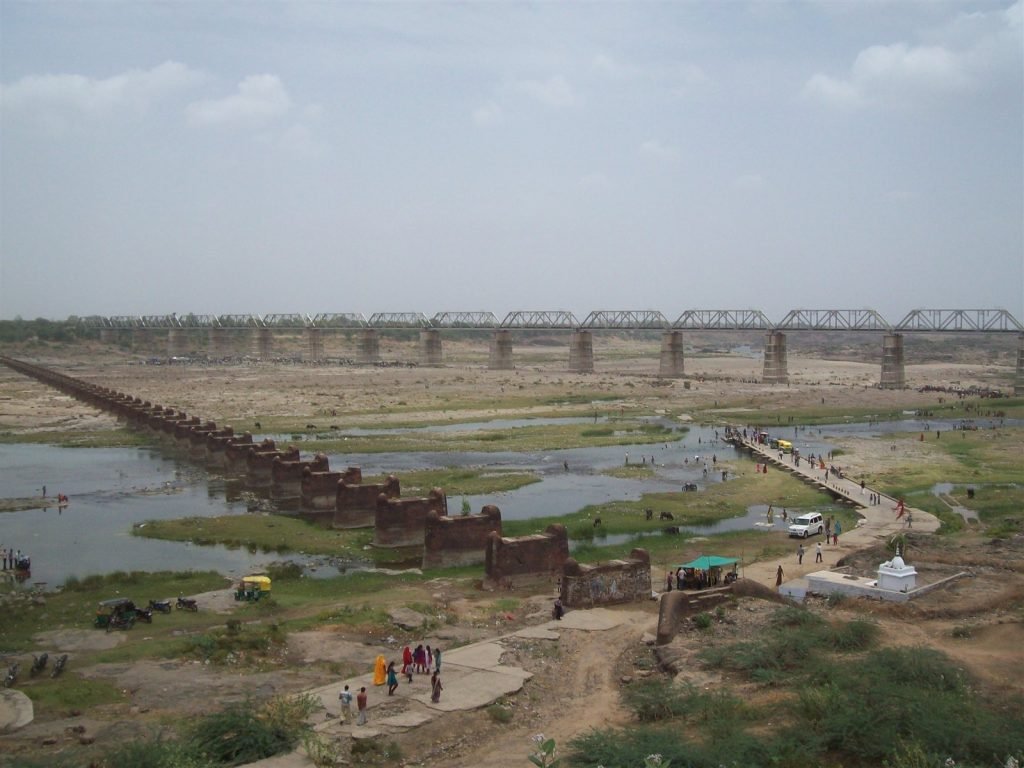
Surat Castle’s walls.

ARCHITECTURE & SETTING

A riverside stronghold

Surat Castle is a 16th-century riverside fort built by the Gujarat Sultanate to guard the port of Surat — then among the richest in the world. Held in turn by Mughals, Dutch, English and Marathas, its restored walls, bastions and Tapi-facing ramparts recall the city’s golden age of trade.

A 16th-century riverside fort

Guardian of a world port

Held by many powers

Restored walls & ramparts

BEST TIME TO VISIT

When to go

WINTERNov – Feb★★★★★

November to February is the season in Surat — dry and comfortable, and the only easy months for walking the old city.

MONSOONJul – Sep★★★★☆

The monsoon is heavy here from June to September, and the Tapi runs high against the fort walls.

SUMMERMar – May★★☆☆☆

March to May is hot and humid; go early in the morning or leave it.

⏰ Visit in the cooler, drier months; pair it with Surat's riverfront and food streets.

PLANNING ESSENTIALS

Timings & entry

🕗TIMINGSDaytime
  • Open in daytime hours
  • Best in the cool, dry season
  • An easy Surat stop
  • Pair with nearby sights
🎟️ENTRYVaries
  • Check current visiting access
  • On the Tapi riverfront
  • Photography usually fine
  • Pair with the old city
HOW TO REACH

Getting there

✈️

By Air

Surat airport (~15 km).

🚆

By Rail

Surat railway station.

🚗

By Road

In/around Surat.

NEARBY DISTANCES
Dumas — 16 km · Gopi Talav — central · Sarthana — 8 km · Dandi — 40 km
PHOTOGRAPHY GUIDE

At Surat Castle

FORT & RIVER

A guardian of the port

🏰

What to shoot

The fort walls.

🌊

Setting

The Tapi river.

🧱

Detail

Bastions & gates.

🌅

Best light

Walls at golden hour.

TRAVEL TIPS

Know before you go

1Check current access.
2Pair with the old city.
3Photography usually fine.
4Learn the port history.
5Best in cooler months.
6Mornings are calmer.
NEARBY FOOD

Where to eat near Surat Castle

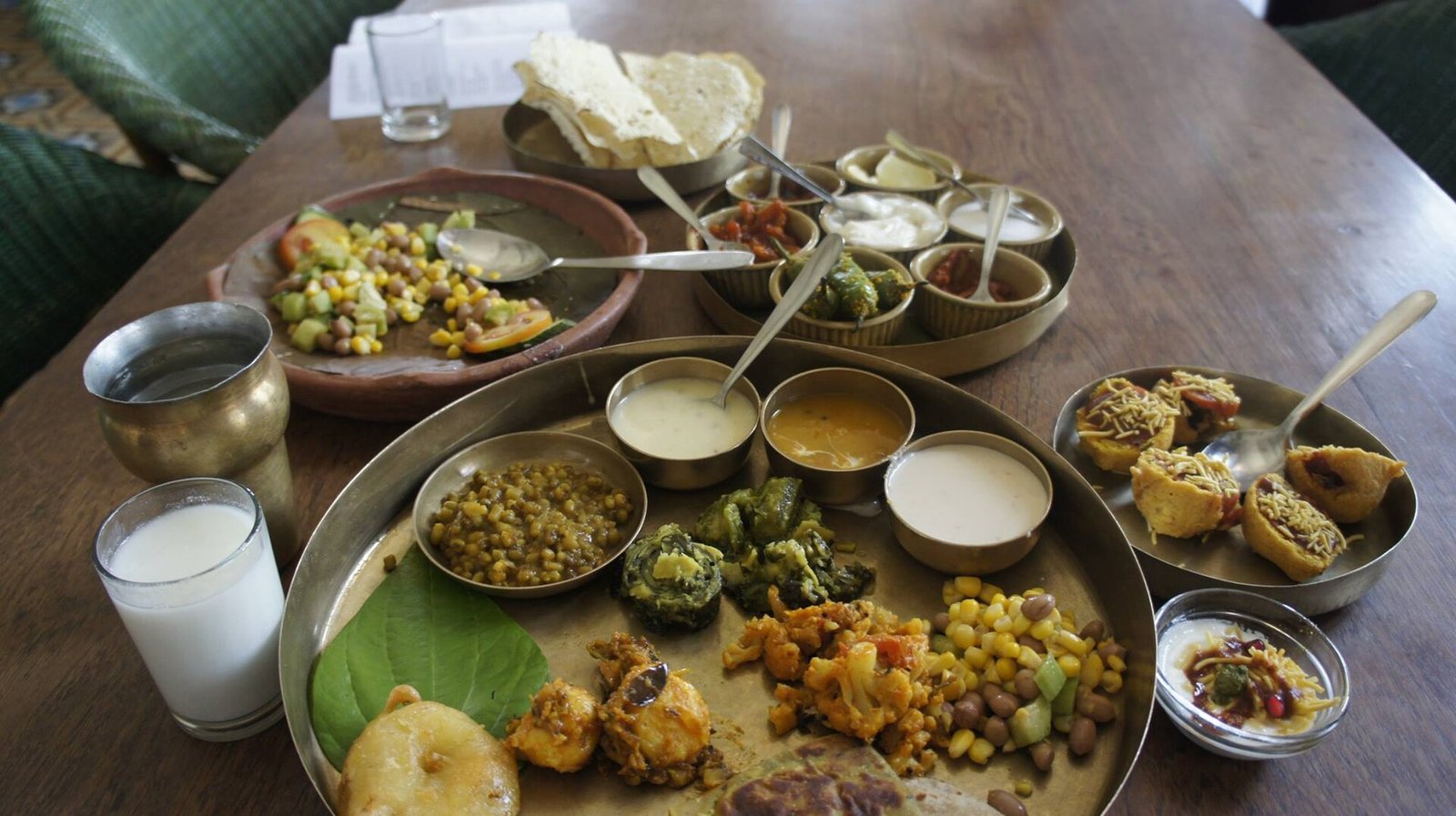
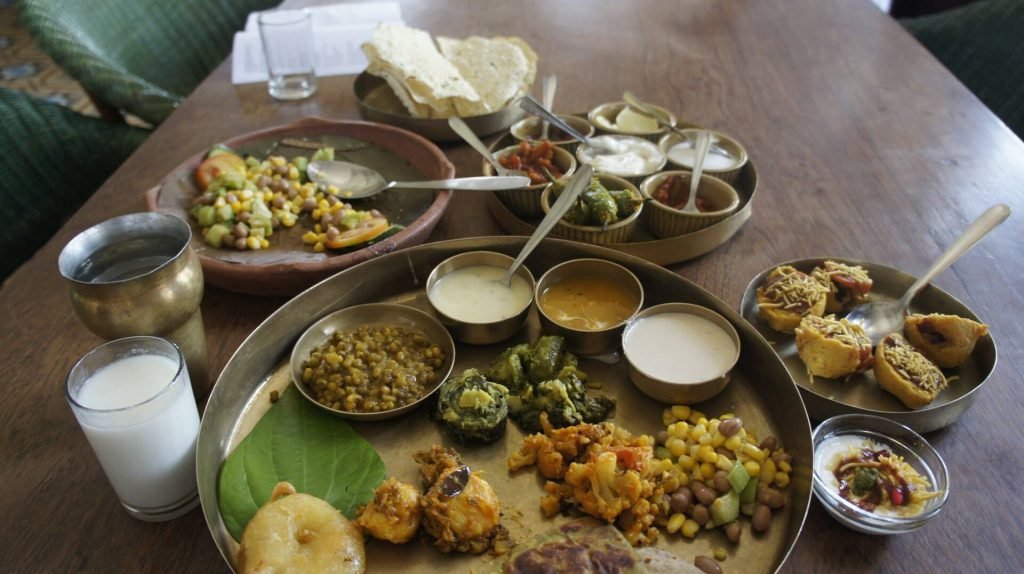
Surti mealsTHALI

Surti meals

Sweet-savoury thalis.

Locho & khamanLOCHO

Locho & khaman

Surat's soft farsan.

Surti street foodSTREET

Surti street food

Ghari, undhiyu & more.

🍽️GOOD TO KNOW

Foodie city

Famous for locho, undhiyu, ghari & ponk.

FREQUENTLY ASKED

Surat Castle FAQ

What is Surat Castle?

Surat Castle (the Old Fort) stands on the bank of the Tapi in the heart of the old city — a sturdy 16th-century stronghold built by the rulers of Gujarat to defend the port of Surat against Portuguese and other raids. In its heyday Surat was one of the richest ports in the world, the great emporium of Mughal India and the chief embarkation point for the Haj, and the castle was its guardian.

Where is it?

On the Tapi riverfront, Surat.

Is there an entry fee?

Check current access.

When should I visit?

October to March, the cool, dry season.

What's nearby?

Surat's fort, beaches, lake and food streets.

How long does it take?

About 45 minutes.

WHERE TO STAY

Find your stay in Gujarat

Compare live prices across the big booking sites and reserve in a few taps. Booking happens securely on the partner's site — we may earn a small commission at no extra cost to you.

📍 DestinationAnywhere in Gujarat 📅 Check-inAdd date 📅 Check-outAdd date 👥 Guests2 adults Search Hotels

Book directly on our partner sites — tap a provider to see live Gujarat hotels & prices:

Affiliate links: prices and availability are shown by our partners. You pay the same price; we may earn a commission that helps keep Gujarat Explorer free.

SHOP THE REGION

Bring home Gujarat — & travel essentials

Hand-picked crafts and trip gear, available on Amazon.

🧵
Patola Silk Scarf
View on Amazon
🪡
Kutch Embroidery
View on Amazon
🎒
Travel Backpack 40L
View on Amazon
🔔
Brass Handicraft
View on Amazon
As an Amazon Associate, Gujarat Explorer earns from qualifying purchases. Product prices and availability are accurate as of the date/time shown on Amazon and are subject to change.
🚕
Book a cab anywhere in Gujarat
Airport transfers, day trips & intercity rides — reserve a comfortable cab, or just ask us on WhatsApp.
Enquiries are passed to independent, licensed local operators. Gujarat Explorer is a facilitator, not the transport provider.
WhatsApp Enquiry

Published 24 June 2026 · Updated 24 August 2026

GE
The Gujarat Explorer Team

We’re an independent group of writers and travellers documenting every corner of Gujarat — one place, plate and festival at a time.