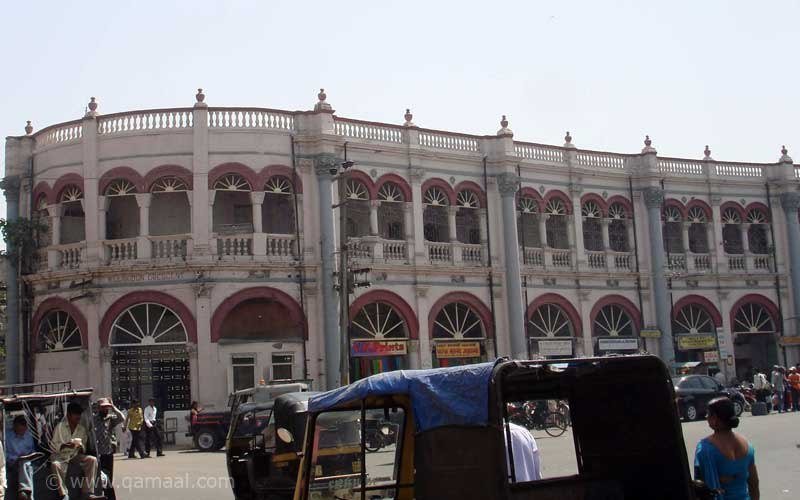
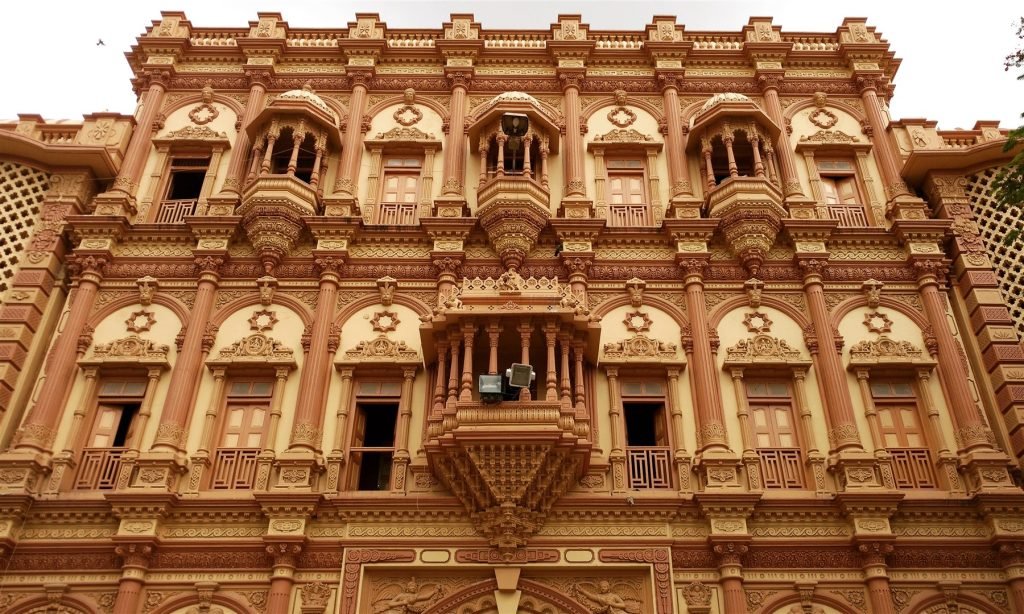
Darbargadh is the historic heart of Jamnagar — the original fortified residence of the Jam rulers of Nawanagar, begun in the 16th century by the city’s founder Jam Rawal and added to over generations. Around its old palace buildings, with their carved stone balconies (jharokhas), arched windows and a blend of Rajput and later colonial design, grew a grand semicircular colonnaded market that still bustles today.
The 2001 earthquake dealt Darbargadh a heavy blow — parts of the old palace complex still stand cracked and propped, and the royal family long ago moved to newer residences — but the semicircular bazaar never missed a trading day. That contrast is the place’s character now: jharokha balconies and carved facades in genteel decay above, and below them the liveliest commerce in Saurashtra — bandhani tie-dye in wedding reds, the brass and bell-metal work that named the Brass City, bangle stalls, silversmiths and spice merchants in their hereditary pitches.
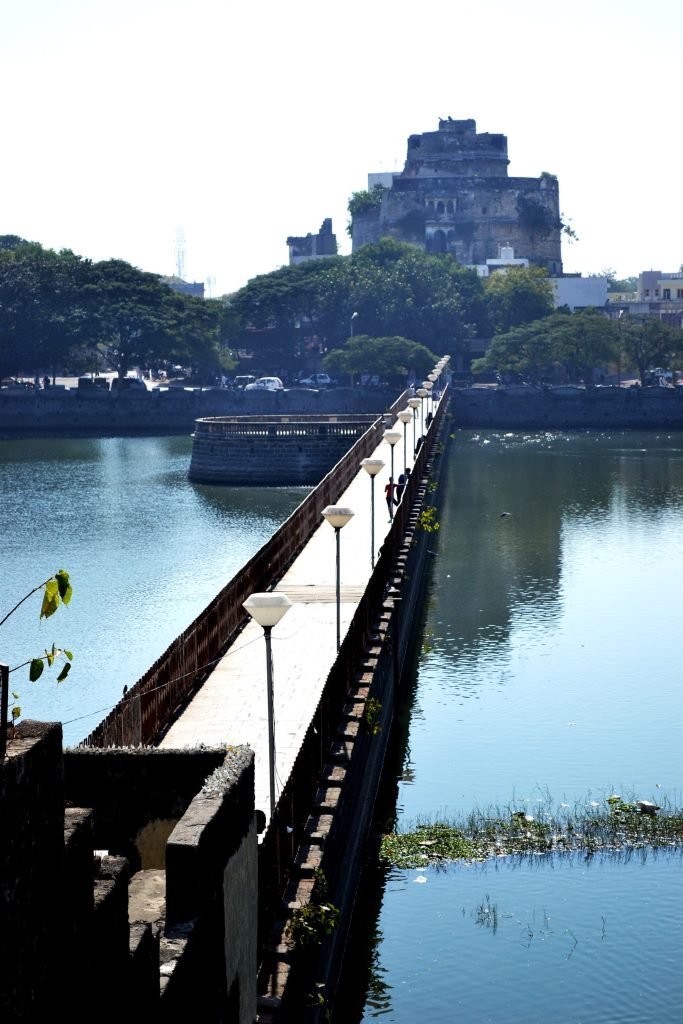
Come in the late afternoon when the arcades fill, bargain gently and buy bandhani where the tying is done in-house — Jamnagar’s is reckoned Gujarat’s finest. The circle pairs with Lakhota Lake’s island fort museum and the Bala Hanuman temple’s round-the-clock chanting a few minutes away, folding into an easy old-city half day. October to March is the kind season, and festival weeks before Diwali turn the arcades incandescent.
Beneath the faded royal façades, the arcades brim with shops selling the city’s famous bandhani (tie-dye), shimmering brassware and stacks of bangles. To wander Darbargadh is to move through living history: old Jamnagar above, a noisy, colourful bazaar below.
It is the best place to feel the spirit of the Jams’ city — and to shop for the crafts that made the Brass City famous.
The colonnaded Darbargadh market.
Royal façades over a living bazaar.
Jam Rawal founds Nawanagar and its Darbargadh palace.
Successive Jams expand the complex with new wings.
A semicircular colonnaded bazaar grows around it.
A living heritage market in the old city.
The old palace of the Jam rulers.
Stone balconies and arched windows.
Bandhani, brass and bangles.
A grand semicircular arcade.
Faded grandeur, lively streets.
The core of historic Jamnagar.
THE MARKETThe arcaded market curves beneath the palace facades.
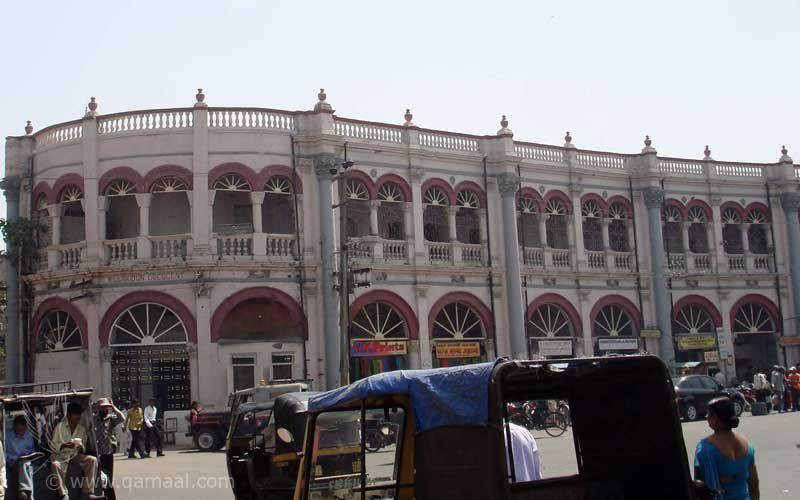
THE PALACECarved façades and balconies.
JHAROKHASStone jharokhas above the shopfronts.
CRAFTSTie-dye, brassware and bangles.
ARCADESRepeated arches sheltering the shops.
OLD CITYThe noisy, colourful core of Jamnagar.
Stroll the colonnaded market.
Admire the carved jharokhas above.
Browse the famous tie-dye.
Jamnagar's signature craft.
Feel the living old-city energy.
Walk on to the lake nearby.
Arches and balconies of the old seat.
Darbargadh layers several eras of building. The older royal cores show Rajput-style stonework — carved jharokha balconies, brackets and arched openings — while the great market that wraps around it reflects a later, semicircular colonial arcaded plan, its repeated arches sheltering the shops below.
Weathered and lived-in, the complex is less a single monument than an evolving piece of the city, where royal residence and public bazaar have grown together over four centuries.
The rest of the district is covered in our Jamnagar travel guide.
16th-century royal core
Carved jharokha balconies
Semicircular colonnaded market
Rajput-and-colonial blend
Cool and pleasant — the best season to explore Jamnagar.
Lush and green; the wetlands and lakes brim with birds.
Hot and dry — sightsee early or late in the day.
⏰ Go in the morning or early evening when the bazaar is liveliest, and look up for the carved balconies.
Jamnagar Airport is nearby.
Jamnagar station, then a short ride.
In the old city, walkable from Lakhota lake.
ARCH & BALCONY
The colonnaded arcades and shopfronts.
Carved jharokhas and arched windows.
Bandhani, bangles and brassware.
Ask before photographing people.
Quiet shores & flamingo-rich mudflats
Lanes of gleaming hand-beaten brassware
◐ Golden hour · the flats
HERITAGEA historic fortified tower & water system
An old lakeside Shiva temple
MARINE PARKIndia’s first — corals, islands & sea life
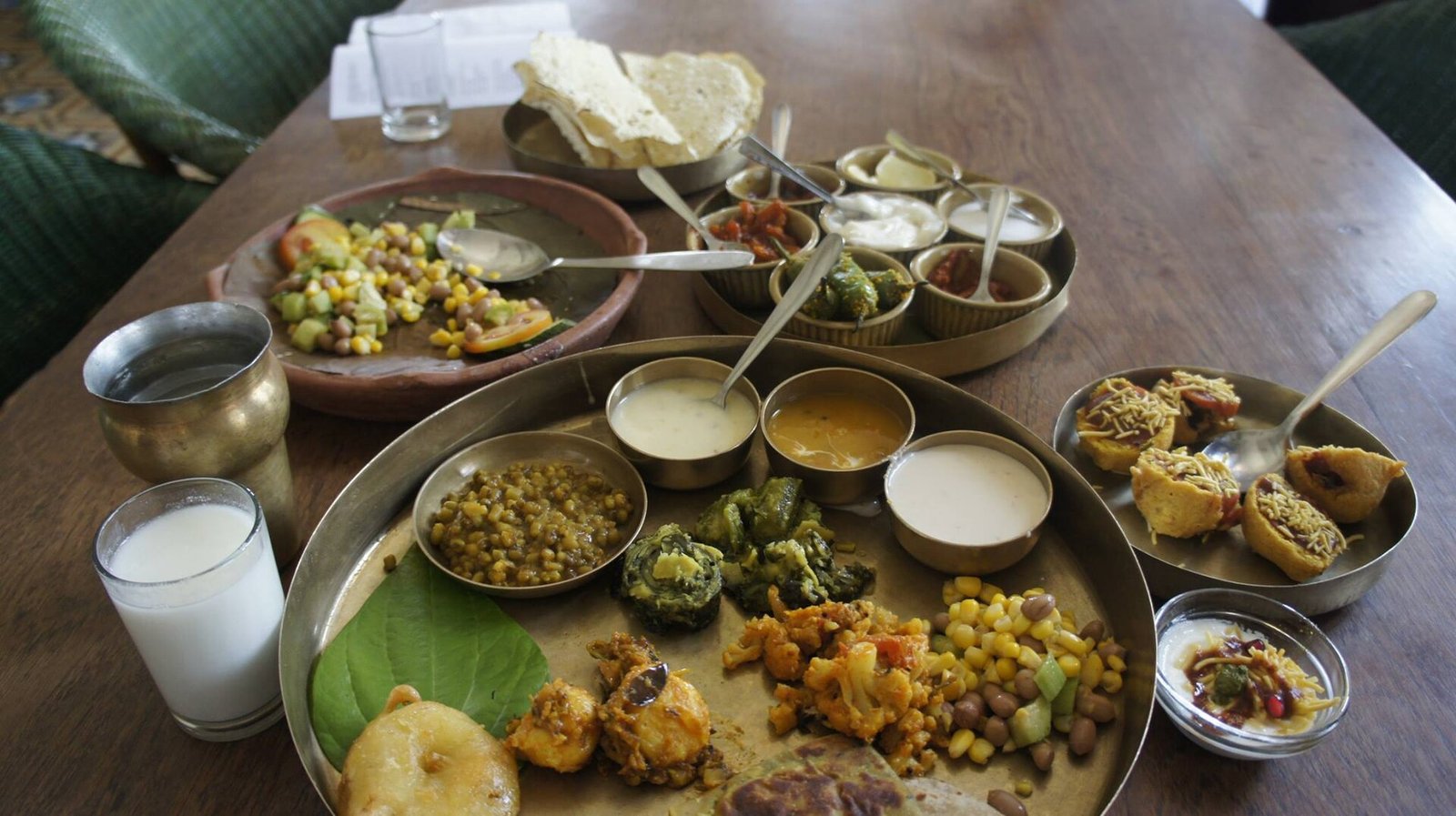
THALIRotla, kadhi, shaak and ghee-rich fare.
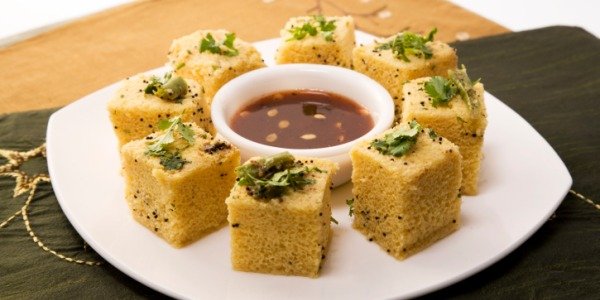
SNACKSGathiya and farsan, a Saurashtra staple.
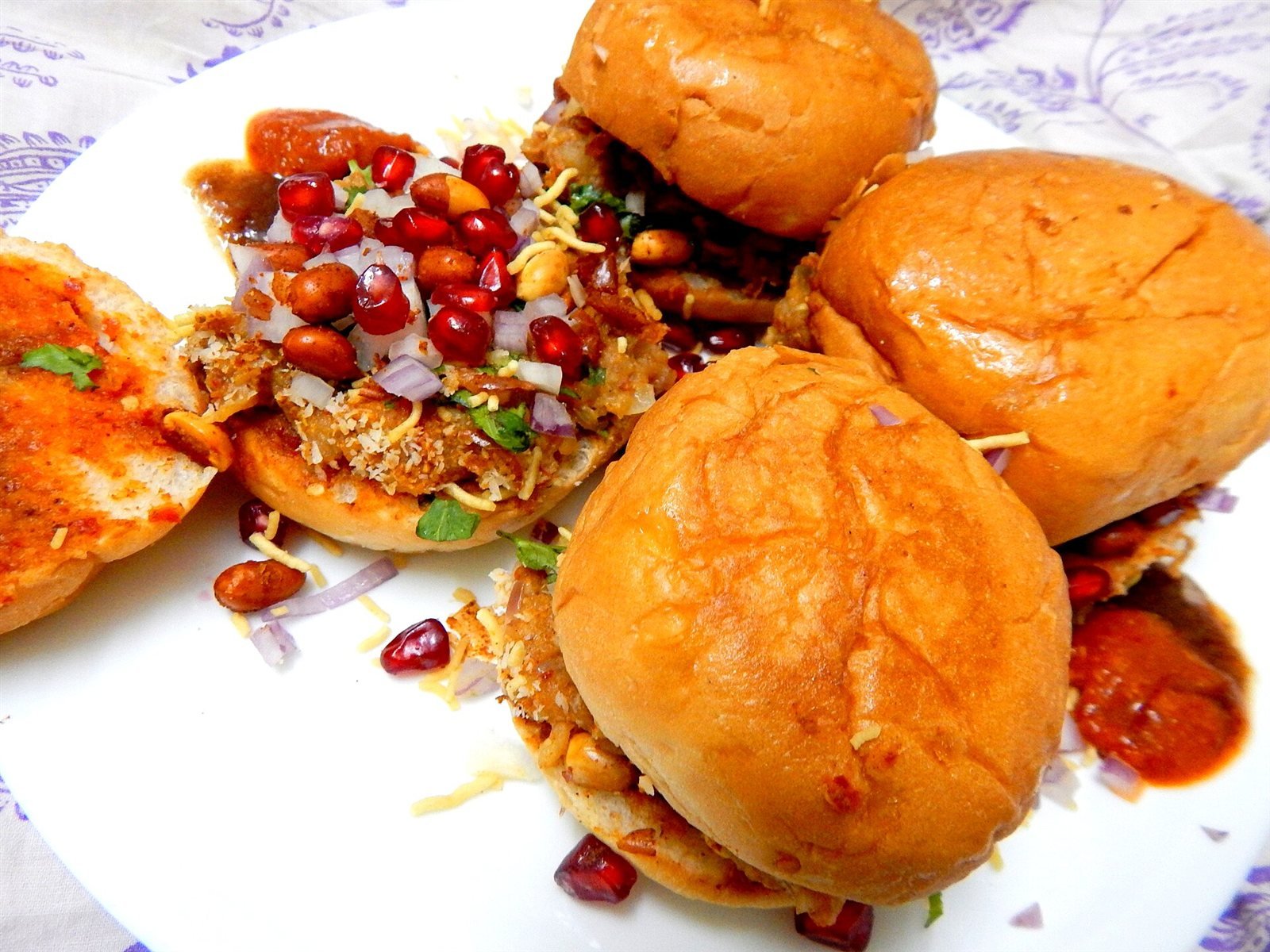
STREET FOODThe old city's bustling bazaar snacks.
Jamnagar's food is largely vegetarian.
The old royal palace complex of the Jam rulers of Nawanagar, with a colonnaded market around it.
Jam Rawal, founder of Jamnagar, in the 16th century.
Bandhani (tie-dye), brassware and bangles — the city's famous crafts.
No — the market streets are free to wander.
Rajput-style carved balconies with a later semicircular colonnaded market.
Morning or early evening, when the bazaar is liveliest.
Yes — it's near Lakhota lake in the old city.
Carved jharokhas above the shopfronts.

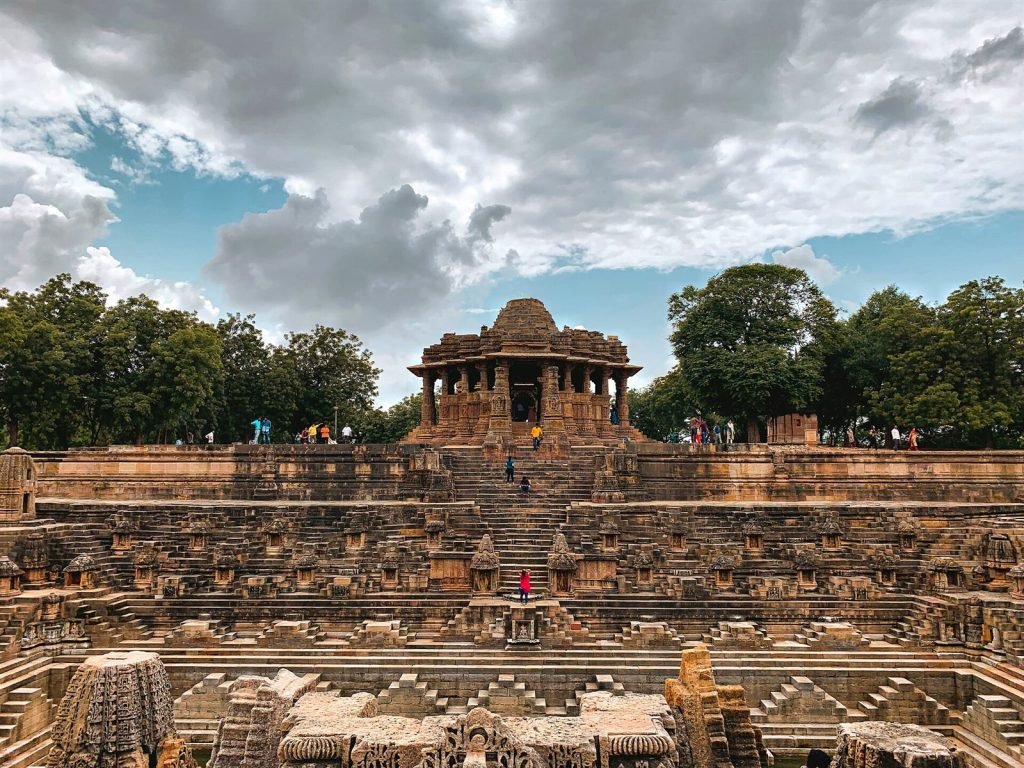
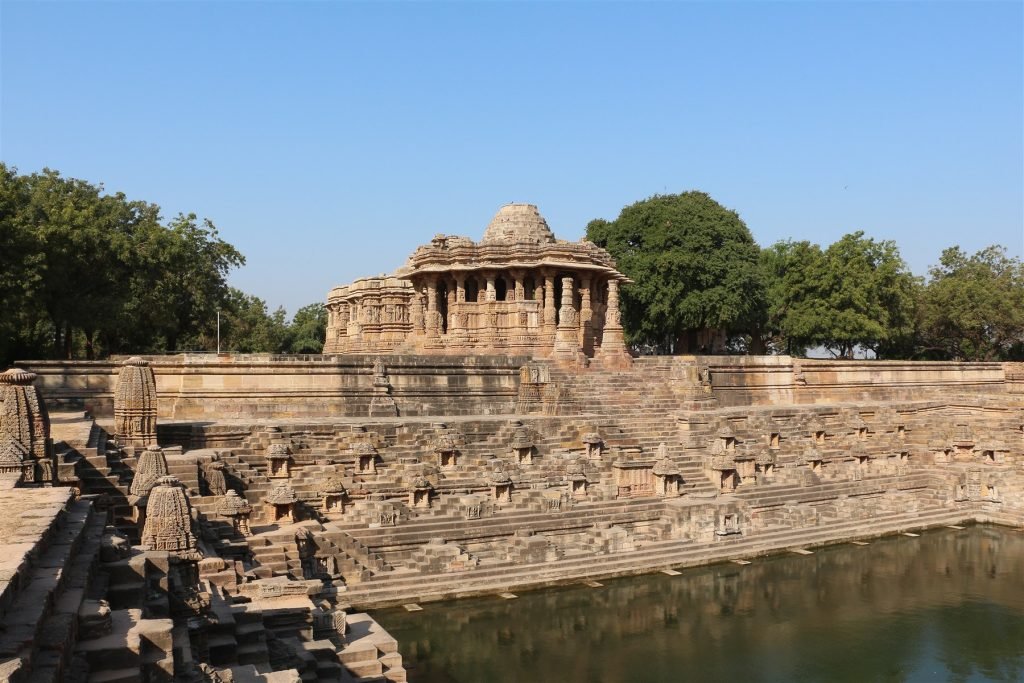
India’s finest 11th-century solar temple
◐ Dawn · the temple-city
A planetarium by the Porbandar shore
A sacred natural spring tucked into the forest

The UNESCO-listed sultanate capital below Pavagadh hill, where an intact 15th-century city of mosques, gateways and…
A grand BAPS Swaminarayan mandir at Salangpur — a serene marble-and-stone complex of carved shrines, gardens…
WHERE TO STAY
Compare live prices across the big booking sites and reserve in a few taps. Booking happens securely on the partner's site — we may earn a small commission at no extra cost to you.
Book directly on our partner sites — tap a provider to see live Gujarat hotels & prices:
SHOP THE REGION
Hand-picked crafts and trip gear, available on Amazon.
Published 24 June 2026 · Updated 24 August 2026
We’re an independent group of writers and travellers documenting every corner of Gujarat — one place, plate and festival at a time.
Search Gujarat Explorer
Find places, food, festivals and travel guides across Gujarat
Press Enter to search — or Esc to close
Plan Your Trip
Gujarat Explorer is an independent travel guide. We’re happy to help you shape an itinerary and point you to the right places, stays and experiences across Gujarat.
Book a Cab