In the north of Mehsana district, where the Sabarmati river emerges from the Aravalli foothills, lies the Dharoi Dam — a large dam and reservoir built for irrigation and water supply that has become a scenic getaway. Set amid low hills, the wide blue reservoir is fringed by viewpoints and is being developed for tourism with boating, water sports and nature trails as part of a wider plan to make it an eco-and-adventure destination.
The surrounding area, near the forested hills and the upper Sabarmati’s ancient sites, offers birdlife, sunsets over the water and a refreshing change of scenery from the plains. For travellers in north Gujarat, Dharoi Dam is a pleasant natural detour — especially attractive after the monsoon when the reservoir is full and the hills are green.
(A public dam/reservoir area; some zones may be restricted.)
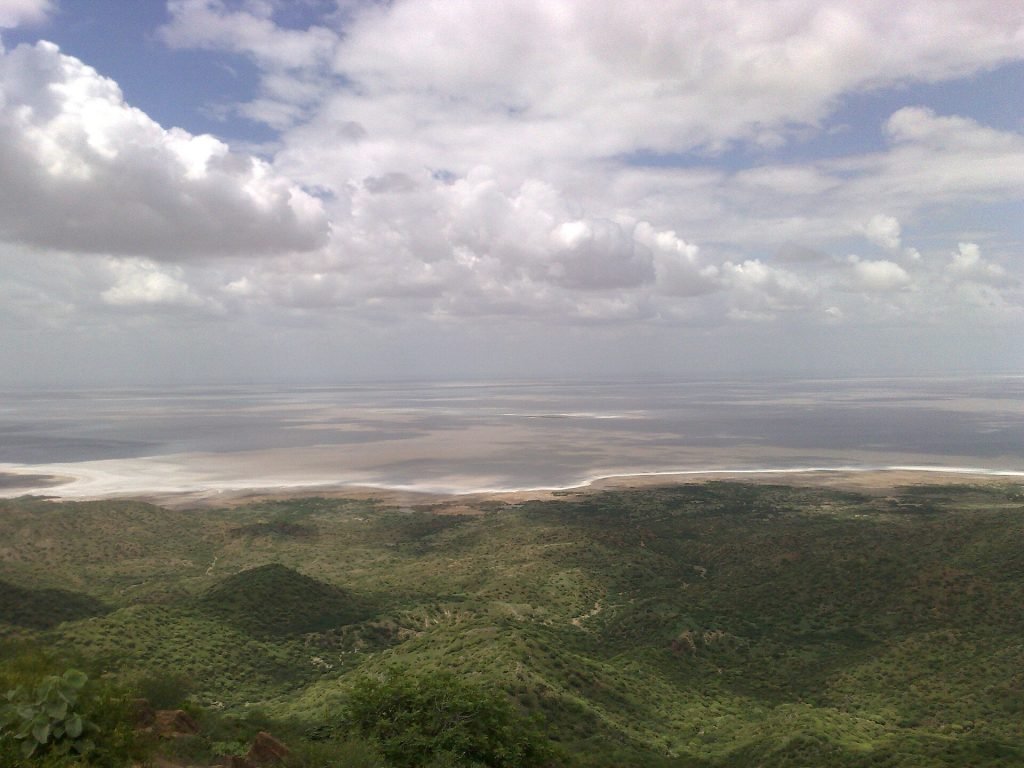
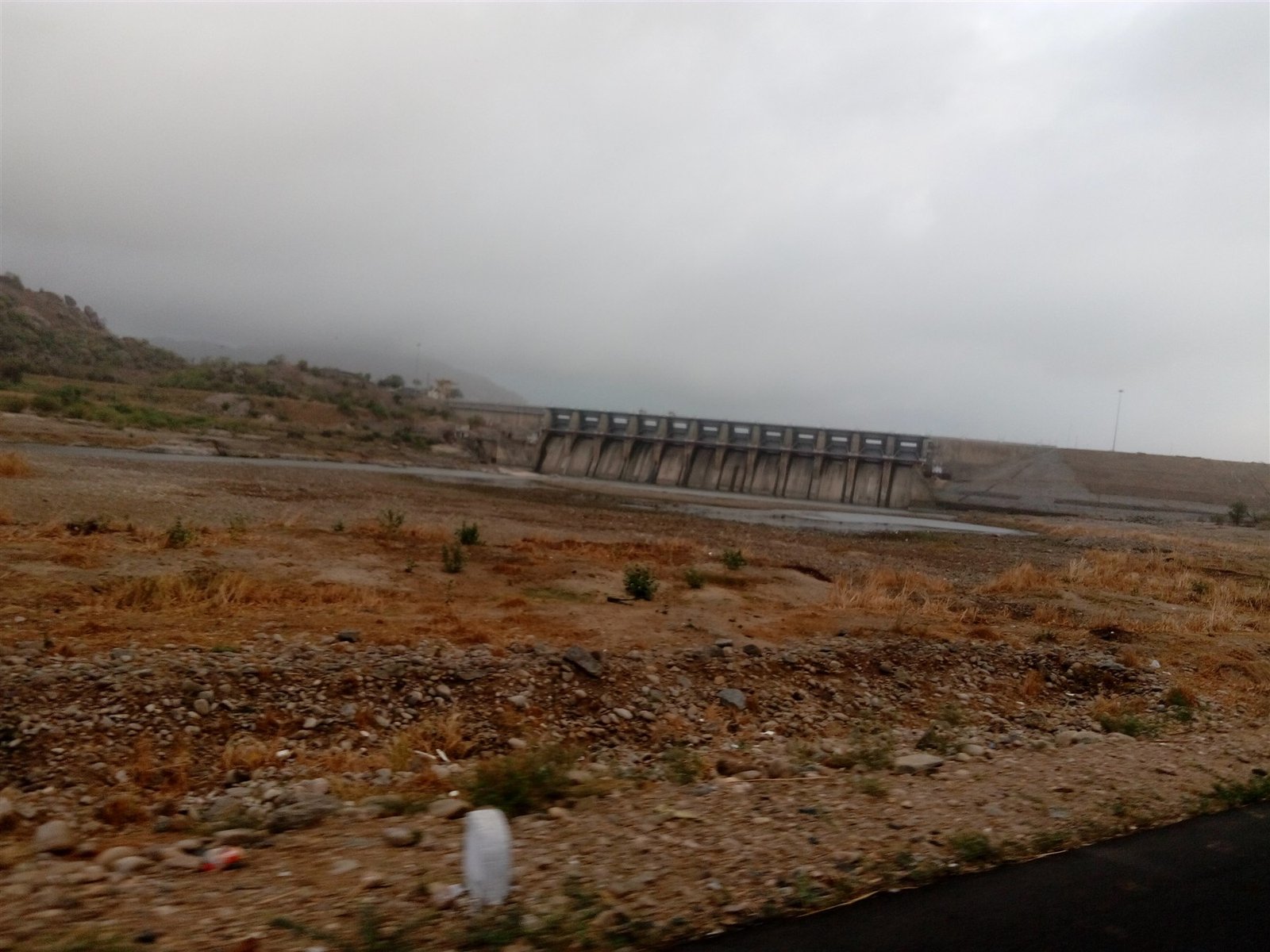
The Dharoi reservoir.
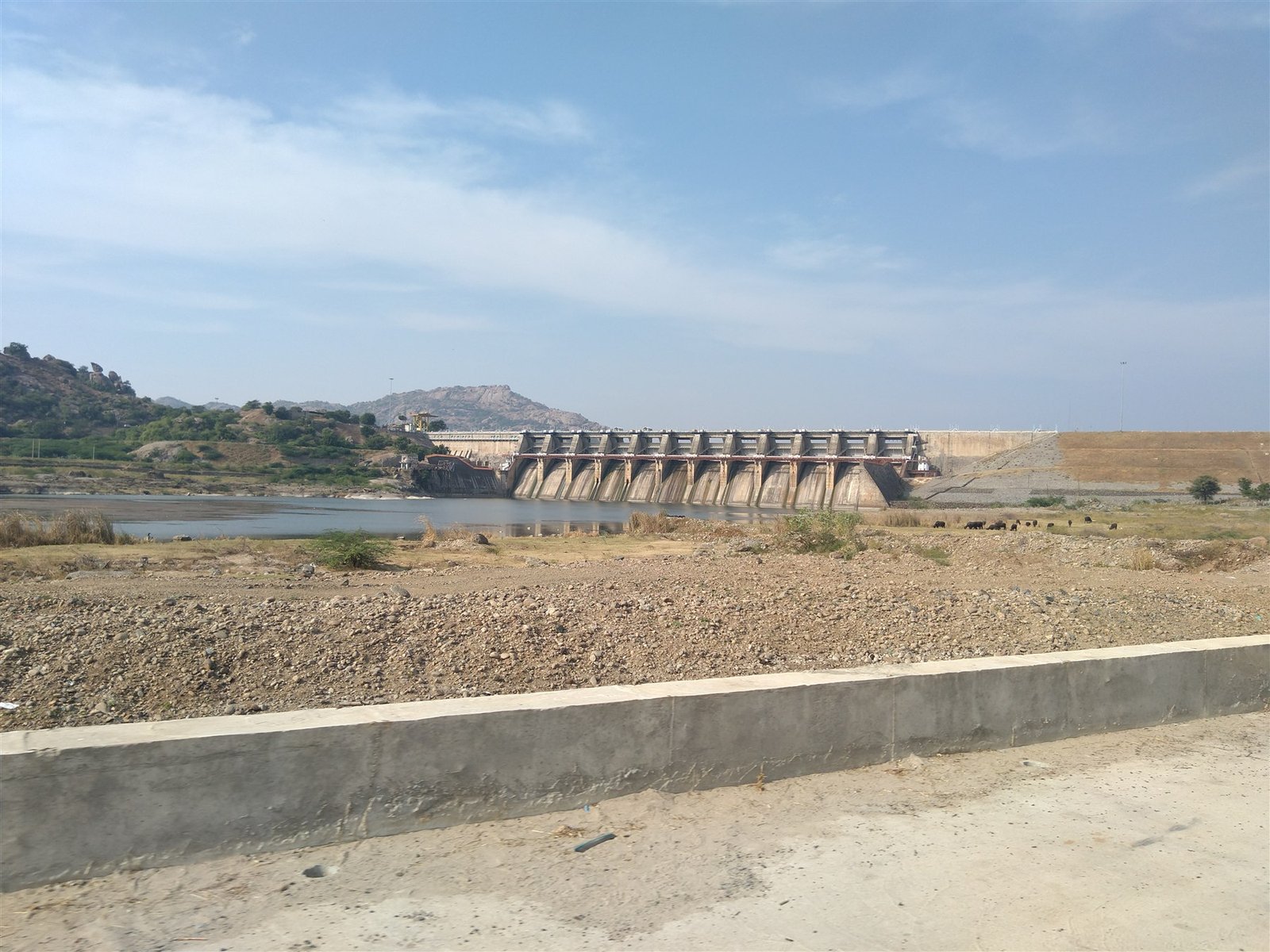
Dharoi Dam in the hills.
Dharoi Dam is built on the Sabarmati.
It supplies water and irrigation.
Hills and water make it a getaway.
Being developed for eco-tourism.
The reservoir spreads wide behind the dam, and its scale against the low hills is the reason the site works as scenery at all.
This is where the Sabarmati comes out of the Aravalli foothills, so the country is hillier and greener than most of Mehsana district.
Boating and water-sport facilities have been added, though availability varies with the season and the water level.
Waders work the shallows and the reservoir draws migratory birds through the winter months.
Viewpoints around the rim look out over the water to the hills beyond, best in the clear air after the rains.
It is still an emerging destination rather than an established one, with facilities being built out under a wider tourism plan.
THE DAMA large irrigation reservoir on the Sabarmati, held back among low hills.
THE SETTINGThe Aravalli foothills that ring the water and give the site its setting.
Take in the reservoir from one of the viewpoints on the rim, where the water and hills read together.
Ask about boating on the day; operations run seasonally and depend on the level behind the dam.
Watch the shallows for waders, and for migratory birds through the winter.
Walk a stretch of the shoreline, which is quiet on weekdays and largely undeveloped.
Look out to the Aravalli foothills, which are what separate this from an ordinary irrigation reservoir.
Come when the reservoir is full and the hills are green — roughly September to February.
The Dharoi reservoir & hills.
Dharoi Dam is a large reservoir on the Sabarmati where the river meets the Aravalli foothills in northern Mehsana — built for irrigation and water supply, now a scenic getaway being developed with boating, water sports and nature trails. Fringed by low hills with birdlife and sunsets, it is loveliest after the monsoon when full and green. (A public reservoir; some zones may be restricted.)
For everything else the district holds, see our Mehsana travel guide.
Reservoir on the Sabarmati
In the Aravalli foothills
Boating & water sports
Birdlife & sunsets
November to February is best: comfortable weather, a full reservoir and the peak of the migratory bird season.
The monsoon fills the dam and greens the surrounding hills, though access roads can be rough in heavy rain.
April to June is hot and the water level drops noticeably; there is little shade around the rim.
⏰ Visit after the monsoon (Oct–Feb) when the reservoir is full and the hills are green; sunsets over the water are lovely.
Ahmedabad airport (~120 km).
Mehsana / Vijapur railheads.
Northern Mehsana, near Satlasana.
WATER & HILLS
The reservoir.
The fringing hills.
Waterbirds.
Sunset over the lake.
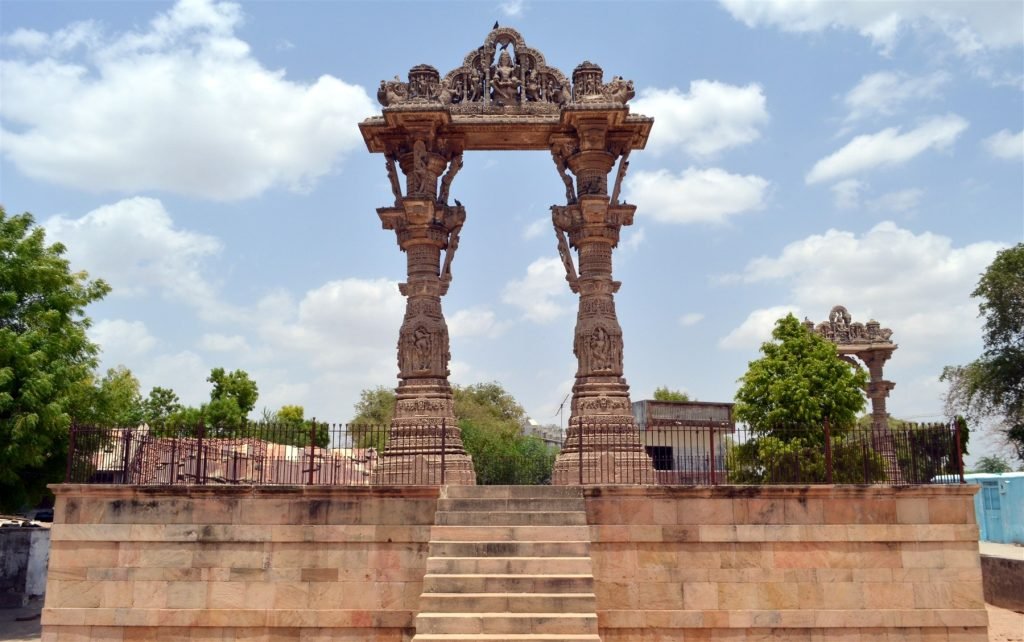
HERITAGESoaring 12th-century ceremonial arches
STEPWELLGateway to Patan’s Rani ki Vav & Adalaj
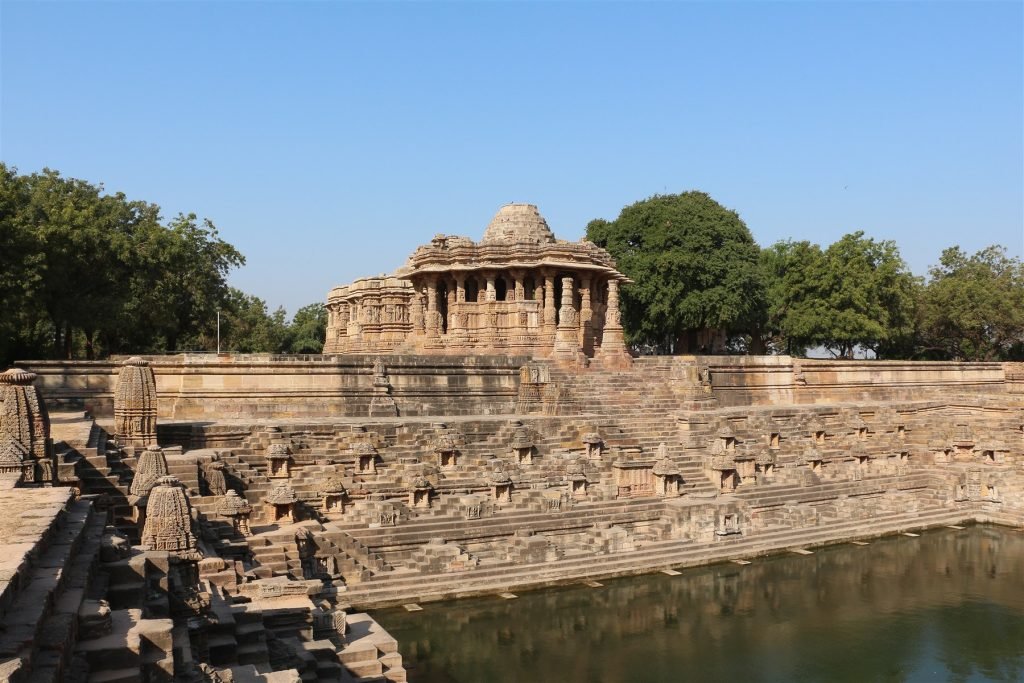
India’s finest 11th-century solar temple
DAIRYThe milk-rich heartland behind Amul
ANCIENTBuddhist monastery & 2,000 years of history
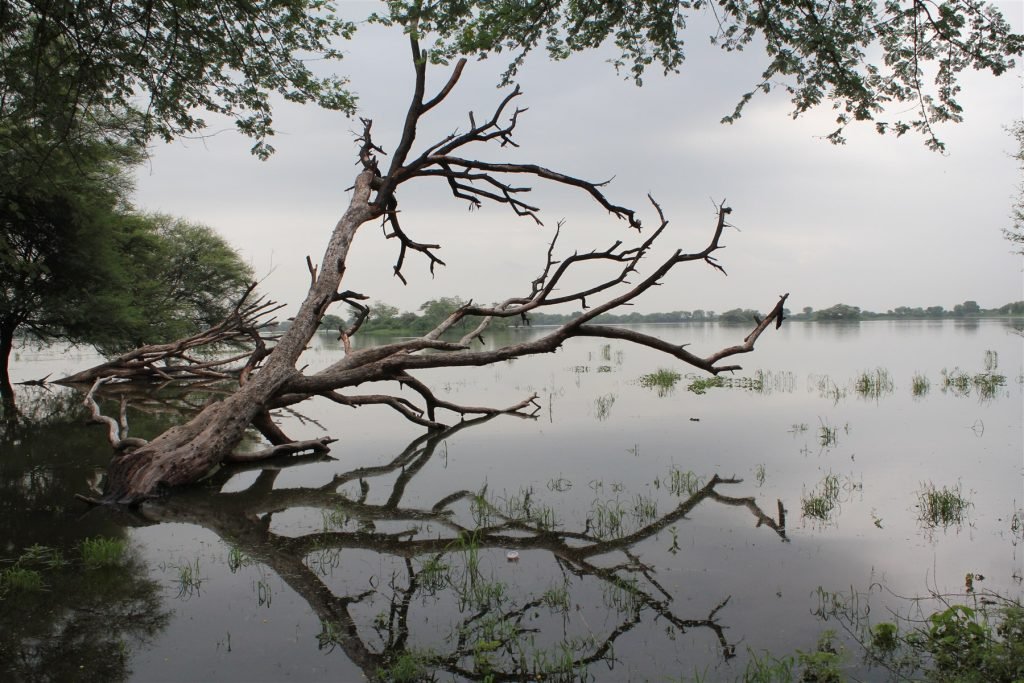
BIRD LAKEA wetland sanctuary of flamingos & pelicans
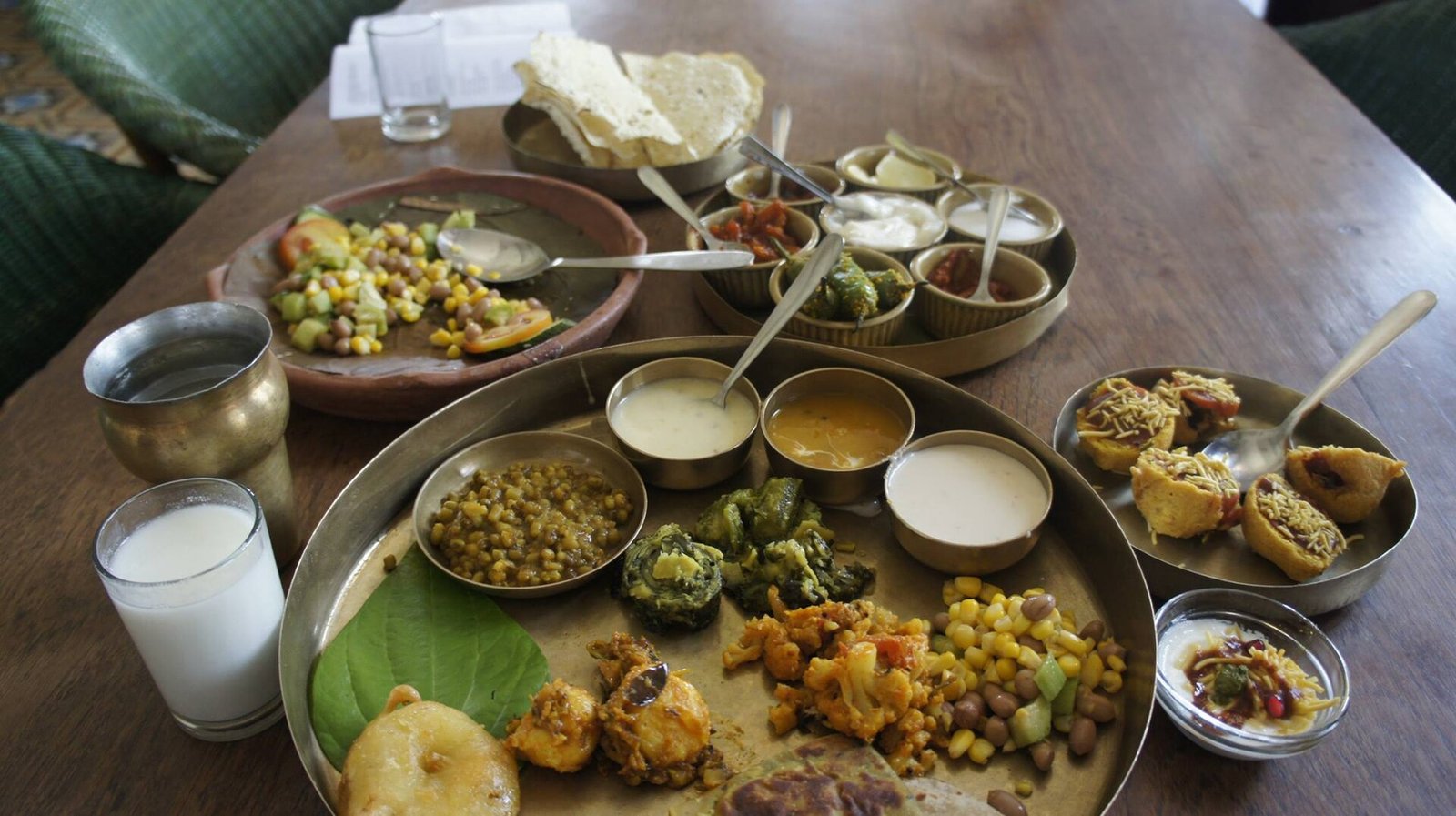
THALISweet-savoury full meals.
FARSANSteamed and fried snacks.
STREETLively market fare.
Home of Dudhsagar Dairy & milk sweets.
A large reservoir on the Sabarmati in northern Mehsana, set in the Aravalli foothills.
Enjoy views, boating and water sports, birdwatching and sunsets.
After the monsoon (Oct–Feb), when the reservoir is full and the hills green.
Open areas are free; some dam zones may be restricted.
In northern Mehsana, near Satlasana.
Taranga, Vadnagar and Ambaji.
Yes — birdlife, hills and water, an emerging eco-spot.
A half day.
NATUREA 300-year banyan island in the Narmada
A thousand years of grinding stone — the agate workshops of Khambhat, where craftsmen still use…
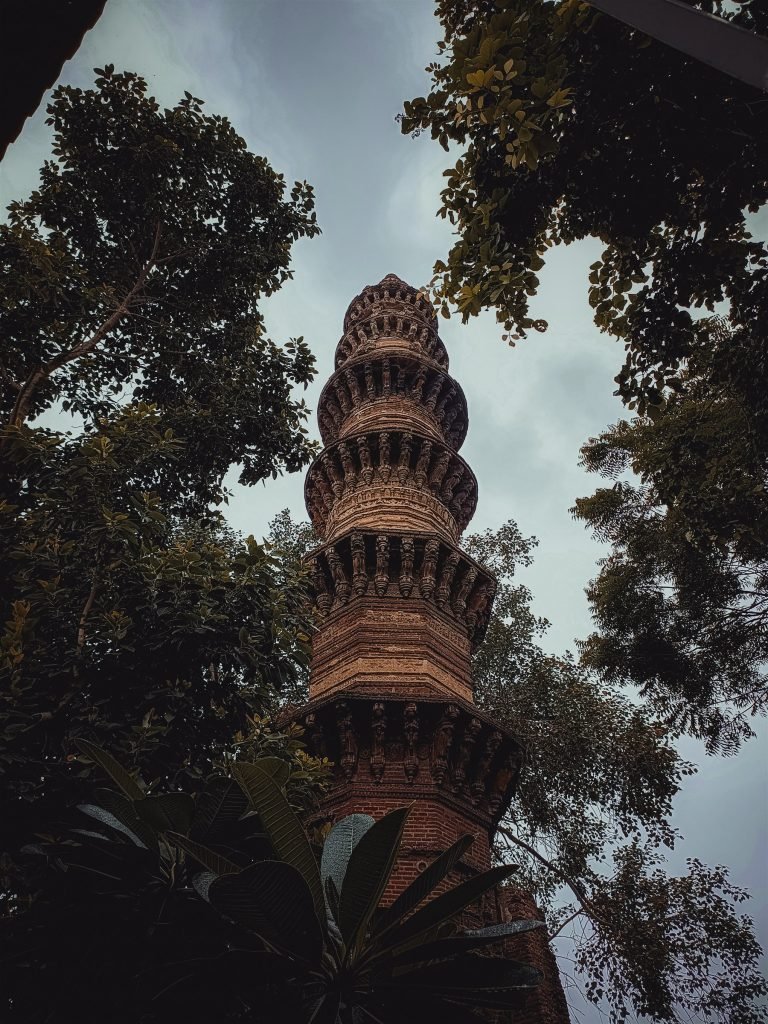
CURIOSITYThe mysterious ‘shaking minarets’
WONDERWorld’s largest salt desert, glowing under the full moon
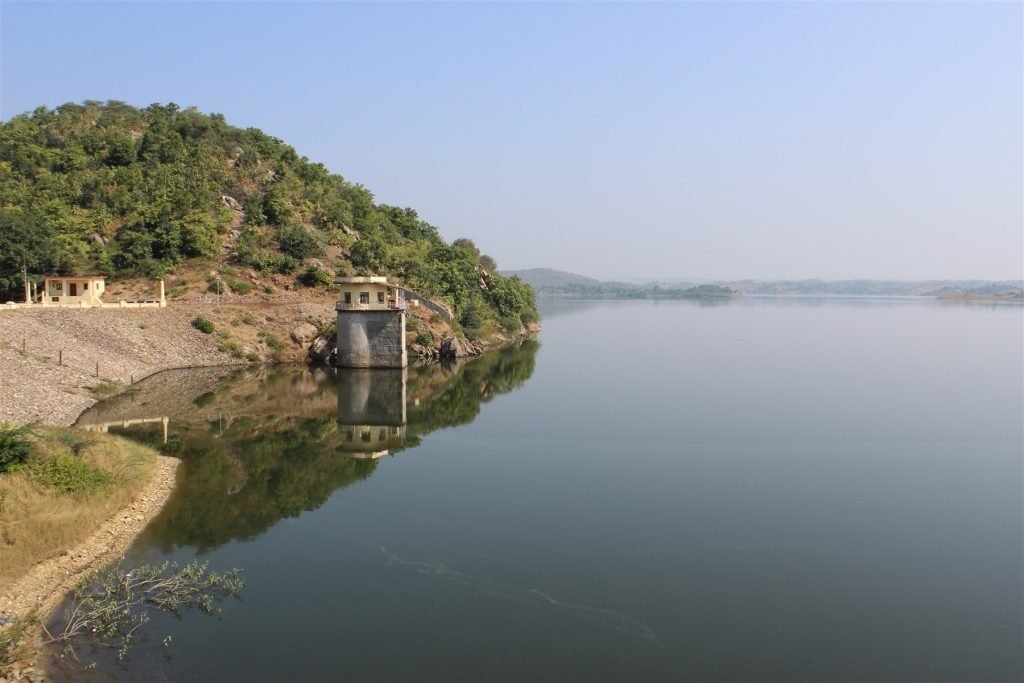
Dawn on a Gujarat reservoir — Meshvo at first light, when the Aravalli hills reflect gold…
ANCIENTAn older, atmospheric living shrine
WHERE TO STAY
Compare live prices across the big booking sites and reserve in a few taps. Booking happens securely on the partner's site — we may earn a small commission at no extra cost to you.
Book directly on our partner sites — tap a provider to see live Gujarat hotels & prices:
SHOP THE REGION
Hand-picked crafts and trip gear, available on Amazon.
Published 24 June 2026 · Updated 24 August 2026
We’re an independent group of writers and travellers documenting every corner of Gujarat — one place, plate and festival at a time.
Search Gujarat Explorer
Find places, food, festivals and travel guides across Gujarat
Press Enter to search — or Esc to close
Plan Your Trip
Gujarat Explorer is an independent travel guide. We’re happy to help you shape an itinerary and point you to the right places, stays and experiences across Gujarat.
Book a Cab