Home › Districts › Kutch
✦ DISTRICT TRAVEL GUIDEKutch
The world's largest salt desert.
Kutch is one of Gujarat's 33 districts — explore its destinations, culture, food, heritage, wildlife and hidden gems in this complete travel guide.
REGION
Kutch
POPULATION
—
AREA
—
BEST TIME
Nov – Feb
FAMOUS FOR
White Rann & crafts
 VIEWPOINT
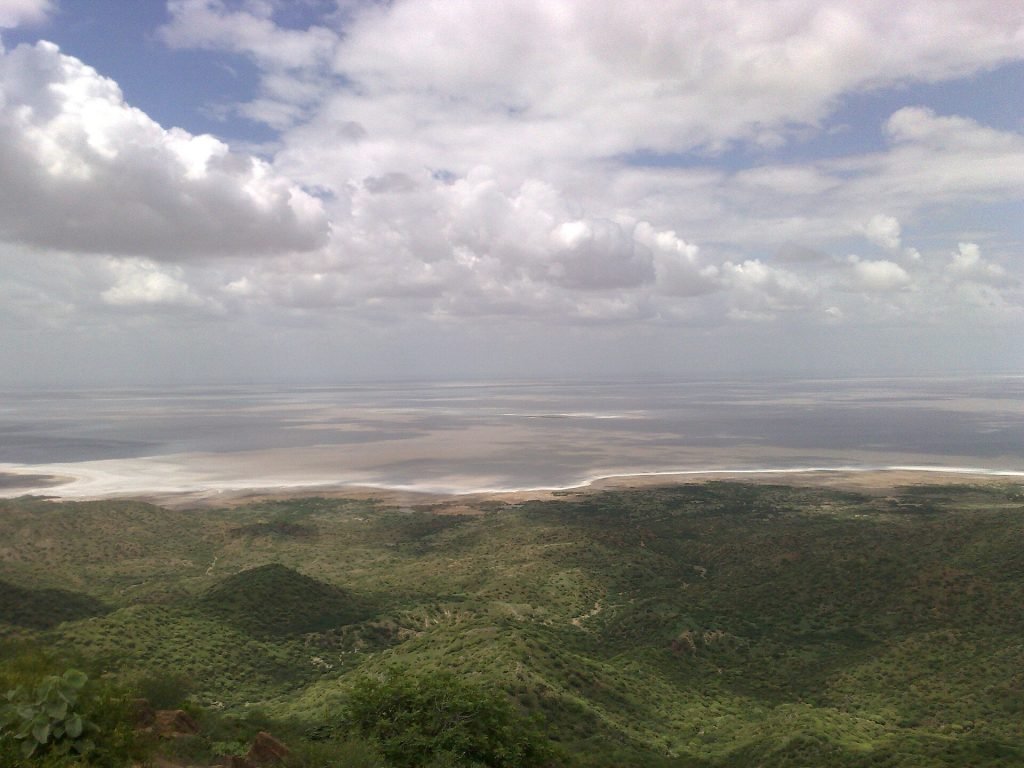
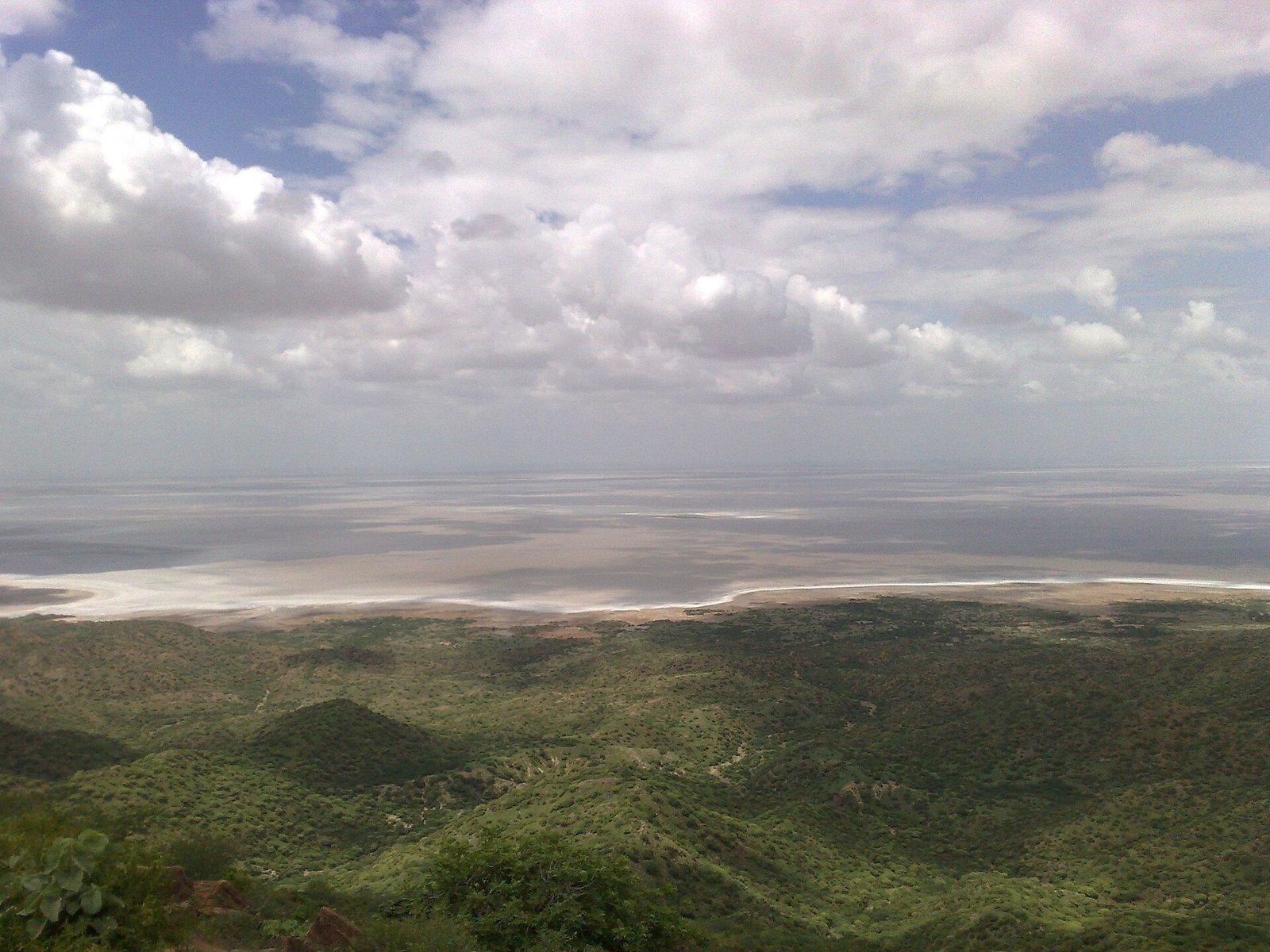
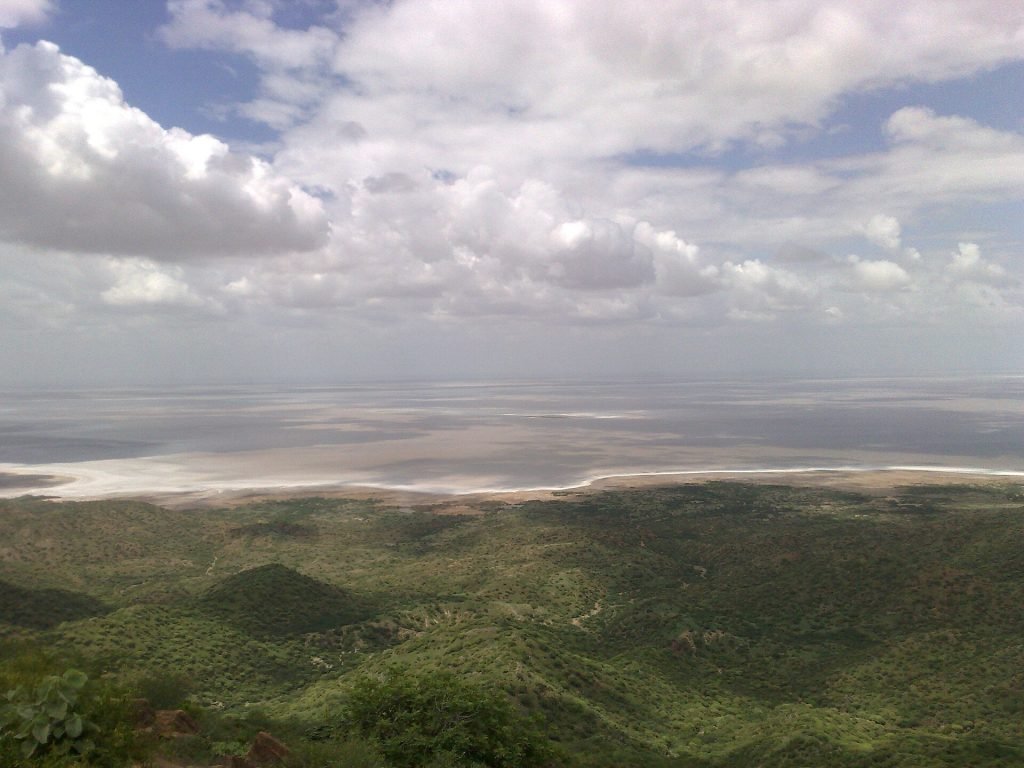
Kalo Dungar
Kutch’s highest point, gazing over the white Rann
VIEWPOINT
Kalo Dungar
Kutch’s highest point, gazing over the white Rann
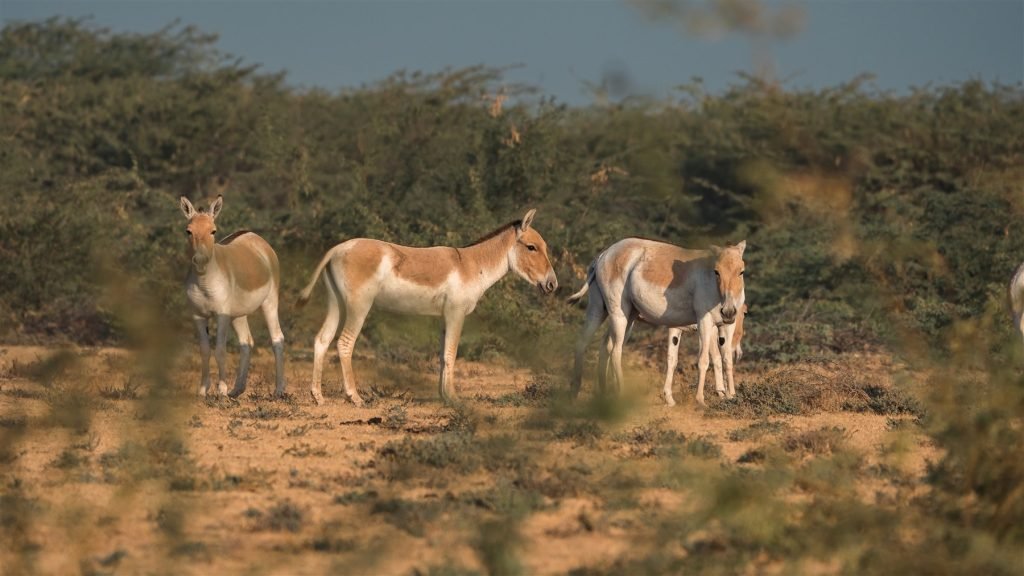 WILDLIFE
Wild Ass Sanctuary
The last refuge of the Indian khur
WILDLIFE
Wild Ass Sanctuary
The last refuge of the Indian khur
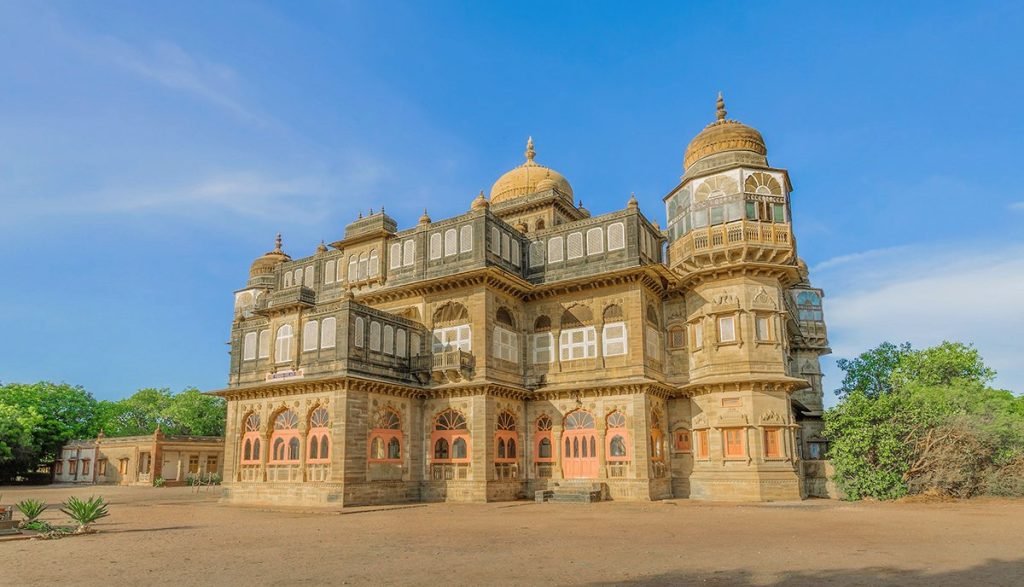 CRAFTS
Vijay Vilas Palace
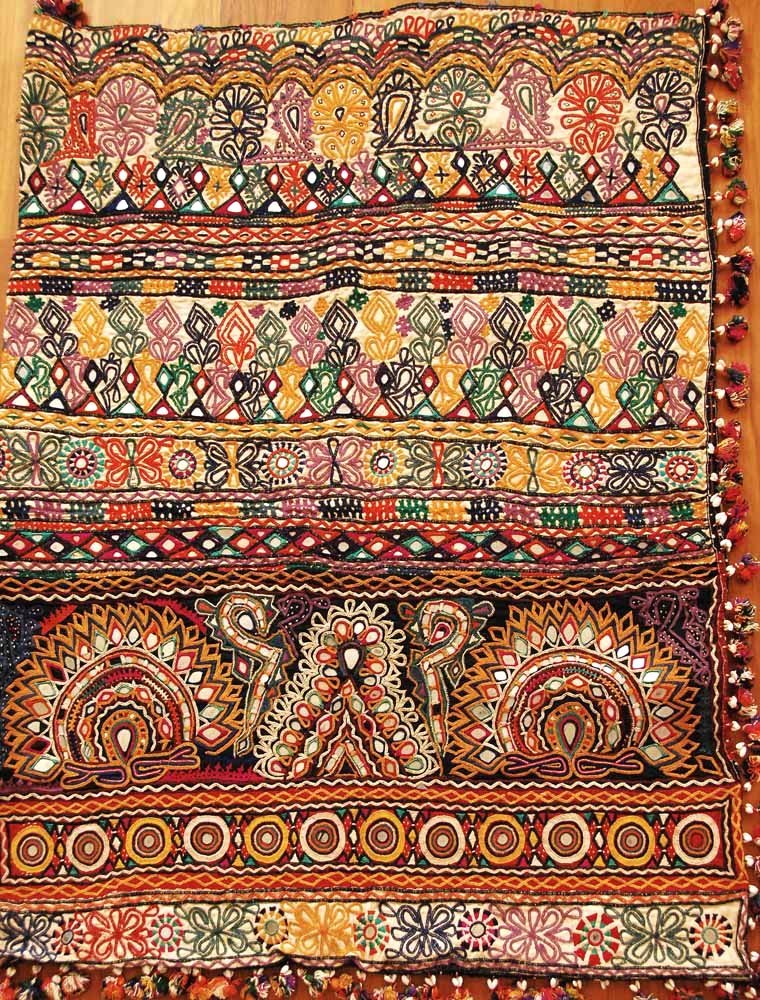
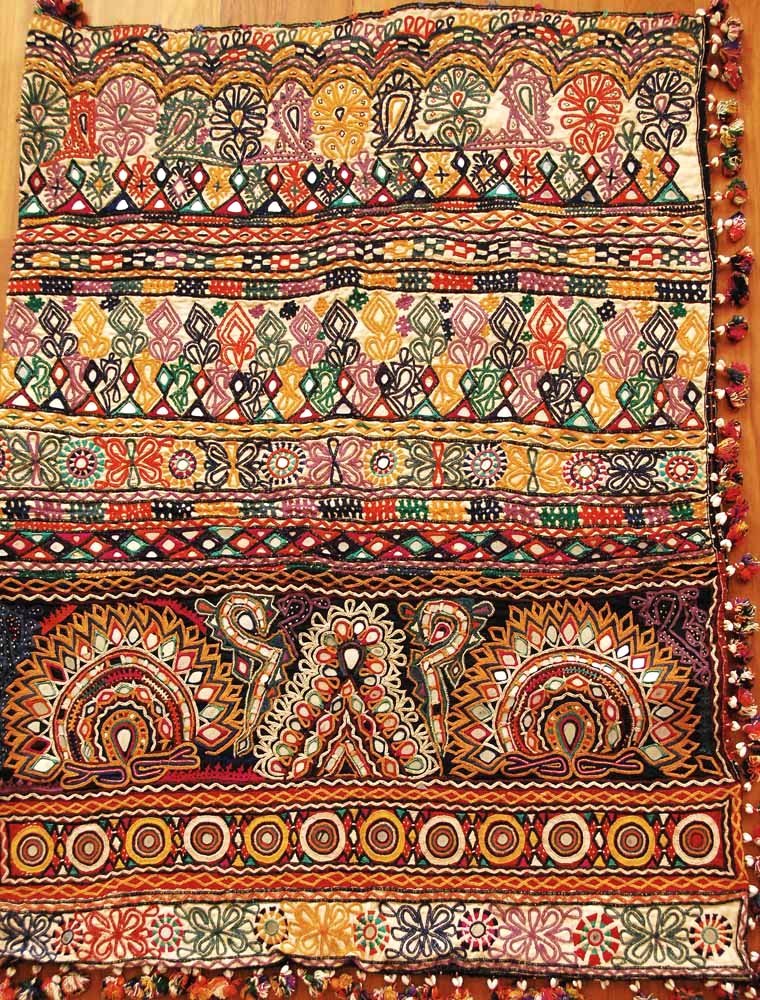
Living villages of weaving & mirror embroidery
CRAFTS
Vijay Vilas Palace
Living villages of weaving & mirror embroidery
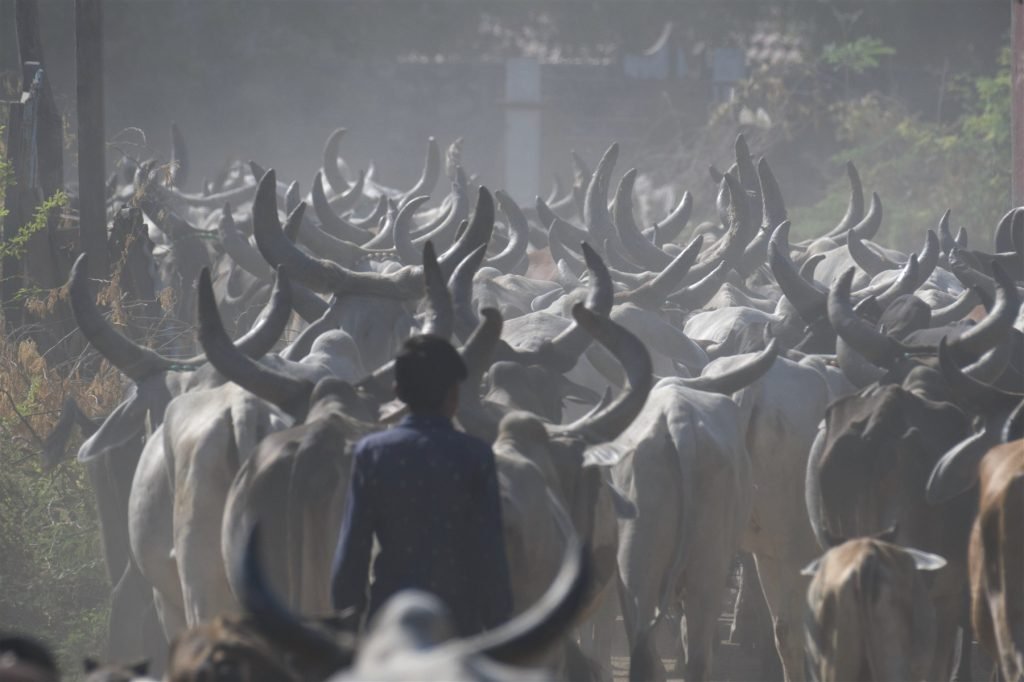 WILDLIFE
Banni Grasslands
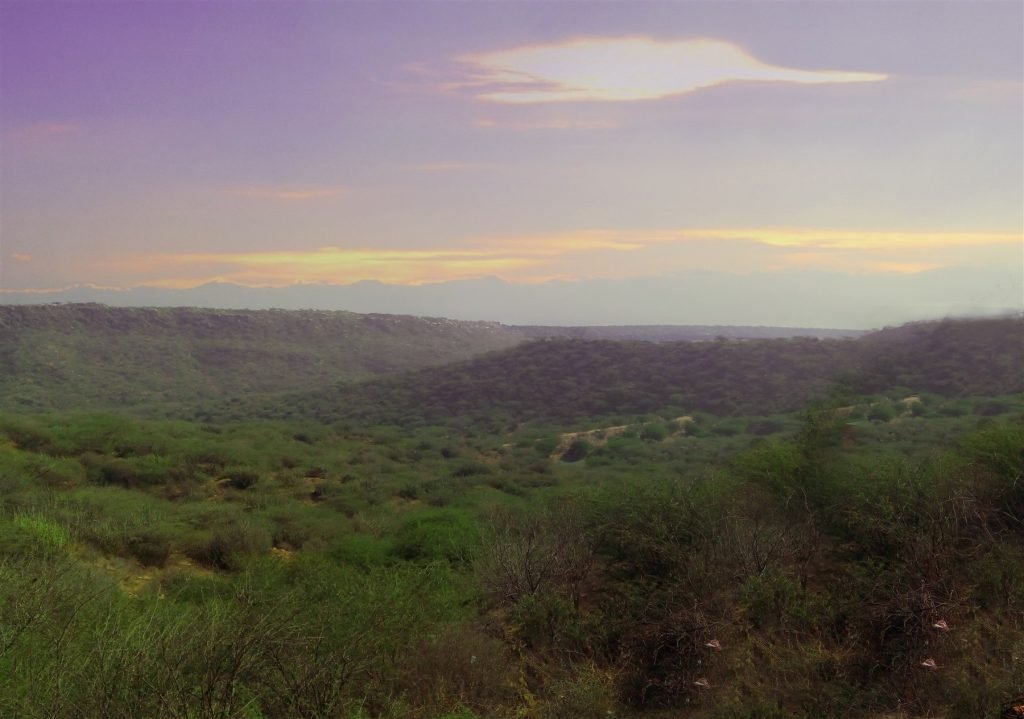
Asia’s finest grassland — birds, wildlife & herders
WILDLIFE
Banni Grasslands
Asia’s finest grassland — birds, wildlife & herders
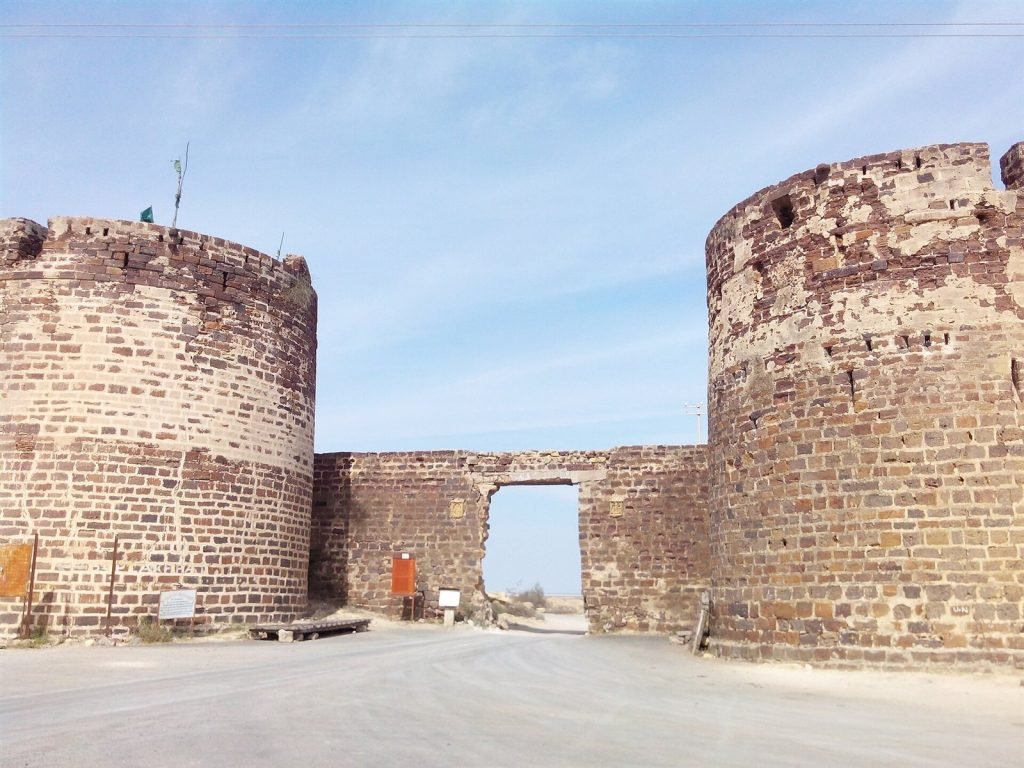 FORT
Lakhpat Fort
A walled ghost-town on the edge of the Rann
FORT
Lakhpat Fort
A walled ghost-town on the edge of the Rann
 PALACE
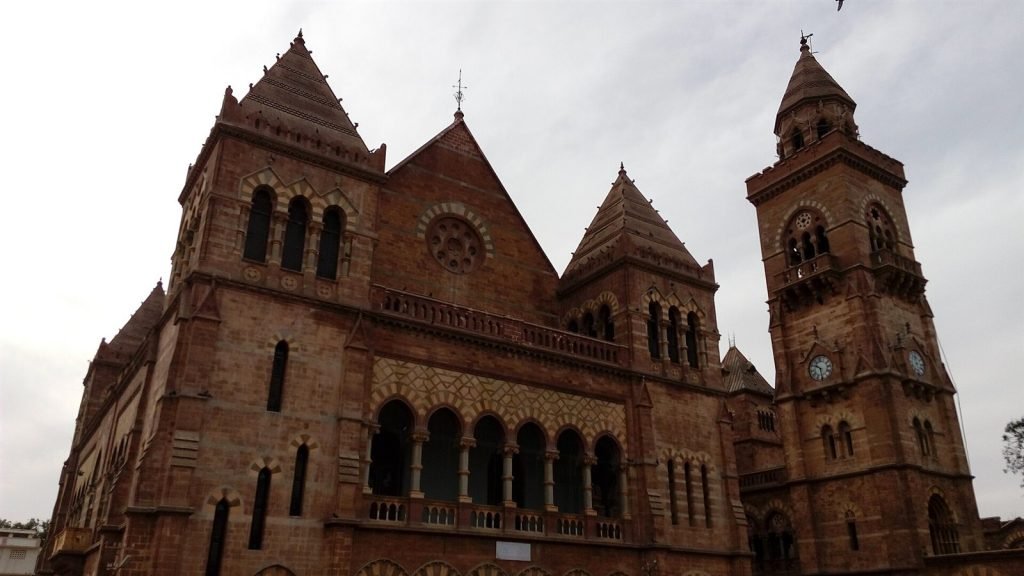
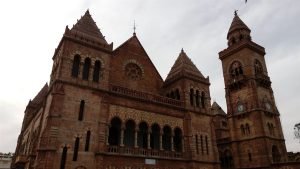
Prag Mahal
Italian-Gothic palace with a clock-tower climb
PALACE
Prag Mahal
Italian-Gothic palace with a clock-tower climb
 PALACE
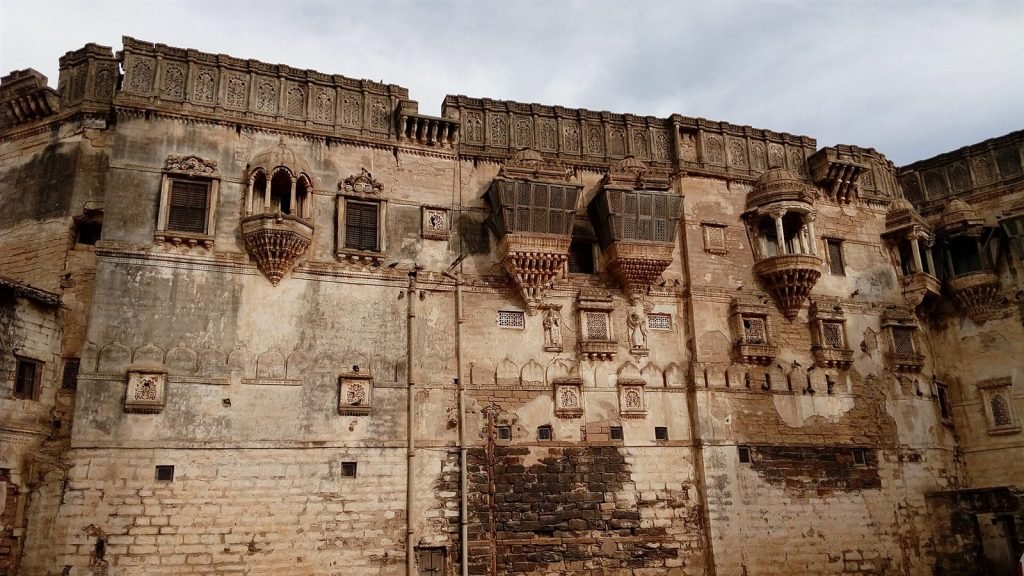
Aina Mahal
The 18th-century ‘Hall of Mirrors’
PALACE
Aina Mahal
The 18th-century ‘Hall of Mirrors’
 HERITAGE
Bhuj
The walled royal capital — palaces, bazaars & museums
HERITAGE
Bhuj
The walled royal capital — palaces, bazaars & museums
 BEACH & PALACE
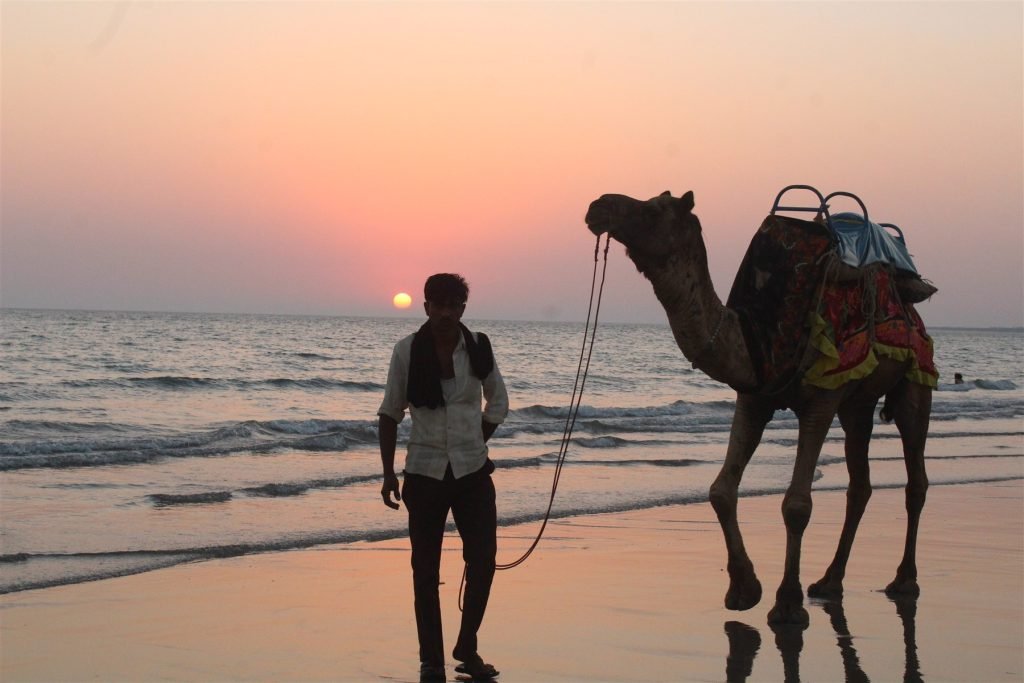
Mandvi Beach
Golden sands beside the royal Vijay Vilas Palace
BEACH & PALACE
Mandvi Beach
Golden sands beside the royal Vijay Vilas Palace
 UNESCO
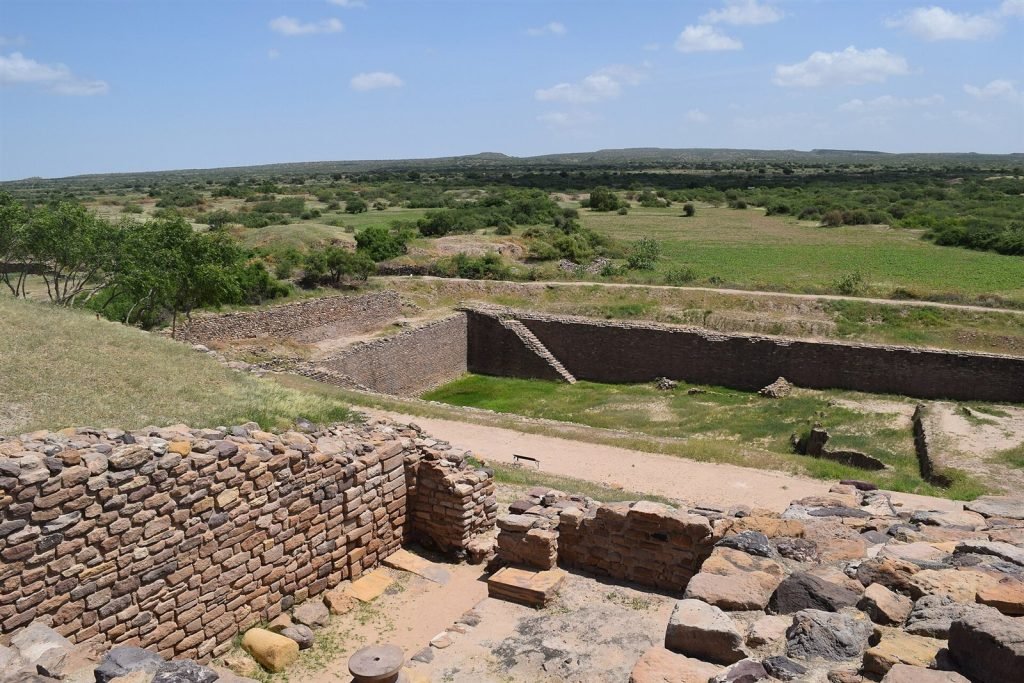
Dholavira
A 4,500-year-old Harappan city & ancient water system
UNESCO
Dholavira
A 4,500-year-old Harappan city & ancient water system
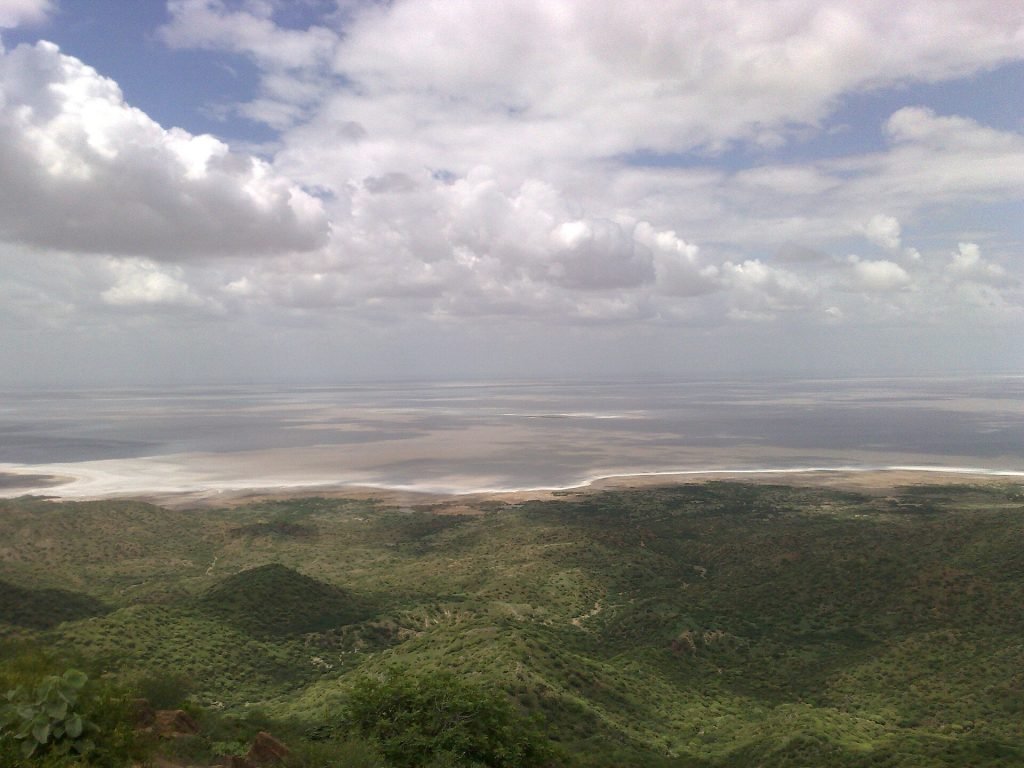 WONDER
Rann of Kutch
World’s largest salt desert, glowing under the full moon
WONDER
Rann of Kutch
World’s largest salt desert, glowing under the full moon
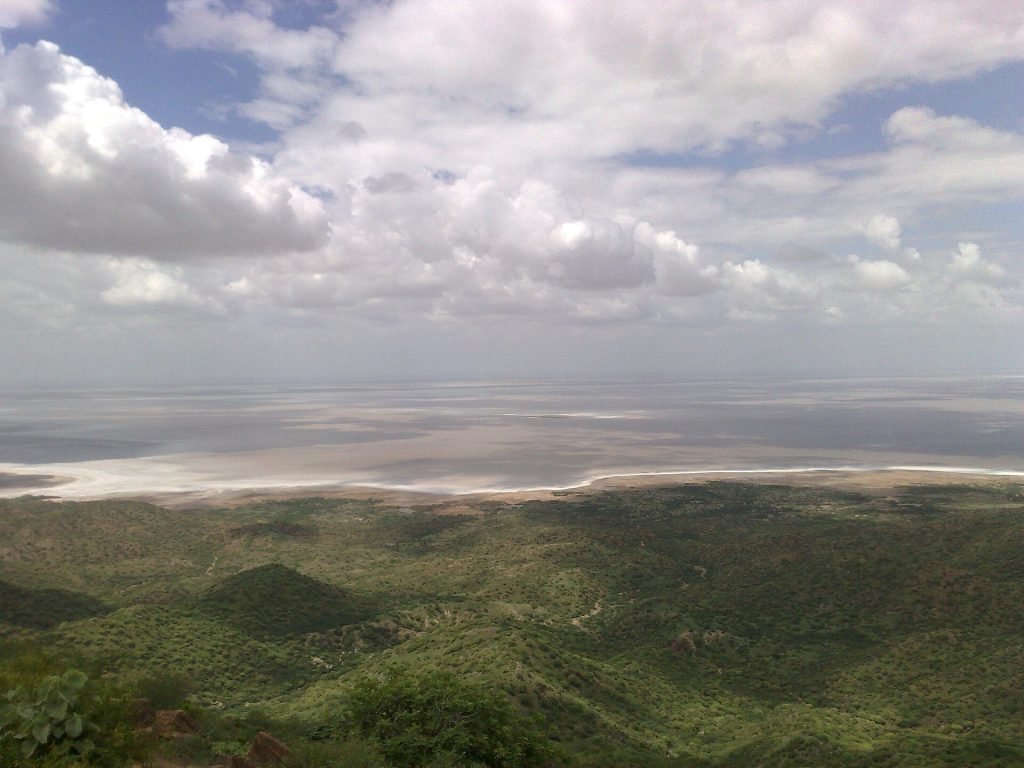 TEMPLE
Road to Heaven
Hilltop shrine famed for feeding jackals
TEMPLE
Road to Heaven
Hilltop shrine famed for feeding jackals
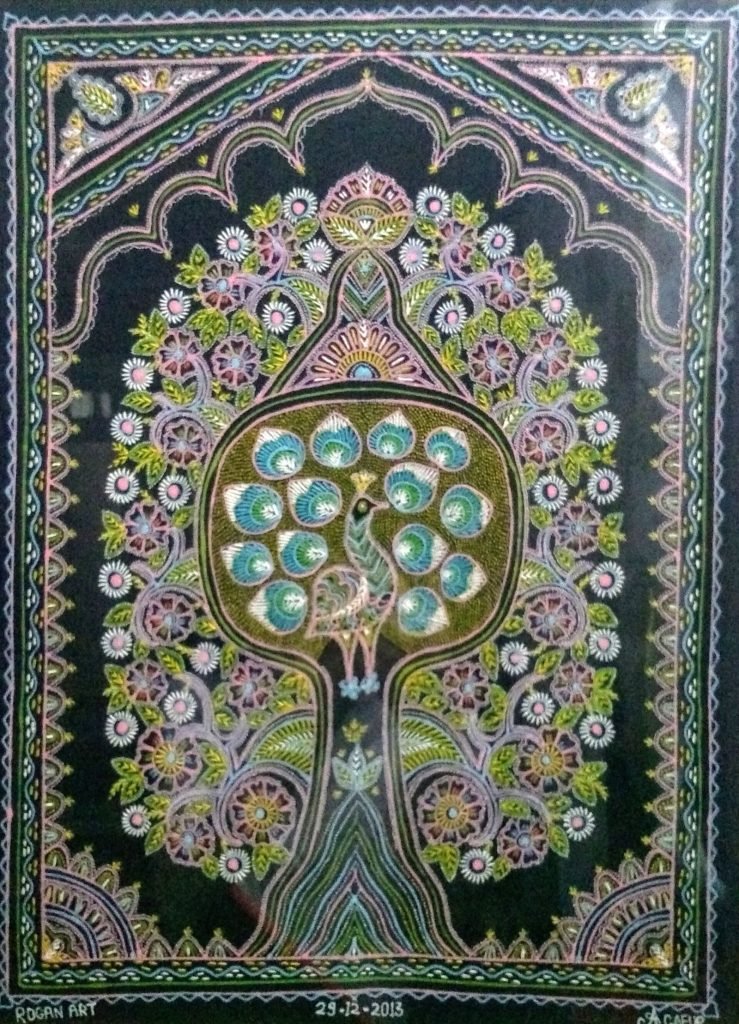 ARTISANS
Rogan Art of Nirona
Rogan art, copper bells & lacquer woodwork
ARTISANS
Rogan Art of Nirona
Rogan art, copper bells & lacquer woodwork
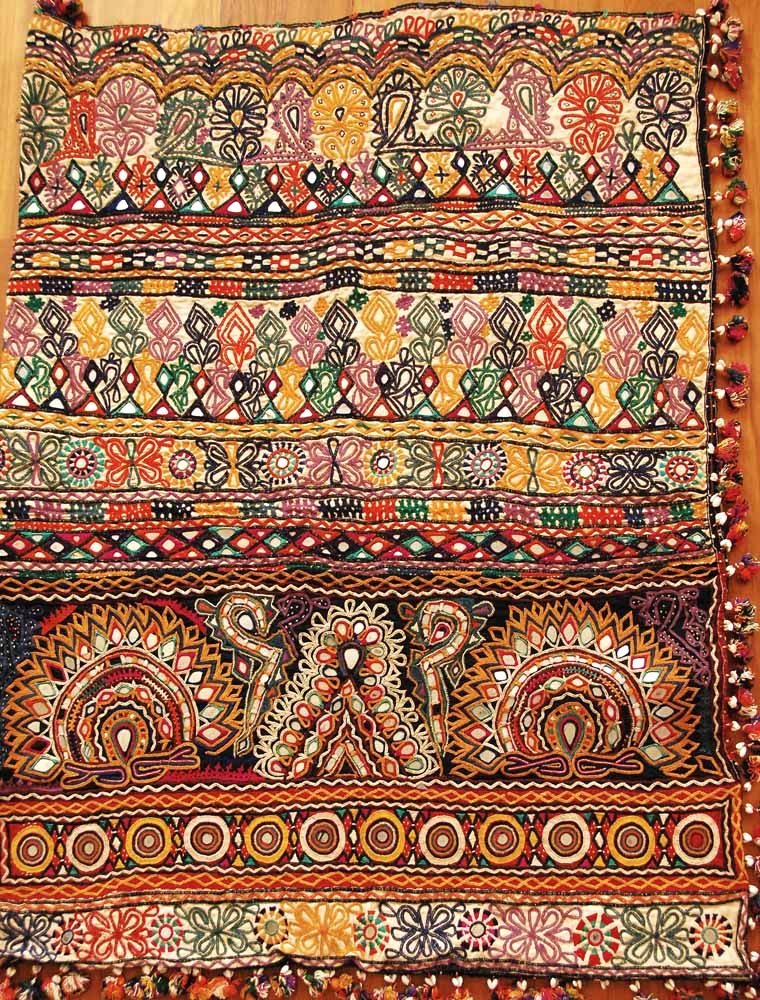 FRONTIER
Bhujodi
India’s last temple before the Pakistan border
FRONTIER
Bhujodi
India’s last temple before the Pakistan border
 ORIGIN
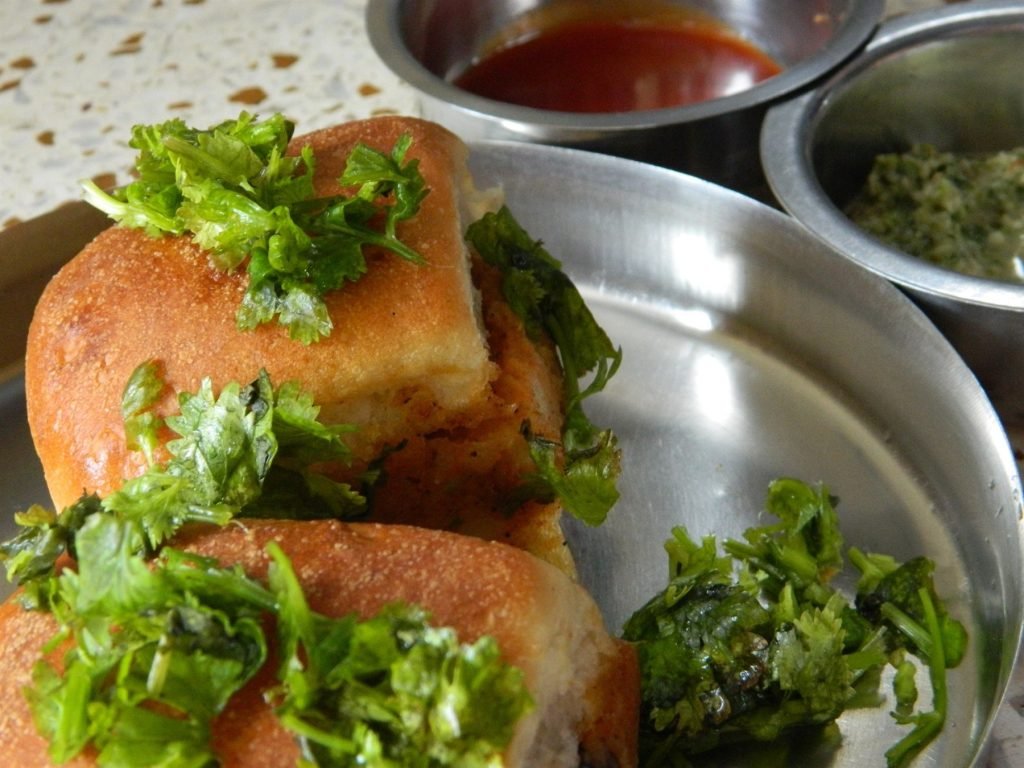
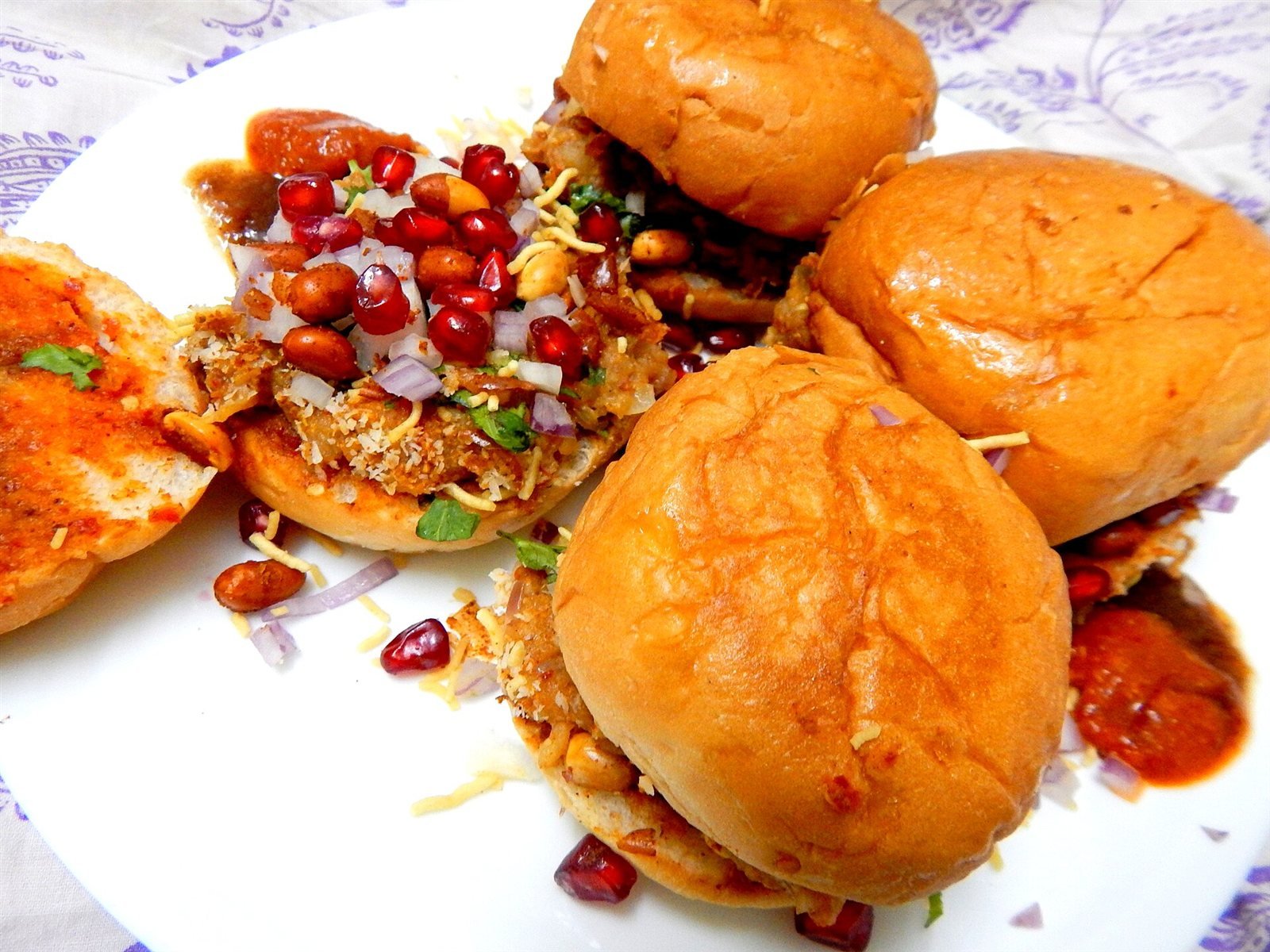
Home of Dabeli
The spiced potato bun was born here in Mandvi
ORIGIN
Home of Dabeli
The spiced potato bun was born here in Mandvi
 LIVING CRAFT
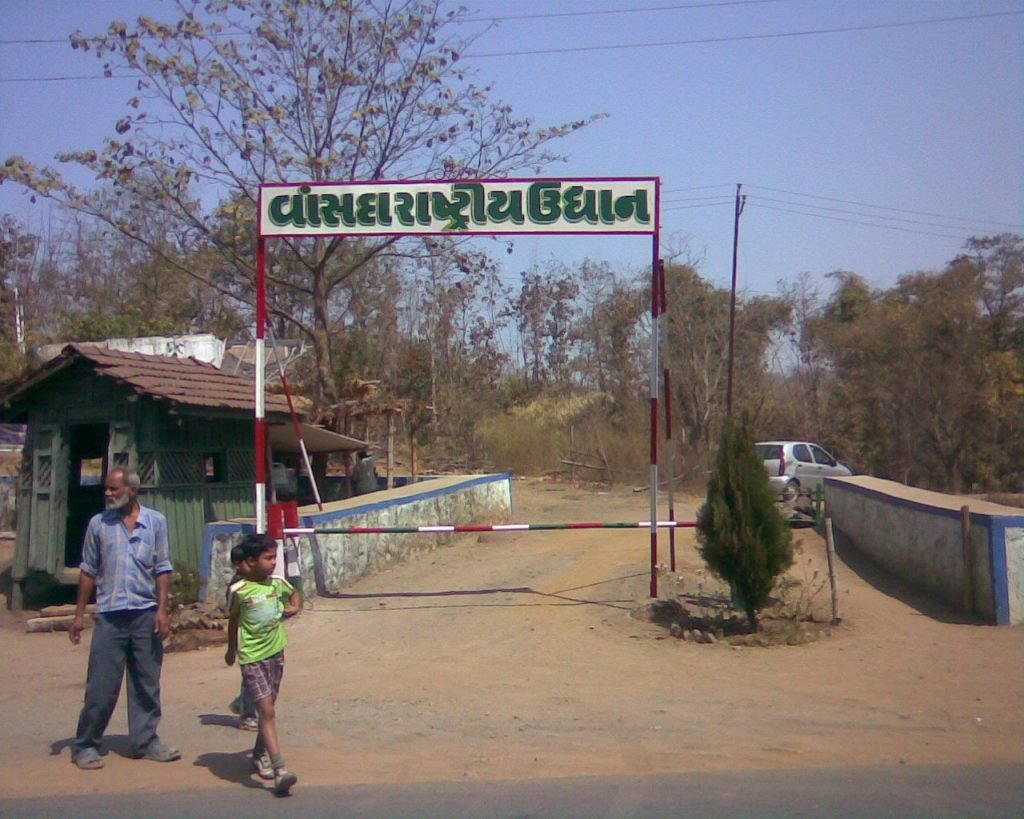
Mandvi Shipbuilding
Where wooden dhows are still built entirely by hand
LIVING CRAFT
Mandvi Shipbuilding
Where wooden dhows are still built entirely by hand
 WETLAND
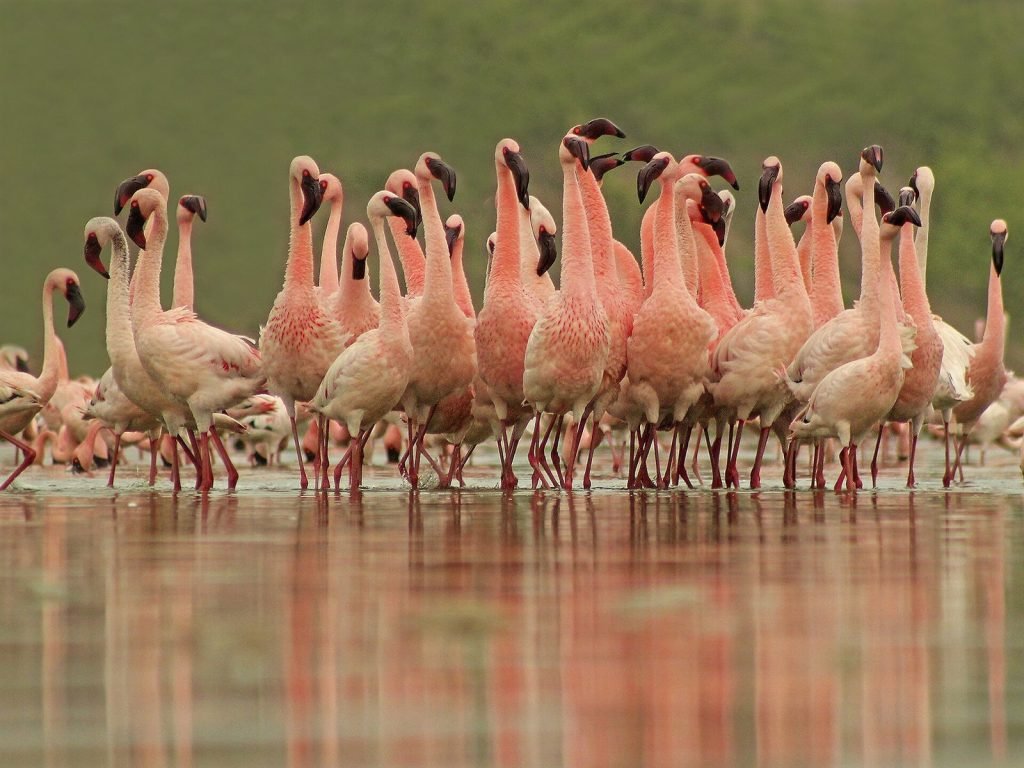
Chhari Dhand
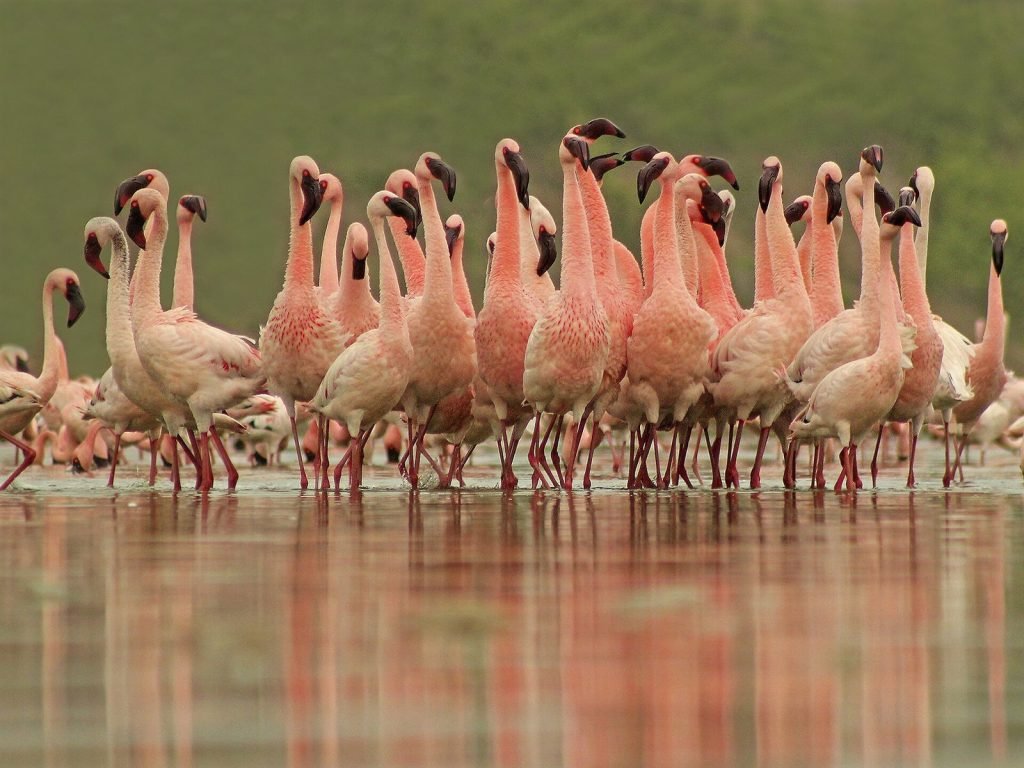
A seasonal wetland of flamingos & raptors in Banni
WETLAND
Chhari Dhand
A seasonal wetland of flamingos & raptors in Banni
 BORN IN KUTCH
Kutchi DabeliThe spiced potato bun, invented in Mandvi.
MUST-TRY DISHES
Bajra Rotlo & OloMillet bread with smoky brinjal
Kutchi KadhiA lighter, sweeter yogurt curry
Bhungra BatetaFried spiced potato bombs
Dal PakwanCrisp bread with chana dal
Khavda RotloThick rotla from Banni villages
Gulab PakRose-scented milk fudge
MawaRich Kutchi reduced-milk sweet
Adadiya PakA wholesome winter sweet
SukhdiJaggery & wheat energy squares
Kutchi ChaiStrong, spiced desert tea
Pakwan & KachoriFried tea-time snacks
 YEAR-ROUND
Living Crafts
Few regions on earth are as rich in living craft as Kutch — village upon village of embroiderers, weavers, block-printers and dyers, each keeping a distinct tradition alive by hand.
YEAR-ROUND
Living Crafts
Few regions on earth are as rich in living craft as Kutch — village upon village of embroiderers, weavers, block-printers and dyers, each keeping a distinct tradition alive by hand.
 HERITAGE
Rogan & Lacquer
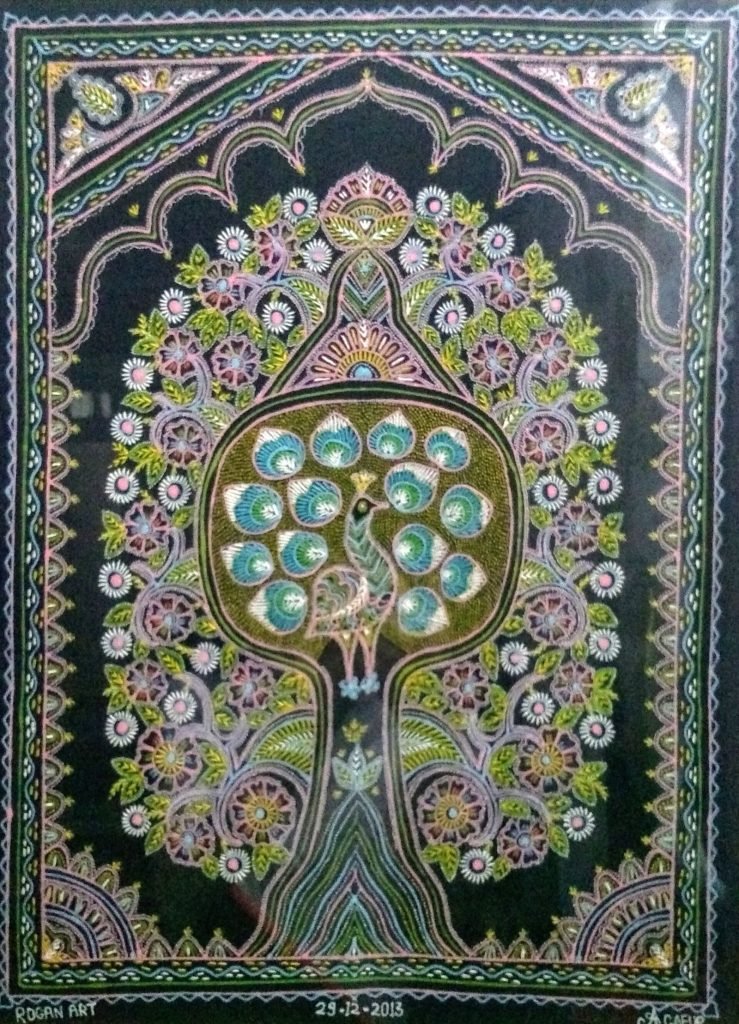
In the village of Nirona survives Rogan — a rare craft of painting cloth with threads of boiled-oil paint, kept alive by a single family, alongside Kutch’s glowing lacquer-turned woodwork.
HERITAGE
Rogan & Lacquer
In the village of Nirona survives Rogan — a rare craft of painting cloth with threads of boiled-oil paint, kept alive by a single family, alongside Kutch’s glowing lacquer-turned woodwork.
 FOLK
Music & Dance
Kutch sings in many voices — the haunting Sufi strains of desert balladeers, the beat of the drum-driven dhamal, and folk dances that turn a festival night into pure rhythm.
FOLK
Music & Dance
Kutch sings in many voices — the haunting Sufi strains of desert balladeers, the beat of the drum-driven dhamal, and folk dances that turn a festival night into pure rhythm.
 COAST
Mandvi by the Sea
Mandvi is Kutch by the sea — a breezy beach town of the old shipbuilders, where wooden dhows still take shape by hand and the Vijay Vilas palace looks out over the Arabian waves.
COAST
Mandvi by the Sea
Mandvi is Kutch by the sea — a breezy beach town of the old shipbuilders, where wooden dhows still take shape by hand and the Vijay Vilas palace looks out over the Arabian waves.