
The world's oldest dockyard
Out on the flat plains south of Ahmedabad lie the weathered brick foundations of Lothal — one of the most important cities of the Indus Valley Civilisation, flourishing around 2400 BCE. Its name means ‘mound of the dead’ in Gujarati, but what was unearthed here changed how we understand the ancient world.
Lothal’s great claim is its dockyard: a vast, precisely built brick basin, connected to a river channel, widely regarded as the earliest known dock anywhere. Around it archaeologists found a planned town with a raised citadel, warehouses, a bead-making workshop, wells and an astonishingly advanced drainage system — a sophisticated maritime trading hub linked as far as Mesopotamia.
A small but absorbing ASI museum displays the seals, beads, tools and pottery that bring these long-silent streets back to life.
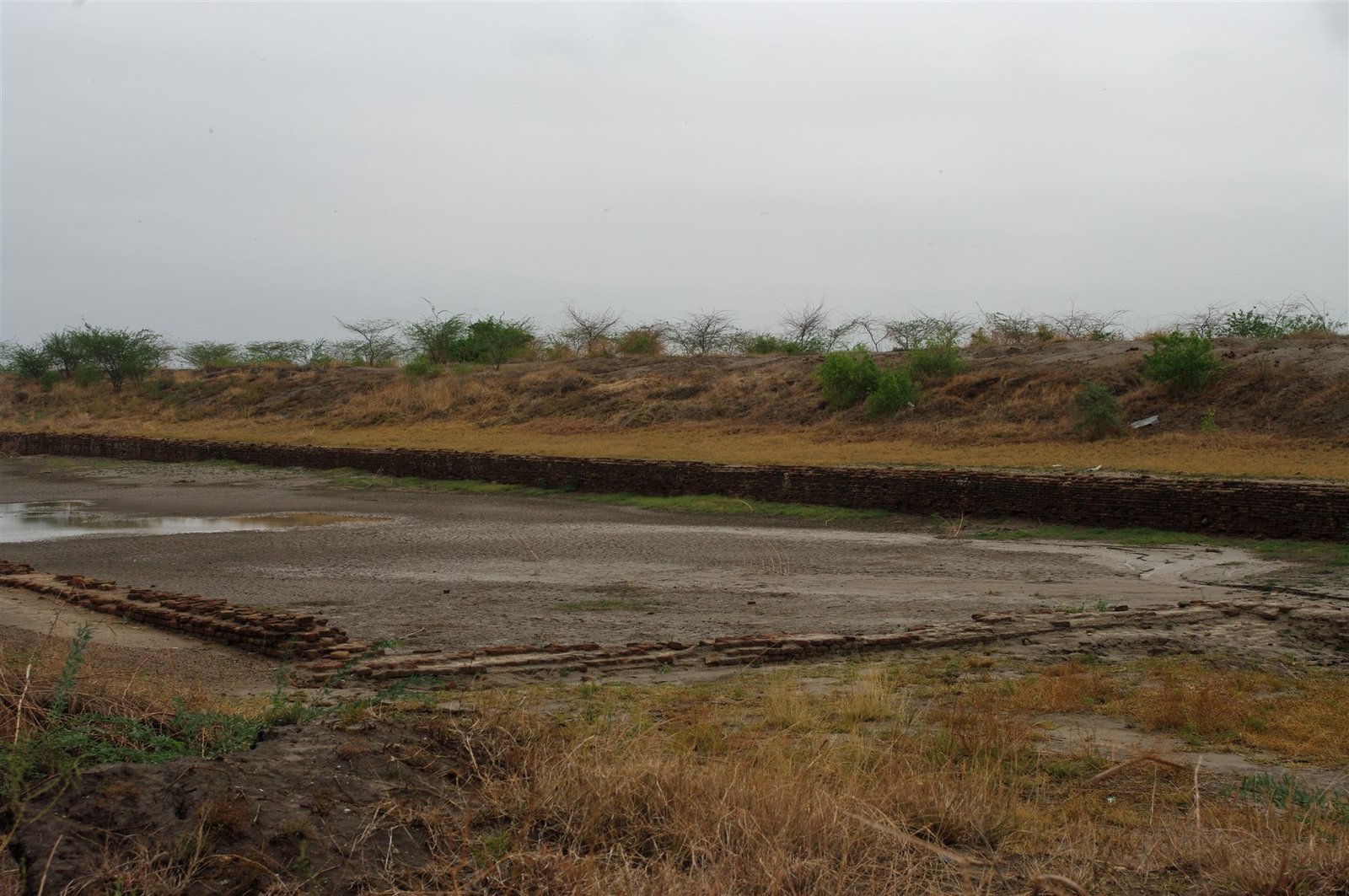
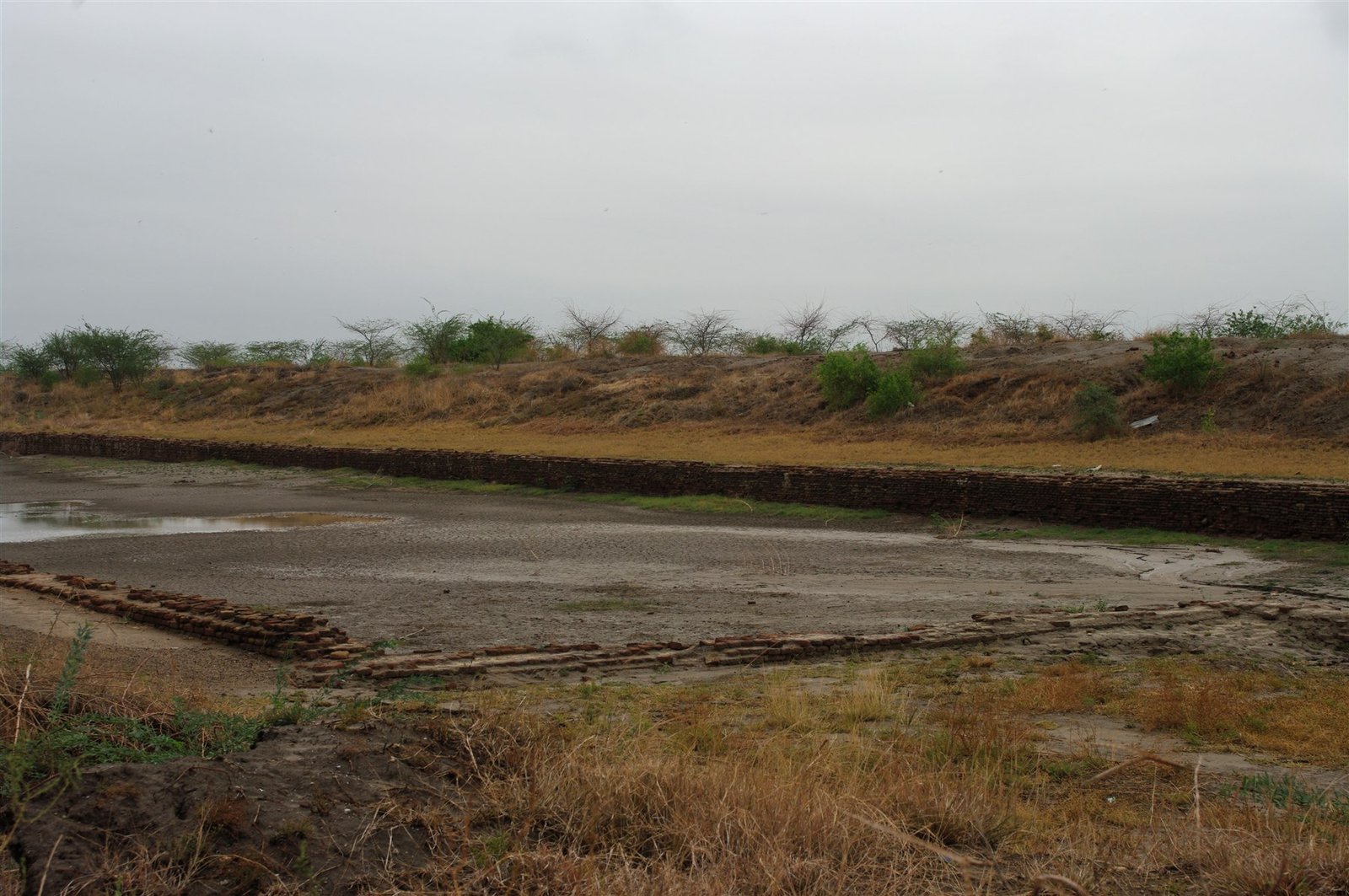
The excavated brick basin — Lothal’s famous dock.
The Harappan dock, and what the silt left
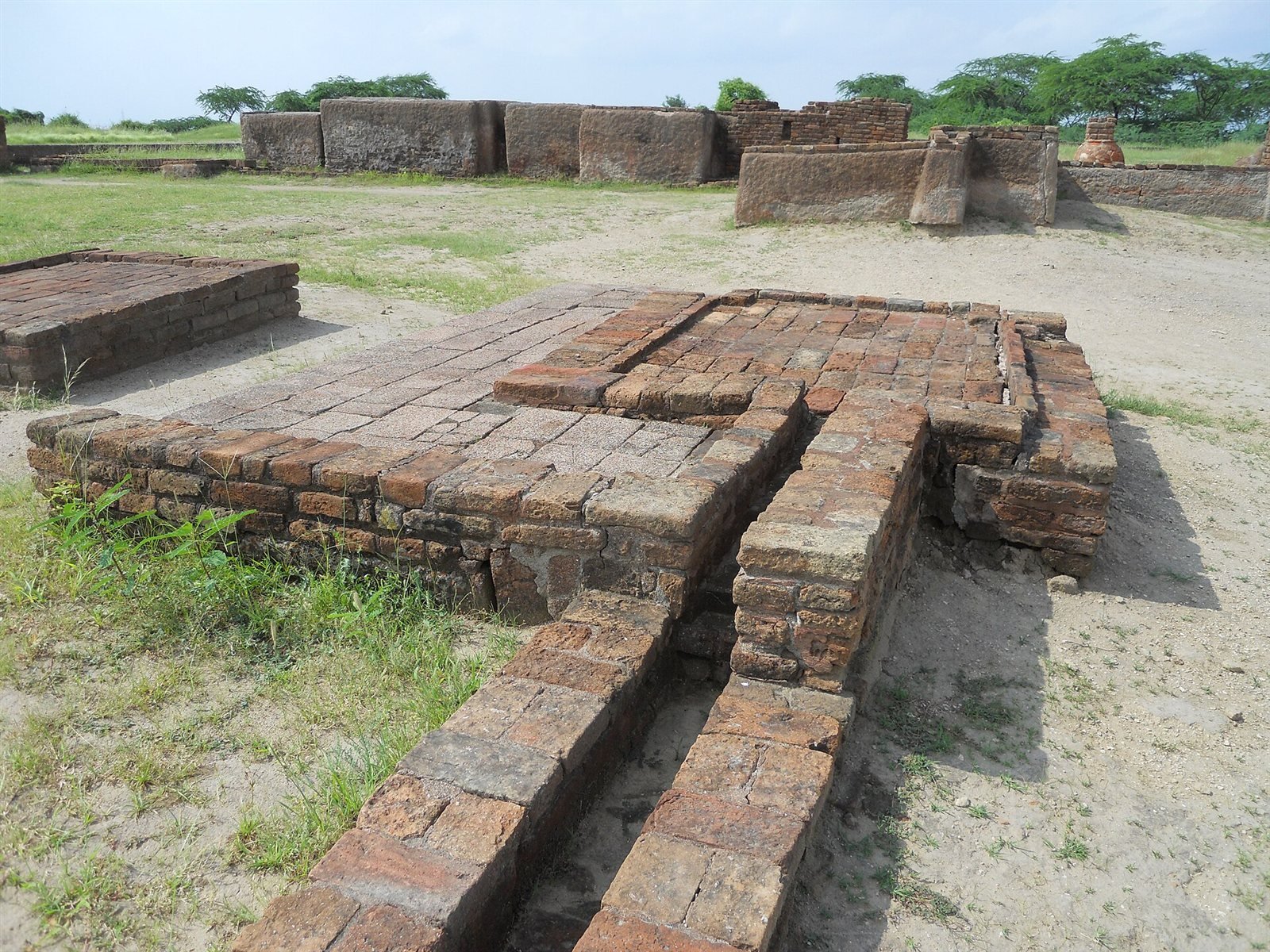
The planned streets and structures of Lothal.
Lothal grows into a planned Harappan port on a tidal creek of the Sabarmati, exporting carnelian beads, shell inlay, copper and cotton, and importing raw stone from as far as Gujarat's interior and the Deccan.
From around 1900 BCE the town contracts. Flooding, a shifting river channel and the wider unravelling of Indus trade all played a part; the upper levels show poorer building and a drift back to village life.
S. R. Rao excavates for the Archaeological Survey of India between 1955 and 1960, uncovering the basin, the warehouse platform and the bead factory, and arguing that the basin was a working dock.
Lothal now sits on UNESCO's tentative list, and the National Maritime Heritage Complex being built alongside it will make this the principal public site for Indus-era maritime history in India.
Reasons to make the time
The oldest dockyard
The brick basin measures roughly 214 by 36 metres. If Rao's reading is right, it is the oldest known artificial dock anywhere, predating comparable structures by well over a thousand years.
Indus civilisation
You walk on the actual streets of a town laid out around 2400 BCE — not a reconstruction, but the fired-brick foundations left where they were built.
Ahead of its time
Every house connected to a covered drain running under the street to a soak pit. Urban sanitation of this kind does not reappear in the subcontinent for thousands of years.
The site museum
The ASI museum holds seals, standardised cubical weights, drill bits, gold beads and the carnelian work that made Lothal's reputation across the Bronze Age world.
Off the beaten path
Even in season you may have the site largely to yourself, which makes it one of the few major Indian monuments you can still think at.
Living history
Along with Dholavira in Kutch, Lothal is the reason Gujarat holds the densest concentration of excavated Harappan sites in India.
What to look for inside
 THE DOCK
The great basin
A rectangular basin of fitted kiln-fired brick with a sluice at one end to hold water at low tide — the single most argued-over structure in Indus archaeology.
 STRUCTURES
Dockside remains
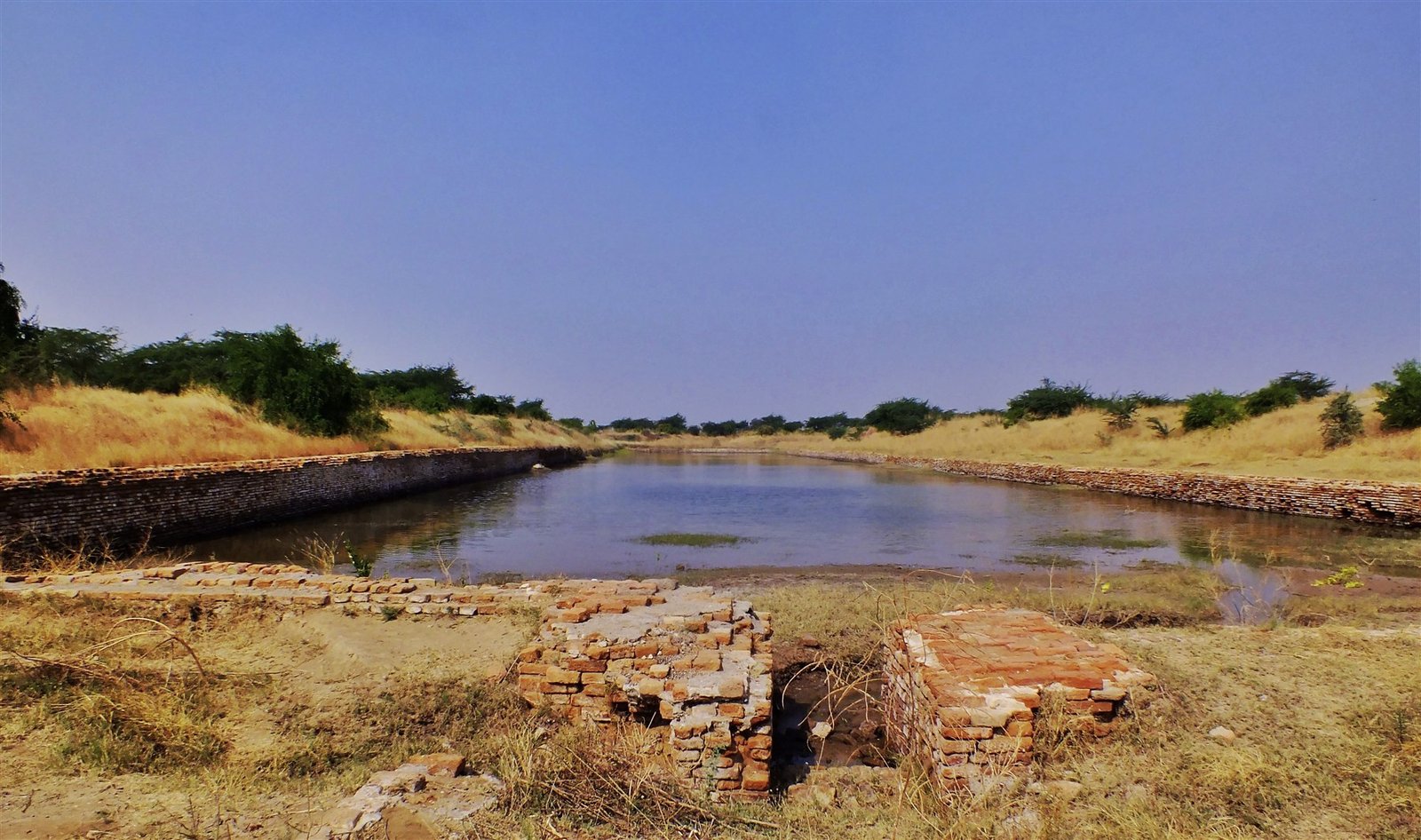
The inlet channel, the sluice gate and the raised loading platform along the western edge, where goods would have moved between boat and warehouse.
 THE TOWN
Planned streets
The gridded foundations of the lower town, with the raised acropolis and its warehouse block standing above the flood line.
How to spend an hour or two
Walk the dockyard
Walk the full perimeter of the basin. Its scale only registers when you have paced one of the long sides and looked back.
Climb the acropolis
Climb onto the acropolis, the raised platform where the warehouse and principal buildings stood above the reach of the floods.
Find the drains
Follow a street and look for the covered drain running beneath it, and the brick-lined wells that served individual houses.
See the bead workshop
Find the bead workshop in the lower town, where drills, unfinished carnelian and a small kiln were recovered together.
Tour the museum
Give the ASI museum a proper half hour — the seals and the standardised weights say more about how this society worked than the walls do.
Picture the port
Stand at the sluice end and picture the tide: boats entering on high water, the gate closing to hold them afloat while cargo was worked.
Precise brickwork of the ancient basin.
A planned city around a tidal dock
Lothal was laid out with the rigour typical of the Indus Valley: a raised citadel of public buildings and warehouses above a gridded lower town of houses and workshops, all served by baked-brick drains and wells. The bricks are remarkably uniform, the streets aligned, the planning deliberate.
Its masterpiece is the dockyard — a large rectangular basin of fitted brick, linked by a channel to the river so that boats could enter on the tide. Whether read as a dock or a great water tank, its scale and precision speak of a society that engineered with confidence more than four thousand years ago.
What makes Lothal exceptional is not size — it is small by Harappan standards, a few hectares against the sprawl of Mohenjo-daro — but completeness. Within one compact site you can read the whole economic logic of an Indus town: the dock where goods arrived, the warehouse platform raised above flood level to store them, the workshop where raw carnelian was drilled into beads, the streets and drains of the neighbourhood where the workers lived, and the cemetery beyond. Very few Bronze Age sites anywhere let you follow a trade good from quay to workbench in a single walk.
The dockyard identification is genuinely contested, and it is worth knowing the argument. Rao read the basin as a tidal dock, pointing to the inlet channel, the spillway that would have maintained water level, and the site’s position on a creek then navigable from the Gulf of Khambhat. Others have argued it is an irrigation reservoir or a large water tank, noting the difficulty of getting seagoing vessels that far inland. The balance of opinion still favours some maritime function, and the standardised weights, Persian Gulf seal and Mesopotamian-style goods found here confirm Lothal was trading long-distance whatever the basin was for.
Practically, Lothal is a day trip from Ahmedabad — about 80 km south, roughly two hours by road, with Bhavnagar a similar distance the other way. There is very little shade and the brickwork reflects heat, so October to February is the sensible window and early morning the best hour of any day. The museum closes on Fridays. Allow around two hours for the site and museum together, and bring water; there is almost nothing on sale at the gate.
More places to visit across the district are gathered in our Ahmedabad travel guide.
The earliest known dockyard
Raised citadel & lower town
Uniform baked-brick construction
Advanced drains, wells & bead works
When to go
Cool and bright — the most pleasant time to be out across Ahmedabad.
The city greens up and the heat breaks with brief, refreshing showers.
Hot and dry, often 40°C+. Best enjoyed early morning or after sunset.
⏰ Go in winter and start early — it's an open, shadeless site best explored before the midday heat, as a day trip from the city.
Timings & entry
- Open through the day; check the weekly closed day locally
- An open, shadeless site — visit in cooler hours
- The ASI museum is on site
- Allow 1.5–2 hours including the museum
- A small ASI ticket covers the site and museum
- A modest extra fee applies for foreign visitors
- Carry water, a hat and sun protection
- Best reached as a day trip with your own vehicle
Getting there
By Air
SVP International Airport (Ahmedabad) is about 85 km — the nearest airport.
By Rail
Lothal–Bhurkhi station is the closest railhead; most visitors come by road.
By Road
About 80 km from Ahmedabad via Bagodara; an easy half-day drive each way.
Shooting the site
BRICK & SKY
Ancient geometry under a vast open sky
Best light
Early morning or late afternoon rakes light across the low brick walls.
What to shoot
The dockyard's long edges, the gridded foundations and the museum finds.
Use the lines
The site's geometry makes strong leading-line and top-down compositions.
Add scale
A figure on the dock edge conveys the basin's surprising size.
Know before you go
More to see close by
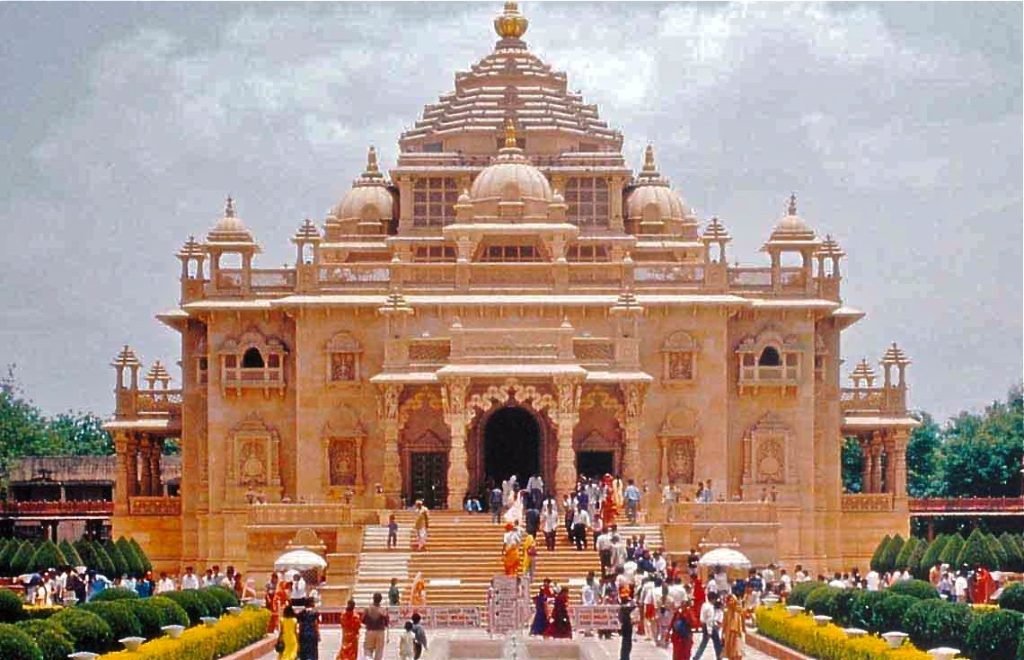
ISKCON & Akshardham
Major Vaishnav & modern temple complexes
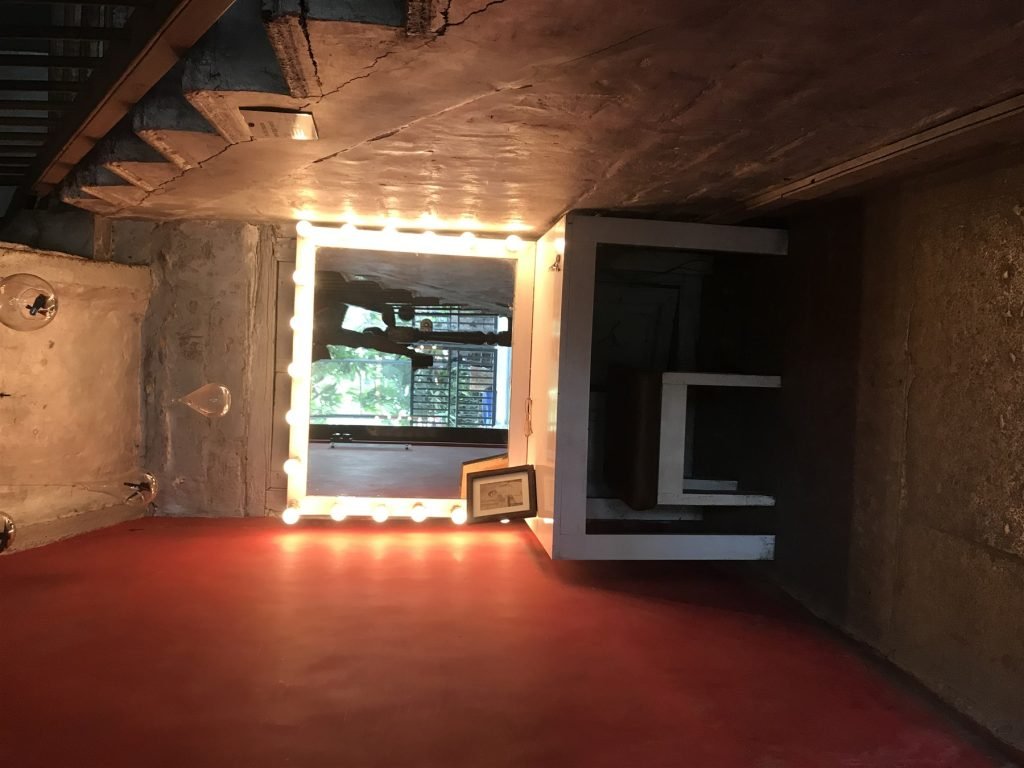 MUSEUM
The Conflictorium
A bold museum of conflict & identity
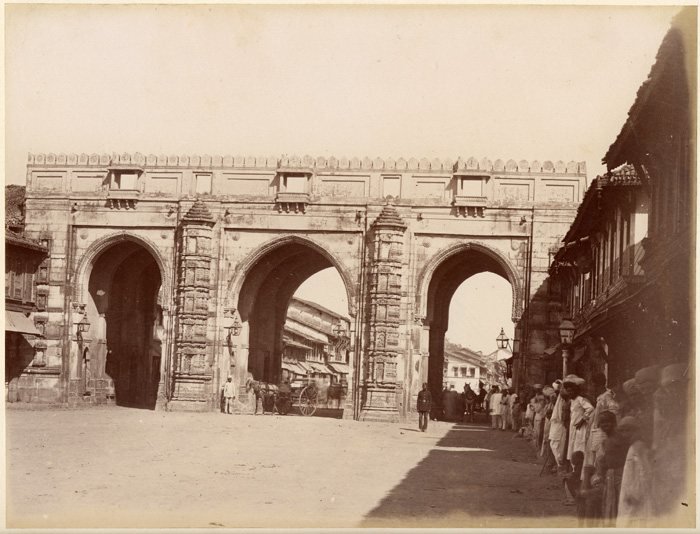 HISTORIC
Teen Darwaza
The city’s 1411 triple gateway & bazaar
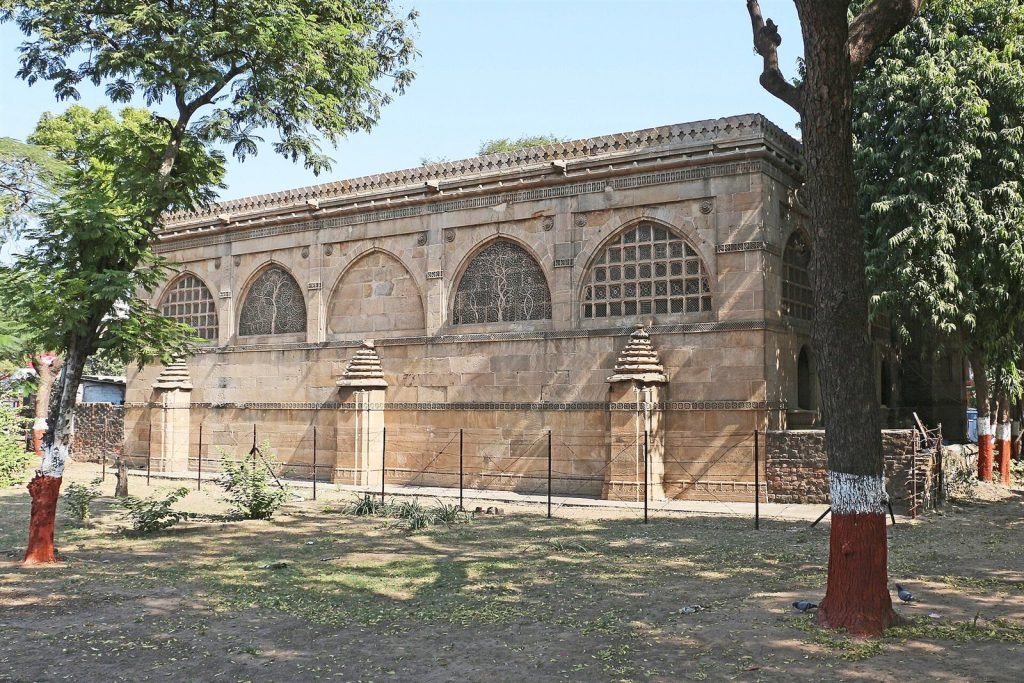
Sidi Saiyyed Jali
◐ Morning · backlit
 FAMILY
Kankaria Lake
Lakefront with zoo, toy train & balloon
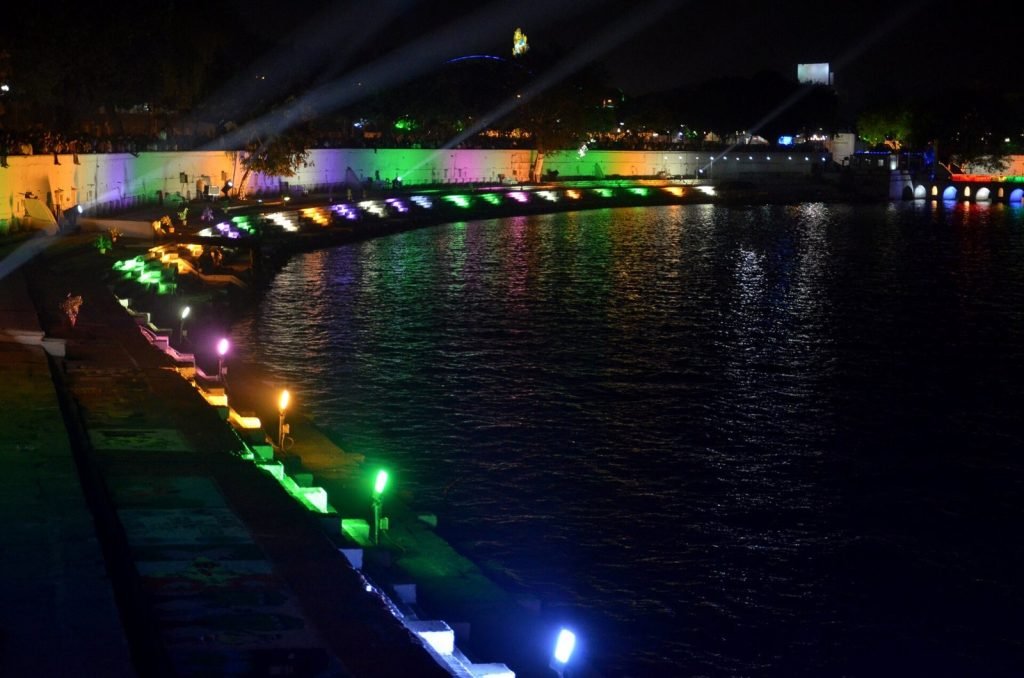
Atal Bridge & Riverfront
◐ Sunset · blue hour
Where to eat near Lothal
 STREET FOOD
Manek Chowk
By night the old jewellers' square turns into a buzzing street-food bazaar.
 SNACKS
Law Garden Khau Galli
An evening lane of carts serving Gujarati chaat, sandwiches and sweets.
 CLASSICS
Old City stalls
Fresh fafda-jalebi, dabeli and khaman in the lanes of the walled city.
A vegetarian city
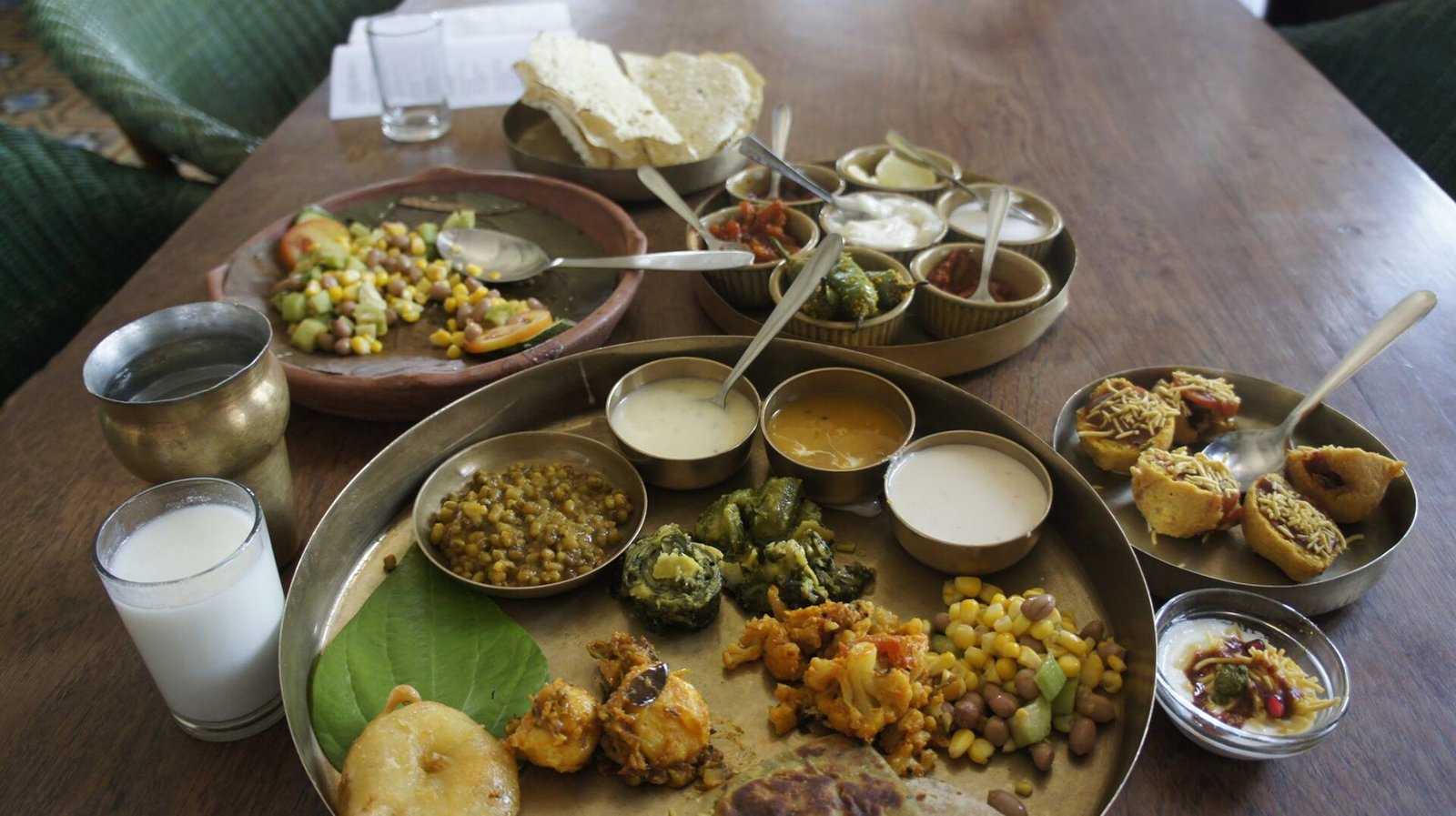
Ahmedabad is famously veg-friendly — expect superb thalis and farsan.
Lothal FAQ
Where is Lothal?
Near Saragwala village, about 80 km south-west of Ahmedabad, via Bagodara.
What is Lothal famous for?
Its dockyard — widely considered the earliest known dock in the world — and as a major Indus Valley city.
How old is it?
It flourished around 2400 BCE, over 4,500 years ago.
Is there an entry fee?
A small ASI ticket covers the site and museum; foreign visitors pay a little more.
What are the timings?
Roughly 10 AM to 5 PM; check the weekly closed day locally.
Is there a museum?
Yes, an ASI museum on site displays seals, beads, tools and pottery.
How do I get there?
Most visitors drive — about 80 km from Ahmedabad as a half-day trip each way.
How much time should I plan?
About 1.5 to 2 hours including the museum.
Is it shaded?
No — it's an open site, so go early and carry sun protection and water.
Can I combine it with other sights?
Yes; Nal Sarovar bird sanctuary is roughly 40 km away on the way back.
Related places across Gujarat
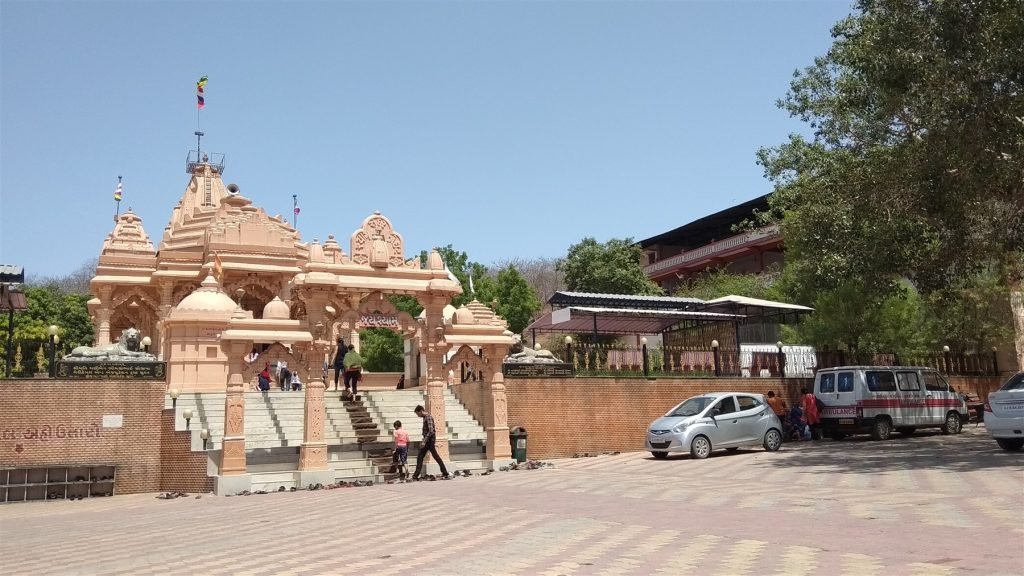
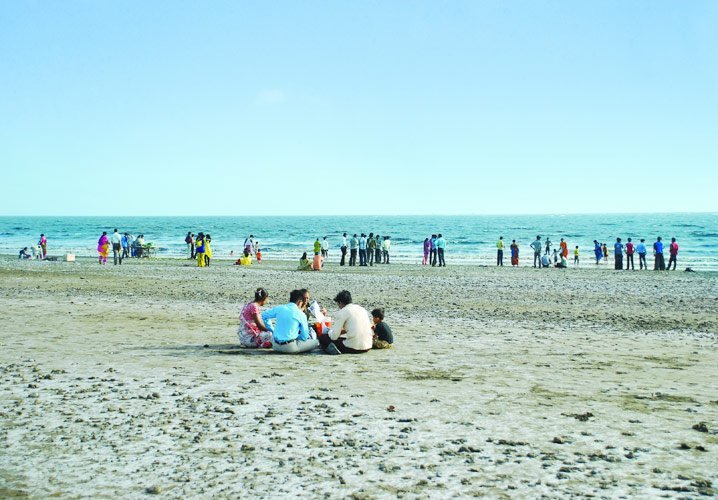
Tulsishyam
The first Jyotirlinga, rebuilt at the ocean’s edge
 ESTUARY
Narmada Mouth
Where the sacred river meets the Gulf of Khambhat
 BIRD LAKE
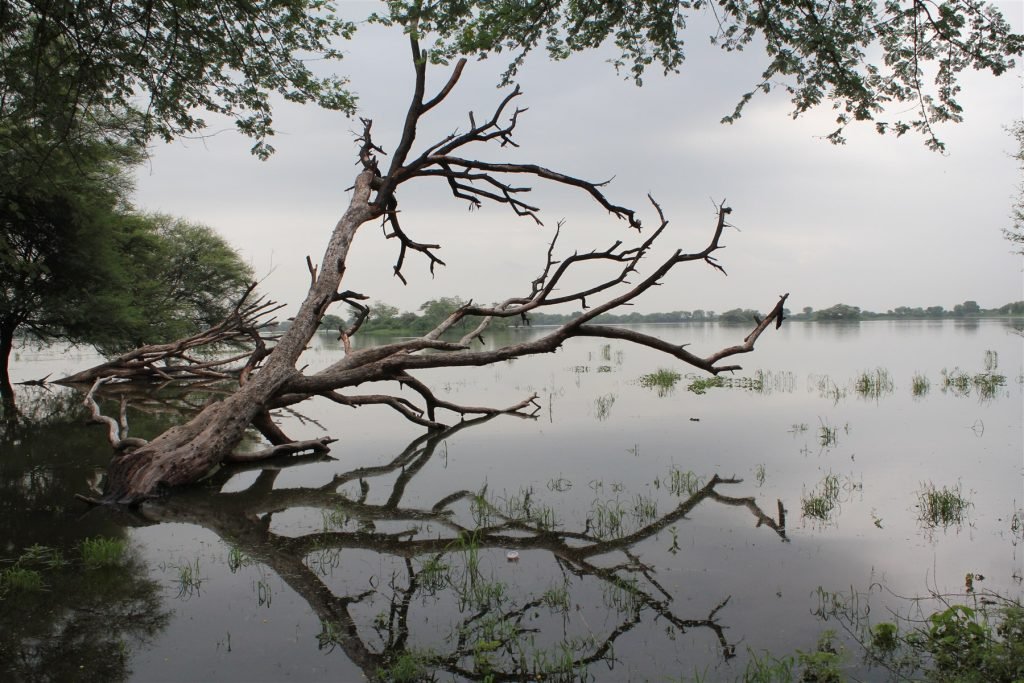
Thol Lake
A wetland sanctuary of flamingos & pelicans
 SEAFOOD
Dumas Food Street
Famous bhajiya, locho and sea breeze
 6
6Purna Riverbank
A peaceful riverine forest at the Dangs’ doorstep
 1
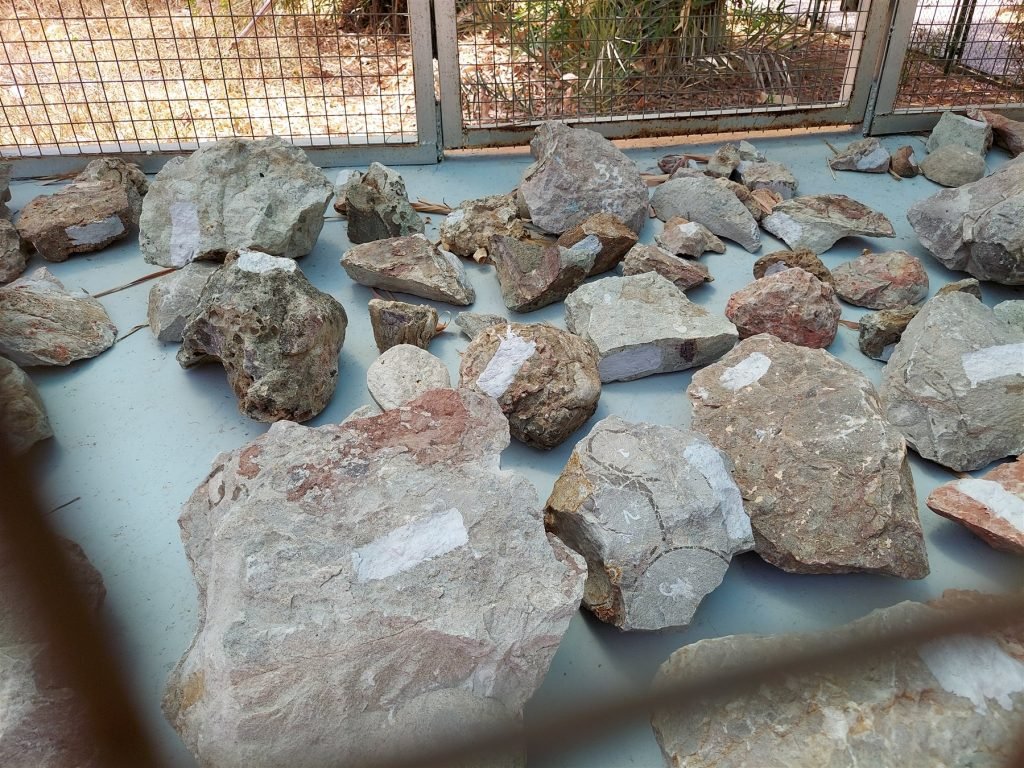
1Raiyoli Dino Eggs
Stand where dinosaurs nested 65 million years ago
WHERE TO STAY
Find your stay in Gujarat
Compare live prices across the big booking sites and reserve in a few taps. Booking happens securely on the partner's site — we may earn a small commission at no extra cost to you.
Book directly on our partner sites — tap a provider to see live Gujarat hotels & prices:
SHOP THE REGION
Bring home Gujarat — & travel essentials
Hand-picked crafts and trip gear, available on Amazon.
Published 24 June 2026 · Updated 24 August 2026
We’re an independent group of writers and travellers documenting every corner of Gujarat — one place, plate and festival at a time.