

A port of many faiths
Among the most evocative reminders of Surat’s age as an international port are its old Christian churches, left by the European trading communities who once lived here. The Armenian Church and chapel, and the remains of Dutch and other European Christian worship, recall a time when Surat’s merchant population included Armenians, Dutch, English and Portuguese, each with their own places of worship alongside the city’s mosques, temples and Parsi fire-temples.
The Armenian community in particular — great traders across Asia — left churches and tombs that still stand as quiet monuments to Surat’s remarkable diversity. A window onto a uniquely cosmopolitan chapter of Indian history. (Heritage churches; check access; respect them as places of worship and heritage.)
European traders and the graves they left
Colonial church.
European trading communities settle in the great port city of Surat.
Surat's merchants included Armenians, Dutch, English and Portuguese.
Each community left its own churches, chapels and tombs in the city.
The old churches survive as quiet monuments to a cosmopolitan past.
Reasons to make the time
Colonial churches
Working churches from the 1600s and 1700s are rare survivals anywhere in India.
Armenian heritage
Surat's merchants were the great traders of their age, and every nation kept a factory here.
Cosmopolitan port
Armenian, Dutch, English and Portuguese communities each left their mark on the city.
Quiet monuments
The churches belong to old Surat — the port city beneath the modern one.
Trading history
They document a diversity the port took for granted centuries ago.
Reflective
As relics go they are quiet, evocative and almost never visited.
What to look for inside
Armenian & Dutch
Colonial relics.
Traders
A diverse port.
How to spend an hour or two
See the Armenian church
See a rare survival — working churches from India's first great age of European trade.
Learn the trading communities
Read Surat's diversity in them; the port hosted every trading nation at once.
Sense the cosmopolitan past
Note the many faiths that shared the city — churches beside mosques, fire temples and derasars.
Find the old chapels
Find the quiet corners these churches keep amid the modern city's noise.
Respect the heritage
Remember they remain places of worship, and visit accordingly.
Pair with the tombs
Pair them with the European cemeteries, the era's grandest monuments.
Churches of a trading port
Surat’s old Dutch and Armenian churches are rare relics of the European Christian communities that traded here in the 17th–18th centuries — the Armenian church and chapel among them — quiet monuments to a uniquely cosmopolitan port. (Check access; respect as heritage.)
It sits within Surat district — browse more places to visit in Surat.
Relics of European traders
Armenian church & chapel
A cosmopolitan port’s faiths
Quiet heritage monuments
When to go
October to March is the pleasant season for walking old Surat's quarters.
The monsoon leaves the old city washed and atmospheric between showers.
April to June is hot and humid; make any church visit an early one.
⏰ Visit at aarti time in the cooler months; combine it with Surat's other sights.
Timings & entry
- Open at worship hours
- Morning & evening aarti
- Best in the cool season
- An easy Surat stop
- Check current access
- Respect as places of worship
- Pair with the cemeteries
- A quiet heritage corner
Getting there
By Air
Surat airport sits about 15 km away, with domestic flights and an easy cab ride into the city.
By Rail
Surat railway station is a major stop on the western line, well connected across the country.
By Road
The churches are in and around Surat, easily reached by auto, taxi or city bus.
At Dutch & Armenian Churches
HERITAGE & FAITH
Relics of a cosmopolitan port
What to shoot
The old churches.
Detail
Colonial forms.
Context
Trading communities.
Best light
Daytime.
Know before you go
More to see close by
 SEAFOOD
Dumas Food Street
Famous bhajiya, locho and sea breeze
Ambika Niketan Temple
A grand riverside temple to goddess Ambika
 COLONIAL
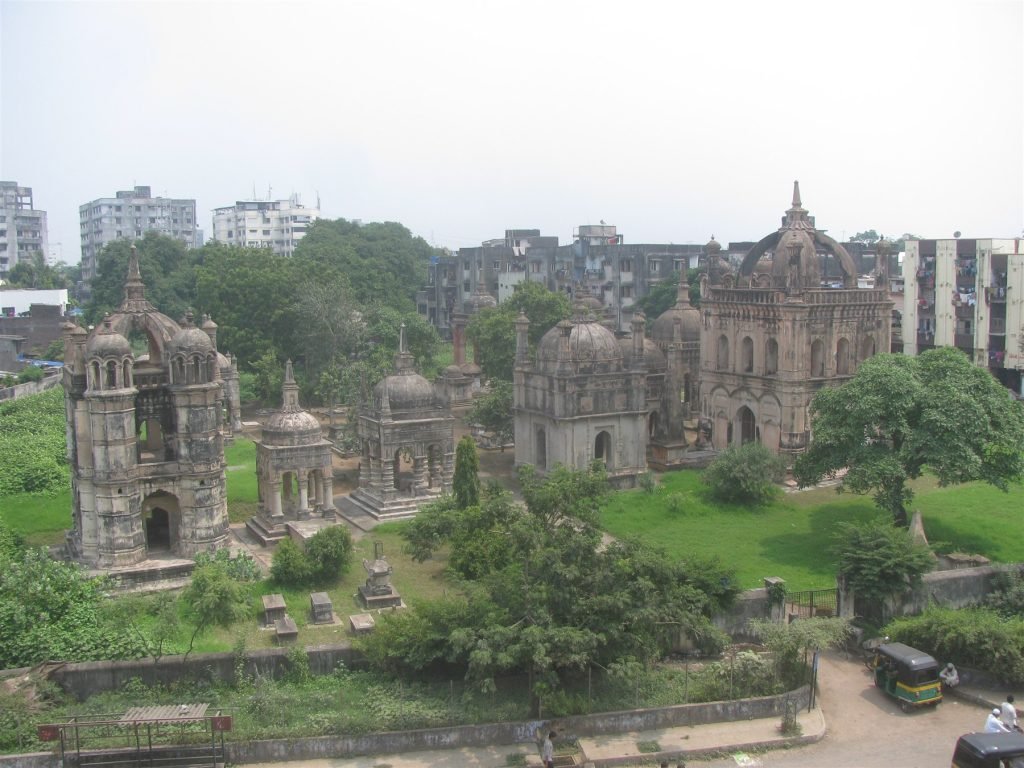
English & Dutch Tombs
Grand European merchant mausoleums
 LAKE
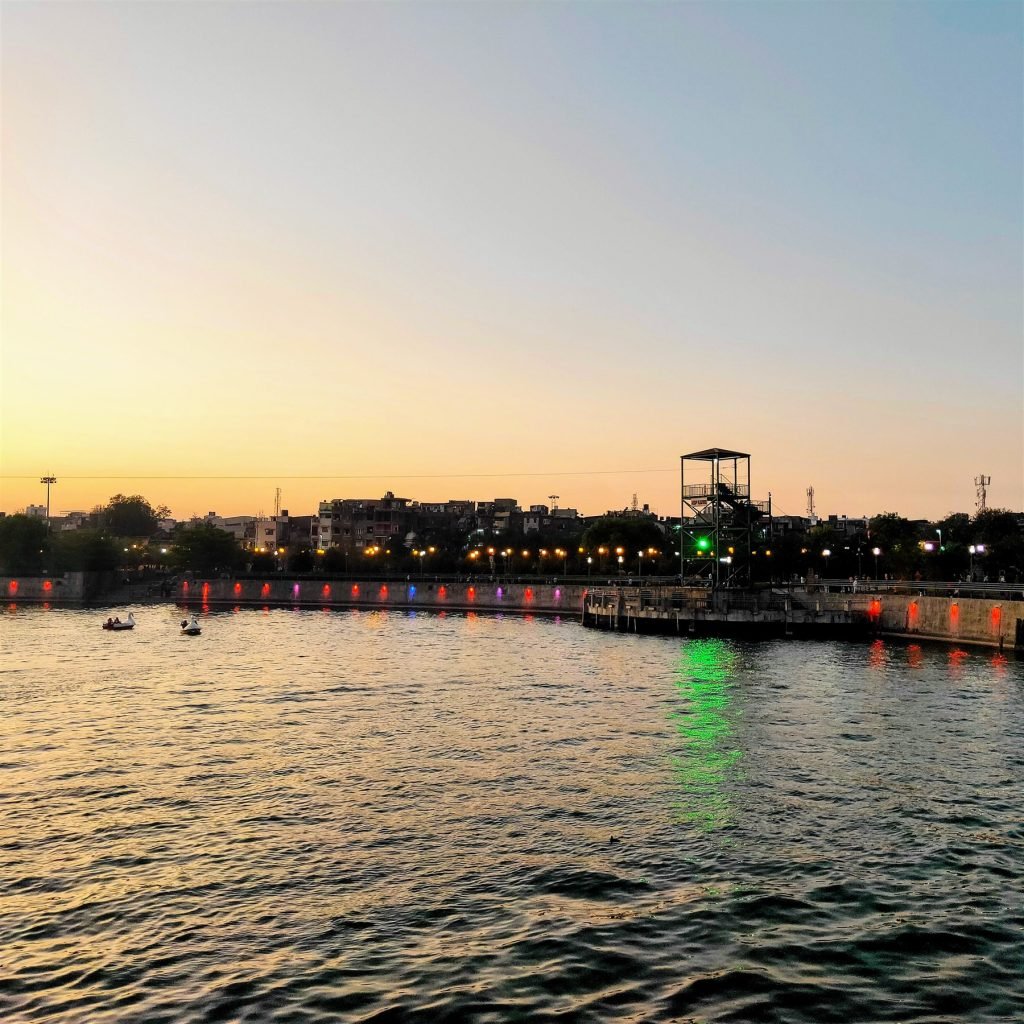
LAKEGopi Talav
A restored medieval lake & lakefront plaza
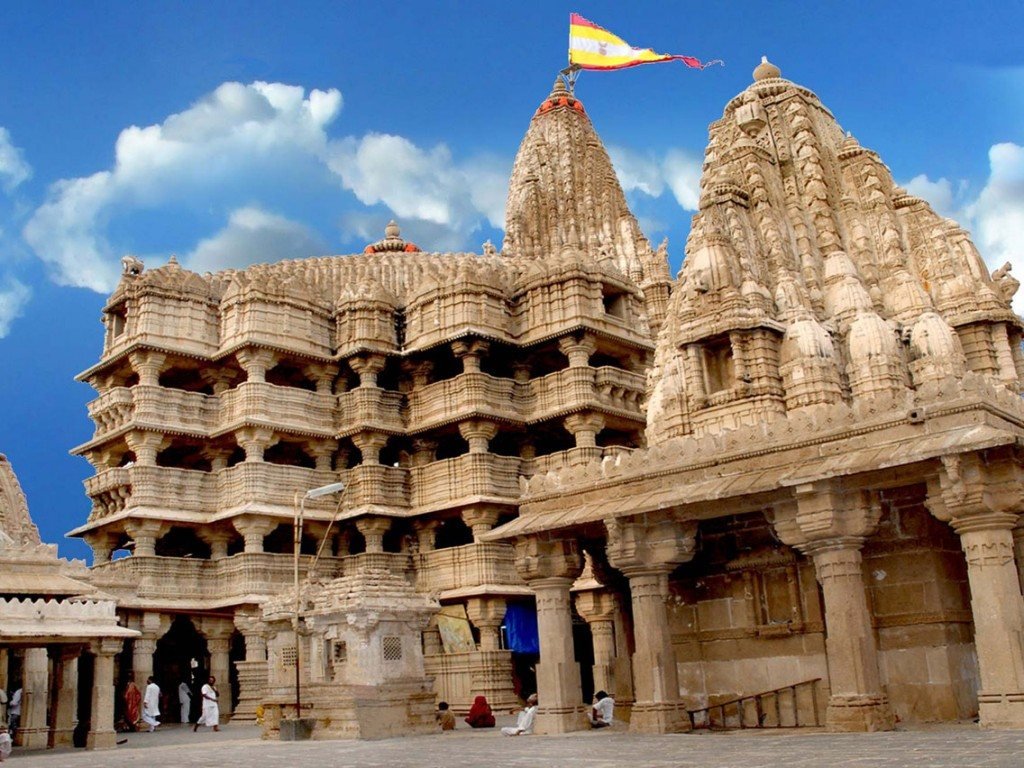
Chintamani Jain Temple
Centuries-old temple with fine wood carving
 HERITAGE
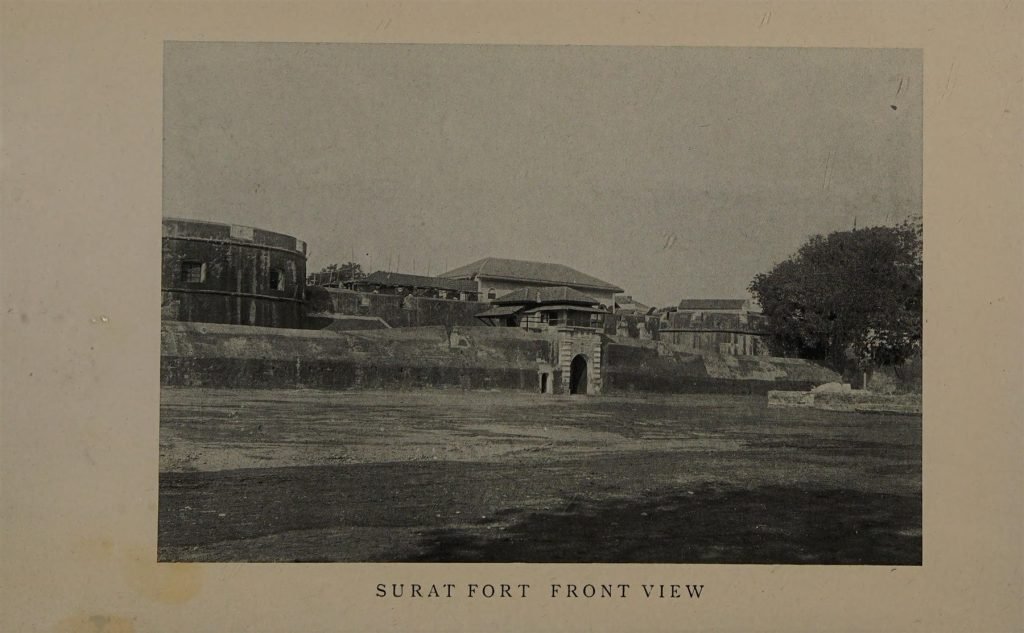
Surat Castle
A 16th-century riverside fort by the Tapi
Where to eat near Dutch & Armenian Churches
Surti meals
Sweet-savoury thalis.
Locho & khaman
Surat's soft farsan.
Surti street food
Ghari, undhiyu & more.
Foodie city
Famous for locho, undhiyu, ghari & ponk.
Dutch & Armenian Churches FAQ
What is Dutch & Armenian Churches?
Among the most evocative reminders of Surat's age as an international port are its old Christian churches, left by the European trading communities who once lived here. The Armenian Church and chapel, and the remains of Dutch and other European Christian worship, recall a time when Surat's merchant population included Armenians, Dutch, English and Portuguese, each with their own places of worship alongside the city's mosques, temples and Parsi fire-temples.
Where is it?
In Surat's older quarters — near the fort, the river and the old trading districts where the European factories once stood.
Is there an entry fee?
Access varies by church and congregation — some open daily, others for services; ask locally and visit respectfully.
When should I visit?
October to March; at aarti time.
What's nearby?
Surat's fort, beaches, lake and food streets.
How long does it take?
About 30 minutes.
Related places across Gujarat
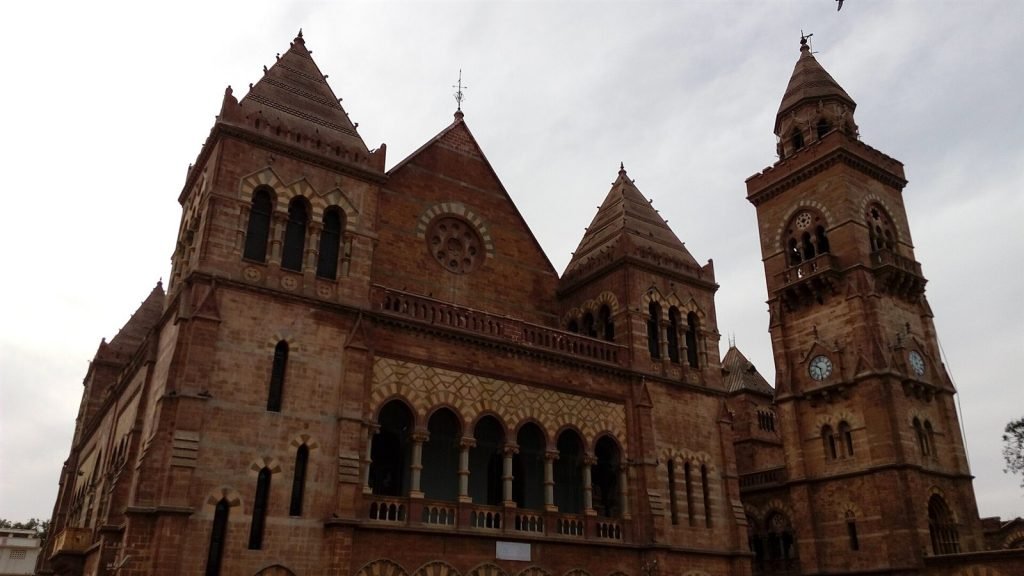
Ashapura Mata no Madh
Shrine of Kutch’s guardian goddess
 CAVES
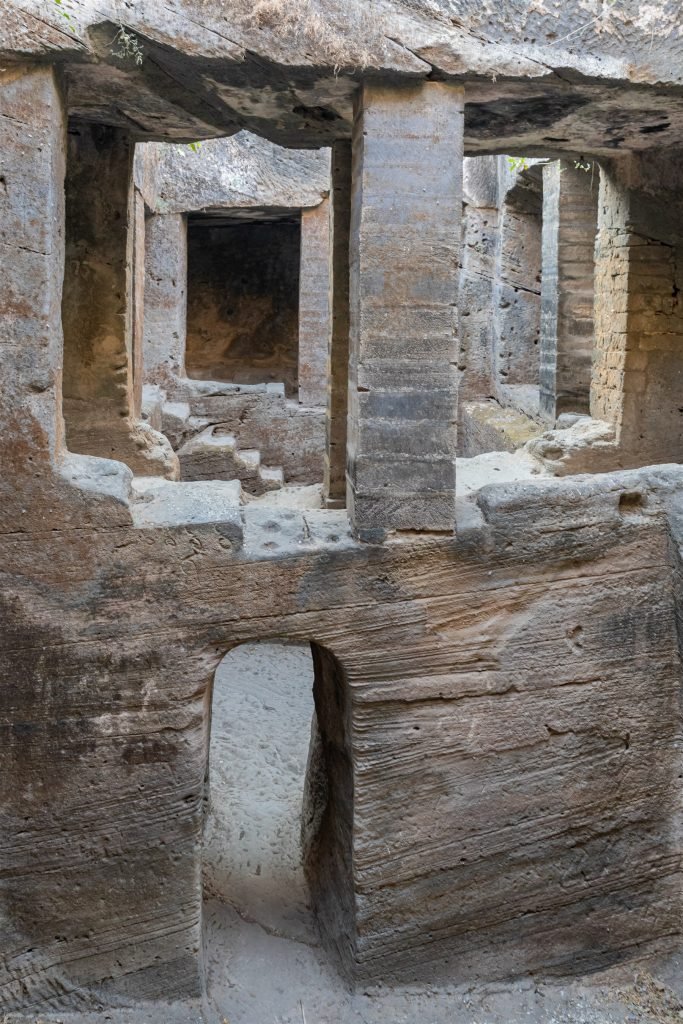
CAVESKhapra Kodiya Caves
Buddhist rock-cut monastic caves
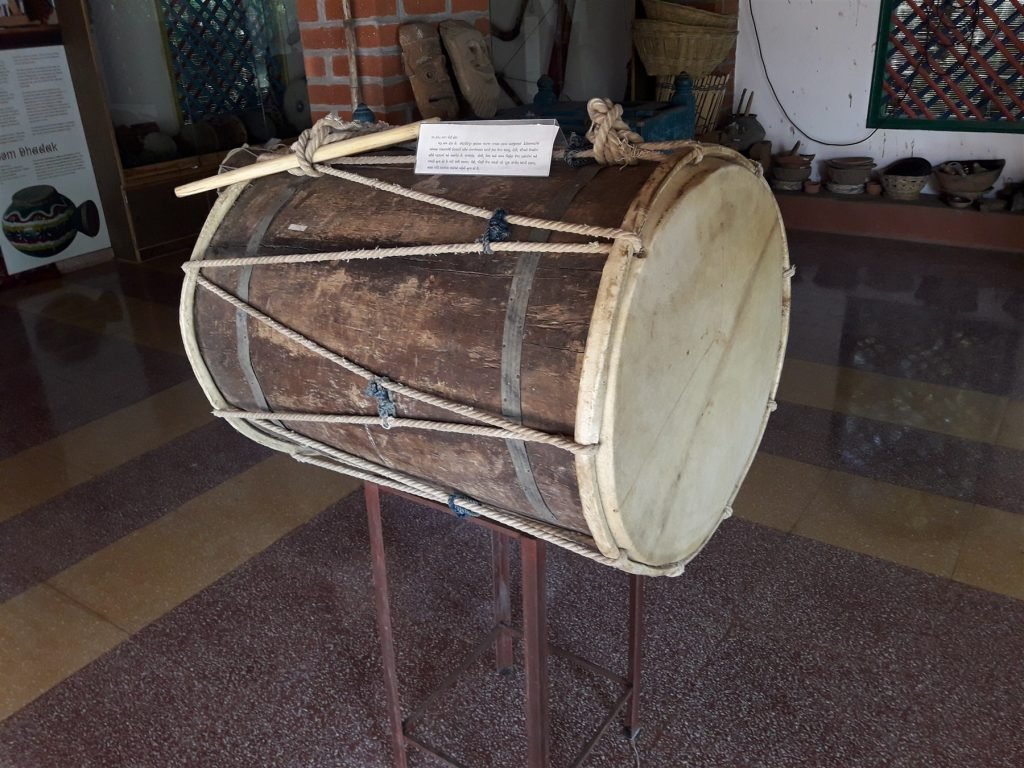 MUSEUM
Adivasi Museum
Rathwa art, dress and ritual objects
 CRAFT
CRAFTBrass Bazaars
Lanes of gleaming hand-beaten brassware
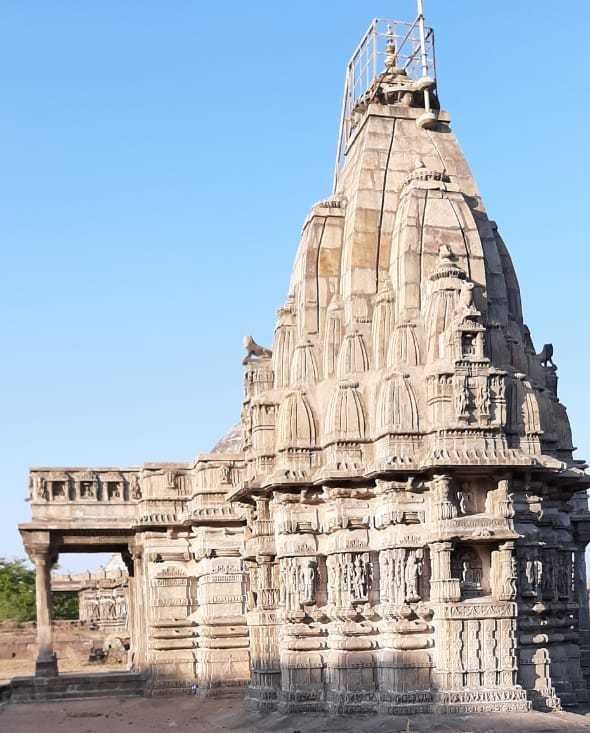 5
5Khajuri Masjid
A lesser-seen monument of the old capital
 NATURE
Tapi Wetlands
Birdlife along the river’s edges
WHERE TO STAY
Find your stay in Gujarat
Compare live prices across the big booking sites and reserve in a few taps. Booking happens securely on the partner's site — we may earn a small commission at no extra cost to you.
Book directly on our partner sites — tap a provider to see live Gujarat hotels & prices:
SHOP THE REGION
Bring home Gujarat — & travel essentials
Hand-picked crafts and trip gear, available on Amazon.
Published 24 June 2026 · Updated 24 August 2026
We’re an independent group of writers and travellers documenting every corner of Gujarat — one place, plate and festival at a time.