Rising abruptly from the flat Saurashtra plains, Osham Hill (Osham Dungar) is a landmark visible for miles — and a place layered with legend. Local tradition ties it to the Pandavas of the Mahabharata, and especially to the mighty Bhima.
Scattered across the hill are giant boulders, rock-cut water tanks (kunds), caves and old shrines said to be connected to the Pandavas’ exile, lending the climb a mythic, slightly mysterious air. Pilgrims and trekkers make their way up for the shrines, the curious rock formations and the sweeping views over the plains.
Offbeat and uncrowded, Osham is a rewarding half-day escape for those drawn to legend, landscape and a gentle climb — a quiet counterpoint to Jamnagar’s lakes and coast.
A lone Saurashtra hill.
Caves, kunds and shrines.
Local tradition ties Osham Hill to Bhima and the Pandavas during their years of exile, and every feature on the hill has a story attached to it.
Rock-cut water tanks, cave mouths and oddly shaped boulders are all read through those tales by the people who live below.
Old shrines are scattered across the slopes, and pilgrims still climb to them, particularly on festival days.
It has stayed genuinely offbeat — a hill you climb for the legend, the ruins and the view rather than for any facility at the top.
Every kund and cave on the hill is tied to Bhima and the exiled Pandavas in local tradition.
The rock-cut water tanks are the most striking survivals — cut straight into the stone and still holding water after rain.
Caves and cut chambers are dotted across the slopes, unlabelled and largely unexplained, which is much of the appeal.
From the top the Saurashtra plain runs flat to the horizon in every direction — this is the only high ground for miles.
The climb is a half-day at most and needs no equipment, just decent shoes and an early start.
You will very likely have the hill to yourself. It sees almost no visitors outside festival days.
An isolated rise standing out of an otherwise flat Saurashtra plain.
Rock-cut water tanks and cave chambers, all tied to the Bhima legend.
Sweeping Saurashtra views from the top, best in the clear winter air.
Old temples tucked among the rocks, still visited by pilgrims from the villages below.
Cut chambers in the rock that local tradition connects to the Pandavas' years in hiding.
Tracks and cut steps wind up the slopes; no scrambling and no equipment needed.
Take the walk up the slopes, which follows tracks and cut steps rather than anything technical.
Find the rock-cut kunds, cut directly into the stone and still the most impressive thing on the hill.
Look into the caves, which are unmarked and unexplained and all the more interesting for it.
Pay respects at the hill shrines, which are working temples for the villages below.
Stop at the top for the view — flat Saurashtra running out to the horizon on all sides.
Ask locally about the Pandava stories; the hill makes far more sense once you have heard them.
A legend-laden hill.
Osham is a natural, isolated hill rather than a built monument — but human hands have left their mark across it. Rock-cut water tanks (kunds) catch the rains, caves shelter old shrines, and giant boulders, scattered as if by a mighty hand, anchor the local legends of Bhima and the Pandavas.
Tracks and steps wind up between these features to small temples near the top, where the reward is a wide view over the surrounding plains. It is landscape and legend, more than architecture, that give the hill its character.
Planning more of the area? Our Jamnagar guide covers the whole district.
Our overview of the hill country of Gujarat puts it in context.
An isolated hill
Rock-cut water tanks (kunds)
Caves and old shrines
Giant legend-laden boulders
November to February is the season — cool enough for the climb and clear enough for the long view from the top.
The monsoon greens the hill and fills the rock-cut tanks, but the rock underfoot turns slippery and the paths are poor.
March to June is hot and the hill has no shade at all; if you must go then, climb at first light.
⏰ Climb in the cool of winter morning, carry water, wear good shoes, and allow time for the views and shrines.
Jamnagar Airport, then road toward Dhrol.
Jamnagar station, then road.
About 50 km from Jamnagar, by taxi or local transport.
ROCK & VIEW
The lone hill rising abruptly out of the Saurashtra plain.
Rock-cut kunds and cave mouths worked into the stone.
The flat plain running out below the summit.
Cool morning light, or the last hour before sunset.
SPIRITUALOrnate Shwetambar temples in the old town
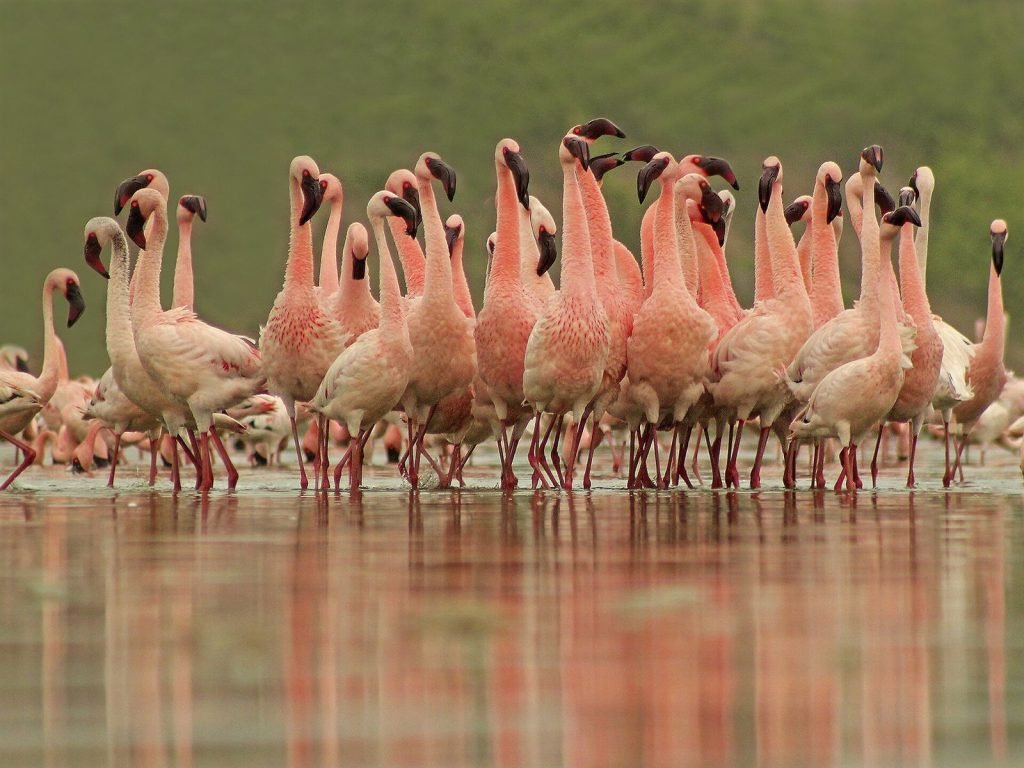
WETLANDVast flamingo flocks in winter
BIRDSWhere freshwater & marine birds gather

◐ Low tide · corals & life
Quiet shores & flamingo-rich mudflats
PALACEA grand European-style royal palace
Rotla, kadhi, shaak and ghee-rich fare.
Gathiya and farsan, a Saurashtra staple.
The old city's bustling bazaar snacks.
Jamnagar's food is largely vegetarian.
An isolated hill in the Jamnagar region, rising out of an otherwise flat plain, covered with rock-cut water tanks, caves, old shrines and a dense body of Mahabharata legend.
Local tradition links the hill to Bhima and the Pandavas during their years of exile, and the kunds, caves and boulders on it are all explained through those stories.
Rock-cut water tanks, cave chambers cut into the stone, several old hill shrines, and a long view over the Saurashtra plain from the top.
About 50 km from Jamnagar. A car is the practical way to reach it, as public transport to the base is limited.
No. There is no entry fee and no ticket office — it is an open hill with a footpath up it.
A gentle to moderate walk with no scrambling. Wear shoes with grip, carry water, and allow longer than the height suggests because the ground is uneven.
Winter mornings, between November and February, are the most comfortable and give the clearest views from the summit.
No. It is genuinely offbeat and usually empty, apart from local pilgrims on festival days.
NATIONAL PARKDense teak forest alive with wildlife
1Five jewel-like Jain temples of breathtaking carving
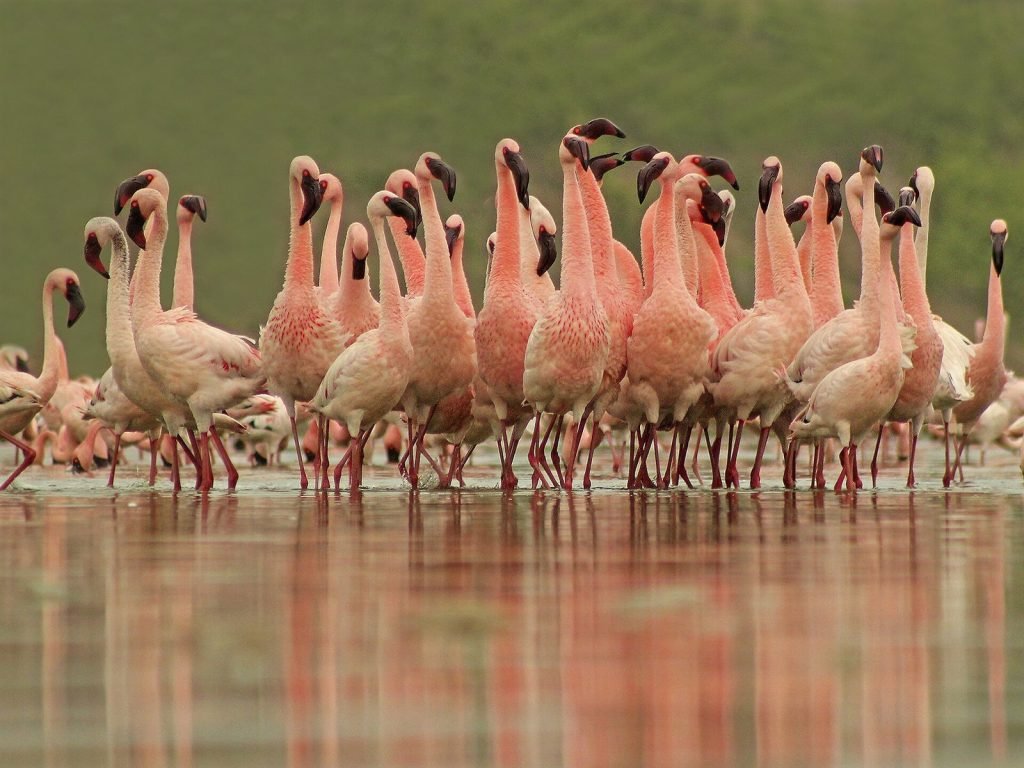
WETLANDSeasonal wetland of flamingos, pelicans & raptors
FOLK ARTRathwa ritual wall paintings around Kawant
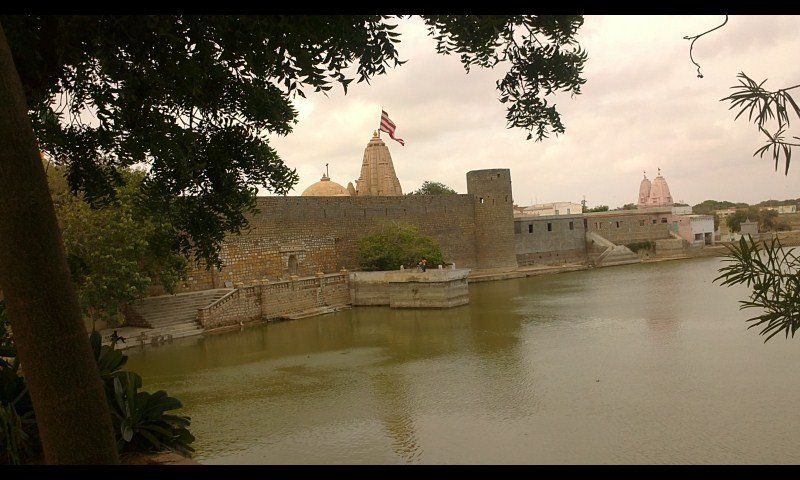
SACREDOne of Hinduism’s five holy lakes, by Koteshwar
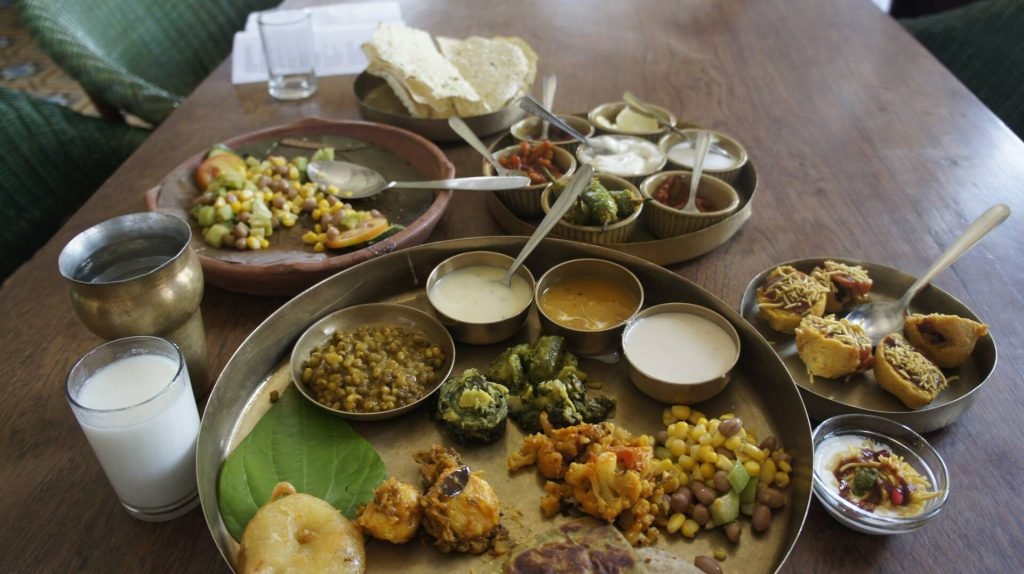
PILGRIMShukleshwar Mahadev on the riverbank
WHERE TO STAY
Compare live prices across the big booking sites and reserve in a few taps. Booking happens securely on the partner's site — we may earn a small commission at no extra cost to you.
Book directly on our partner sites — tap a provider to see live Gujarat hotels & prices:
SHOP THE REGION
Hand-picked crafts and trip gear, available on Amazon.
Published 24 June 2026 · Updated 24 August 2026
We’re an independent group of writers and travellers documenting every corner of Gujarat — one place, plate and festival at a time.
Search Gujarat Explorer
Find places, food, festivals and travel guides across Gujarat
Press Enter to search — or Esc to close
Plan Your Trip
Gujarat Explorer is an independent travel guide. We’re happy to help you shape an itinerary and point you to the right places, stays and experiences across Gujarat.
Book a Cab