Gujarat Explorer

Patola Heritage House

Home Patan Patola Heritage House

CRAFT · PATOLA · WEAVING

Patola Heritage House

Where the world's most intricate silk is woven — Patan's Patola Heritage House, home of the Salvi family's centuries-old double-ikat weaving, a living treasure of Gujarat.

AT A GLANCE Quick Facts
📍 LOCATION Patan
🧵 CRAFT Patan Patola
🎨 TECHNIQUE Double ikat
👪 FAMILY Salvi weavers
🗓 AGE ~900 years
🎟️ ENTRY Ticket
☀️ BEST TIME Oct – Mar
⏱️ DURATION 1 hour
ABOUT THE PLACE

The double-ikat marvel

Patan Patola is one of the rarest and most extraordinary textiles in the world — a double-ikat silk so painstaking that a single sari can take months, even a year, to weave. At the Patola Heritage House — the Salvi family’s home-museum and workshop — visitors can witness this centuries-old tradition first-hand: the precise tie-dyeing of both warp and weft threads before weaving, so that the pattern emerges identically on both faces of the cloth, with no right or wrong side.

Once patronised by the Solanki kings and traded as far as Southeast Asia, Patan Patola is now woven by only a handful of master families, making it a living heritage of immense value. The Heritage House displays antique patola, explains the mind-bending mathematics of the craft, and lets you watch the weavers at work.

A working family workshop-museum; entry by ticket. Patola sold here is genuine but costly — the real draw is watching it made.

A Patan Patola double-ikat silk.

HISTORY

The Salvi families, and the sari that takes months

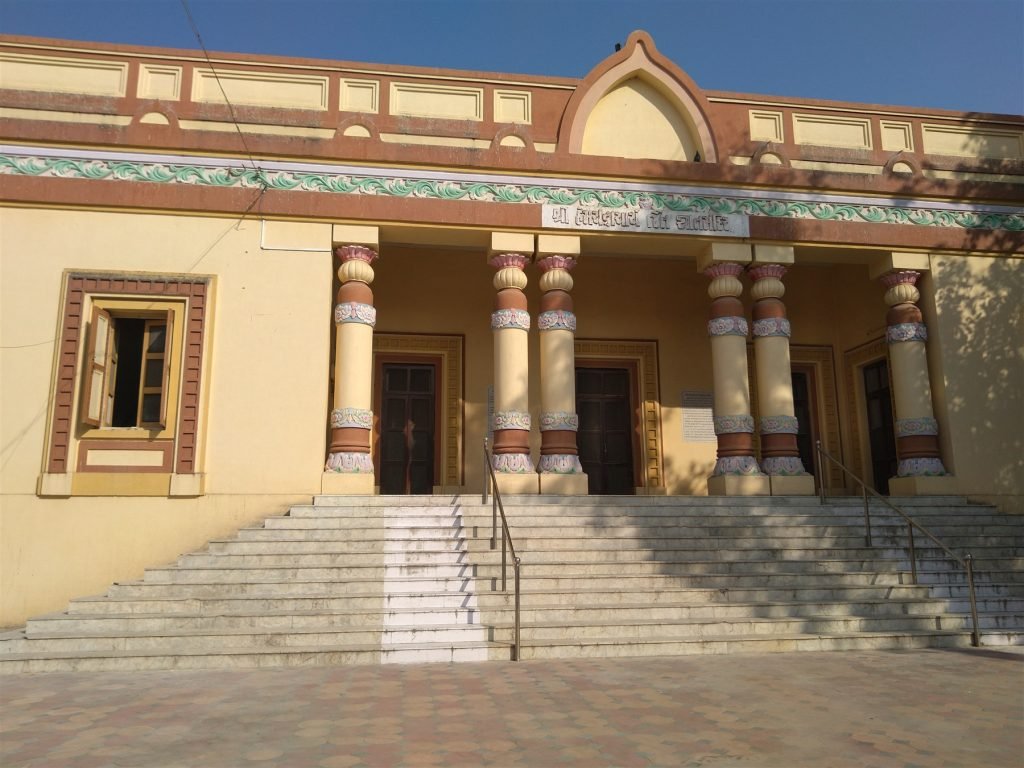
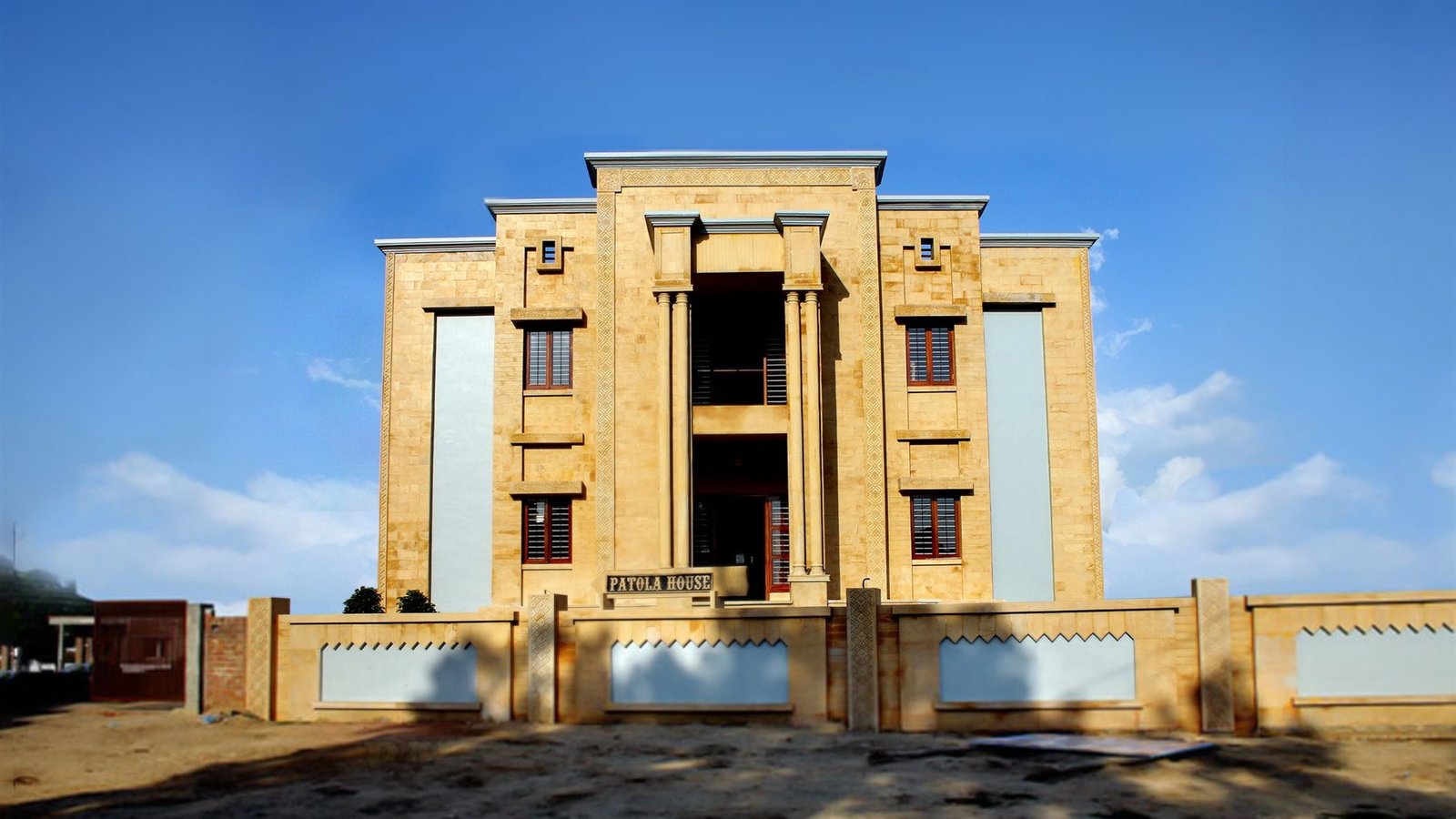
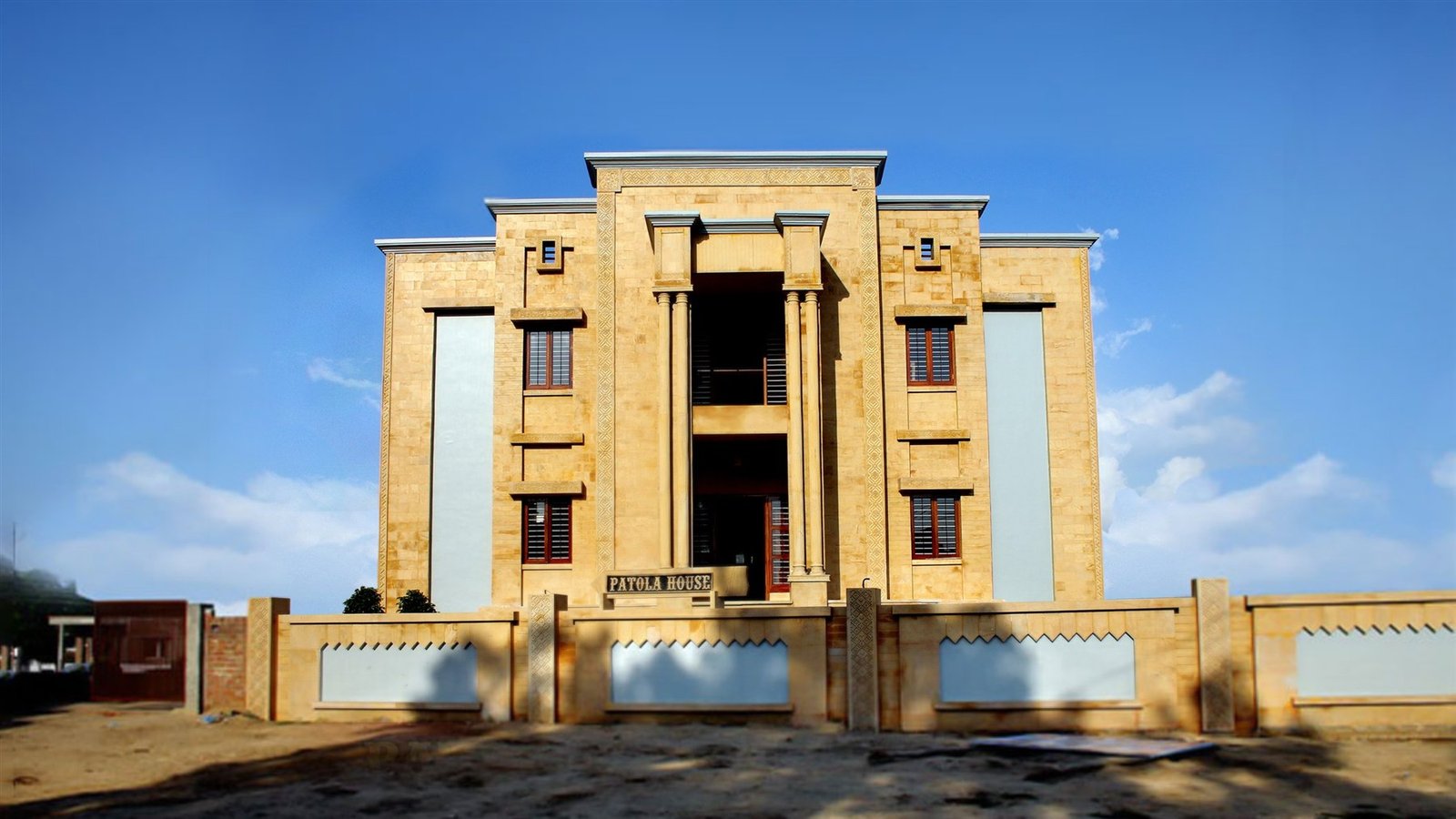
The Patola Heritage House.

~900 years

The Salvi families are held to have brought patola weaving to Patan under Solanki patronage in the twelfth century.

Solanki era

Kings prized the silk — patola was court wear, and its patterns carried auspicious meaning.

Trade

For centuries it was exported across Southeast Asia, where old patola are still heirloomed.

Today

Today only a few master families weave the true double ikat, and each piece takes months.

WHY VISIT

Reasons to make the time

🎨

Double-ikat silk

A genuine patola is patterned identically on both sides — there is no reverse.

🗓

900-year craft

It is a living tradition, not a revival; the line of weavers has never broken.

👪

The Salvi family

The master weavers work in pairs, aligning every thread against the dyed pattern.

🔄

No wrong side

Both faces identical is the double ikat's signature — almost no other textile achieves it.

🖼️

Antique patola

The family collections hold rare old textiles, some centuries old.

🧶

Watch the weavers

The Heritage House shows the whole process, loom to finished sari.

HIGHLIGHTS

What to look for inside

Double ikatTHE SILK

Double ikat

Warp and weft both tie-dyed before weaving begins.
The Salvi workshopTHE HOUSE

The Salvi workshop

Loom, museum and demonstration together.

THINGS TO DO

How to spend an hour or two

01

Watch the weaving

Watch the weavers at the patola loom, adjusting each crossing to the pattern.

02

Learn double ikat

Understand the warp-and-weft dyeing that happens before any weaving starts.

03

See antique patola

See the rare old pieces in the family collection.

04

Understand the maths

Study the pattern precision — the alignment is the art.

05

Meet the weavers

Meet the Salvi tradition, nine centuries in one family line.

06

Admire the colours

Note the vivid natural dyes that give patola its depth of colour.

The intricate patola weave.

ARCHITECTURE & SETTING

Tie-dye, warp and weft

Patan Patola is made by resist tie-dyeing both the warp and the weft threads to a precise plan before a single thread is woven, so that the design appears identically on both sides of the finished silk. This double-ikat technique — among the most complex weaving on earth — is practised by only a handful of Salvi master families, making each piece a slow, costly masterpiece and a living heritage of Patan.

A working workshop-museum; viewing by ticket.

Double-ikat (both threads dyed)

Identical on both faces

Woven by Salvi families

Antique patola on display

BEST TIME TO VISIT

When to go

WINTERNov – Feb★★★★★

October to March is the pleasant season, and mornings are when the looms work.

MONSOONJul – Sep★★★★☆

The monsoon slows the dye work but the demonstration runs year-round.

SUMMERMar – May★★☆☆☆

In the hot months, go early; the workshop visit is indoors regardless.

⏰ Visit in the morning to watch the weavers at the loom; allow time for the demonstration of the double-ikat process.

PLANNING ESSENTIALS

Timings & entry

🕗TIMINGSDay hours
  • Open daytime (a family workshop)
  • Mornings to see weaving
  • A guided demonstration
  • Allow about an hour
🎟️ENTRYTicket
  • A modest viewing ticket
  • Genuine patola is very costly
  • Photography may be limited
  • Respect the working family
HOW TO REACH

Getting there

✈️

By Air

Ahmedabad airport (~125 km).

🚆

By Rail

Patan station.

🚗

By Road

In Patan town.

NEARBY DISTANCES
Rani ki Vav — nearby · Sahastralinga — nearby · Mehsana — 35 km · Ahmedabad — 125 km
PHOTOGRAPHY GUIDE

At the Heritage House

SILK & COLOUR

The art of double ikat

🧵

What to shoot

The loom and the weaving in progress.

🎨

Detail

Patola patterns close up.

🖼️

Heritage

Antique textiles in the collection.

🌅

Note

Photography may be limited — ask first.

TRAVEL TIPS

Know before you go

1Visit in the morning, when the weavers are at the loom.
2Watch the full demonstration; the process is the point.
3Ask before photographing, especially the old pieces.
4Understand the price: months of paired work is woven into every genuine patola.
5Respect the working family; this is their home and livelihood.
6Pair the visit with Rani ki Vav, minutes away.
NEARBY FOOD

Where to eat near Patola Heritage House

Gujarati ThaliTHALI

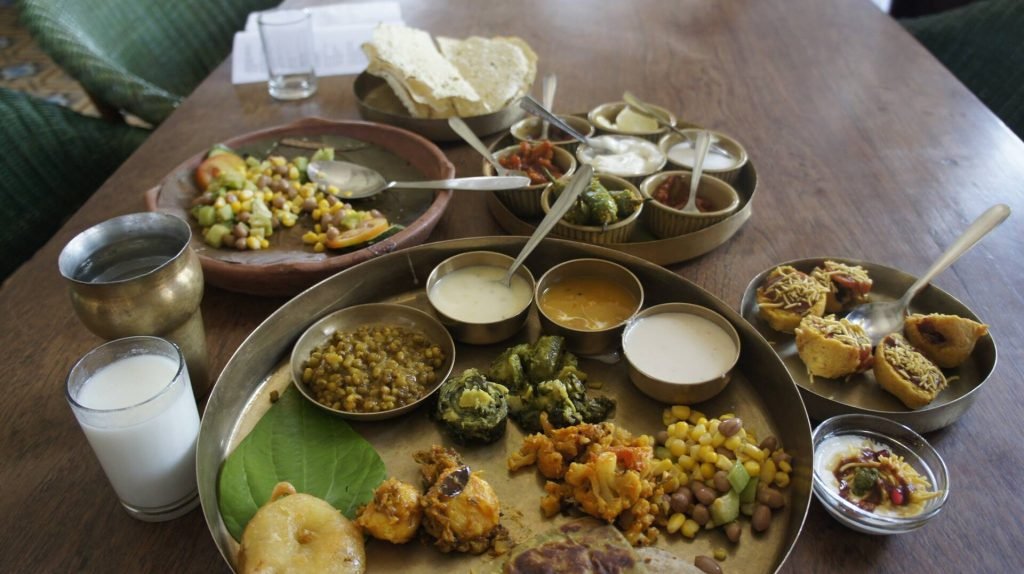
Gujarati Thali

Sweet-savoury full meals.

Dhokla & fafdaFARSAN

Dhokla & fafda

Steamed and fried snacks.

Chaat & snacksSTREET

Chaat & snacks

Simple market-town fare.

🍽️GOOD TO KNOW

Pure-veg town

Classic North Gujarat veg; Mehsana's milk sweets near.
FREQUENTLY ASKED

Patola Heritage House FAQ

What is Patan Patola?

A rare double-ikat silk woven in Patan, patterned identically on both faces, and among the most complex textiles made anywhere in the world.

Why is it so special?

Both warp and weft are tie-dyed to the finished design before weaving begins, and every intersection must land exactly — which is why progress is measured in inches a day.

Who weaves it?

A handful of Salvi master families, in a tradition running roughly nine hundred years since their ancestors were brought to Patan by the Solanki kings.

Can I watch it being made?

Yes — the Patola Heritage House lets visitors watch the weavers at work and explains the whole process.

Is there an entry fee?

Yes, a modest viewing ticket at the Heritage House.

Can I buy patola?

Yes, but genuine patola is very costly — a sari represents months of two weavers' labour and is an heirloom purchase.

Where is it?

In Patan town, easily combined with Rani ki Vav and the old Jain quarter.

When should I visit?

October to March, in the morning, when the looms are working.

WHERE TO STAY

Find your stay in Gujarat

Compare live prices across the big booking sites and reserve in a few taps. Booking happens securely on the partner's site — we may earn a small commission at no extra cost to you.

📍 DestinationAnywhere in Gujarat 📅 Check-inAdd date 📅 Check-outAdd date 👥 Guests2 adults Search Hotels

Book directly on our partner sites — tap a provider to see live Gujarat hotels & prices:

Affiliate links: prices and availability are shown by our partners. You pay the same price; we may earn a commission that helps keep Gujarat Explorer free.

SHOP THE REGION

Bring home Gujarat — & travel essentials

Hand-picked crafts and trip gear, available on Amazon.

🧵
Patola Silk Scarf
View on Amazon
🪡
Kutch Embroidery
View on Amazon
🎒
Travel Backpack 40L
View on Amazon
🔔
Brass Handicraft
View on Amazon
As an Amazon Associate, Gujarat Explorer earns from qualifying purchases. Product prices and availability are accurate as of the date/time shown on Amazon and are subject to change.
🚕
Book a cab anywhere in Gujarat
Airport transfers, day trips & intercity rides — reserve a comfortable cab, or just ask us on WhatsApp.
Enquiries are passed to independent, licensed local operators. Gujarat Explorer is a facilitator, not the transport provider.
WhatsApp Enquiry

Published 24 June 2026 · Updated 24 August 2026

GE
The Gujarat Explorer Team

We’re an independent group of writers and travellers documenting every corner of Gujarat — one place, plate and festival at a time.