Home › Districts › Patan
✦ DISTRICT TRAVEL GUIDEStepwell wonder & royal weaves.
Patan is one of Gujarat's 33 districts — explore its destinations, culture, food, heritage, wildlife and hidden gems in this complete travel guide.
Patan, in North Gujarat, was once Anhilwad Patan — the magnificent capital of the Solanki dynasty and one of medieval India’s greatest cities. Though much has faded, its masterpieces endure, none greater than Rani ki Vav.
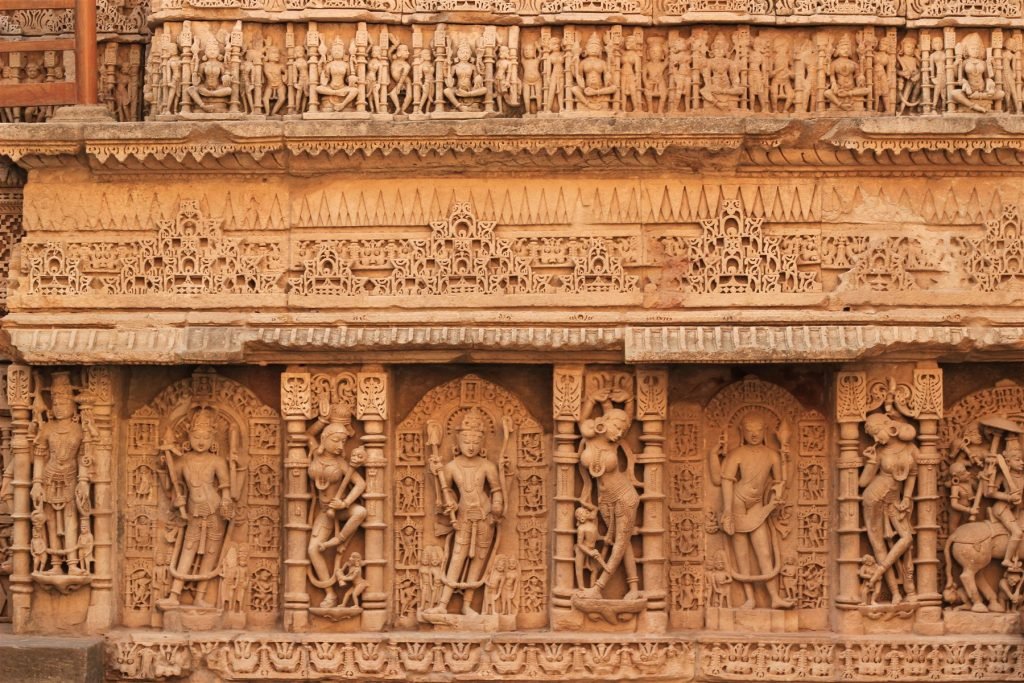
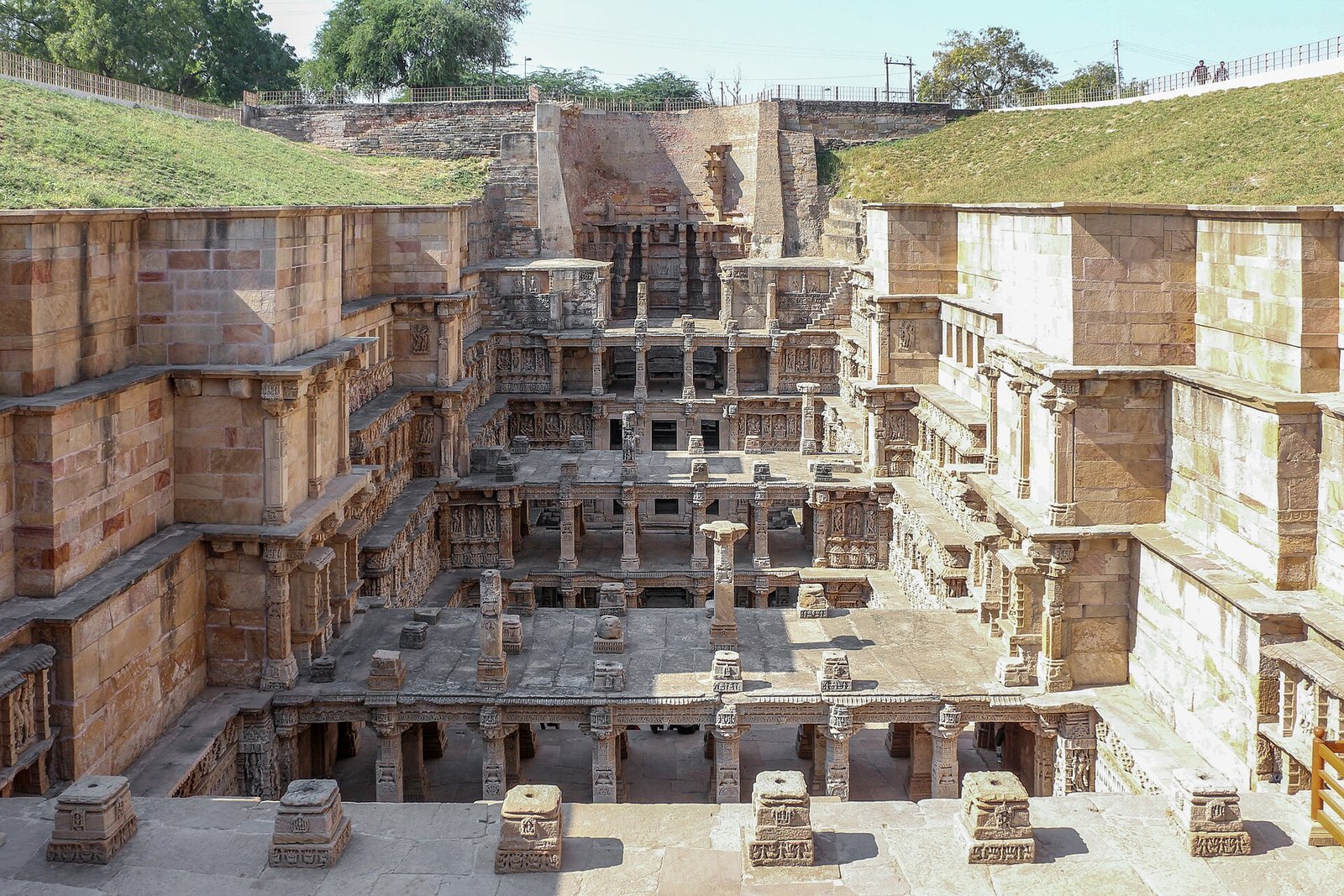
This UNESCO-listed ‘Queen’s Stepwell’, built in the 11th century and now pictured on India’s ₹100 note, descends seven storeys past more than 800 exquisite sculptures — among the finest stepwells on earth. Nearby lie the vast Sahastralinga Talav water tank and serene Jain temples.
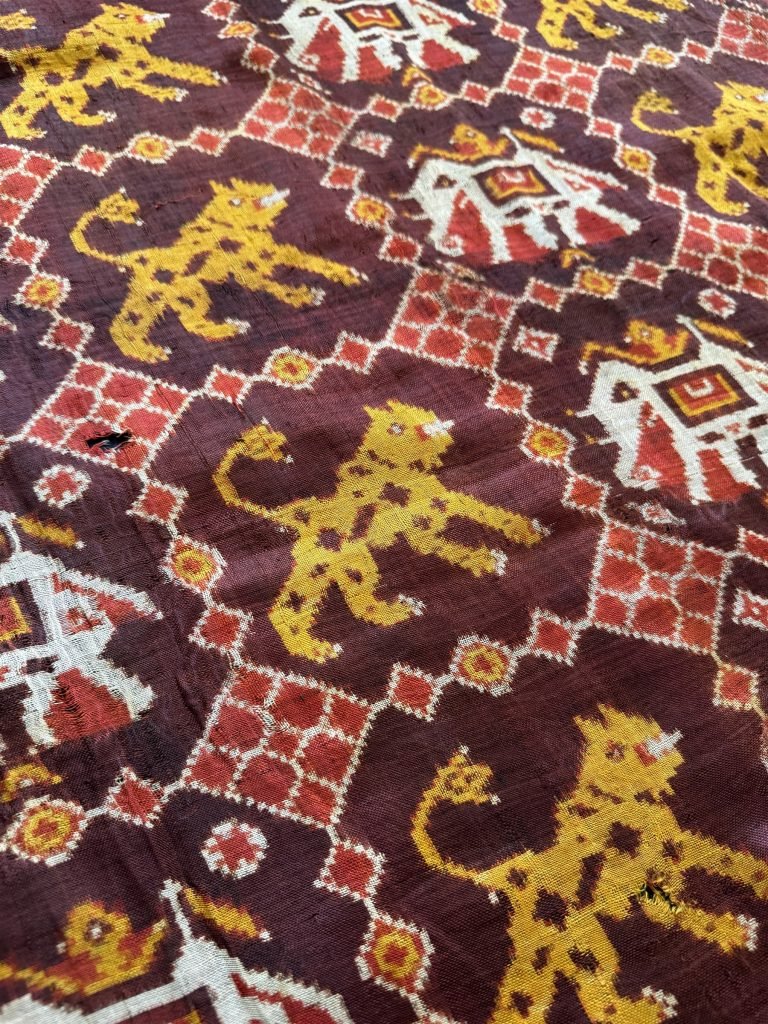
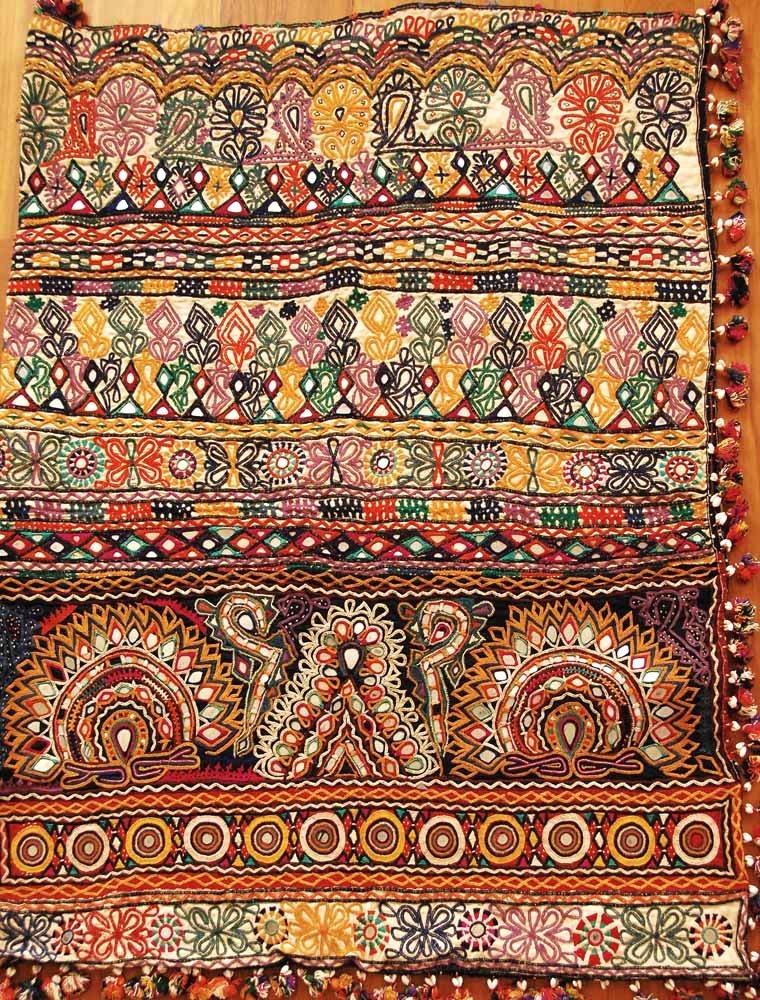
Patan is also the home of Patola — the dazzling, painstaking double-ikat silk woven by only a handful of families. History, water architecture and living craft make it unmissable.
Patan’s claim rests on two things, and both reward a full day. Rani ki Vav, the eleventh-century queen’s stepwell, is a UNESCO World Heritage Site and the finest surviving example of Gujarat’s water architecture, its seven storeys of sculpture in remarkable condition after centuries buried under silt; the ruined Sahastralinga Talav nearby shows the same Solanki court managing its water at civic scale.
The town’s other tradition is patola, the double-ikat silk woven by a handful of remaining families, where both warp and weft are tie-dyed before weaving so the pattern appears identical on either face — a technique demanding enough that a single sari can take months. Modhera’s Sun Temple lies about an hour away in Mehsana district and is almost always combined with a Patan visit. October to March is the season.
Eight reasons this ancient capital is a heritage treasure.
A UNESCO stepwell wonder
India's most iconic vav
Rare double-ikat silk
A 1,000-shrine water tank
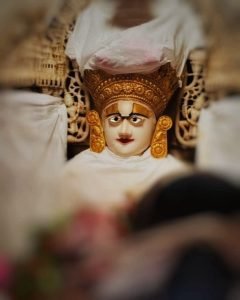
The Panchasara temple
Solanki-era glory
Ornate Bohra havelis
Stepwells & sacred tanks
A UNESCO stepwell, ancient tanks, Jain temples and Patola looms.
UNESCO
Rani ki Vav
The 11th-century ‘Queen’s Stepwell’ & its 800+ carvings
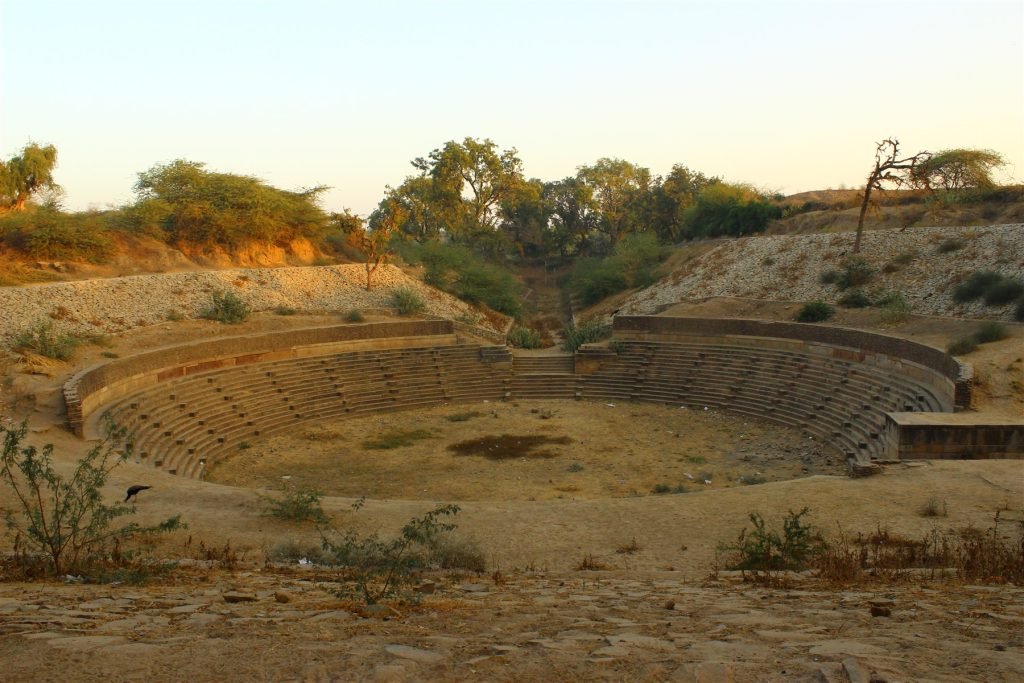
ANCIENT TANK
Sahastralinga Talav
A vast Solanki-era reservoir of a thousand shrines
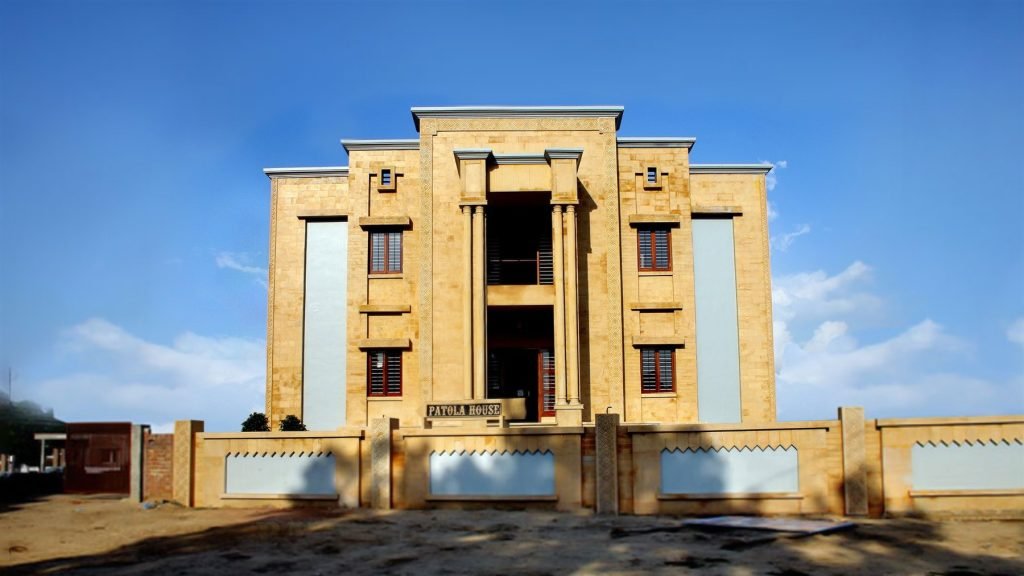
CRAFT
Patola Heritage House
Watch double-ikat silk woven by master families
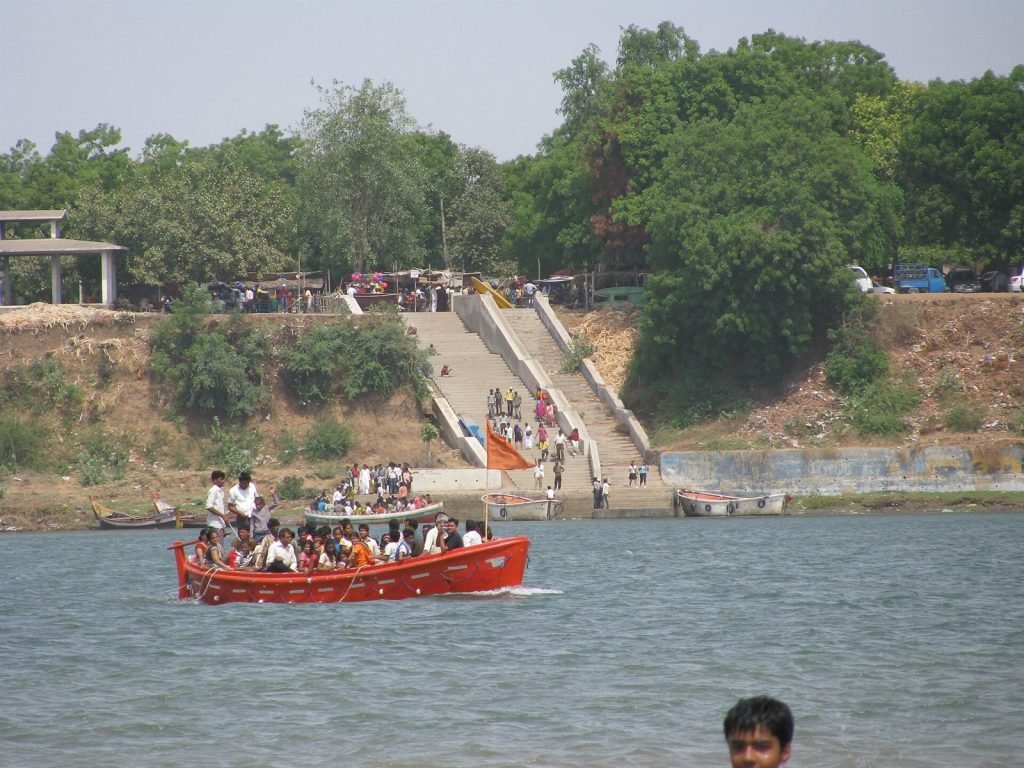
LAKE
Khan Sarovar
A grand medieval stepped water tank
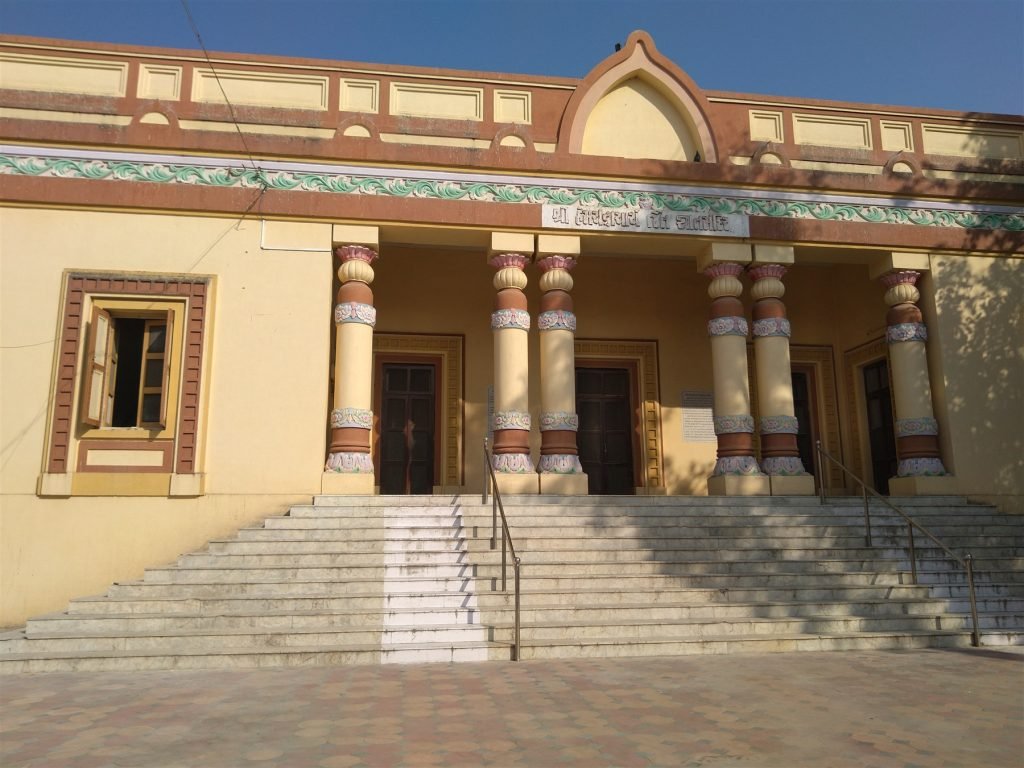
HERITAGE
Hemchandracharya Library
A treasury of ancient Jain manuscripts
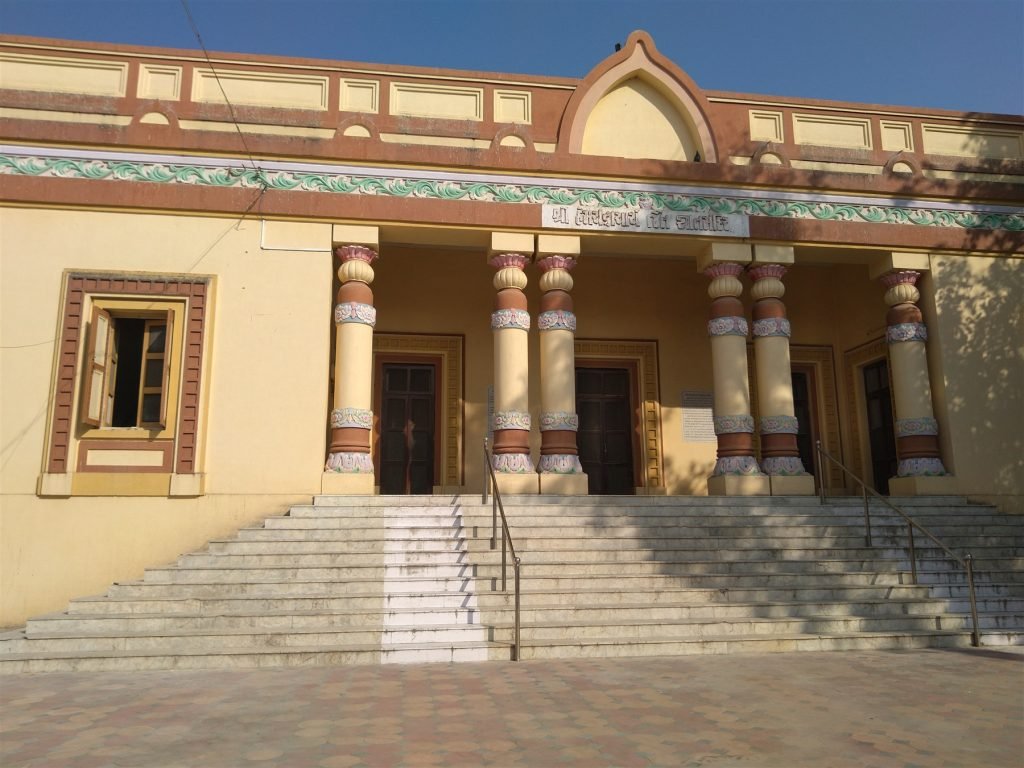
HISTORY
Patan City Anhilwad
Traces of the great Solanki capital
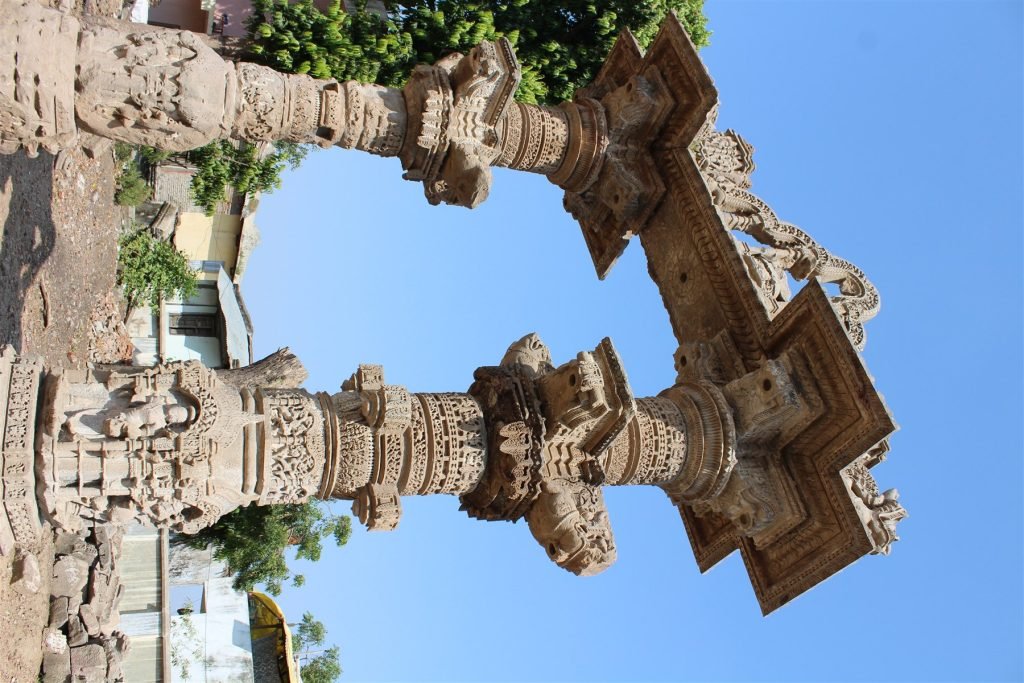
SIDHPUR
Rudra Mahalaya
Ruins of a colossal Shiva temple in Sidhpur
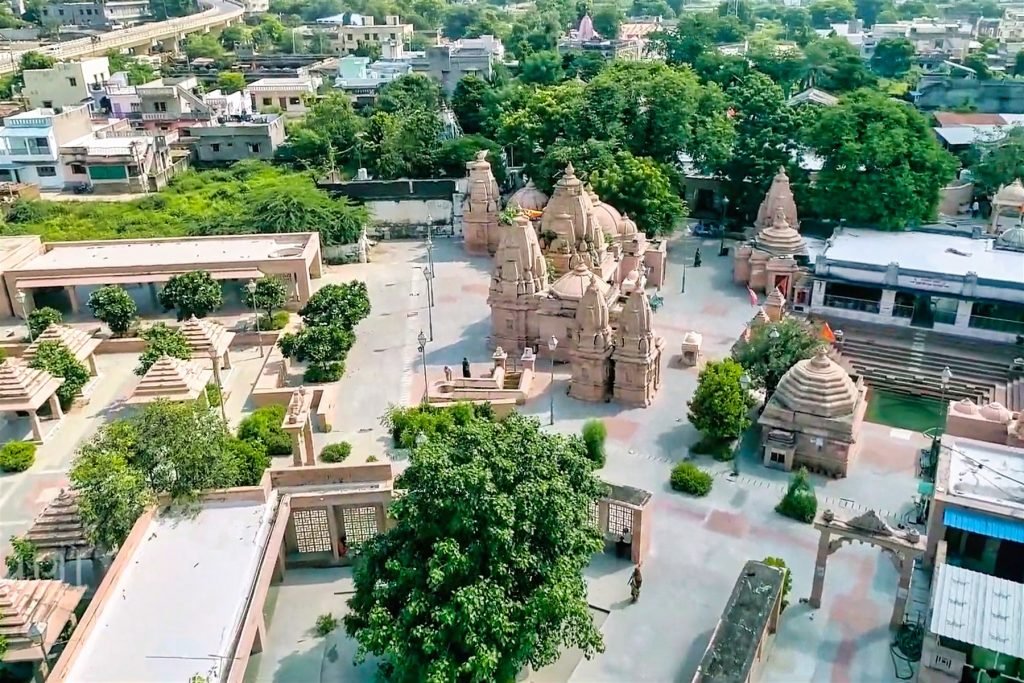
SACRED
Bindu Sarovar
A holy tank at Sidhpur (Matru Gaya)
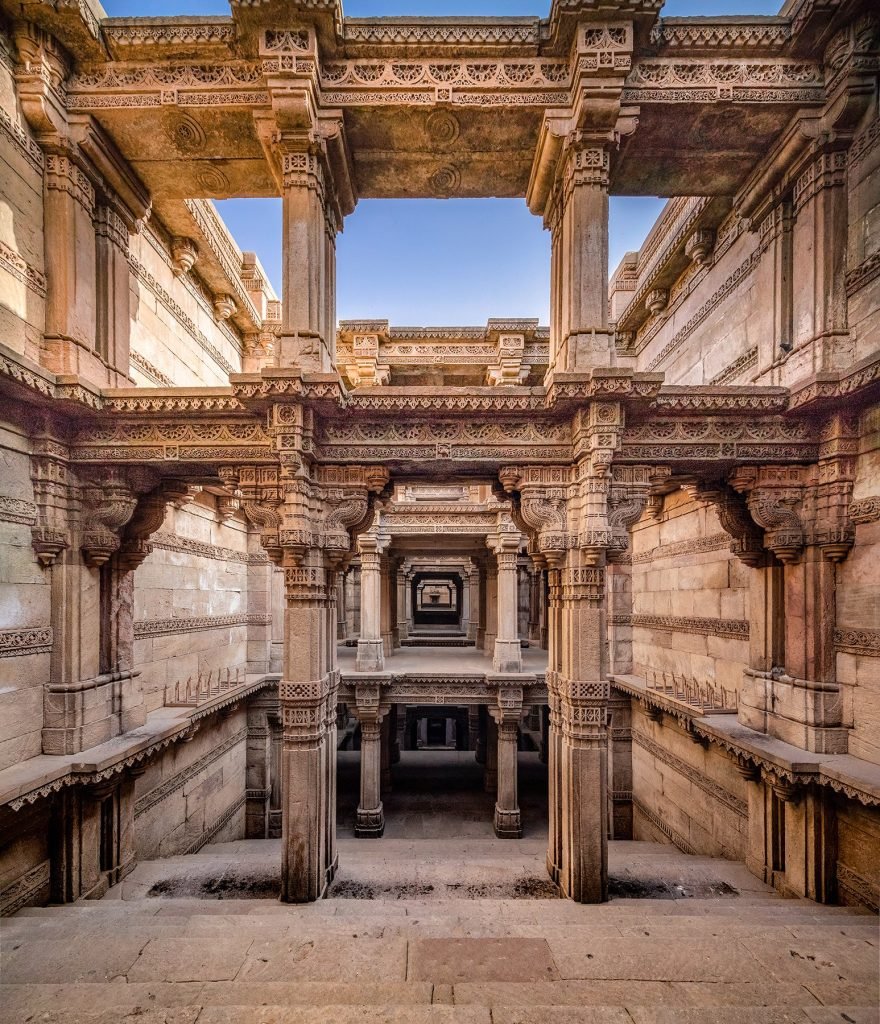
STEPWELL
Regional Vavs
Carved stepwells scattered across the district
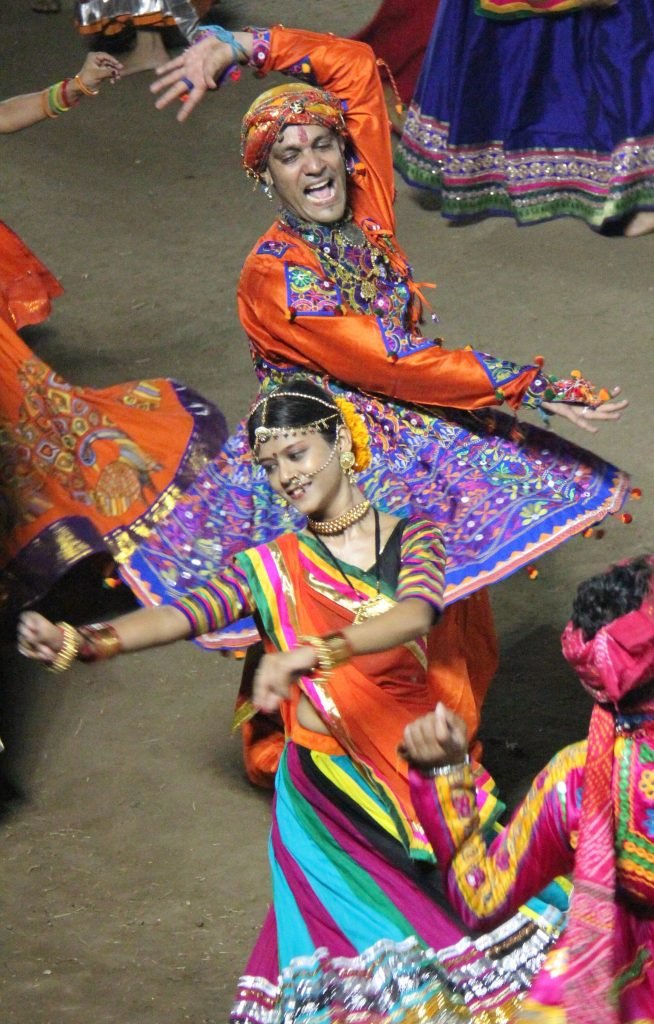
OLD CITY
Patan Bazaars
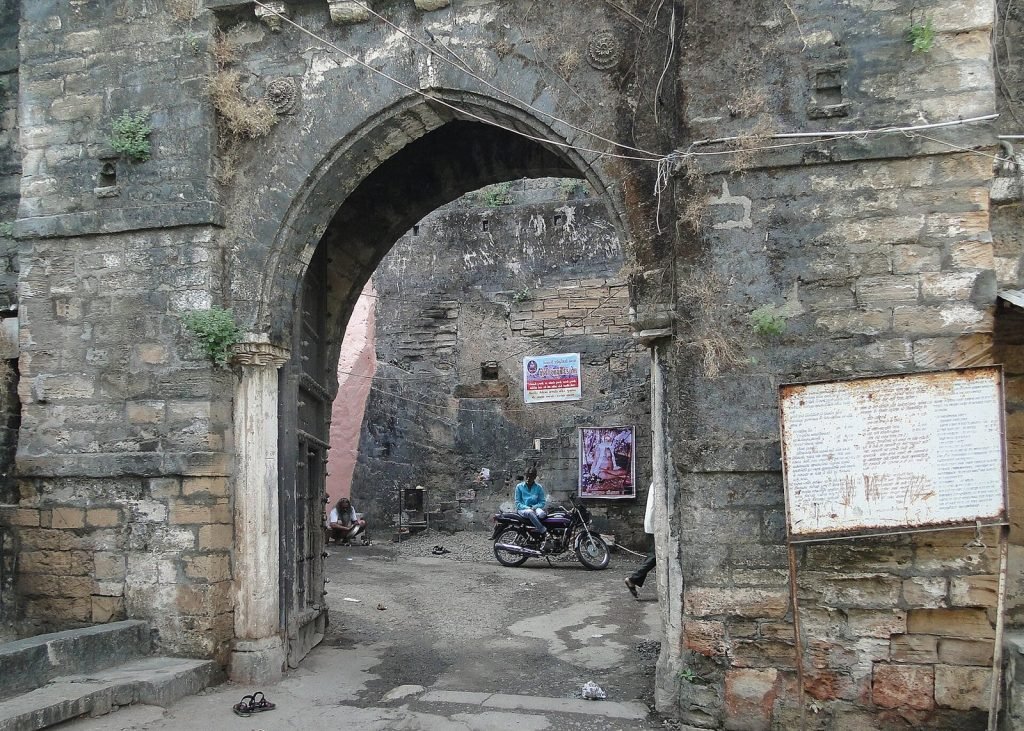
Patola showrooms, gates & the walled town
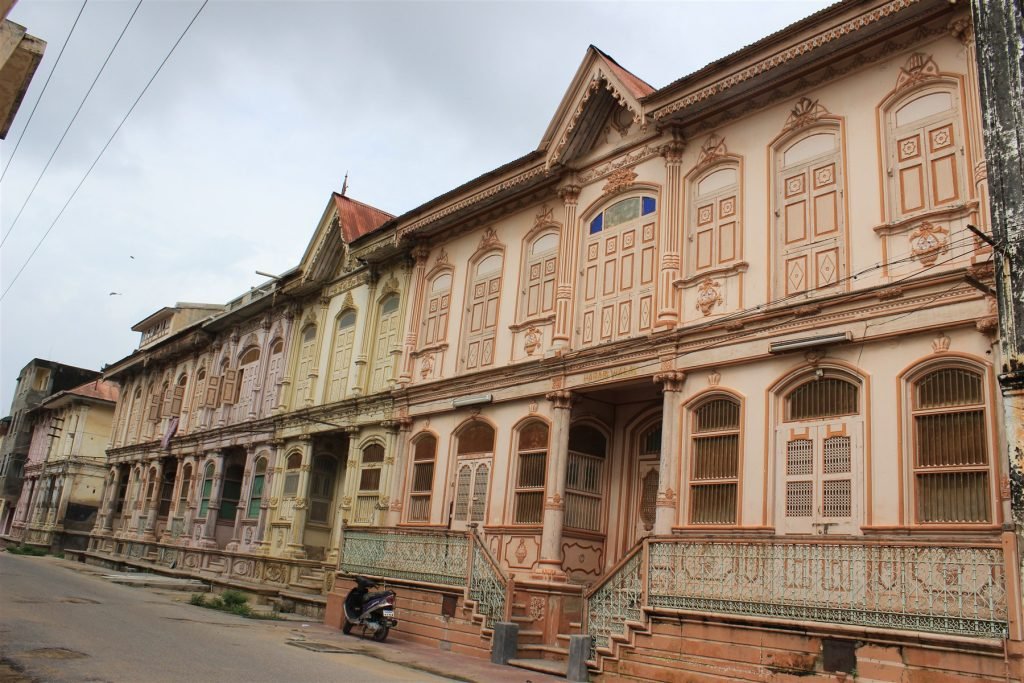
Faded glory beyond the famous stepwell.
Jain marvels and the sacred lakes of Sidhpur.
Ancient tanks, sacred lakes and quiet countryside.
Also: Banas river countryside · birding around the old tanks · the dry farmland of North Gujarat.
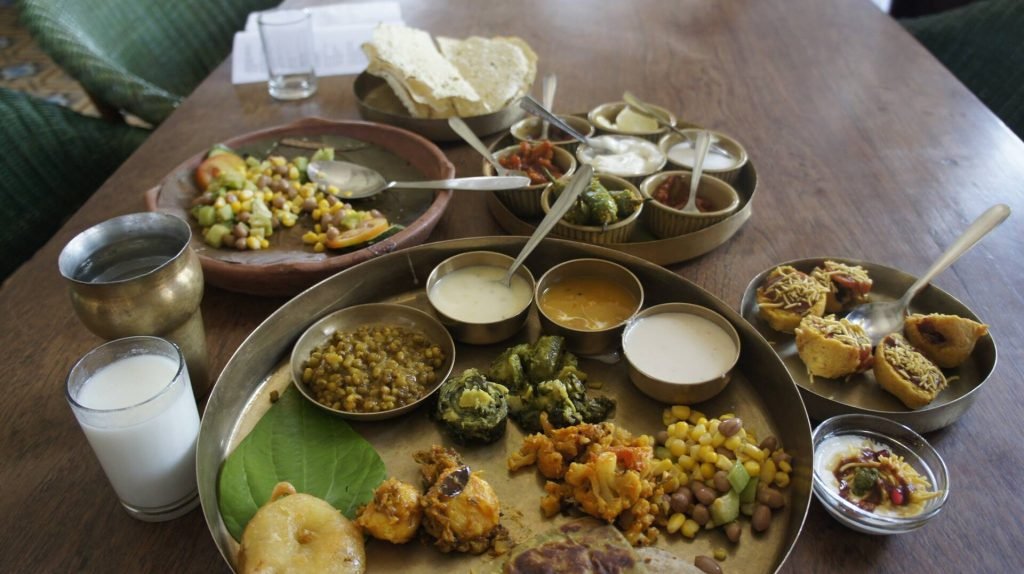
Classic North Gujarat vegetarian cooking.
Home to one of the world’s most painstaking textiles.
HISTORY
Solanki Legacy
Patan was the capital of the Solanki dynasty that ruled Gujarat for centuries — and its crowning glory is Rani ki Vav, the UNESCO-listed stepwell so fine it graces the ₹100 note.
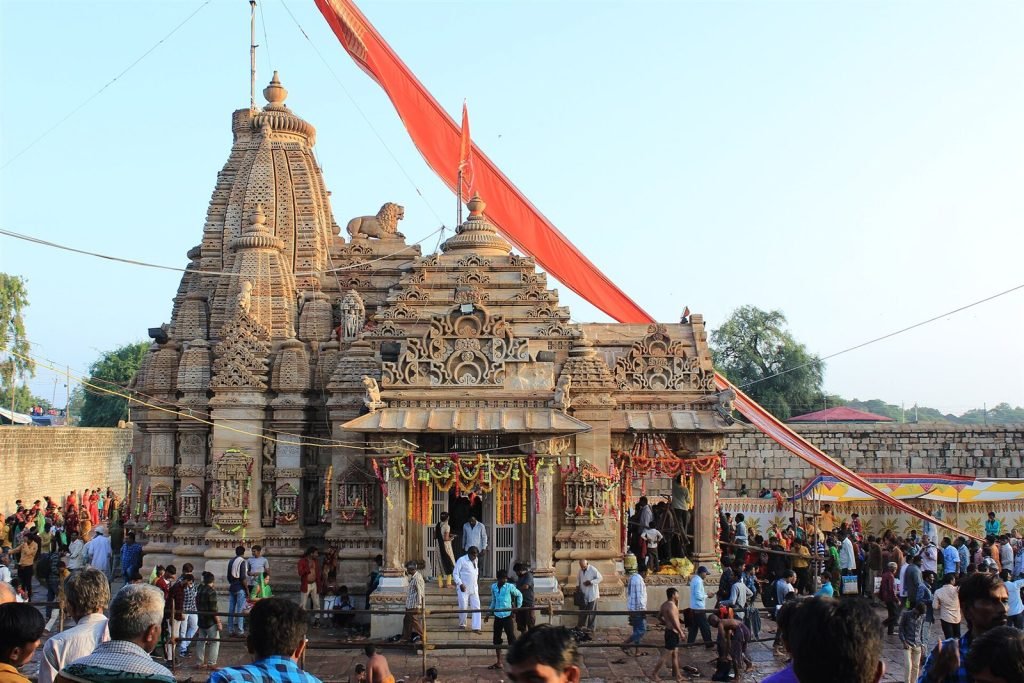
PILGRIM
Kartik Fairs
On the full moon of Kartik, the Patan region fills with pilgrim fairs — days of ritual bathing, temple visits and country-fair life under the November moon.
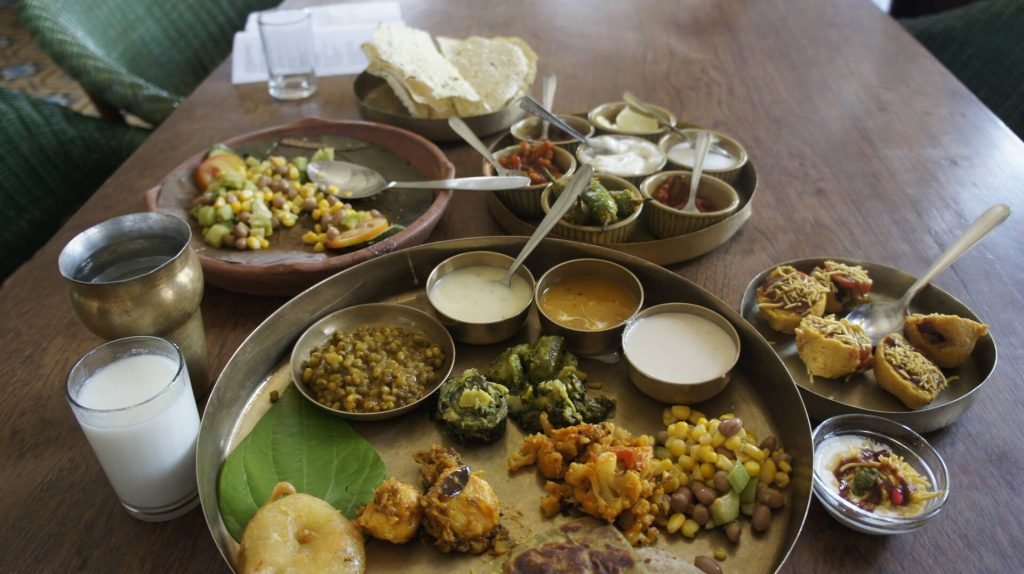
CRAFT
Mashru Weaving
Mashru is Patan’s glossy striped cloth — a silk-faced, cotton-backed handloom fabric, once a clever answer to custom and now a craft being revived.
Living culture: Patan Patola & mashru weaving · the Solanki architectural legacy · Sidhpur’s Bohra heritage · pilgrim fairs.
One of India’s most coveted textiles, woven here.
World-famous double-ikat silk
Silk-cotton satin weaves
North Gujarat textile crafts
Rani ki Vav keepsakes
Traditional metalware
Sukhdi, mohanthal & more
Cool, dry months are perfect for the stepwell.
An easy hop from Mehsana and Ahmedabad.
Ahmedabad Airport (~125 km) is the nearest major gateway.
Patan has its own station; Mehsana Junction (~40 km) adds more links.
Smooth highways via Mehsana (~40 km); Ahmedabad ~125 km.
Routes for the stepwell, tanks and Patola looms.
Rani ki Vav → Sahastralinga Talav → a Patola weaving house → Panchasara temple.
Day 1 Patan; Day 2 Modhera Sun Temple & Sidhpur's havelis.
Add Vadnagar, Taranga and birding at Thol Lake.
Rani ki Vav → Khan Sarovar → a Patola demo → local sweets.
Rani ki Vav carvings at opening → Sahastralinga → Sidhpur havelis.
Patola looms → mashru weavers → block-print workshops.
Sculpture, symmetry and silk.
Practical advice for the ancient capital.
Quick answers for planning your Patan trip.
One day for the city; two to add Modhera and Sidhpur.
An 11th-century UNESCO 'Queen's Stepwell' with 800+ sculptures — on the ₹100 note.
Yes — it features on the reverse of India's ₹100 banknote.
A rare, GI-tagged double-ikat silk woven by a few master families.
October to March, for cool weather and clear light.
About 30 km — Patan and Modhera pair perfectly in a day.
Train to Patan, or road via Mehsana (~40 km) / Ahmedabad (~125 km).
Yes — heritage weaving houses welcome visitors for demonstrations.
More of North Gujarat’s heritage.
WHERE TO STAY
Compare live prices across the big booking sites and reserve in a few taps. Booking happens securely on the partner's site — we may earn a small commission at no extra cost to you.
Book directly on our partner sites — tap a provider to see live Gujarat hotels & prices:
SHOP THE REGION
Hand-picked crafts and trip gear, available on Amazon.
Search Gujarat Explorer
Find places, food, festivals and travel guides across Gujarat
Press Enter to search — or Esc to close
Plan Your Trip
Gujarat Explorer is an independent travel guide. We’re happy to help you shape an itinerary and point you to the right places, stays and experiences across Gujarat.
Book a Cab